

A brand that is born out of necessity for good quality
By Mahjabin Rahman
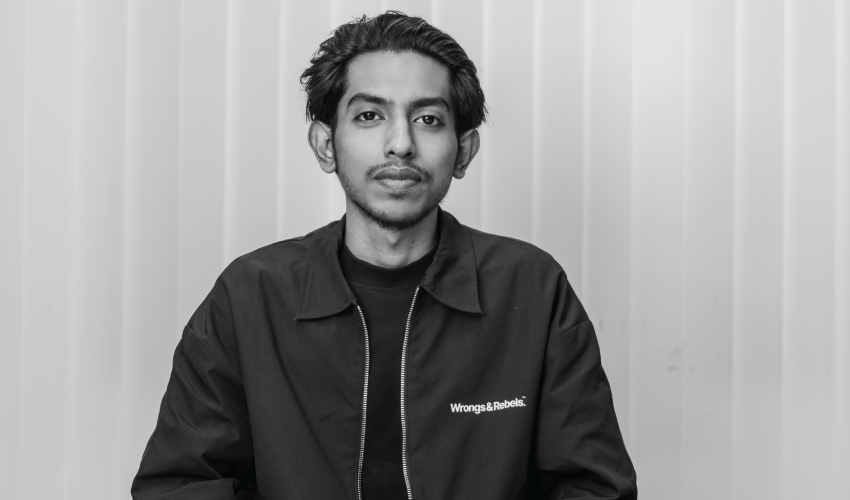
There’s a saying that necessity is the mother of invention, and that is exactly what two young men felt when they started their business after realizing that the products and quality they were looking for simply did not exist in the local market.
That realization became the first step for Alif Hossain Ohi and MD. Imranul Hoque Shovon to begin building what would eventually become Wrongs & Rebels, an online-based fashion brand shaped by intention and personal need.
Looking back at those early days, we asked co-founder Alif Hossain Ohi what he saw in the local fashion scene that made him believe there was space for something new.
When you started Wrongs & Rebels, what opportunities in the local fashion scene inspired you to create the brand?
Wrongs and Rebels was not created because I thought it would be cool to start a brand. It was created out of necessity.
The truth is simple. The kind of clothes people my age actually wanted to wear were not available in the local market. The big legacy brands had stores everywhere, huge operations, big marketing budgets, but they were irrelevant. They did not understand where culture was going. The designs were poor. The pricing was high. The taste level was low. It felt careless.
On the other side, the online scene was full of passion projects. Small pages, no structure, no long term thinking. They were not building real brands. They were just selling drops.
So there was this gap. Offline brands had distribution but no vision. Online brands had energy but no system.
Wrongs and Rebels started in that gap.
We wanted to combine the operational strength of big retail with the cultural understanding of the new generation. Serious execution with real design thinking. That was the opportunity. And honestly, someone had to do it properly.
The name itself was intriguing and naturally made us curious, so we asked:
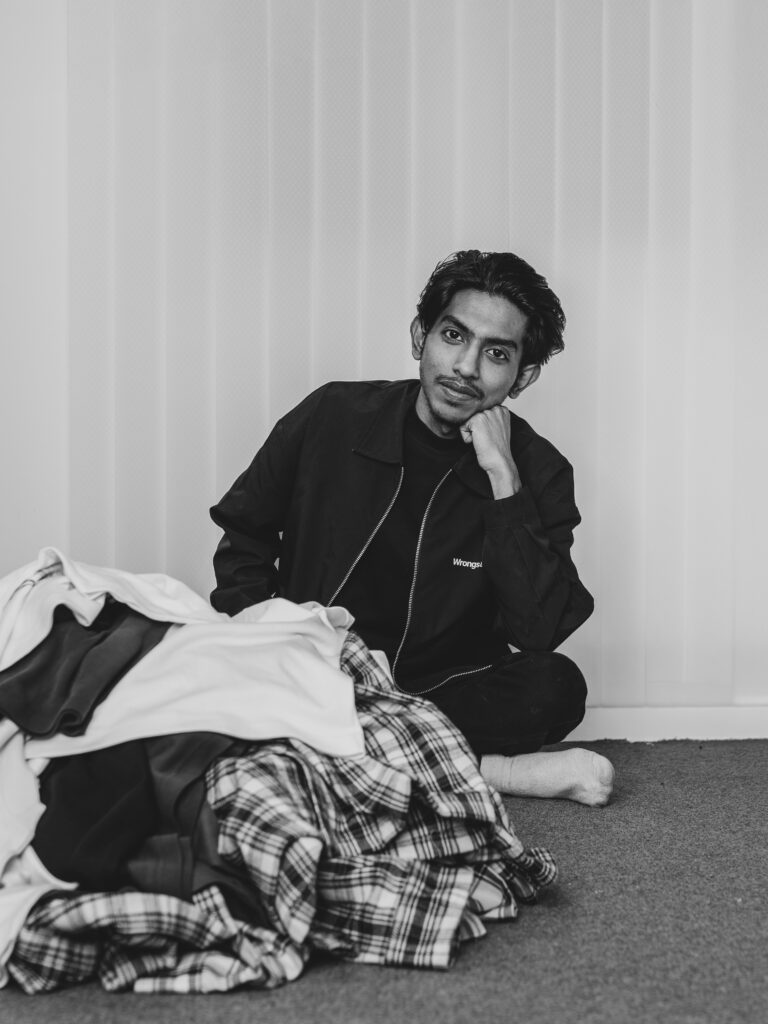
The name “Wrongs & Rebels” is interesting. How did you come up with it, and what kind of mindset does it represent?
The name came out of a feeling more than a strategy.
I did not sit with a branding agency to invent something safe. I wanted something bold. Something that represents what I believe in personally.
Wrongs and Rebels is self explanatory. It is about people who do not just accept everything as it is. People who question. People who feel something is wrong and have the courage to rebel against it.
It is unconventional. It is not a typical fashion name. But that is exactly why it works.
I wanted the name to carry weight. To represent a bigger idea than just clothing. To represent the type of people we want to build this for. Independent minds. Strong personalities. People who want to make change instead of just talking about it.
How do you ensure that Wrongs & Rebels stays aligned with its core identity, especially when new opportunities arise?
We have very clear values.
We are not trying to be cool. We are not trying to be luxurious. We are not trying to fit into a category.
Our focus is simple. Create the best possible garment in a tasteful and sophisticated way. High quality. Strong design. No shortcuts.
When you are clear about that, decisions become easy. Any opportunity is acceptable as long as it does not force us to compromise on quality, taste, or integrity.
We can adapt. We can evolve. But we will not dilute.
If an opportunity makes us weaker in taste or weaker in quality, we walk away.
Our identity is not about trends. It is about standards. And standards do not change based on opportunity.
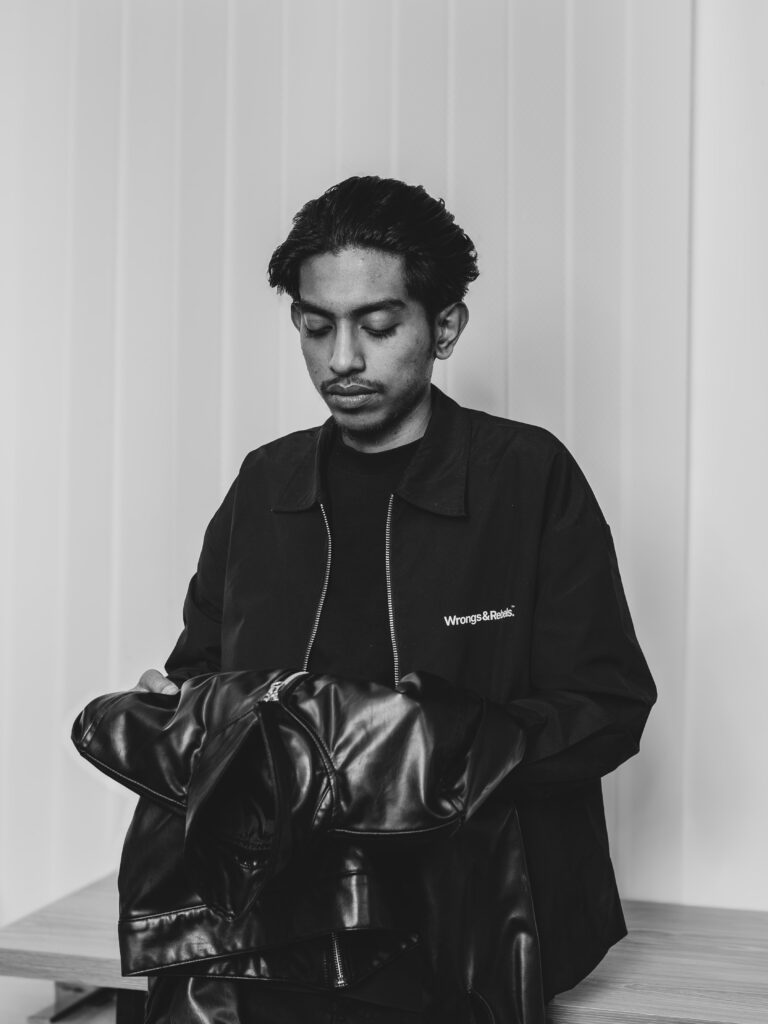
When someone wears Wrongs & Rebels, what do you want them to feel or express about themselves without saying a word?
For me, the clothes are almost a byproduct.
Yes, we sell T-shirts, hoodies, pants, and jackets. But that is not the real thing.
The real thing is mindset.
I want someone wearing Wrongs and Rebels to feel like they stand for something. Like they are not afraid to be different. Not afraid of how they look, where they are from, how they speak.
Individualism. Conviction. Strength.
Our tagline is Make a Change, and that is not marketing. It is a belief.
When someone wears us, I want it to silently say, I think for myself. I stand for something. And I am not here to blend in.
It was never about just making clothes. Anyone with machinery can make clothes. We are building something bigger than that.
While the brand’s foundation comes from its founder, the details you actually see and feel are shaped by the Creative Director. We spoke with Maliha Mustafa of Wrongs & Rebels to understand the inspirations, ideas, and design choices behind the brand’s bold aesthetic.
We began by asking her where that boldness actually comes from.
Wrongs & Rebels designs feel bold and expressive. Where do you personally draw inspiration from?
Inspiration comes less from chasing trends and more from observing the way people carry themselves, the tension between structure and individuality, and the quiet confidence found in everyday moments. Music, architecture, subculture and personal narratives all play a role, but they are filtered through a very disciplined lens. I’m drawn to contrasts like softness against strength, minimalism with a sense of rebellion.
Rather than looking for direct references, I focus on moods and emotions that can be translated into form, proportion, and texture. The goal isn’t to imitate something external, but to reinterpret influences in a way that feels honest to the brand’s identity. That’s where the boldness comes from and it is not from excess, but from clarity and intention.
As the brand grows, its design language continues to evolve but without losing what makes it recognizable. So we asked her how she balances that.
How do you approach evolving your design language while keeping it familiar for people who already connect with the brand?
For me, evolution is never about reinvention. There are certain codes that define Wrongs and Rebels like the discipline in construction, the balance between strength and restraint, and a commitment to quality that doesn’t shift with trends. Those elements create a sense of continuity, and they give people something recognizable to hold onto.
When the design language evolves, it happens through refinement rather than disruption. We might explore new proportions, introduce different textures, or push structure in a quieter way, but the intention is always to build on what already exists. Familiarity comes from consistency in standards, not repetition of the same idea.
We’re not interested in novelty for its own sake. Every change has to feel aligned with our sense of taste and integrity. That’s what allows the work to grow while still feeling grounded.
It’s fresh enough to move forward, but clear enough that the identity remains intact.
And of course, beyond aesthetics, there’s the practical side of design, something that matters even more when creating everyday pieces.
How important are fit, fabric, and comfort in your design philosophy, especially for everyday wear?
These are the most crucial parts when it comes to creating a garment, especially when it’s meant for everyday wear. These are the pieces people spend most of their time in, so while visual identity is important, a garment ultimately loses its purpose if it doesn’t feel right on the body or move naturally with the wearer.
I place great emphasis on refining proportion and construction to ensure each piece feels effortless rather than restrictive. Fabric choice plays a huge role, as texture, weight, and durability all shape how a design is experienced over time. Without the right fabric, a good fit cannot be made possible. Our production team develops the best possible fabrics to ensure all the criteria are met, allowing us to create something that people can express themselves in every day. That’s the ultimate satisfaction.
At its core, Wrongs & Rebels is about mindset, confidence, individuality, and standing for what you believe in. Every piece reflects the brand’s vision and lets people express themselves without saying a word.