



Sojan Badiyar Ghat, a timeless story, finds a new frame
By Ayman Anika
Some literary works enter discussion through prestige, others through controversy. Sojan Badiyar Ghat, often translated as Gypsy Wharf, takes a different path. It settles into the reader’s mind slowly, almost without permission, and stays there. Written by Jasim Uddin, the work has become a cornerstone of Bengali literature not because it tries to impress, but because it refuses to.
That refusal is its strength. There is no attempt to appear grand or intellectually imposing. Instead, the text builds itself out of familiar textures. Everyday interactions, small emotional shifts, and a setting that feels lived in rather than described. The result is a narrative that feels less like fiction and more like memory.
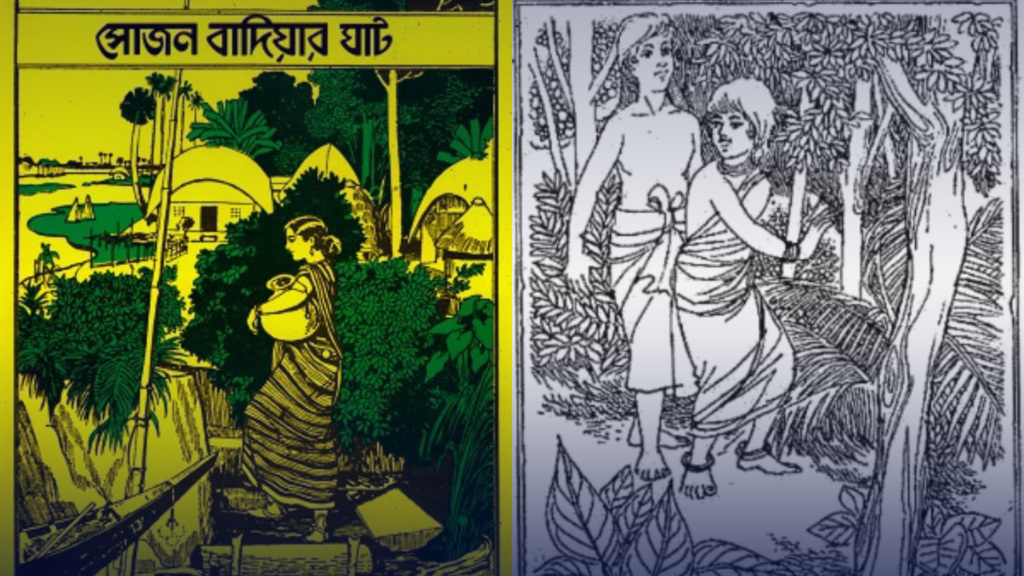
Love That Exists Without Declaration
At its center are Sojan and Duli. A Muslim boy and a Hindu girl whose relationship begins in childhood and evolves without a clear definition. There is no formal transition from friendship to love. No single moment that signals change. The bond deepens quietly, almost incidentally, as if it were an inevitable extension of shared time.
This approach challenges conventional storytelling. Most romantic narratives rely on articulation. Confessions, confrontations, or decisive actions. Here, none of that happens. The relationship remains unspoken, and yet unmistakable.
That silence is not a gap. It is the core of the story.
The absence of explicit expression forces attention toward nuance. A glance, a pause, a routine interaction carries more meaning than a direct statement ever could. This makes the emotional experience more demanding, but also more rewarding.
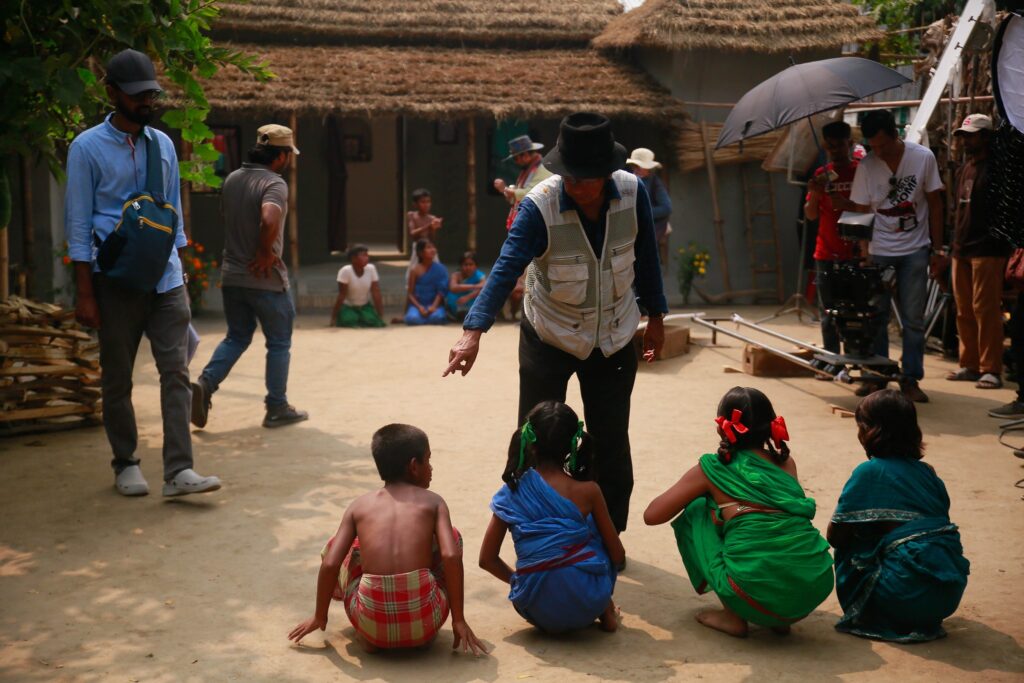
Society as an Invisible Force
What ultimately defines the story is not the relationship itself, but the environment in which it exists. The divide between Sojan and Duli is not enforced by a single character or event. It is embedded in the structure of their world.
Religion, community expectations, and inherited boundaries operate quietly but effectively. There is no need for dramatic opposition. The system sustains itself.
This makes the conflict feel inevitable. Not because it is predetermined in a narrative sense, but because it reflects a reality that extends beyond the text. The story does not exaggerate social tension. It presents it as ordinary.
That ordinariness is unsettling. It suggests that the tragedy is not exceptional. It is routine.
Simplicity as a Deliberate Choice
In the broader context of Bengali literature, Sojan Badiyar Ghat stands apart for its stylistic choices. While writers like Rabindranath Tagore often employ layered symbolism and philosophical depth, Jasim Uddin takes a more direct route.
The language is accessible. The imagery is grounded. The narrative avoids abstraction.
This simplicity should not be mistaken for a lack of depth. It is a calculated decision that shifts focus from interpretation to recognition. The reader does not need to decode meaning. The meaning is already present in the situation itself.
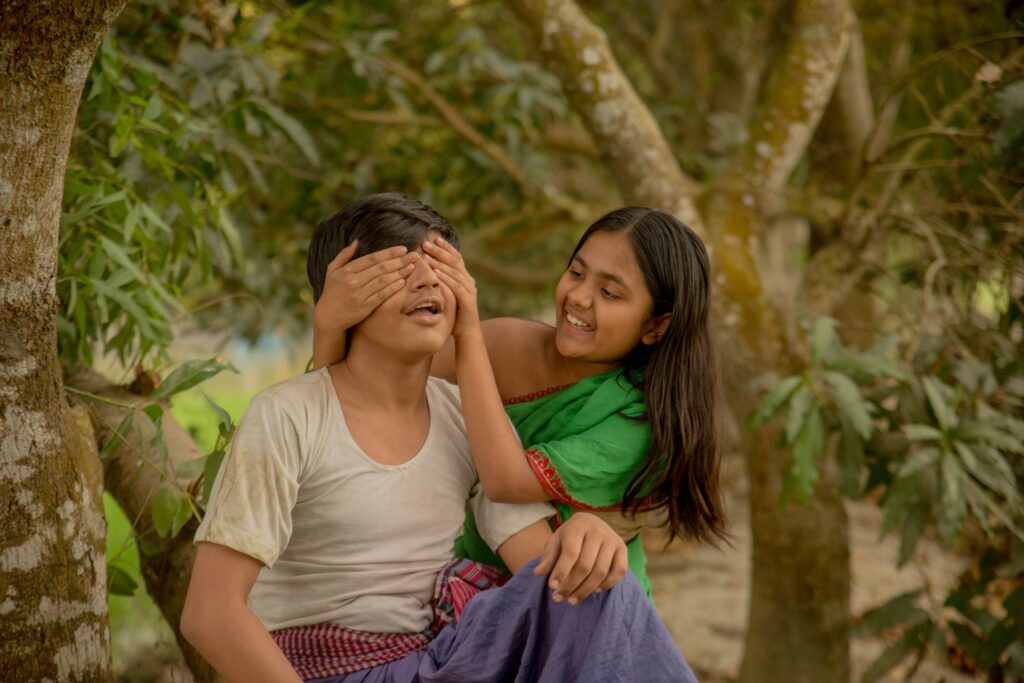
This approach also aligns with Jasim Uddin’s broader literary identity. His work consistently engages with rural life, not as an outsider observing it, but as someone documenting it from within. That perspective gives Sojan Badiyar Ghat a sense of authenticity that is difficult to replicate.
The Function of Silence and Absence
Silence plays a structural role in the text. It is not just a stylistic feature, but a narrative device. Key emotions are implied rather than stated. Important developments occur without explicit acknowledgment.
This creates a reading experience that depends on attention. The story does not guide the reader toward specific conclusions. It provides fragments and allows connections to form organically.
The lack of resolution is another significant aspect. There is no clear ending that resolves the central tension. The divide remains, and the story concludes without attempting to reconcile it.
This absence of closure reinforces the realism of the narrative. Life does not always provide resolution, and neither does this text.
A Story That Moves Across Mediums
One of the most compelling aspects of Sojan Badiyar Ghat is its adaptability. Over the years, it has been reinterpreted in multiple forms, including stage plays, televised dramas, and numerous independent productions.
Theatre, in particular, has played a crucial role in sustaining the story’s relevance. A notable stage production in Chittagong drew significant attention for its ability to translate the emotional restraint of the original into performance. Audiences responded not to spectacle, but to familiarity.
This pattern continues in digital spaces. Short dramas and adaptations available on YouTube demonstrate how the story can be reshaped for contemporary audiences. Some versions remain faithful to the original tone, while others experiment with pacing and emphasis.
These variations highlight an important point. The story does not depend on a single form. It can be retold, reinterpreted, and relocated without losing its core.
At the same time, not all adaptations succeed equally. The challenge lies in maintaining subtlety. When a narrative built on silence is translated into a medium that favors expression, there is always a risk of excess.
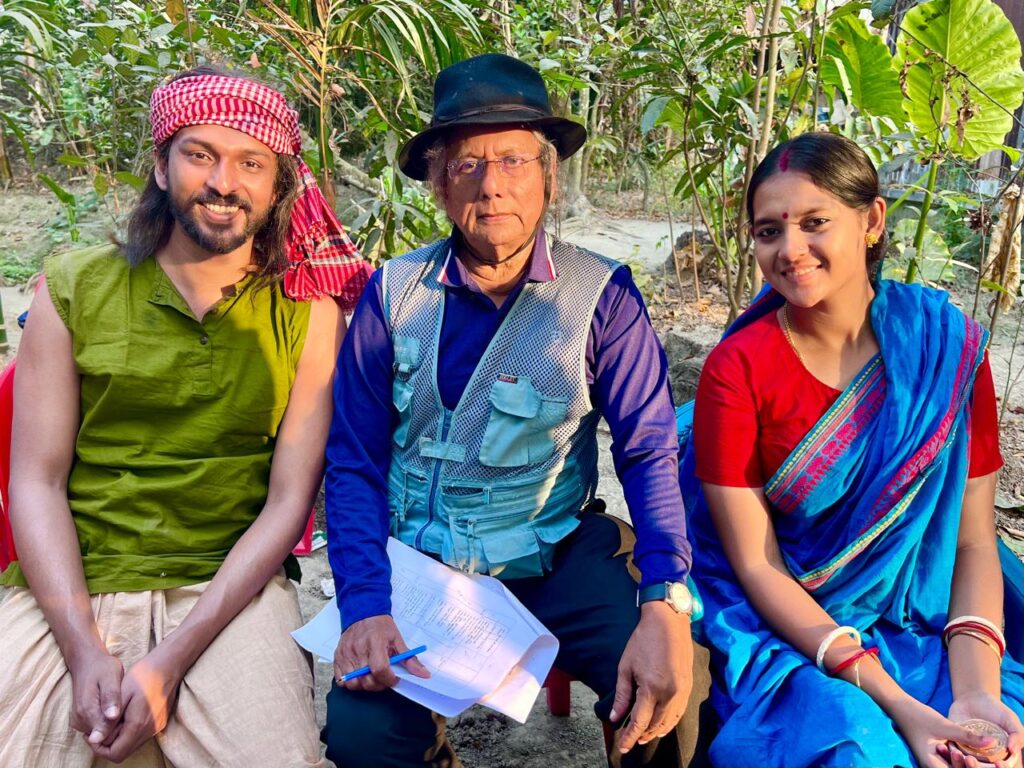
The Cinematic Challenge: Tanvir Mokammel’s Adaptation
The upcoming film adaptation by Tanvir Mokammel introduces a new dimension to this ongoing process of reinterpretation.
Mokammel’s work is known for its engagement with history, identity, and social structure. This makes him a fitting choice for adapting Sojan Badiyar Ghat. His filmmaking style suggests an ability to handle complex themes without resorting to simplification.
However, the transition from text to film presents specific challenges.
The original work relies heavily on internal rhythm and understated emotion. Cinema, by contrast, often requires externalization. Visual cues, sound design, and performance must carry meaning that the text leaves implicit.
The key question is how much to reveal.
Too much emphasis could undermine the subtlety of the original. Too little could result in a film that feels distant or incomplete. The balance between fidelity and interpretation will determine the success of the adaptation.
At the same time, film offers possibilities that the text does not. Environmental detail, physical presence, and visual composition can add layers of meaning. If used carefully, these elements could enhance the narrative without altering its essence.
Anticipation Rooted in Responsibility
The anticipation surrounding this adaptation is distinct from typical film releases. It is not driven by commercial expectations or promotional campaigns. Instead, it is shaped by cultural awareness.
Sojan Badiyar Ghat is not just a literary work. It is a reference point. For many, it represents a particular vision of society, one that is both specific and broadly recognizable.
Adapting such a work carries responsibility. The film will not only interpret the story, but also influence how it is understood by new audiences. For viewers encountering the narrative for the first time, the adaptation may become the primary version.
This raises the stakes. The film is not just an addition to the story’s history. It is a potential redefinition.
Why the Story Endures
The continued relevance of Sojan Badiyar Ghat lies in its refusal to provide easy answers. It does not resolve its central conflict. It does not offer a model for change. It simply presents a situation and allows it to exist in its full complexity.
This approach invites reflection rather than reaction. The reader is not told what to think. The narrative creates conditions for thought.
The themes remain current. Social division, identity, and the tension between personal experience and collective expectation continue to shape human relationships. The setting may belong to a different time, but the dynamics have not disappeared.
A Work That Continues to Evolve
Each adaptation, whether on stage, screen, or digital platform, adds a new layer to Sojan Badiyar Ghat. Some interpretations emphasize its romantic elements. Others focus on its social critique. None can fully contain it.
That inability to be fully contained is what keeps the work alive.
As Tanvir Mokammel’s film moves toward completion, the story enters another phase of its existence. Not as a fixed text, but as an evolving narrative that continues to find new forms.
The real measure of success will not be accuracy, but resonance. If the film can recreate the sense of quiet inevitability that defines the original, it will extend the life of the story rather than simply retell it.
And if it fails, the text will remain. Unchanged, unresolved, and still waiting to be rediscovered.