


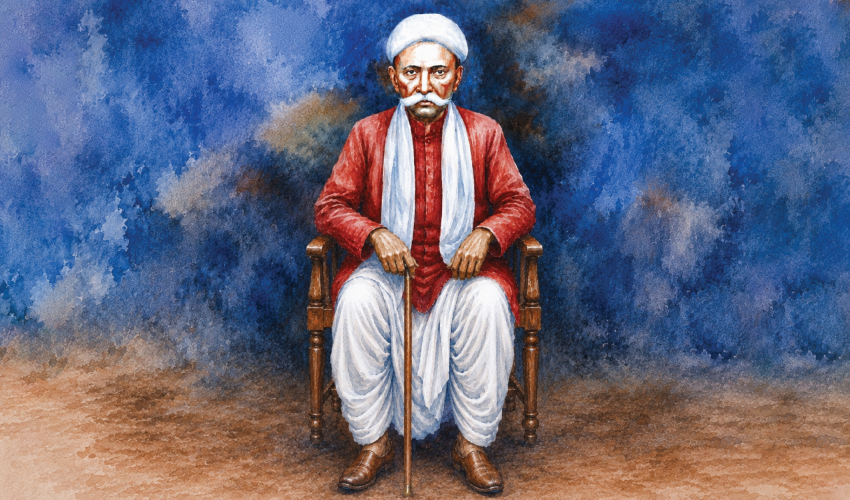
To sit with Hason Raja’s songs is to notice how little they care for polish and how much they care for truth. That is a big part of their staying power. They do not arrive as literary showpieces. They arrive like direct speech from someone who has already argued with vanity, pleasure, God, the self, and the temporary business of owning things.
By Ayman Anika
More than a century later, songs of Hason Raja still feel oddly current because they keep circling the same uncomfortable question: what exactly are we building our lives around?
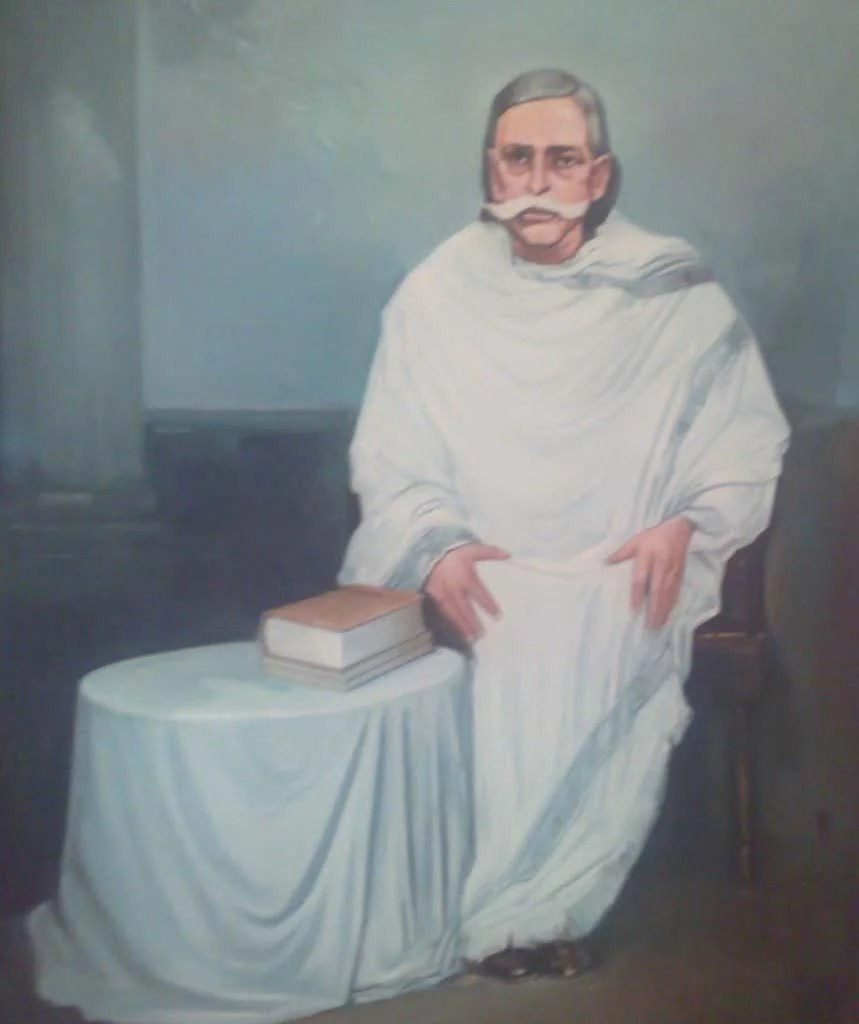
Hason Raja, also written as Hasan Raja in some reference works, was born in 1854 in the Sylhet region and died in 1922. He came from a zamindar family, inherited large estates at a young age, had no formal education, and later became known as a mystic devotee and composer whose songs reached far beyond his own region. Banglapedia describes a marked turn in his outlook with age, noting that under Sufi influence, he moved toward spiritualism and began composing the songs for which he is remembered.
That biography matters because his songs do not sound like the work of someone speaking from inherited innocence. They sound like the work of someone who knew privilege from the inside and still ended up suspicious of it. One of his best-known songs, “Loke Bole Bole Re, Ghor Bari Bhalo Noy Amar,” has survived partly because it says something devastatingly simple. People talk about houses, status, property, the visible signs of life going well.
Hason Raja cuts across that by asking what “house” he can truly build in the emptiness ahead. The line is memorable not because it is mysterious, but because it is plain. It takes a familiar social obsession and exposes its expiry date.
More than a century later, songs of Hason Raja still feel oddly current because they keep circling the same uncomfortable question: what exactly are we building our lives around?
Songs That Think, Not Just Sing
A lot of devotional music offers comfort first and thought second. Hason Raja often reverses that order. His songs are musical, of course, but they are also philosophical arguments disguised as folk lyrics.
Banglapedia notes that the main themes in his collection Hasan Udas include devotion to God, the relationship between creator and creation, the frailty of human life, the transience of worldly existence, helplessness, self-surrender, and regret over failing properly in worship and meditation. That is a large thematic field, but the songs usually handle it in everyday language rather than abstract sermonizing.
This may be why they continue to travel so well. You do not need a formal grounding in theology to feel what he is doing. He keeps bringing huge questions down to the scale of ordinary speech. Who am I? What remains? What is illusion? What is attachment doing to me? These are old questions, but Hason Raja does not package them as old wisdom. He makes them sound like a man thinking out loud because he can no longer avoid the problem.
One of his best-known songs, “Loke Bole Bole Re; Ghor Bari Bhalo Noy Amar,” has survived partly because it says something devastatingly simple.
The Sylheti Voice as a Strength
Another reason the songs endure is their language. Hason Raja wrote in the regional dialect of Sylhet, and his songs circulated orally before being collected in print. Banglapedia specifically points to the lucid style of spiritual expression in easy language as a reason for their popularity among common people.
This is important. His songs are not powerful despite their local speech. They are powerful because of it. The dialect carries weather, rhythm, humor, and intimacy that would be flattened in more standardized language.
That local quality also helps explain why the songs feel grounded even when their themes are metaphysical. The music is not floating in abstraction. It stays tied to place, body, and voice. Hason Raja can speak of the eternal and still sound like someone from a courtyard, a riverside, a gathering of listeners who know the difference between performance and confession.
Why the Songs Still Matter
The easiest mistake with Hason Raja is to turn him into a heritage object, something respected, commemorated, and then safely parked in the past.
However, the songs resist that treatment. They keep returning to problems that have not gone away. Status still seduces. Property still flatters the ego. Public identity still distracts from inner emptiness. The performance of success is still easier than the work of self-knowledge.
That is why musing on Hason Raja’s songs can feel less like studying a classic and more like being interrupted by one. He does not offer a polished life philosophy ready for quoting at festivals. He offers disturbance. He reminds listeners that worldly certainty is fragile, that language can be simple without being shallow, and that music can carry serious thought without becoming stiff. His first major song collection, Hasan Udas, gathered 206 songs, and that title itself feels apt. “Udas” suggests a cast of mind that is detached, restless, and not fully at home in worldly arrangements. It is hard to think of a better summary for the mood that runs through his work.
In the end, Hason Raja’s songs do not ask to be admired from a distance. They ask to be lived with. That is harder and much more interesting.
The easiest mistake with Hason Raja is to turn him into a heritage object, something respected, commemorated, and then safely parked in the past. But his songs do not ask to be admired from a distance. They ask to be lived with.