



By MWB Desk
Every building begins as a quiet idea or line on paper, and its true life develops through footsteps, sunlight, and memories. In that sense, an architect’s legacy extends beyond bricks, lasting in ideas, classrooms, conversations, and curiosity passed through generations.
This enduring legacy took centre stage at the official launch of Shamsul Wares: An Architecture of Elemental Modernism, a compelling new monograph dedicated to the celebrated Bangladeshi architect and educator, Professor Shamsul Wares.
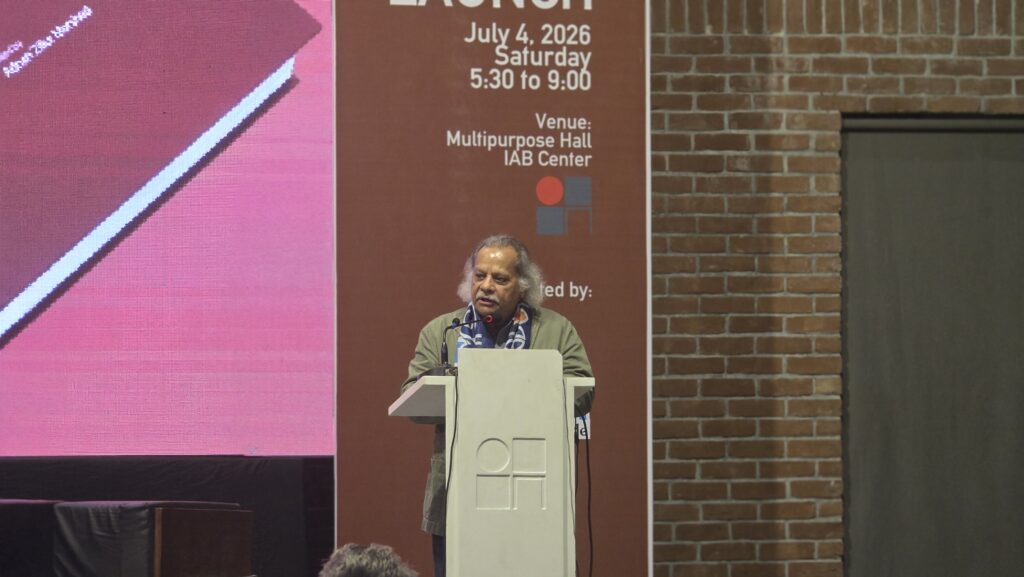
The book was unveiled on the evening of 4 July 2026 at the Multipurpose Hall of the Institute of Architects Bangladesh, or IAB Centre, in Dhaka. The gathering brought together architects, academics, students and admirers, each drawn by a shared respect for a figure who has quietly but profoundly shaped the architectural landscape of Bangladesh.
The evening opened with a welcome address by Ar. Prof. Dr Abu Sayeed M Ahmed, president of the Institute of Architects Bangladesh. His presence underscored the significance of the occasion, bridging the past, present and future of architectural practice in the country.
But this was more than a ceremonial book launch. It was, in many ways, an act of preservation. In Bangladesh, countless architects have left their mark on cities and communities, yet their intellectual journeys often remain undocumented. Buildings endure, but the ideas behind them, the debates, the experiments and the philosophies can fade with time.
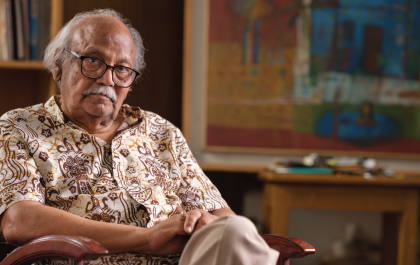
Prof Shamsul Wares has spent decades shaping both spaces and minds. Now, with Shamsul Wares: An Architecture of Elemental Modernism, his legacy finds a new form, one that can be held, studied and carried forward.
Shamsul Wares: An Architecture of Elemental Modernism seeks to capture that intangible dimension. It gathers the architectural vision of Prof Wares, professional practice and educational influence into a thoughtfully curated volume that invites readers to look deeper.
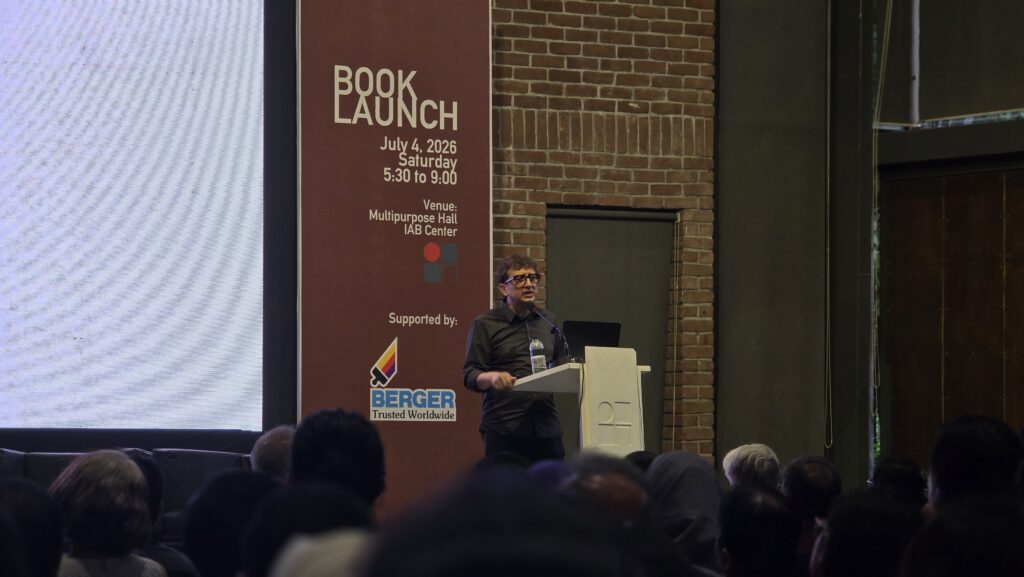
Edited by Prof Adnan Zillur Morshed and published by ORO Editions, the 328-page hardback situates Prof Wares within the broader narrative of modern architecture while remaining rooted in the social and cultural realities of Bangladesh.
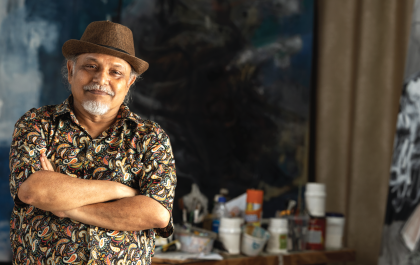
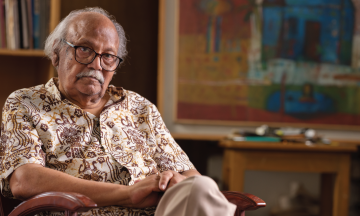
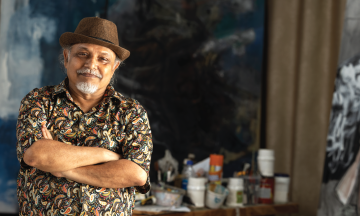
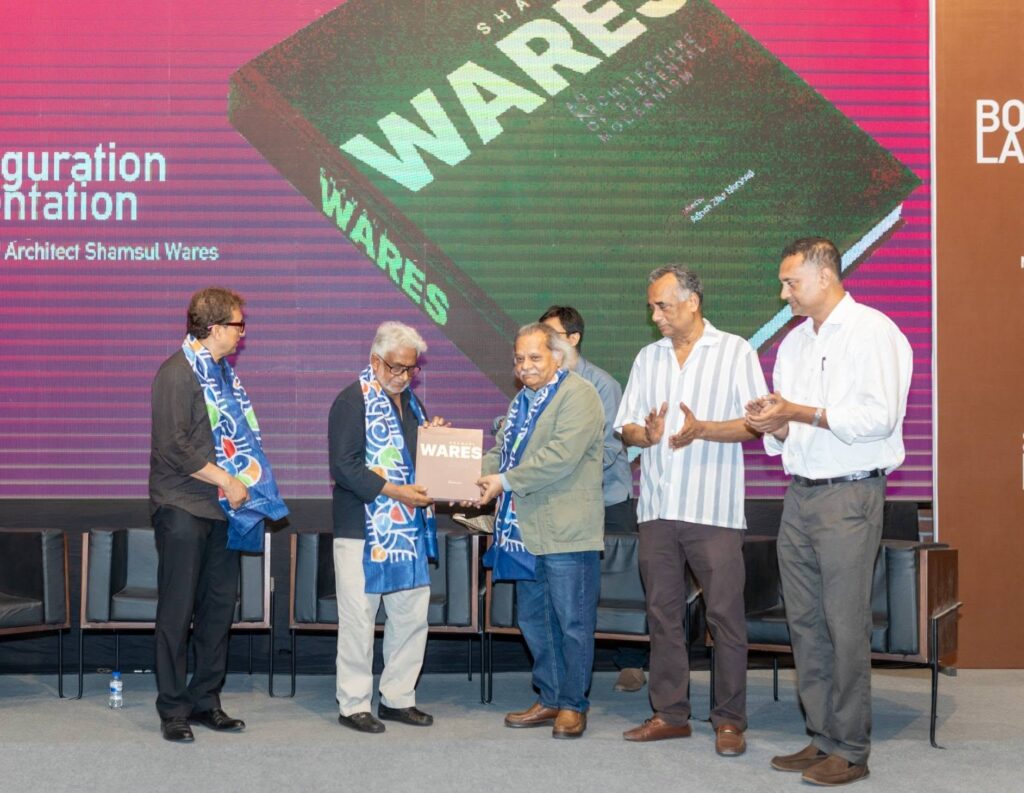
Internationally renowned artist Monirul Islam and Prof Shamsul Wares then jointly unveiled the book, bringing together two distinguished figures from Bangladesh’s creative landscape for the defining moment of the evening.
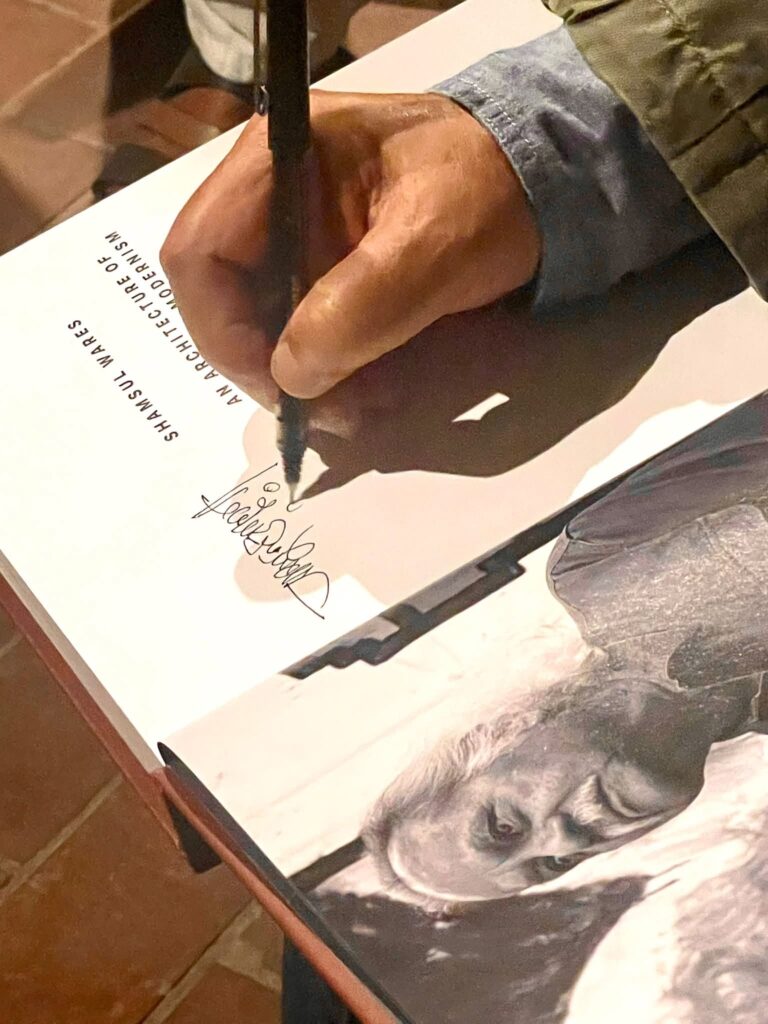
The phrase “elemental modernism” offers a poetic yet precise lens through which to understand Prof Wares’s work. It points to an architecture grounded in essentials: proportion, geometry, structure, light and human experience. In this approach, simplicity is not a limitation but a discipline.
Here, a wall is more than a divider; it frames light and shadow. A corridor becomes a narrative of movement. A courtyard transforms into a space of gathering and reflection. Rather than relying on ornament, this architecture speaks through clarity and intention.
Prof Wares’s contribution, therefore, cannot be measured solely by the buildings he has designed. His true impact lies equally in the minds he has shaped. As an educator, he has encouraged generations of architects to question, observe and think critically about their role in society.
His influence emerged during a pivotal era in Bangladesh’s history. In the years following independence, architects faced the challenge of defining a modern identity while balancing rapid urbanisation, limited resources, cultural heritage and global influences. Within this dynamic context, Prof Wares helped position architecture as both an intellectual pursuit and a cultural expression.
Through his teaching, he urged students to look beyond surface aesthetics and engage with deeper questions: How does a space feel? Who does it serve? What stories does it tell?
The monograph brings these questions to life. Through essays, drawings and photographs, it allows readers to explore not just what Prof Wares built, but also how he thought.
Such documentation is invaluable. Architecture is inherently fragile. Buildings change, drawings are lost, and memories blur. Without careful preservation, even the most influential body of work can dissolve into fragments.
A book like this offers permanence. It creates a space where ideas can be revisited, debated and reinterpreted. It connects local narratives to global conversations, introducing international audiences to a vital chapter of Bangladeshi modernism.
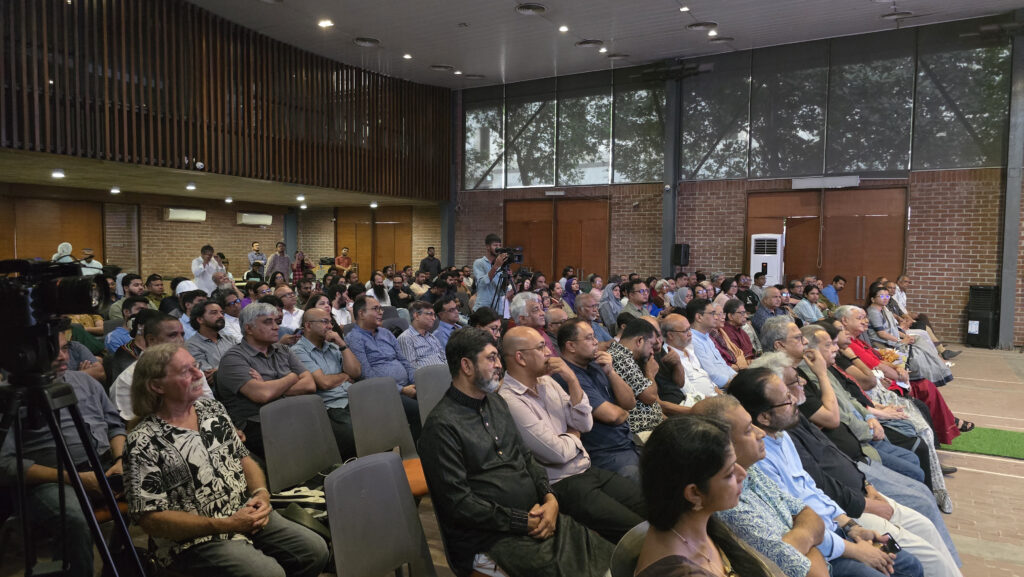
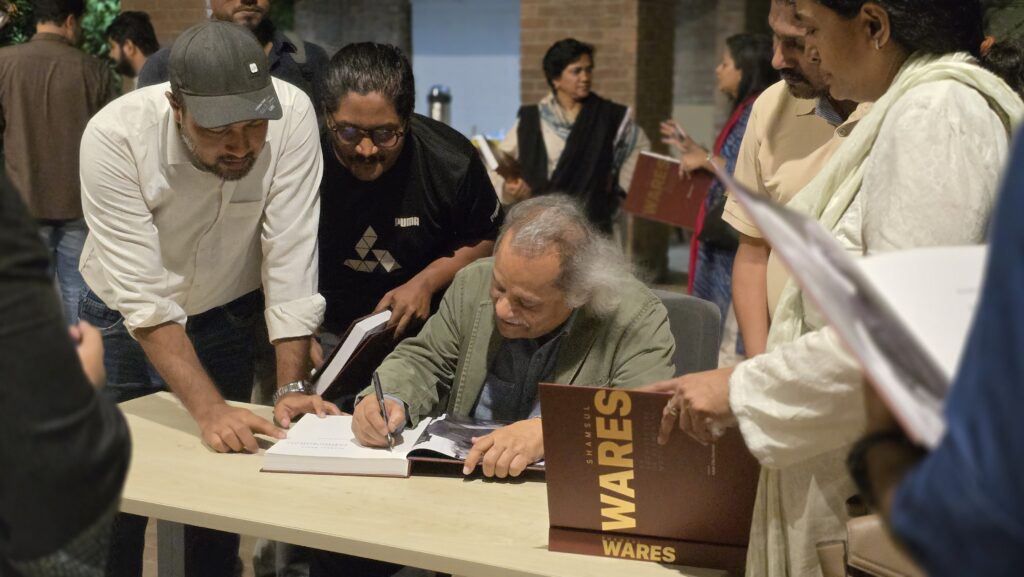
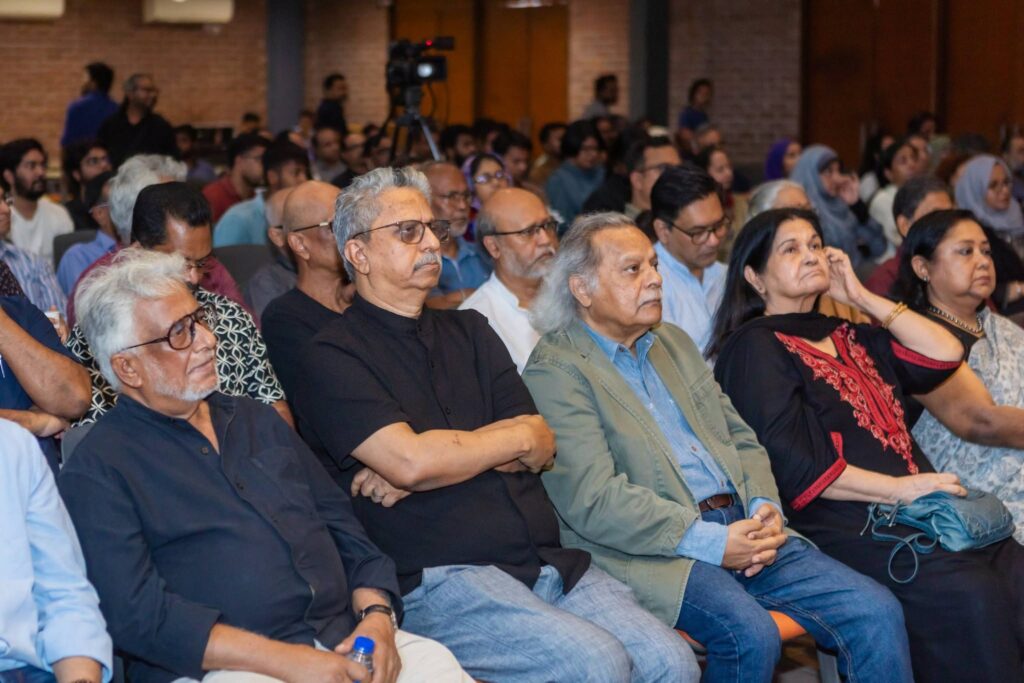
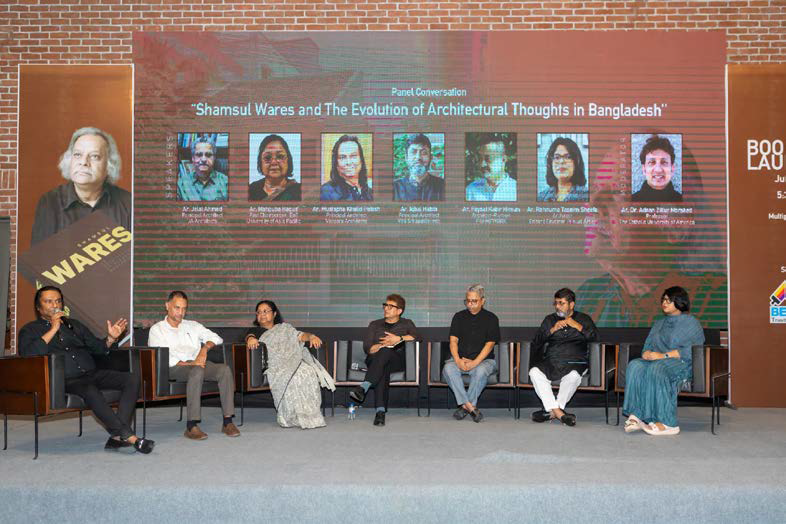
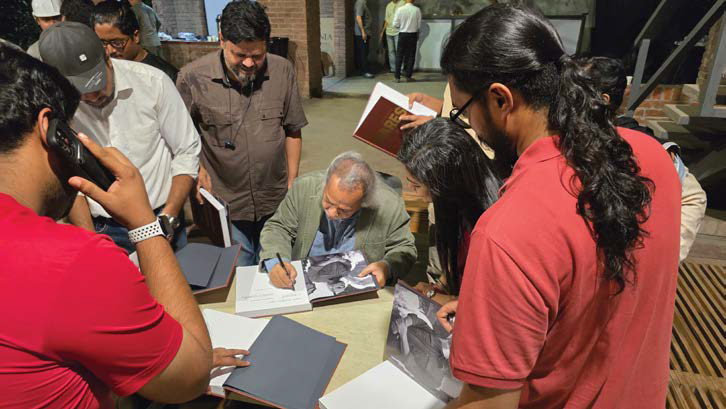
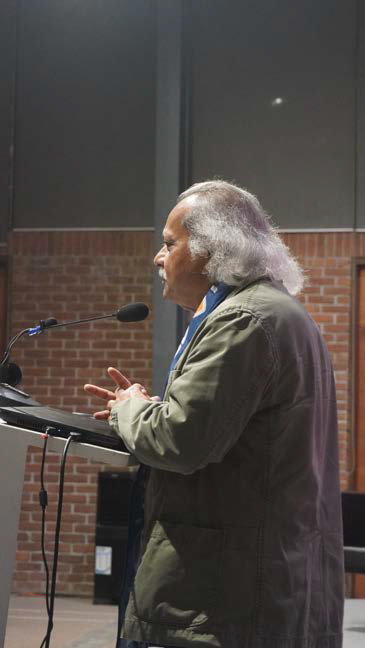
The choice of the IAB Centre as the venue added symbolic depth to the event. As the professional home of architects in Bangladesh, it represents collective growth and shared responsibility. Hosting the launch there linked Prof Wares’ personal journey to the broader evolution of the profession.
The formal unveiling followed an engaging discussion and question-and-answer session, allowing members of the audience to reflect on Prof Wares’s work and engage with the ideas explored in the publication.
After the unveiling, Prof Wares addressed those present and expressed his feelings and profound gratitude. The moment added a deeply personal dimension to an occasion otherwise centred on scholarship, architecture and professional history. Behind the carefully documented career and critical analysis stood the architect himself, acknowledging the colleagues, students, friends and admirers who had gathered to celebrate his journey.
By the evening’s end, the book had come to represent something larger than a single career. It stood as a testament to the importance of remembering, recording and reflecting.
Prof Shamsul Wares has spent decades shaping both spaces and minds. His buildings have contributed to the country’s modern identity, while his teaching has influenced how architects think, question and create.
Now, with Shamsul Wares: An Architecture of Elemental Modernism, his legacy finds a new form, one that can be held, studied and carried forward. It is no longer confined to structures alone, but lives on in pages that invite future architects to imagine, learn and build anew.
Photographed By : Azmain Bin Islam Mugdho