


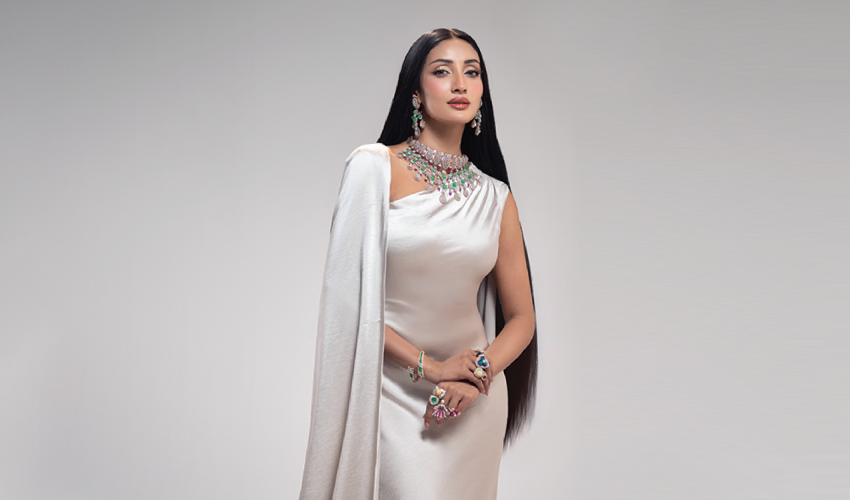
Tangia Zaman Methila’s journey resists neat categorisation. She is not only a pageant titleholder, but also a seasoned model and actor. Her public life has been shaped by long stretches of preparation, interruption, and return. From leaving a district town at a young age to pursue education and independence, to navigating national and international stages with patience rather than haste, her story is rooted in persistence more than spectacle.
By Ayman Anika
Crowned Miss Universe Bangladesh in 2020, Methila did not immediately step onto the global stage. Instead, she waited, observed, trained, and returned years later with greater clarity and discipline. That return culminated in a Top 30 placement at Miss Universe 2025, a milestone not just for her, but for Bangladesh. At the same time, Methila is carefully expanding her creative and professional footprint, particularly in cinema. Her screen work includes Rohingya – People from Nowhere (2021) and Thursday Night (2025).
In this conversation with MWB, Tangia Zaman Methila reflects on her journey so far, the lessons shaped by time and discipline, and the plans she is building for the future.
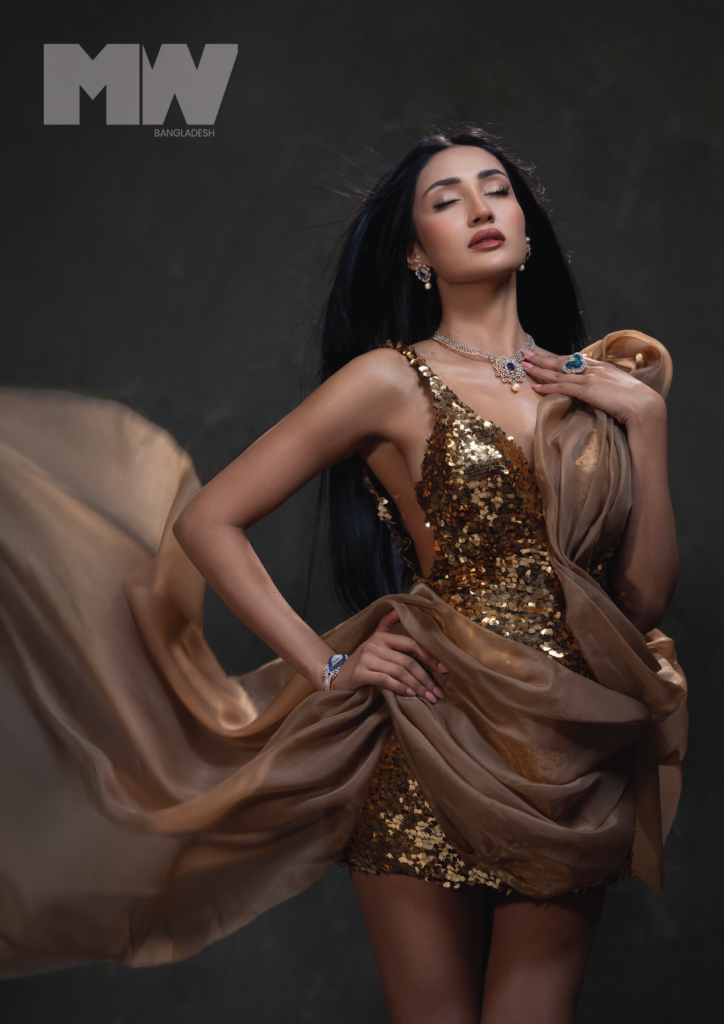
What did your childhood environment look like? Did you grow up in a culturally inclined or creatively expressive family?
I grew up in Magura, a district in the Khulna division. It’s a district town, and I was born into a fairly stable and supportive family. My childhood environment was quite good. I grew up with my parents and siblings in what I would call a very normal household. There was no broken family situation or instability.
What really shaped me, though, was my father. When I was little, he was very much a dreamer. He never believed that girls should be confined to the house or that girls could not wear what boys wear. In district towns, there is often a lot of restriction around these things, especially for girls. But my father was never like that. He always supported my freedom. I used to wear my brothers’ clothes, shirts, pants, western clothes, and no one made an issue out of it.
My father was involved in a brickfield business and also a transport business. Because of that, he travelled a lot to places like Dhaka, Jessore, and Khulna. Whenever he went, he would bring back clothes and things for me from different places. That exposure mattered, even in small ways.
My elder sister was also quite unconventional for that environment. She used to ride a bike, which was not very common for women in district towns at the time. So in many ways, our family was a bit chaotic in a good sense. Everyone did what they wanted to do, and there was space to be oneself. I grew up in that kind of open, supportive environment, and I think that freedom shaped who I am today.
What really shaped me, though, was my father. He was very much a dreamer
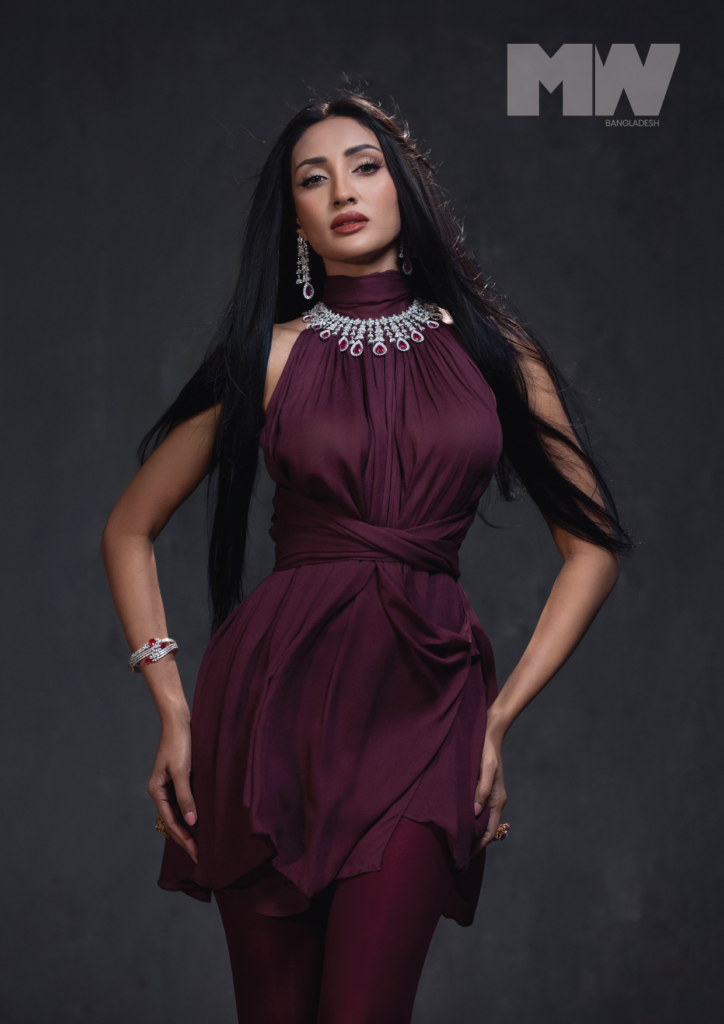
How did your father’s “dreamer” personality influence your upbringing and your views on gender roles?
I am the youngest in my family. I have two brothers and two sisters, and my cousins were always around as well. Growing up with all of them meant that I was constantly surrounded by movement and play. Sports were a big part of my childhood.
We played football, and I was always running around, climbing trees, jumping into water. I learned to swim early, learned to ride a cycle, then a bike, and eventually learned how to drive. Today, I even drive a sports car. All of these things feel very natural to me because they were built into my life from childhood.
It was a very fearless childhood. Looking back now, I realise how rare that freedom was, especially for a girl. My childhood was exactly how a child’s life should be: full of play, curiosity, and no constant worrying about restrictions.
Of course, my parents saw things differently at times. My mother worried in the way most mothers do. She was afraid that if I fell while cycling or playing too much, I might get hurt, get scratched, and later people would talk. She worried about beauty, marriage, and social judgment. That concern is very common, especially in our society.
My father, on the other hand, thought very differently. His attitude was simple. He would say, “She’s a girl, so what? Let her do what she wants. Let her decide what she wants to do.” He never believed that being a girl meant being limited. Because of him, I never grew up thinking that certain activities were only for boys. I never felt that I had to hold myself back because of my gender.
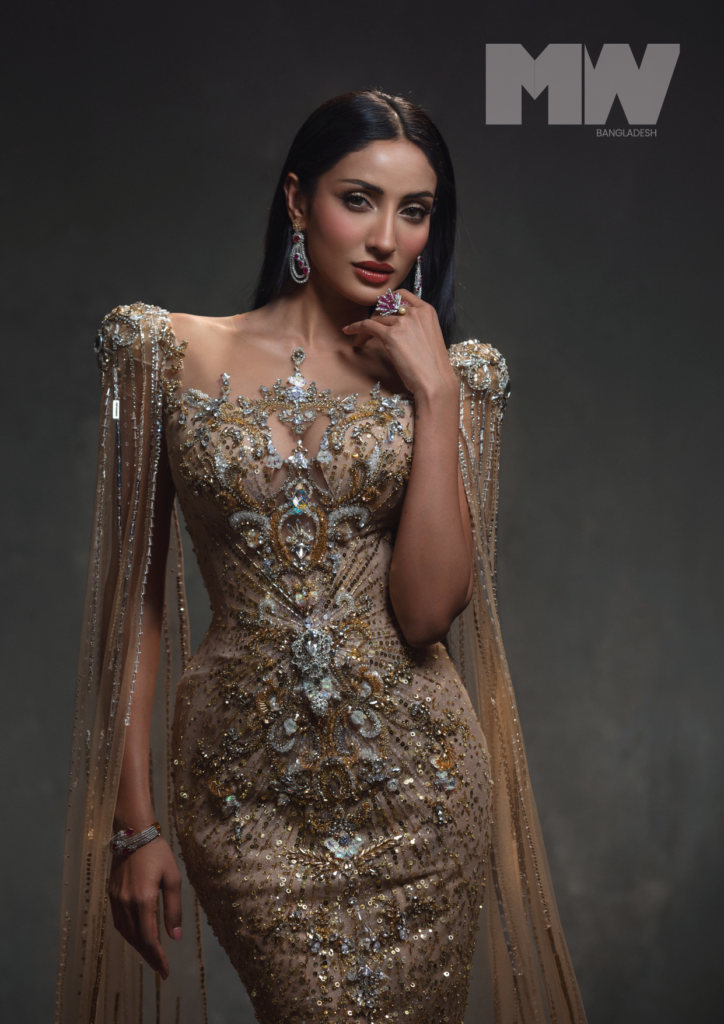
That mindset shaped me deeply. It gave me confidence in my body, in my abilities, and in my choices. My father’s dreamer personality allowed me to grow up seeing freedom as normal, not something to fight for later. And I think that has influenced how I see gender roles even today.
My childhood was exactly how a child’s life should be: full of play, curiosity, and no constant worrying about restrictions
When you first stepped into the modelling world, what were the biggest challenges you faced that people often overlook today?
I came to Dhaka from a small district town, Magura, at a time when my life had already changed dramatically. My father had passed away, and after that, everything felt different. In district towns, when a girl grows up, especially if people consider her beautiful, the first reaction is fear.
Fear of harassment, fear of accidents, fear of what society will say. Girls are often seen as a burden. Many families believe the safest solution is marriage, that once a girl is married, the husband will “take responsibility” and society will stop talking.
My brothers wanted me to get married after my father’s death. That pressure was very real. There are financial worries, social judgment, neighbors watching, and constant anxiety about a girl’s safety. These realities exist even more strongly in district towns and villages. In that situation, my mother stood by me. I told her I wanted to finish my studies, because my father had always wanted that for me. She believed in that dream too.
So, I came to Dhaka with her permission. In fact, I left at night. My brothers didn’t know at the time, but my mother did. I remember bringing almost nine suitcases with me from Magura. Initially, I stayed with my elder sister in Dhaka. I was with her for about six months, and then I moved out to live with friends in Dhanmondi, close to my university. I wanted to understand the city on my own and learn how to survive here.
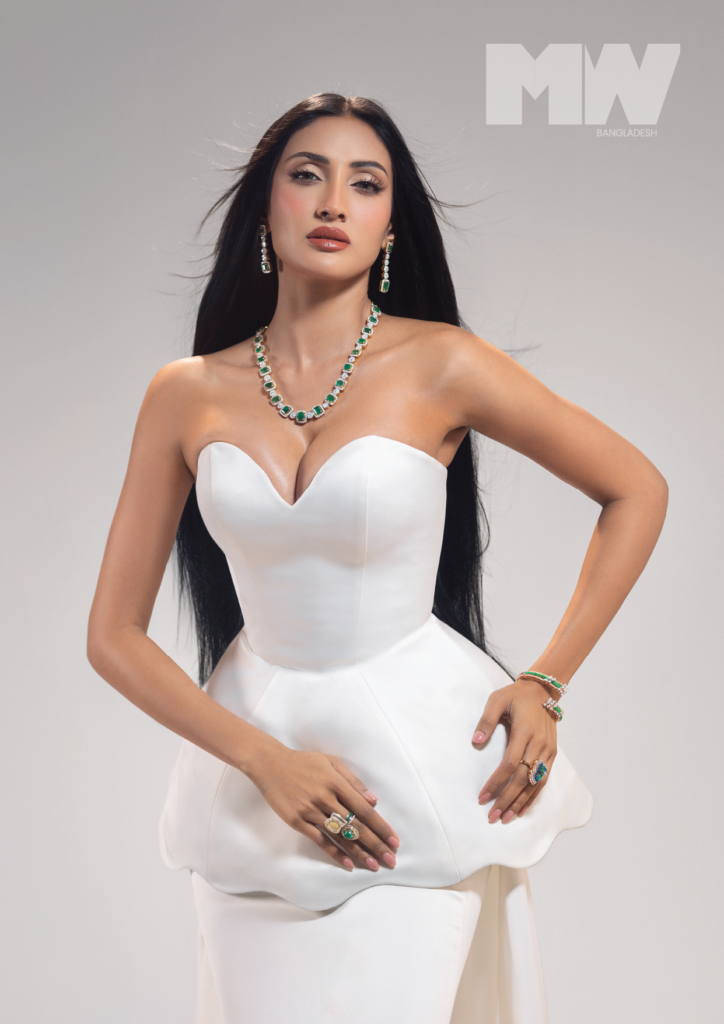
When I entered the modelling industry as a university student, I also had to unlearn many misconceptions. I strongly believe that we are not born perfect. What matters is what you become and how badly you want it. Where you come from or what you lack is not as important as where you want to go. I believe in energy. If you want something deeply enough, your soul aligns with it. I truly felt that energy within me.
I remember seeing Lux billboards at the time. I didn’t specifically dream of Lux, but I wanted to see myself on big billboards. That desire stayed with me. At the same time, there were personal emotions involved, too. I wanted to be successful. I wanted to prove something to myself.
But I quickly understood that modelling is not about being beautiful, tall, or thin. Half of our population is female. Among millions of girls, getting an opportunity to be recognized as a model is not something that happens casually. You cannot succeed just by thinking, “I look good, so I will go.” That mindset doesn’t work.
I did a lot of research. Through a model friend, I learned about whom to approach and where to train. That’s how I found Mahmudul Hasan Mukul Bhai. I was told he was very tough. I actually liked that idea. I trained with him for three months, learning catwalk and discipline. He is an excellent groomer. If he finds someone at the right time, he can shape them, give them direction and confidence. He works from the soul, not just for money. I learned a lot from him, and I am an example of that journey.
After that, I worked in modelling and acting for many years. There were many ups and downs along the way. But those early struggles, leaving home, resisting pressure to marry, surviving alone in a city, and learning the craft properly, shaped everything I am today.
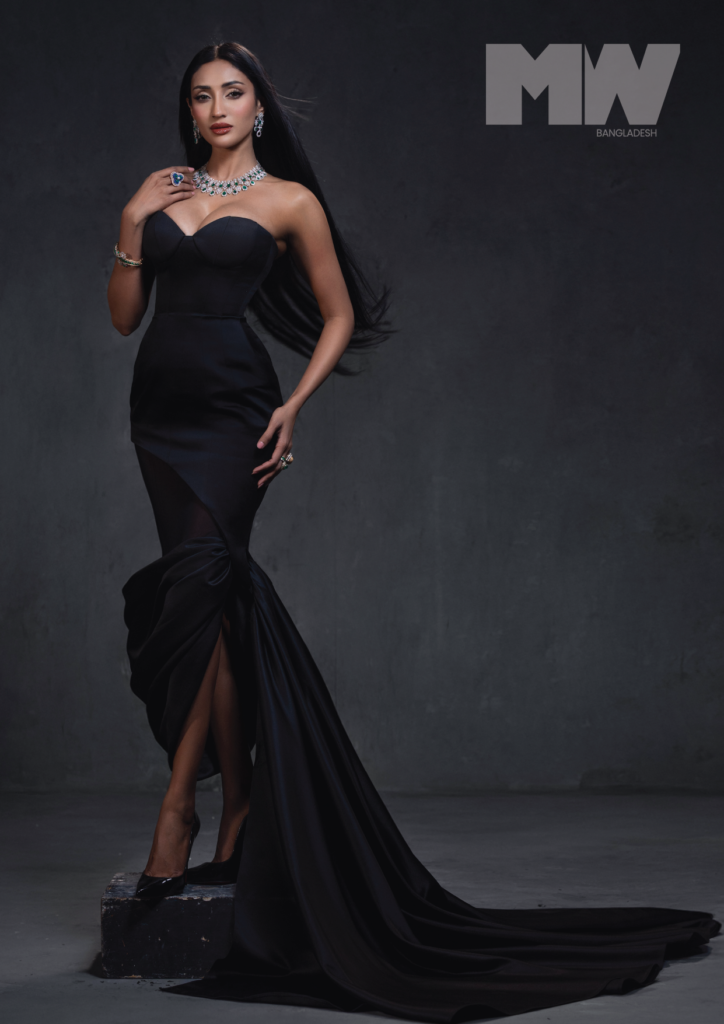
When you won Miss Universe Bangladesh 2020, what did that moment mean to you personally?
When I won Miss Universe Bangladesh in 2020, I truly felt like I was at my best. At that moment, I believed I was ready, even perfect in a way. But looking back now, I realise how different I was then. Five or six years ago, my level of maturity, the things I had seen, understood, and experienced in life, were not the same as they are today.
At that time, I thought I was my best version, but I don’t think I actually was. Now I feel that whatever did not happen then, happened for the best. If I had gone forward at that time, I probably would not have been as prepared. I would not have followed the right strategies or understood the platform as deeply as I do now.
In 2020, I was very emotional, and if I’m being honest, I was also a bit arrogant. Not arrogance in a negative sense, but more like overconfidence. I felt, “Yes, I’m the best. I can do this.” That kind of mindset comes from believing too strongly in yourself without enough perspective. This time, in 2025, the biggest difference was humility. I was calmer, more grounded, and more aware of my responsibilities.
So, for me, winning in 2020 was important, but it was also incomplete in a way. The journey between 2020 and 2025 taught me patience, perspective, and self-awareness. That growth is what made the later experience feel more meaningful, not just as a titleholder, but as a person.
This time, in 2025, the biggest difference was humility. I was calmer, more grounded, and more aware of my responsibilities
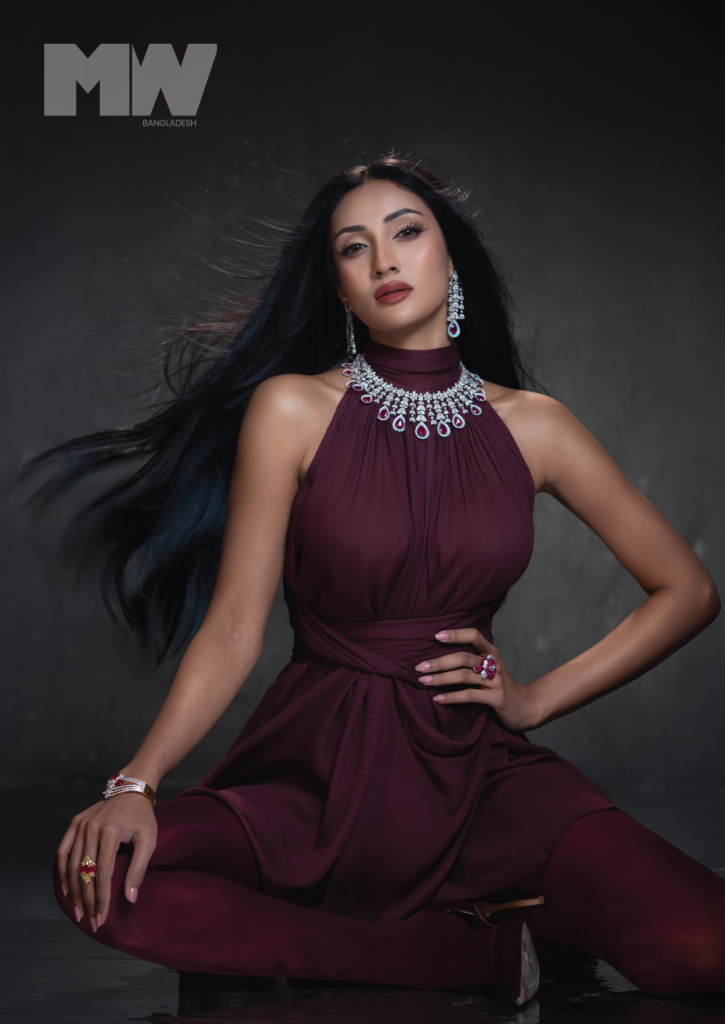
Placing in the Top 30 at Miss Universe 2025 was a significant milestone for Bangladesh. What do you think contributed most to that result?
When I became Miss Universe Bangladesh in 2020, I was not able to represent Bangladesh internationally for various reasons. That created a deep sense of regret inside me. I felt that I had not been able to fulfil my responsibility as a representative. But at the same time, I carried a strong belief that one day I would go. I did not know when, but I knew that I would.
Throughout my life, I have always moved step by step. My Miss Universe journey was part of that consistency. For five years, I waited. Many people told me it was enough, that I should move on or shift my focus elsewhere. But I stayed dedicated. I waited because I truly believed in this dream.
During those five years, I remained deeply involved with beauty pageants. I watched everything. Miss Universe, Miss World, Miss Grand, Miss Cosmo. I followed the winners closely and studied their strengths. I observed how they dressed, how they walked, how they spoke, how they carried themselves in public. Even when I was not physically preparing, I was preparing mentally. My mind was constantly absorbing information.
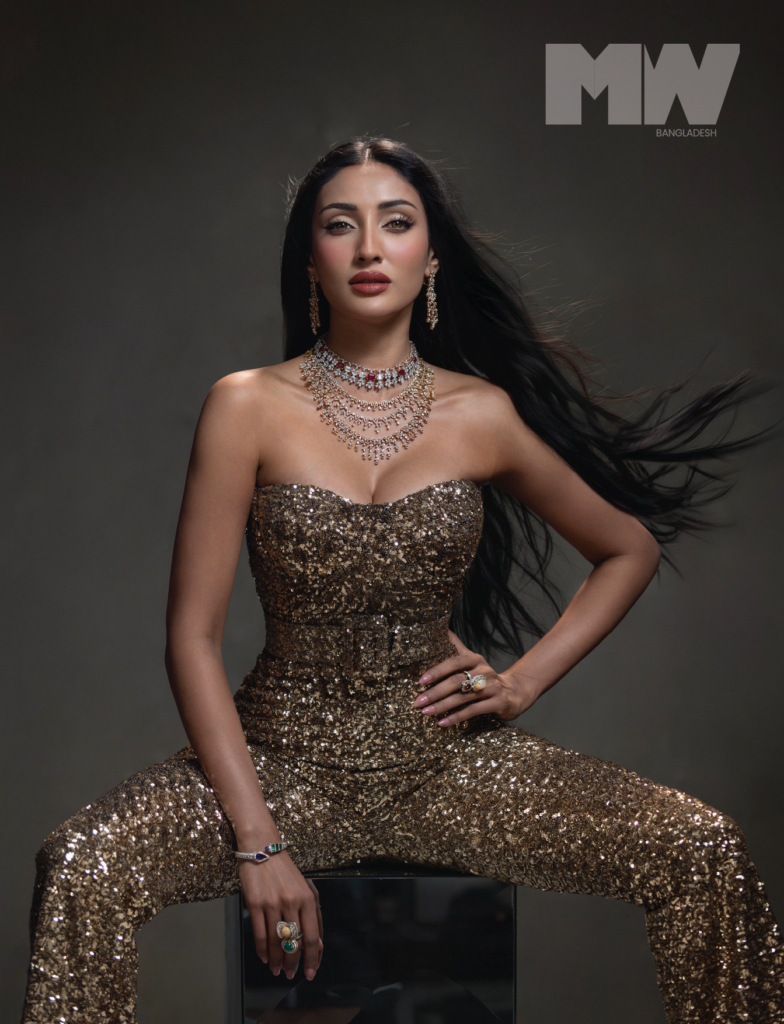
I learned about confidence training, communication, stage presence, and especially the difference between a modelling walk and a pageant walk. I also understood that pageantry is not just about one person. You are competing with over a hundred countries. There are politics, relationships, strategy, and visibility involved. It is a very complex space.
When I became Miss Universe Bangladesh again, I still did not know that this would be the year I would finally compete. Once the opportunity came, I only had about three months. In that short time, I focused intensely on my pasarela walk. I wanted proper international training, but due to Bangladeshi passport restrictions, I could not get visas for countries like the Philippines, Indonesia, or Vietnam.
So, I found another way. I went to Thailand, brought a coach from the Philippines there, arranged accommodation, and trained intensively. I was that committed. I did everything within my capacity to prepare myself.
I believe what contributed most to the Top 30 placement was not just preparation in those three months, but the five years of patience, observation, learning, and mental discipline that came before it. That consistency, combined with humility and strategy, is what finally allowed me to represent Bangladesh in a way I had always hoped to.
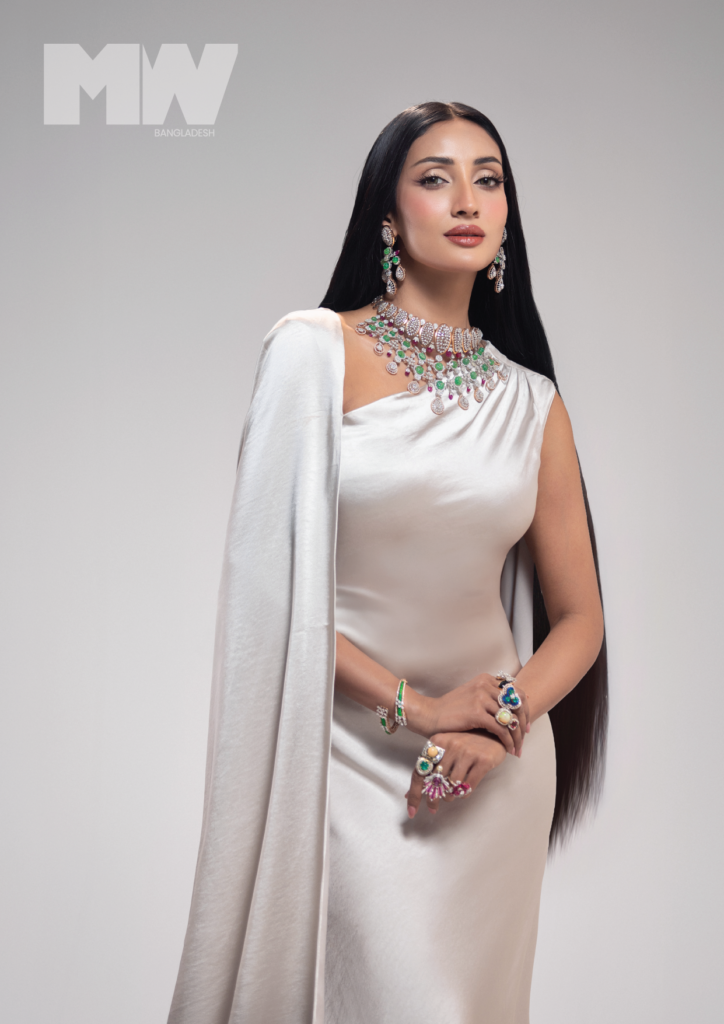
I did everything within my capacity to prepare myself. This is what, I believe, contributed the most to the Top 30 placement
During your pageant preparation, you shifted your routine to wake up at 4:00 AM. How did that discipline affect your performance?
Before going to Miss Universe, I trained for about two to three months, and one of the biggest changes I made was completely shifting my routine. Like most people from our generation, I was a night owl. That was my natural rhythm. But I knew that if I carried that habit into an international competition, it would work against me.
So, I trained my body deliberately. For almost two months, I went to sleep by 10:30 or 11 at night and woke up early, sometimes at 3 AM, sometimes at 4 or 5 AM. Every morning, I would walk for four hours. I did nearly four hours of cardio every single day for about two and a half months. That level of discipline was necessary.
The reason was simple. If you are used to waking up late, you cannot suddenly wake up early in a high-pressure environment and expect your body and mind to cooperate. You feel tired, sleepy, unfocused, and mentally scattered. I didn’t want that to happen when it mattered the most.
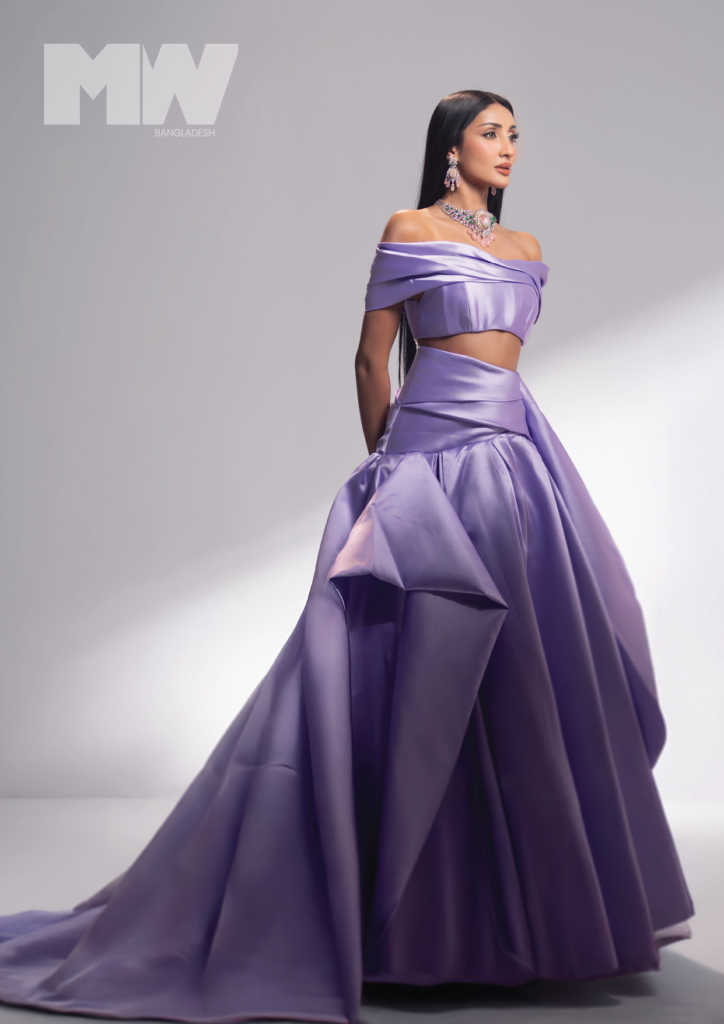
I wanted my body to already be trained for that schedule so I wouldn’t struggle there. I was competing with around 120 girls. Without full energy and clarity, you simply cannot compete. Everyone there was professional, confident, and prepared. And when you see all those women together in one space, you realise something important. Everyone is beautiful. It may not always translate on camera, but in person, the energy in that room is intense and overwhelming.
That routine helped me stay alert, focused, and physically strong throughout the competition. It wasn’t just about fitness. It was about mental readiness. Discipline gave me an edge, not because it made me different, but because it allowed me to perform at my best when it counted.
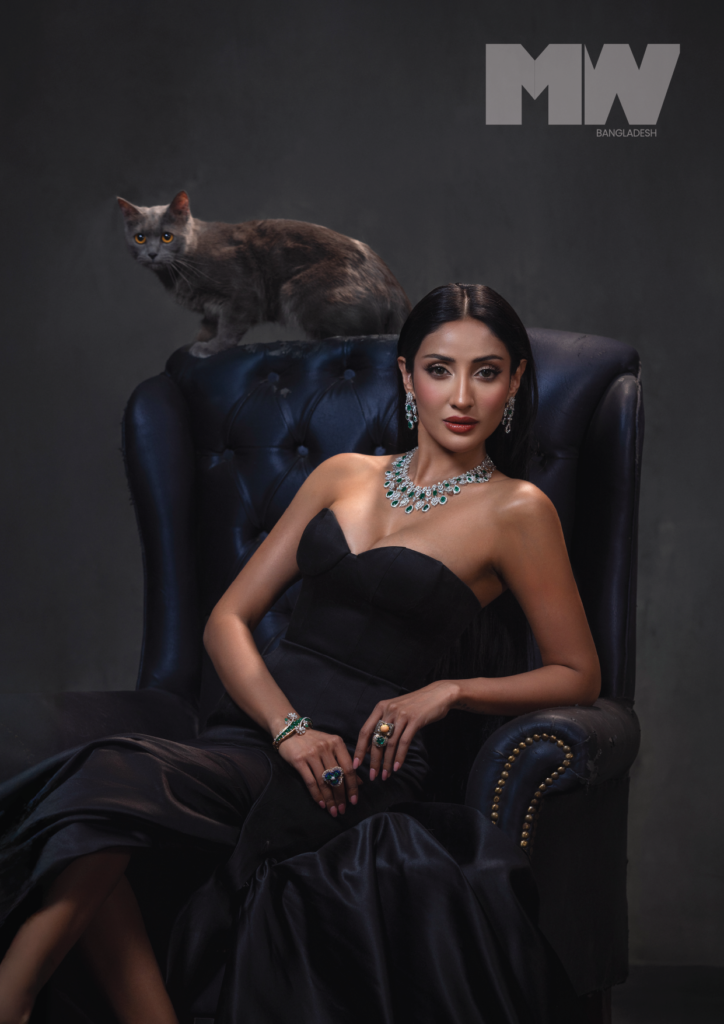
You chose SDG2: Zero Hunger as your primary social impact project for Miss Universe. Looking ahead, how do you plan to continue your work?
When I was placed in the Top 30, my interview score was very close to the Top 5, and one of the biggest reasons behind that was my cause, SDG 2: Zero Hunger. The panel was genuinely impressed that I have been working on this issue consistently since 2016. They saw that this was not something I started for the pageant. I had been moving forward with it for years and never stopped.
During that time, there was also a discussion about funding support. Because of some internal issues within Miss Universe this year, things are still unfolding, so I cannot say exactly what will happen on that front. But regardless of that uncertainty, I already have a clear plan to take this work forward and make it much bigger.
I have been in conversation with several people here, and after the election period, I expect to receive investment support. The idea is to scale this initiative properly. There has also been discussion about the “Rising Star” charity being handed over to me entirely, which would allow me to structure this work more formally.
My goal is to turn this into a fully certified NGO. Right now, it exists as a personal initiative, but I want it to function as a proper organisation, with systems, accountability, and long-term planning, similar to established organisations like BRAC. Now that I hold this title, more people are willing to listen, to support, and to invest in the vision.
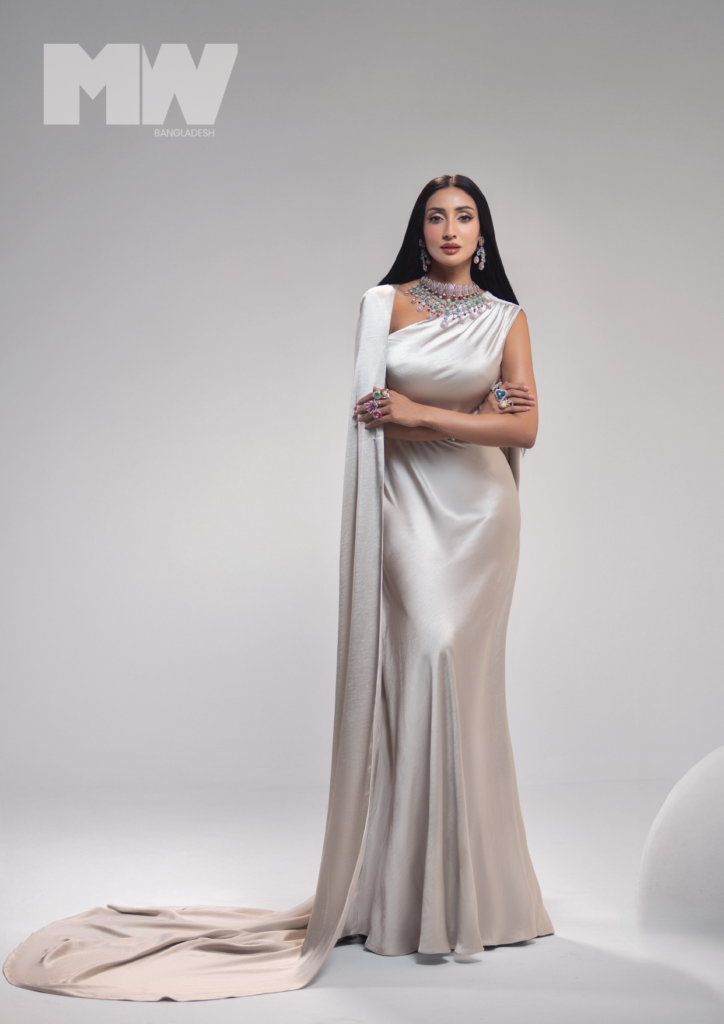
This work was never about the contest for me. It started as a personal commitment, and over time, it grew with the support of people who believed in it. The Miss Universe platform has simply given me a stronger voice and a wider reach to continue what I was already doing, and to do it at a much larger scale.
From your time at Miss Universe, what was the most important lesson you took away that you would want other women to know?
One of the biggest lessons I took away from spending almost a month on a platform like Miss Universe was sisterhood. I had never experienced being surrounded by so many women at once. Even though it was a competition, we became like a family. We were not allowed to see our own families for most of that time. I think we only met them once, just a couple of days before the finale. So naturally, we leaned on each other.
There was constant care among us. Simple but meaningful things. We would ask each other, “Have you eaten?” “Are you missing your family?” “Do your feet hurt?” “Did you get enough sleep?”, “Is your skin burning?” That kind of concern creates a bond. Miss Universe, for me, became a powerful space of womanhood and sisterhood.
Today, I have friends all over the world. As a traveller, wherever I go, I know there is a sister I can call or text. That sense of global connection is very special.
Competition will always exist, but sisterhood can achieve so much more. I remember an incident when the eventual winner was being humiliated, and all of us stood up for her. No one thought about rankings or disqualification. We just acted as women standing up for another woman. I was right there in the front, and I stepped out first.
So, the message I want to give other women is simple: support each other. Girls supporting girls can bring real change. When women stand together, even in competitive spaces, the impact is far greater than individual success.
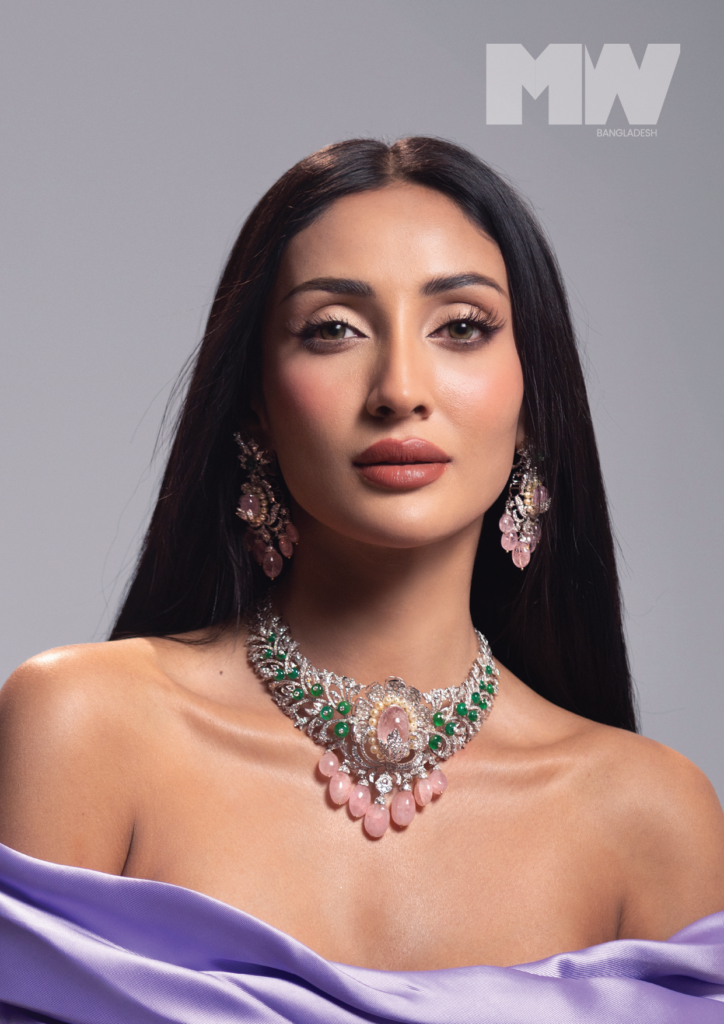
What does your current fitness regime look like?
I mainly focus on high-intensity workouts. I don’t need bodybuilding for my profession. Lean muscle and a strong core are enough for me. So, my routine mostly includes high-intensity training like running and jumping. That kind of movement keeps my energy levels high and makes me feel active throughout the day.
Alongside that, I also do Pilates and swimming. Pilates helps me with balance, posture, and core strength, while swimming allows me to slow down and reset both physically and mentally. I also follow a regular steam and sauna routine.
I don’t do these things just for outer beauty. For me, fitness is about staying healthy, feeling strong from the inside, and keeping my mind clear. Physical movement really helps my mental health. It releases stress, improves focus, and gives me a sense of control and stability in a very demanding lifestyle.
With such a demanding public life, how do you rest and reset when things become overwhelming?
Music is my biggest refuge. I listen to a lot of music because I genuinely believe that life itself is a musical journey. When things become overwhelming, music helps me slow down, process emotions, and feel grounded again.
I don’t practice meditation yet, but I’ve realised that I need to start. After Miss Universe, I’ve been going through a lot, both mentally and emotionally. The experience was intense, and once it ended, there was hardly any time to rest. Every day was packed with responsibilities, appearances, and expectations.
Maintaining this level of visibility is stressful. We couldn’t really take a break, and that constant movement took a toll. Mentally and physically, there was a lot of pressure, and to be honest, I still feel like I haven’t fully recovered. That awareness has made me more conscious of the need to slow down, to create space for rest, and to care for my mental health more intentionally going forward.
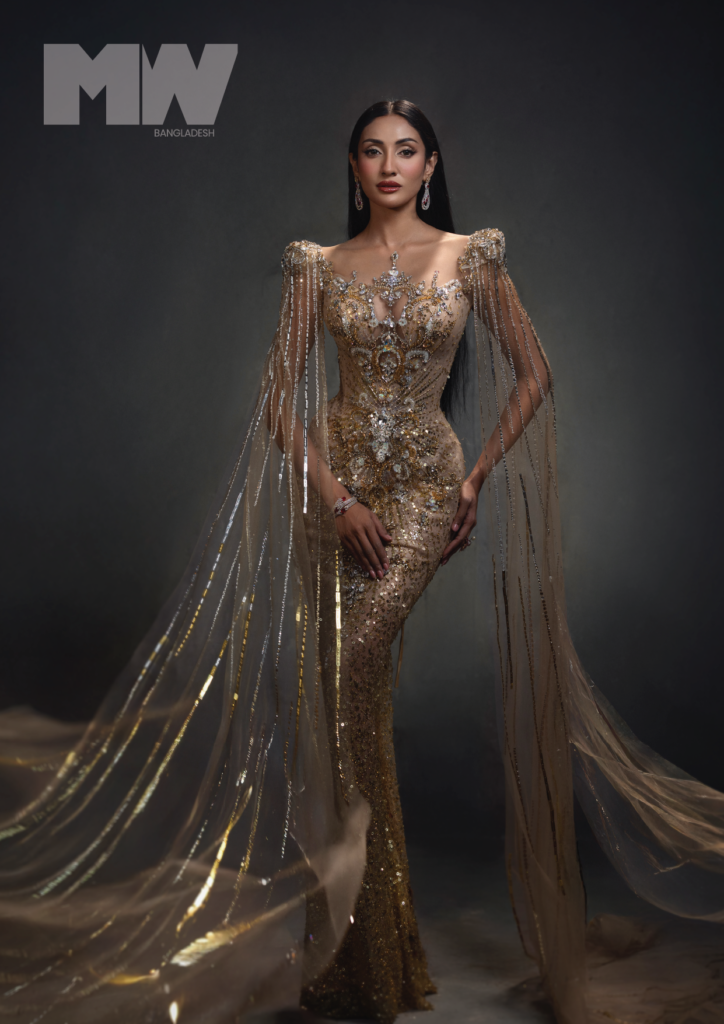
Looking ahead, what kind of projects are you most excited to work on?
Right now, I am working on a film that will be released soon. It is my first commercial movie in Bangladesh, and it is a big production. For me, when I commit to something, I need to be fully involved. I cannot do too many things at once because my energy gets divided. That is why this film is my main focus at the moment. I want to give it my full concentration and do justice to the opportunity.
Alongside that, I am also in the process of opening my own academy, Crown Academy. This is something I have been planning for a long time, and it feels like a natural extension of my journey and experience.
I have also taken on a couple of endorsements recently. I am currently the ambassador for the Bangladesh Jewelry Association and an aesthetic clinic. These are important projects as well, but creatively and mentally, my priority right now is the film.
At this stage, I am choosing to move step by step, focusing deeply on each project rather than spreading myself too thin.
Fashion Direction & Styling: Mahmudul Hasan Mukul
Photographer: Rony Rezaul
Make-up & Hair Style: Parvez Ahmed
Jewelry: Jarwa House