



By MWB Desk
For many readers, stepping into a bookstore is a familiar experience. You browse the shelves, pick up a title that catches your eye, perhaps buy a book, and leave. But every so often, a bookstore arrives that changes not only where people buy books, but how they experience reading.
That is what makes Kinokuniya’s arrival in Bangladesh significant.
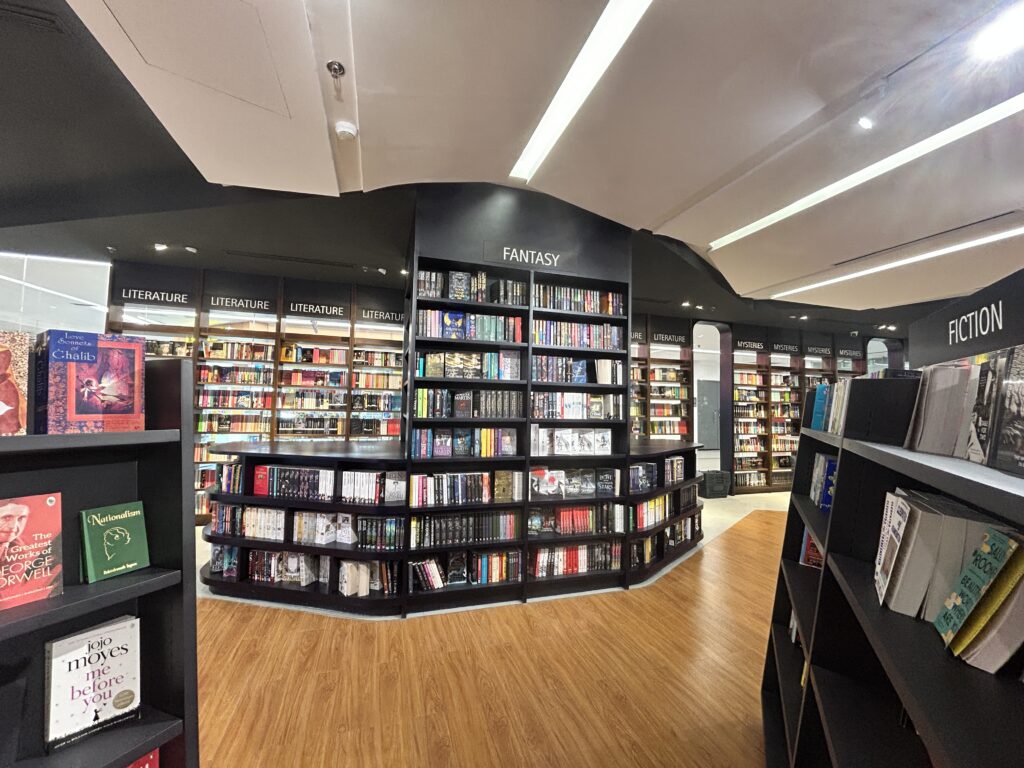
The renowned Japanese bookstore chain recently opened its first Bangladeshi outlet at Centrepoint in Uttara, bringing around 40,000 titles spanning fiction, non-fiction, children’s literature, manga, art, business, lifestyle, and academic resources under one roof. The store also includes Marco Polo’s Café, encouraging visitors to linger rather than simply shop.
For a country that proudly hosts the world’s largest public book fair every February, the opening represents another milestone in Bangladesh’s evolving reading culture.
A century-old name
Founded in Japan in 1927, Kinokuniya has grown into one of the world’s most recognised bookstore brands, with outlets across Asia, Australia, the United States, and the Middle East. While every branch reflects its local audience, the company’s philosophy has remained consistent: a bookstore should be a place for discovery rather than just retail.
Visitors often wander through carefully curated sections, discover unfamiliar authors, or stumble upon beautifully produced editions they might never have searched for online.
That sense of exploration is part of what has made Kinokuniya a destination for readers around the world.
A new chapter for Bangladeshi readers
Bangladesh already has a strong literary tradition. The annual Amar Ekushey Book Fair, independent bookstores, Nilkhet’s second-hand book market, and long-standing retailers have nurtured generations of readers.
Kinokuniya does not replace those institutions. Instead, it adds another layer to the country’s literary landscape.
Its arrival expands access to international publications that have often been difficult or expensive to source locally. Readers interested in Japanese literature, graphic novels, design, architecture, world history, business, or foreign language learning now have a wider range of choices without relying solely on overseas orders.
For students and researchers, the broader selection of academic and reference books may also prove valuable.

Beyond bookshelves
Modern bookstores are increasingly becoming cultural spaces rather than purely commercial ones.
Around the world, successful bookstores encourage visitors to spend time browsing, reading, attending events, or simply enjoying a quiet afternoon. Cafés, reading areas, stationery sections, and curated displays all contribute to that experience.
Kinokuniya follows this model.
Rather than encouraging customers to make quick purchases, the store invites them to slow down. That shift matters at a time when much of our reading happens on phones through short posts, headlines, or social media feeds.
Browsing physical shelves often leads readers to books they never intended to buy, creating moments of discovery that algorithms cannot easily replicate.
The rise of reading culture
The timing of Kinokuniya’s arrival is particularly interesting.
Despite concerns that digital entertainment would replace books, younger readers are increasingly participating in global reading communities through platforms such as BookTok and Bookstagram. Popular novels regularly gain renewed attention online, while beautifully designed bookstores have themselves become destinations for photography, discussion, and community building.
Bangladesh has witnessed similar changes. Independent reading clubs, literary festivals, and online book communities have grown steadily over the past few years. A globally recognised bookstore entering the market reflects confidence that there is still strong demand for printed books.
More than an international brand
Perhaps the greatest opportunity lies in what happens next.
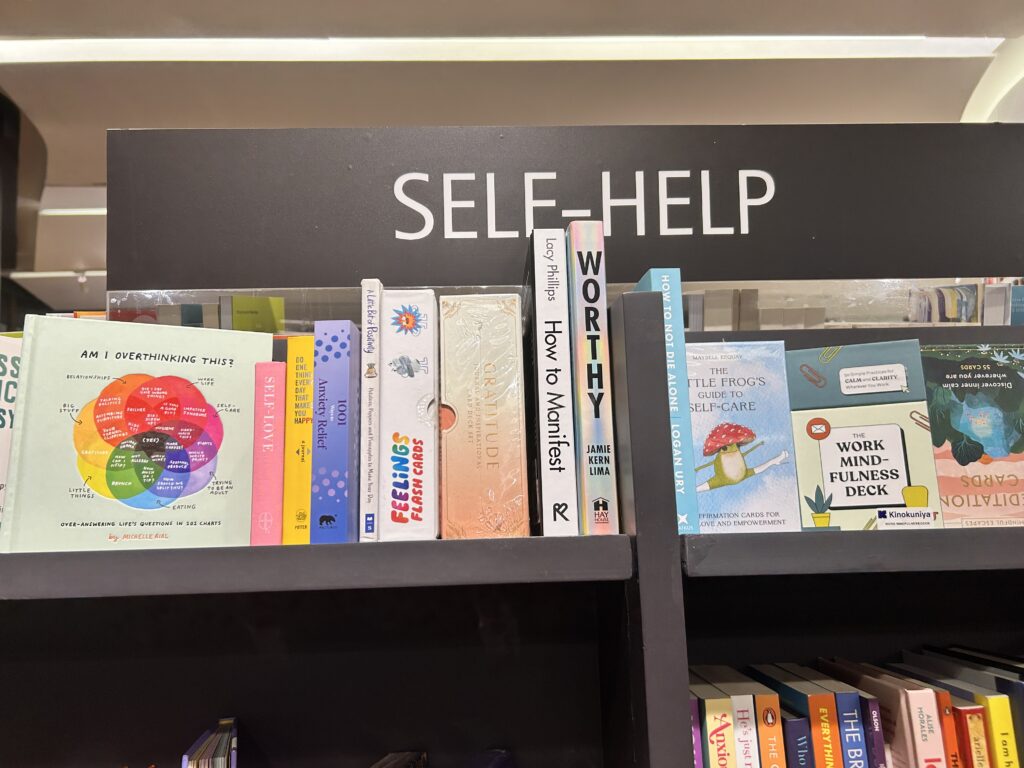
International bookstores often become platforms where local writers stand alongside global names. For Bangladeshi authors writing in English or translated into English, greater visibility within an internationally recognised retail environment could introduce their work to a broader audience.
Likewise, readers who visit for international bestsellers may leave with a contemporary Bangladeshi novel, a translated classic, or a locally published children’s book.
Reading has always been about a conversation between cultures. A bookstore becomes most meaningful when those conversations move in both directions.
A place to pause
In an age of constant notifications, there is something quietly reassuring about walking into a room lined with books.
People slow down. Conversations become quieter. Curiosity replaces urgency.
Kinokuniya’s arrival is therefore about more than adding another bookstore to Dhaka’s map. It signals confidence in the readers themselves.
For Bangladesh, where books remain closely tied to language, history, and identity, that confidence feels particularly meaningful. Whether someone visits to buy the latest manga, discover Japanese literature, find an academic textbook, or simply spend an afternoon browsing, the experience reinforces a simple idea: bookstores are not becoming obsolete. They are finding new ways to remain relevant.