


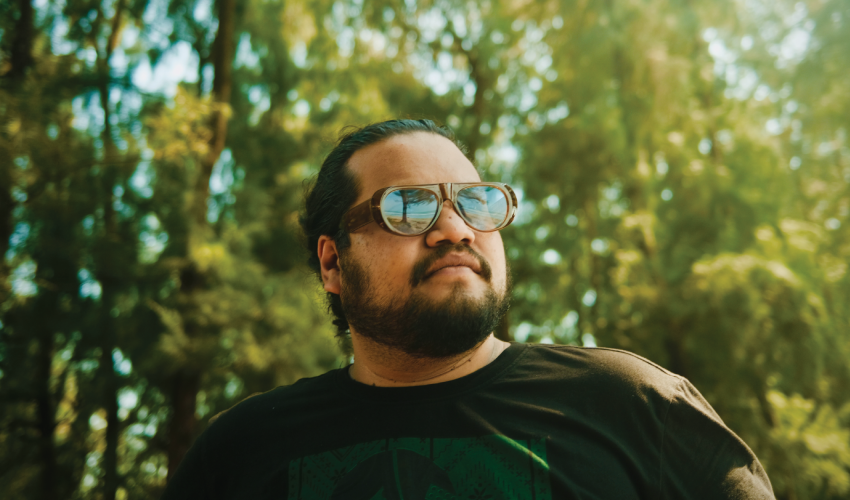
By Ayman Anika
Arafat Mohsin Nidhi’s creative journey is shaped as much by sound as it is by image. Growing up surrounded by instruments, performances, and creative practices, he absorbed artistic sensibilities almost unconsciously. This early immersion shaped not only his musical instincts but also his ability to visualize stories, a skill that would later define his work across mediums.
Although widely recognized for his contributions as a composer, Arafat’s relationship with direction dates back to 2011, when he directed an Eid telefilm during a time when television was the dominant platform for storytelling in Bangladesh.
Today, as he continues to balance music and storytelling, Arafat is actively involved in several highly anticipated upcoming film projects while also laying the groundwork for future narratives. In a candid conversation with MWB, Arafat Mohsin Nidhi reflects on his inspirations, his evolving creative identity, and the projects that lie ahead.
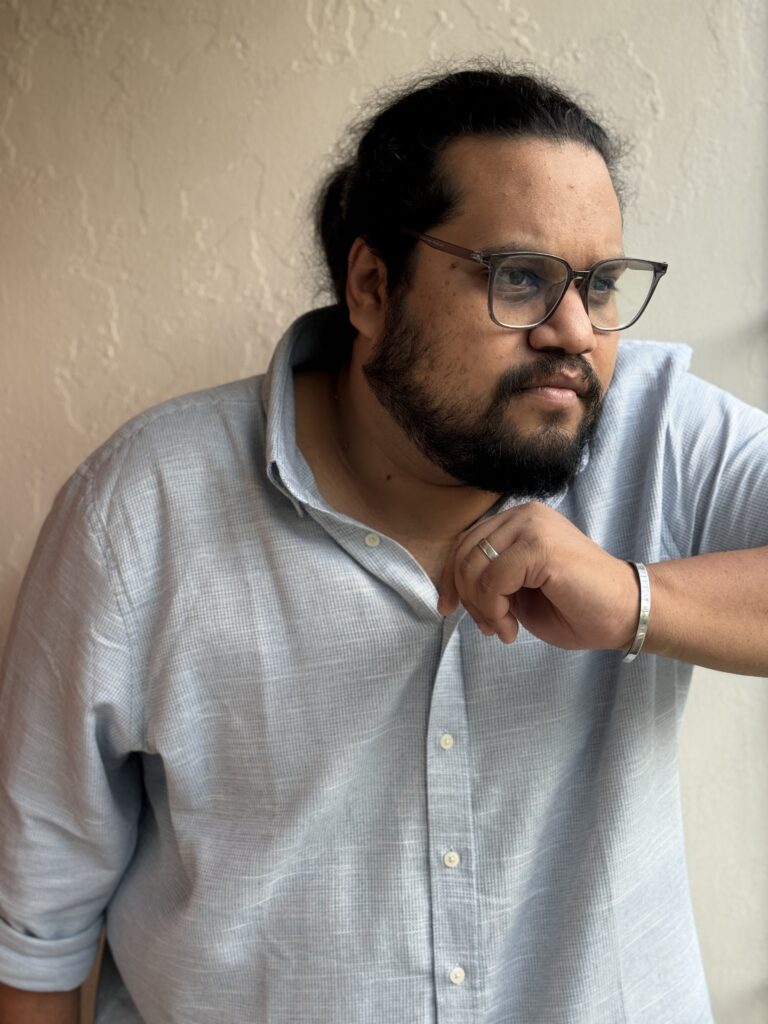
What kind of films, music, or cultural influences shaped your imagination early on?
Regarding influences, I would say I am a great admirer of Satyajit Ray. His music, his poetry, his filmmaking style, and the way he builds narratives have always inspired me deeply. When I compose music, I often feel the need to hold a visual in the back of my mind. Sometimes it feels like certain stories deserve a kind of music that is not being made yet.
Imagining how those visuals might look, and how music could live inside them, is actually what gradually pulled me towards filmmaking.
In terms of my creative background, music entered my life very early. I started playing the tabla when I was just two years old. It is a classical instrument, and I grew up in a very culturally rich environment. There was always an atmosphere of music and art at home, so I think I absorbed many of these influences unconsciously.
My brother used to learn tabla at the time, and there was always a tabla lying around the house. I probably picked it up simply out of curiosity. Later, when I was around eleven, I trained in classical tabla seriously and continued playing it for nine consecutive years.
There was always an atmosphere of music and art at home, so I think I absorbed many of these influences unconsciously.
You built your reputation primarily as a music director before moving into direction. Looking back, which projects do you think were turning points in establishing your creative identity?
I actually made my directorial debut quite early, back in 2011, when I directed an Eid telefilm. At that time, television was the primary medium for content consumption. Platforms like OTT or YouTube were not really part of the landscape yet. The telefilm received a good response, and people appreciated the work.
However, after that, I stepped away from the direction for a long time. I felt that I needed to focus on music first and establish myself properly. I always thought I would return to directing once I reached a certain level of creative and professional maturity.
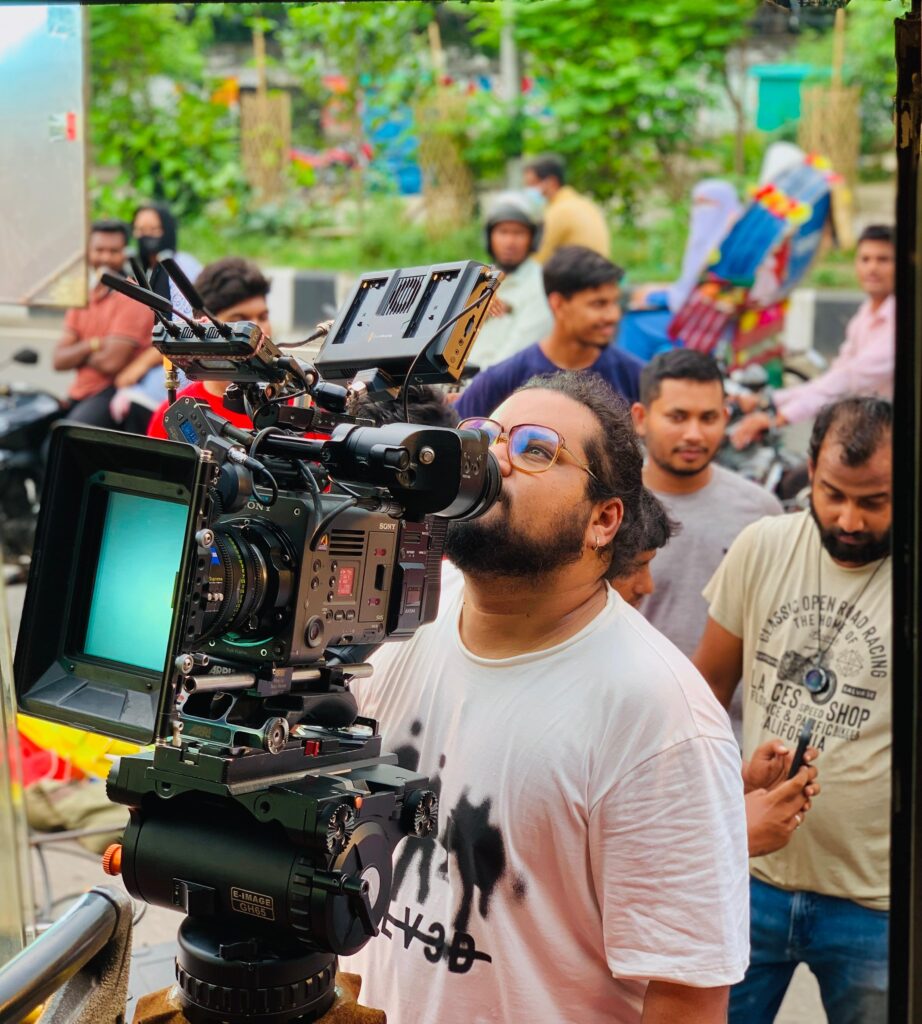
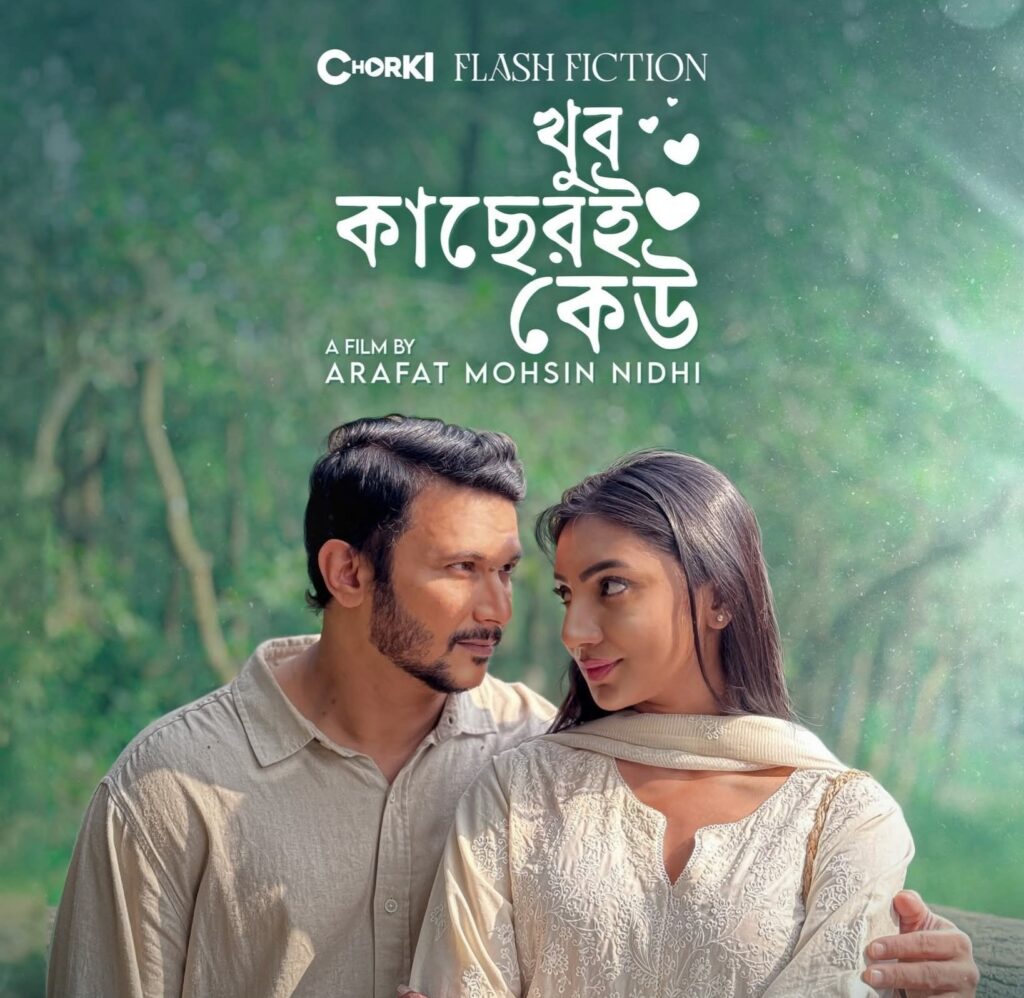
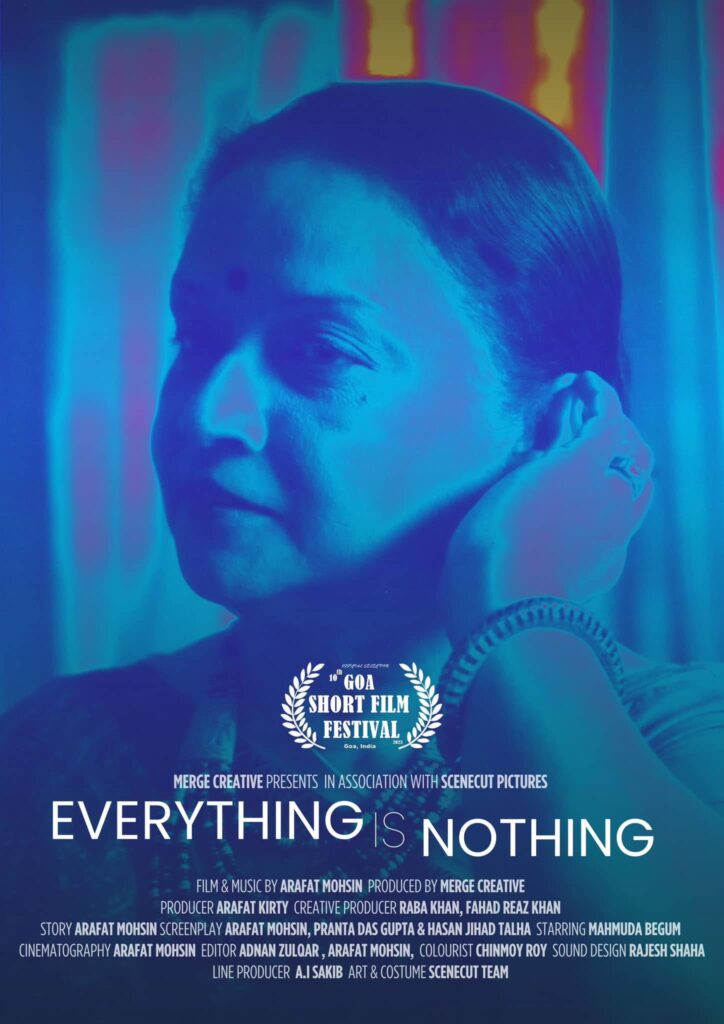
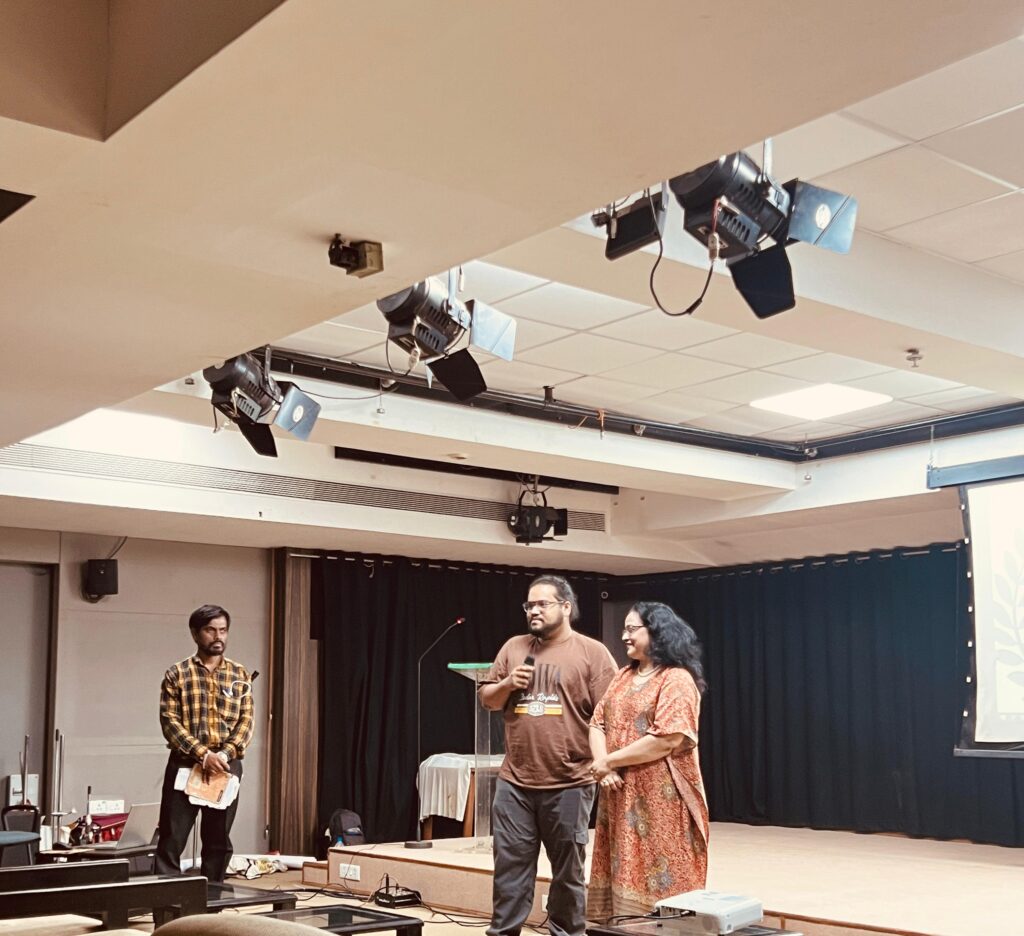
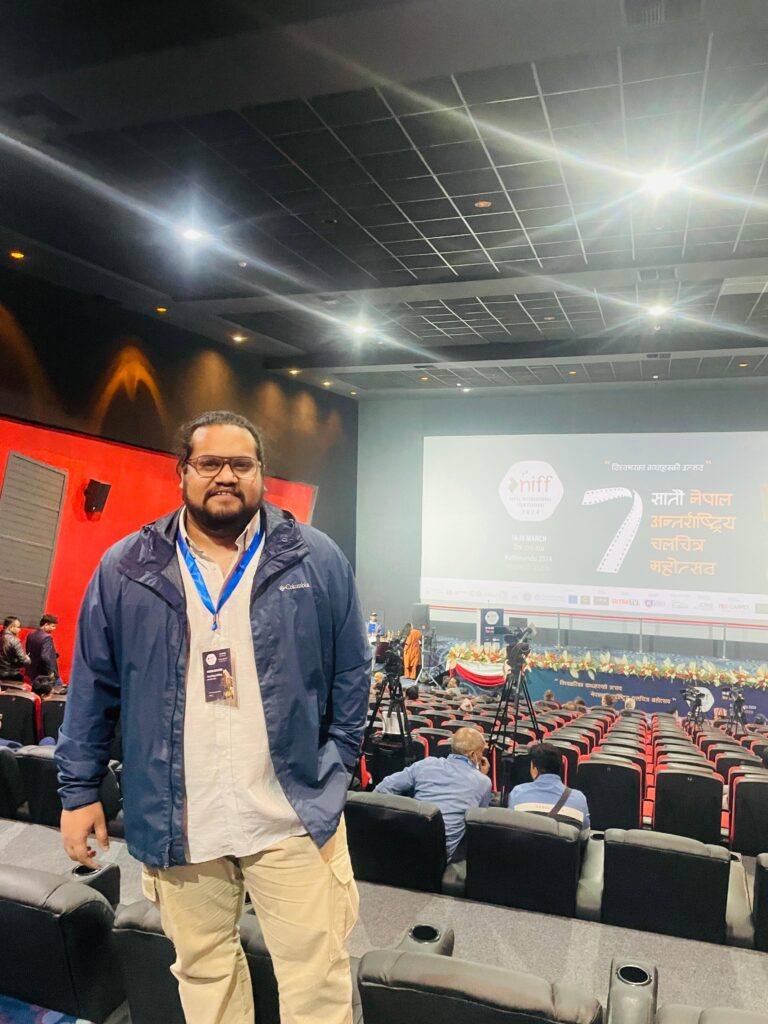
I started directing again with an independent short film titled “Everything Is Nothing.” That project turned out to be a significant moment for me because it was selected at several festivals, including the Nepal Film Festival and the Goa Short Film Festival, and also travelled to Europe, with a screening in France. That experience gave me confidence. After that, I felt ready to tell more fictional stories. I went on to make Khub Kacheri Keu, and later the series Aatka.
If I speak specifically about music, my major creative turning point was my first produced album. It was a featured-artist album sponsored by Airtel. After its release, the songs were well received, and one of them was later used in the telefilm Valobashi Tai, directed by Shihab Shaheen.
That project gave the music a much wider reach, especially because it starred Bidya Sinha Mim and Sajal. The song, titled Jol Shopno, was written by Rajib Ashraf, sung by Palbasha Siddique, and composed by me. It became a big hit at the time.
After that release, music shifted from being just a passion to becoming my profession. Creatively speaking, these two paths, music and direction, are where I began working professionally and where my identity as a creator really started to take shape.
If I speak specifically about music, my major creative turning point was my first produced album.
You have recently worked on several highly anticipated films, “Toofan” “Borbaad,” “Daagi,” and “Taandob”. How has working closely with directors over the years influenced your understanding of visual storytelling?
Even before working closely with directors, I think I already had a sense of visual narratives. I grew up in a cultural family, and from childhood I learned to watch films closely and to paint. Imagination was always present in my life, and I believe imagination is a powerful tool. It allows you to see visuals even before they exist.
In terms of professional experience, I worked in advertising for many years. I have been composing advertising jingles since 2009, and although I do it less frequently now, that phase played a crucial role in shaping my understanding of visuals. During that time, I often had to create music based entirely on footage shot by other people.
Through advertising, I ended up working with almost all the major directors in Bangladesh. Constantly watching visuals, interpreting them, and responding to them musically gradually changed my thought process. I began to understand what kind of visuals worked for me and what kind of imagery I personally wanted to see on screen. That experience influenced me deeply.
More recently, working on films like Toofan, Borbaad, Daagi, and Taandob further strengthened this understanding. Collaborating closely with different directors sharpened my sense of how music and visuals speak to each other.
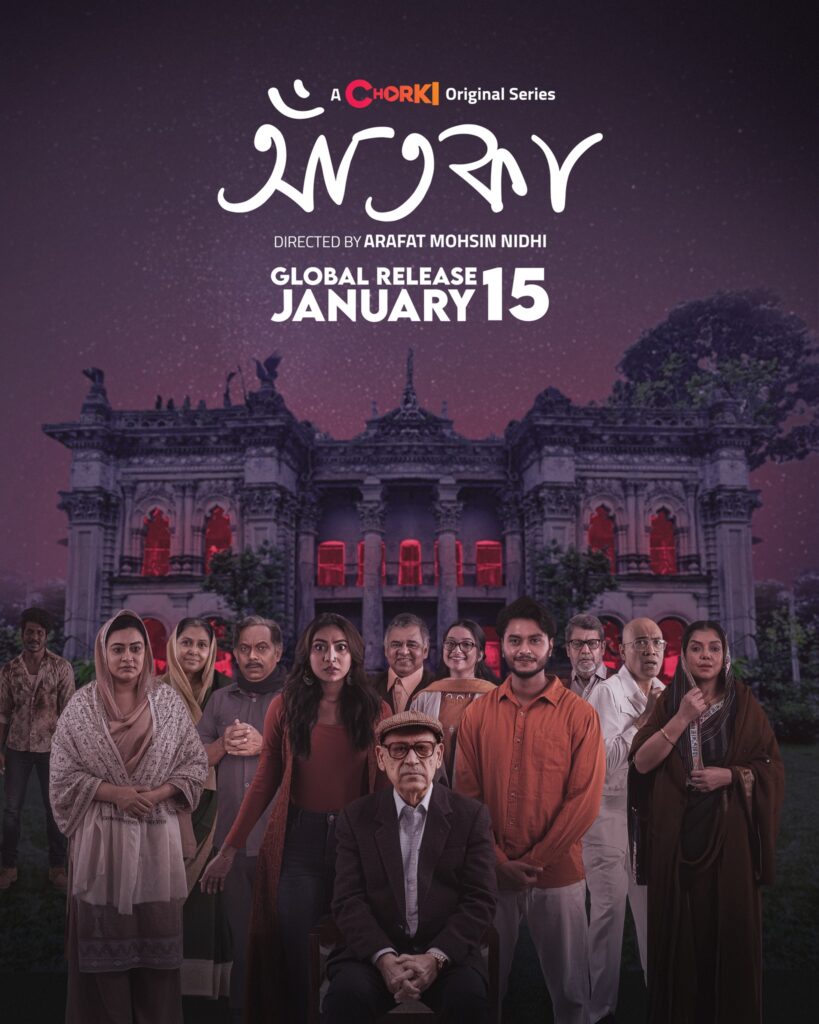
So, when the story of Aatka was narrated to me by Raba Khan, a visual imagination immediately started running in my head. I truly believe that as long as you have the power of imagination, visualization becomes almost instinctive.
“Aatka” was truly an intriguing web series. Why did you choose this particular story?
First of all, I should clarify that I am not the writer of Aatka; I worked on the project as the Director. What drew me to the story was its focus on a family and their inner crises. I found the characters to be extremely sensitive, and I relate to that personally because I consider myself a sensitive person as well. I think I understand human emotions deeply, and since I work with music, dealing with emotional layers is something I am naturally inclined towards.
On the surface, Aatka presents itself as a horror comedy, but at its core, it is very much a family drama. It is a story about love, crisis, and the small desires, fears, and insecurities that exist within a family. That emotional core is what mattered most to me.
If you look closely at the family dynamics shown in Aatka, it is a modern family, yet still rooted in certain stereotypes. One of the key ideas the story explores is a social taboo. A boy can go abroad, do certain kinds of work, and be celebrated for it. But if he wants to do the same work in his own country, suddenly, questions arise. Issues of prestige, family status, and social perception come into play.
When Raba Khan first narrated the story to me and said, “What if a boy comes back and wants to be a barber?” I immediately felt it was a strong and relevant idea. There is a clear generational gap here. For an older generation, the word “barber” carries a certain stigma, whereas the younger generation might see the same profession as a “hairstylist.” The difference is not just in terminology, but in mindset.
I have seen people around me go through similar crises. Their families feel proud when they are abroad, but those same families hesitate to accept the same choices if made at home, simply because of social barriers and concerns about prestige. That reality felt very familiar to me, and that is ultimately why I decided to be part of Aatka.
The ending of the series felt like there was more to come. Are you planning a second season?
Yes, we already have plans for a second season. If this were a film, it would have ended as a complete story. But since Aatka is a series, we always had a second season in mind. The plot for Season 2 is already ready.
That is why the ending feels like there is more to come. The character of Jambo was introduced very deliberately. We cast Sumon Anowar in that role because Jambo will play a key part in the second season. The final moments were designed as a hook, not a closure.
Our choice of characters throughout the series was also made keeping the second season in mind. That is why we brought in senior actors like Abul Hayat, Saberi Alam, Rosey Siddique, Mousumi Nag, Tushar Khan, and Azam Khan. You will see much more of them if the story continues. The narrative was structured in a way that allows their characters to grow further in the next season.
At the same time, Aatka is a platform-affiliated project. Whether the second season happens depends on whether the platform feels it makes business sense to move forward. From our side, we are fully prepared. The story is already in place.
That is also why we ended the series with the idea of “Notun Bhoot” or the new ghost. The ghost we see in the first season is a good one, so we wanted to leave a question behind: what if the next ghost is different? That open-ended note was meant to signal that the world of Aatka is far from finished.
Can you unveil the upcoming film projects you are currently working on as a music director or composer?
At the moment, I am involved with three film projects as a music director and composer. One of them is Prince, which is directed by Abu Hayat Mahmud and stars Shakib Khan.
Another project I am working on is Rakkhosh, directed by Mehedi Hassan Hridoy, with Siam Ahmed in the lead role.
I am also composing music for Andhar, which is directed by Raihan Rafi. The film is likely to be released after Eid or later this year.
These are the three projects I am currently actively working on. There have also been some initial discussions around films planned for Eid ul-Adha, but nothing has been confirmed yet.
Imagination was always present in my life, and I believe imagination is a powerful tool. It allows you to see visuals even before they exist.