



By Ayman Anika
Chitra Nodir Pare has the rare confidence of a film that does not chase your attention.
It simply places you on the bank of the Chitra River and lets time do the work. The title in English, Quiet Flows the River Chitra, is not just poetic branding. It is the film’s method. The river keeps moving, the sun keeps rising and falling, neighbours keep exchanging courtesies, and yet the ground beneath ordinary life is shifting in ways the characters can neither name nor stop.
Tanvir Mokammel’s 1999 feature is set in Narail, in the calm small-town world beside the river, and it unfolds across the 1950s and 1960s, a period when “after Partition” is not a chapter in a textbook but a daily pressure that squeezes families into decisions they never wanted to make.
A Story About Staying, Told Like a Slow Departure
Rather than turning Partition into a single explosive event, Chitra Nodir Pare treats it as an afterlife. Borders are drawn, but life does not become stable. It becomes conditional. In this world, safety is never a permanent state; it is a negotiation renewed every day.
The film centres on a family trying to remain rooted beside the Chitra River, in Narail, while the social weather keeps changing. That phrase sounds gentle until you feel what it means. Friends can become cautious.
Neighbours can become accountants of belonging. A home can remain standing while its emotional foundation is quietly removed, brick by brick. The film’s power is that it never needs to announce these ideas with speeches. It lets small shifts do the talking.
The River as a Witness
The Chitra River is more than a location. It is a moral witness that refuses commentary. It flows while history argues, threatens, bargains, and breaks people. The river’s calmness becomes a kind of cinematic irony. Nature keeps a steady rhythm, but human beings introduce suddenness into each other’s lives.
Mokammel’s direction understands that dread does not always arrive like a storm. Sometimes it arrives like humidity. You do not notice it at first, then suddenly you cannot breathe without feeling it.
Performances That Speak in Half Sentences
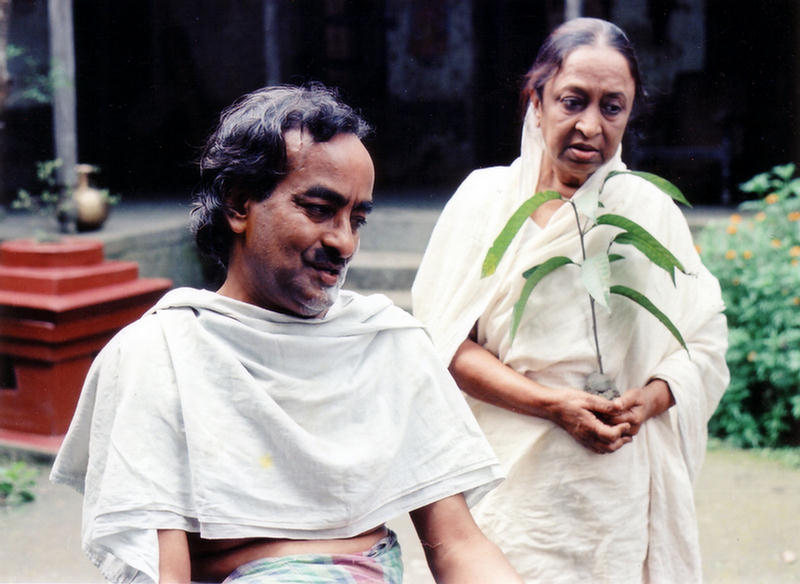
One of the strongest choices here is restraint. Momtajuddin Ahmed, Afsana Mimi, Tauquir Ahmed, and Rawshan Jamil lead the ensemble with performances that feel lived-in rather than performed. Ahmed plays Shashikanto Sengupta, a lawyer, with the weary dignity of someone who has learned that intelligence does not guarantee protection.
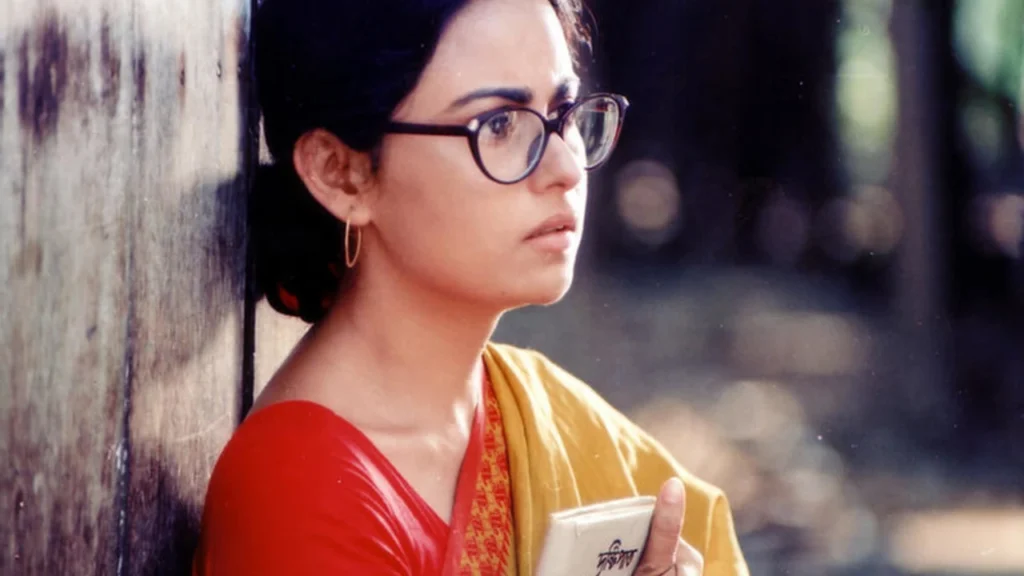
Afsana Mimi plays Minoti, and her work is especially affecting because it communicates how political fear leaks into domestic life. Tauquir Ahmed appears as Badal, bringing the tense energy of youth caught between ideals and reality.
The film’s emotional temperature stays low on the surface, which is exactly why it stings. People do not cry on cue. They swallow sentences. They choose politeness when they really mean protest.

Cinema That Refuses to Shout
Formally, Chitra Nodir Pare is unhurried. It often lets moments breathe past the point where a more commercial film would cut away. That choice can feel challenging if you expect the plot to behave like a machine. Here, the plot behaves like life. It idles. It circles. It repeats itself with slight variations until repetition becomes a warning.
The runtime, around 114 minutes, gives Mokammel room to build this atmosphere of slow tightening. Instead of spectacle, you get accumulation. Instead of a single “message scene,” you get a world where the message is embedded in daily rituals. This is filmmaking that trusts the audience to connect the dots without being led by the hand.
The Price of Belonging
The film’s smartest move is that it refuses simplistic villains. Communal tension is shown as something that spreads through systems, rumours, opportunism, and silence. This is not a story where one monster walks in and ruins everything. It is a story where many ordinary people adjust their morality by a few degrees, and those degrees eventually add up to a catastrophe.
That makes Chitra Nodir Pare disturbingly timeless. The film is set decades ago, but its central question is not historical trivia. It is philosophical: what does it cost to remain, and what does it cost to leave? The characters are not choosing between good and evil. They are choosing between two versions of survival, both emotionally expensive.
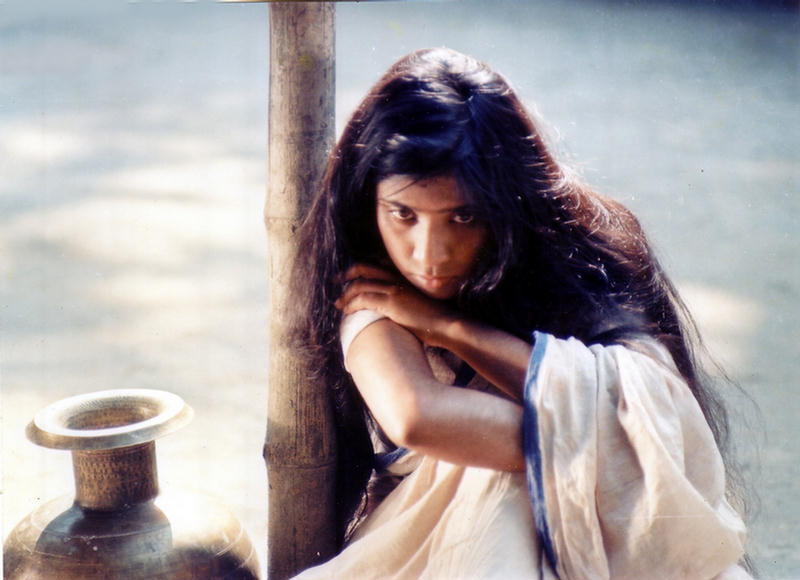
A National Award Winner That Earns Its Weight
It is not surprising that the film swept major recognition in Bangladesh, winning seven National Film Awards, including Best Film and Best Director for 1999, along with awards for story, dialogue, art direction, supporting actress, and makeup. Those honours matter, but what matters more is how the film earns them through discipline. It never begs for importance. It simply behaves like important cinema.
The Final Feeling
Chitra Nodir Pare is a quiet cinema with loud consequences.
It does not chase your attention; it earns your patience. By the end, you feel what the title promises: the river flows quietly, yes, but the lives beside it are anything but still. It is one of those films that makes you realise how history does not only happen in parliaments and streets. It happens in living rooms, in pauses, in the way someone suddenly stops feeling at home.