


Rethinking Healthy and Sustainable Ramadan Meals
By Ayman Anika
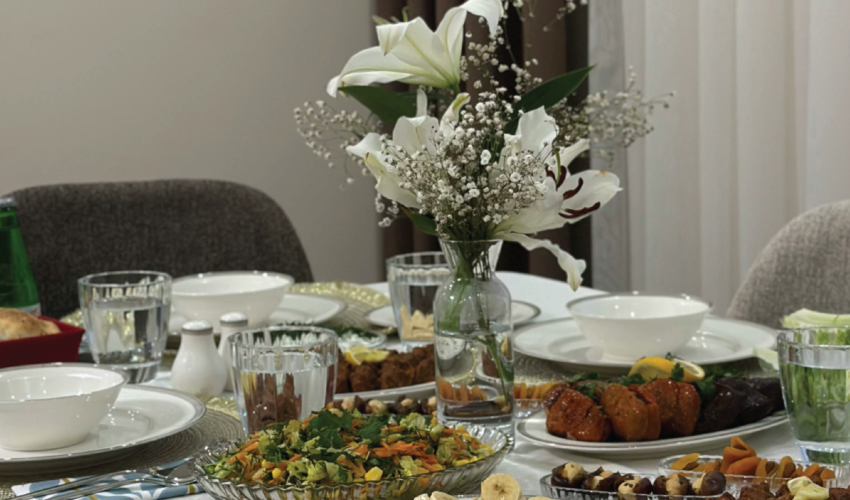
Every evening in Ramadan, kitchens across Bangladesh move at a familiar pace. Pots simmer, oil heats up, and plates fill quickly as the clock inches toward maghrib. Iftar has always been generous in spirit. But somewhere along the way, generosity began to mean excess.
Deep-fried items dominate the table, portions grow larger, and leftovers often end up forgotten. This year, many households are quietly asking a different question: can iftar be nourishing without being heavy, and festive without being wasteful?
The answer lies in planning with intention rather than tradition alone.
Start by breaking the fast gently
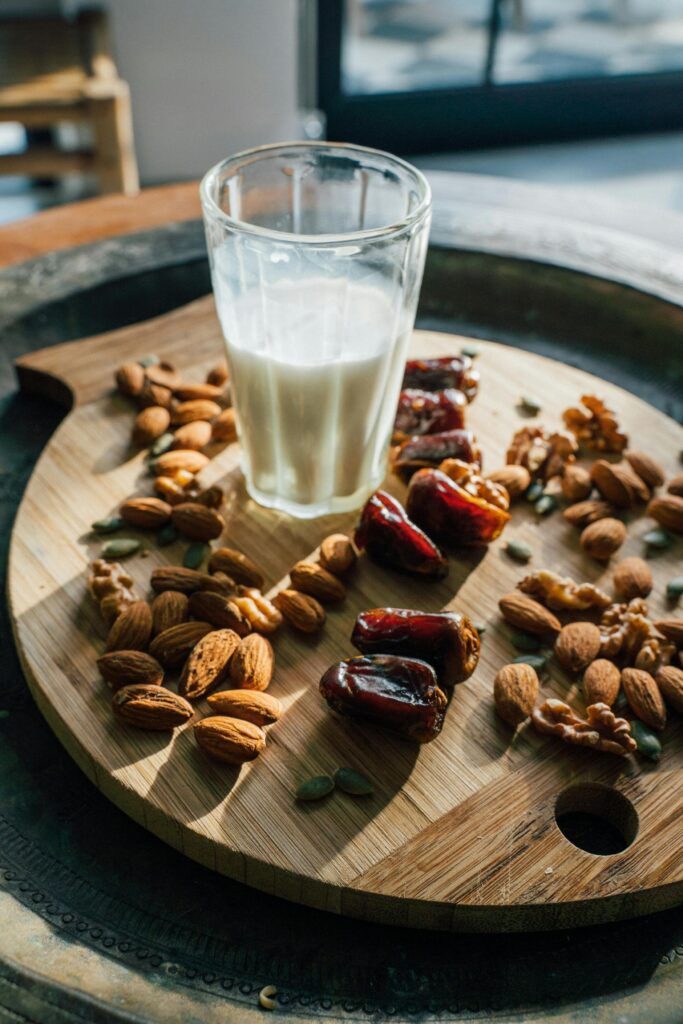
After a day of fasting, the body needs hydration and steady energy, not a shock. Dates remain a wise place to start. They provide natural sugars, fibre, and potassium. Pairing dates with water or lemon-infused water helps replenish fluids without overwhelming the stomach.
Instead of jumping straight into fried snacks, consider starting with a light soup. A simple vegetable broth, chicken soup, or lentil-based shorba prepares the digestive system for what follows. These soups can be made in large batches and frozen in portions, reducing daily kitchen pressure.
Avoid sugary drinks at this stage. Packaged juices and syrups cause sudden blood sugar spikes, followed by fatigue. Homemade alternatives like infused water, lightly salted lassi, or diluted fruit blends are gentler and more sustainable.
Rethinking the fritter obsession
Fried food has become synonymous with iftar in Bangladesh. Beguni, peyaju, chop, and singara appear without question. While there is no need to eliminate them entirely, reducing quantity and frequency makes a significant difference.
Instead of preparing five types of fried items, choose one or two and balance them with baked or pan-seared alternatives. Lentil patties can be shallow-fried rather than deep-fried. Vegetables like pumpkin, cauliflower, or zucchini can be roasted with minimal oil and spices for a satisfying crunch.
Using air fryers or oven-baking techniques lowers oil consumption and makes cleanup easier. It also reduces the heavy feeling that often follows iftar, allowing for more energy during tarawih prayers.
Protein that sustains, not exhausts
Protein is essential during Ramadan, especially for maintaining muscle mass and stable energy levels. But how it is prepared matters.
Grilled chicken, fish, or paneer seasoned with simple spices can replace heavily spiced and oily curries. Egg-based dishes such as omelettes with vegetables or boiled eggs with light seasoning are quick, affordable, and filling.
For plant-based options, lentils, chickpeas, and beans are reliable staples. Chana chaat with cucumbers, tomatoes, onions, and lemon offers protein, fibre, and freshness without cooking. It can be prepared in advance and kept refrigerated for several days.
Avoid combining too many heavy protein dishes in one meal. One primary protein source is enough for iftar. Suhoor can cover the rest.
Carbohydrates with purpose
Rice and bread are central to Bangladeshi meals, but portion control becomes crucial during Ramadan. Choosing complex carbohydrates helps sustain energy longer.
Brown rice, red rice, whole wheat roti, or parboiled rice digest more slowly than refined white alternatives. Pairing carbohydrates with vegetables and protein prevents blood sugar spikes and keeps hunger in check later in the evening.
Fruits can serve as both carbohydrates and hydration sources. Watermelon, papaya, guava, and oranges are seasonal, affordable, and rich in vitamins. Serving fruit as part of iftar reduces the urge for sugary desserts.
Sustainable choices begin at the market
Healthy iftar planning is incomplete without considering sustainability. Buying seasonal produce supports local farmers and reduces costs. Leafy greens, gourds, eggplant, and root vegetables are versatile and widely available.
Planning meals for the entire week prevents overbuying. Writing a simple menu for seven days helps avoid impulse purchases and reduces food waste. Leftover vegetables can become soups, fillings, or suhoor side dishes.
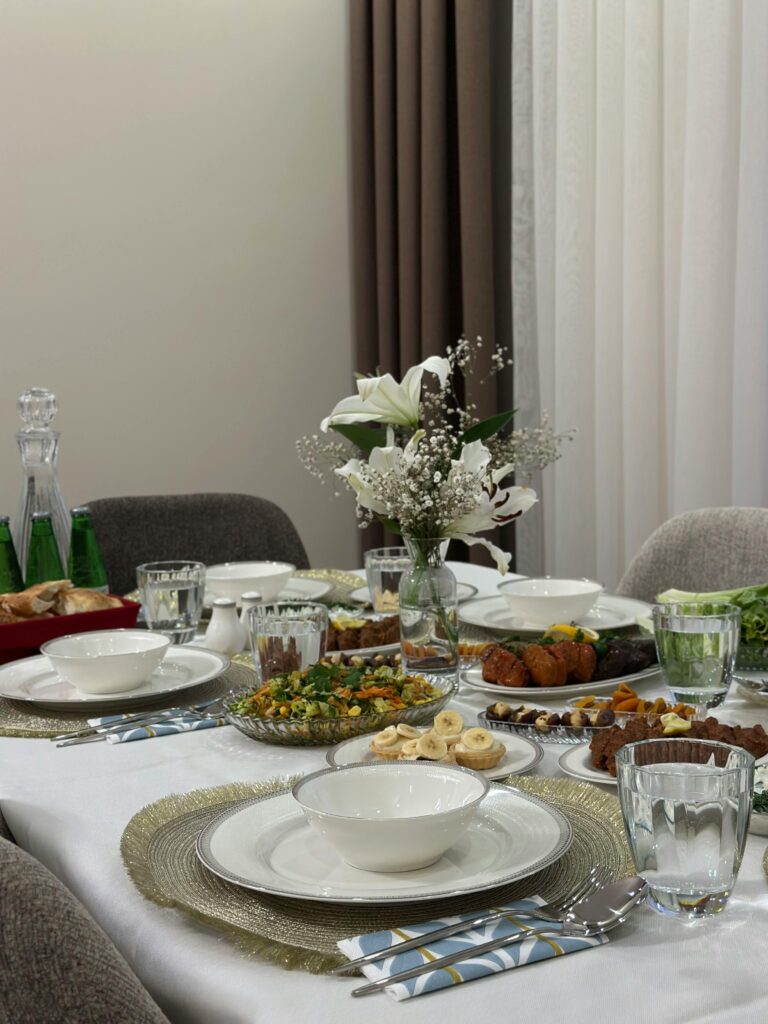
Cooking in batches saves time and energy. One pot of lentils can serve multiple meals. Roasted vegetables can be repurposed into wraps or salads. Sustainability is often less about new habits and more about better use of what already exists.
The overlooked role of suhoor
Iftar often receives all the attention, but suhoor determines how the body copes the next day. A balanced suhoor reduces the temptation to overload at iftar.
Including protein, fibre, and healthy fats at suhoor helps regulate appetite and energy. Oats with yogurt and fruit, eggs with vegetables, or rice with lentils are practical options. Avoid salty and overly spicy foods at night, as they increase thirst during fasting hours.
When suhoor is planned properly, iftar becomes calmer and more controlled.
A quieter kind of abundance
Ramadan is not meant to be a test of endurance at the table. It is meant to cultivate awareness, restraint, and gratitude. Healthy and sustainable iftar meals do not diminish tradition. They refine it.
By choosing fewer fried items, prioritising hydration, respecting portions, and planning ahead, households can create iftar spreads that nourish both body and conscience. Food remains central, but it no longer overwhelms the moment.
In the end, what’s cooking for iftar reflects more than appetite. It reflects values. And those values, when practiced consistently, carry forward long after the month ends.