


By Ayman Anika
Aatka. A word that sounds simple, yet holds an unsettling weight.
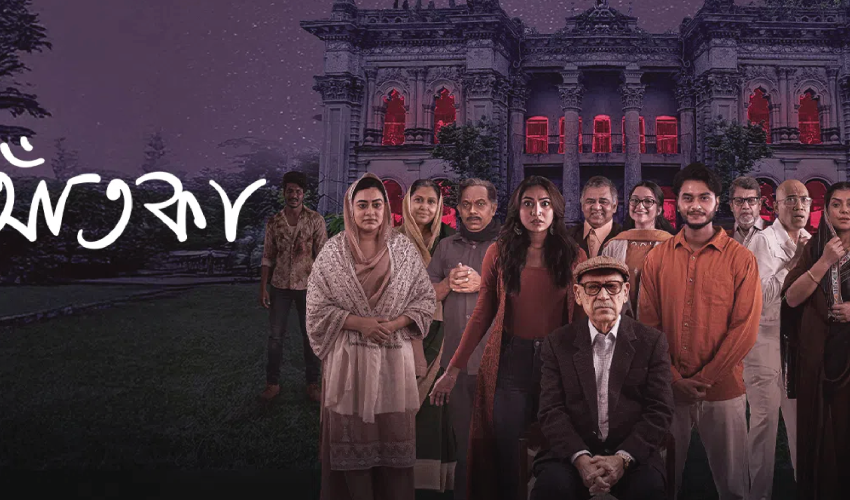
It means “stuck” or “interrupted,” a brief pause that sometimes stretches far longer than we are comfortable with. In Aatka, Chorki’s first original of 2026, that pause becomes the central metaphor. Writer Raba Khan and director Arafat Mohsin Nidhi explore how people’s lives get interrupted, not by grand disasters or dramatic accidents, but by the small, everyday terrors of being misunderstood, of being expected to fall in line, of not being allowed to dream.
This five-episode horror-comedy hybrid, more like a tightly edited film in disguise, runs for two hours. It follows Fayaz Rahman, a London returnee and the only grandson of a proud family, who comes home with a dream of opening a salon.
But where Fayaz sees self-expression, his family sees shame. They would rather have him settle into a respectable corporate life abroad than set up a business that flirts with what they consider low-status work. The salon becomes the battlefield, and the haunting begins right there, in the clashing of expectations.
Family, Fear, and the Pressure to Conform
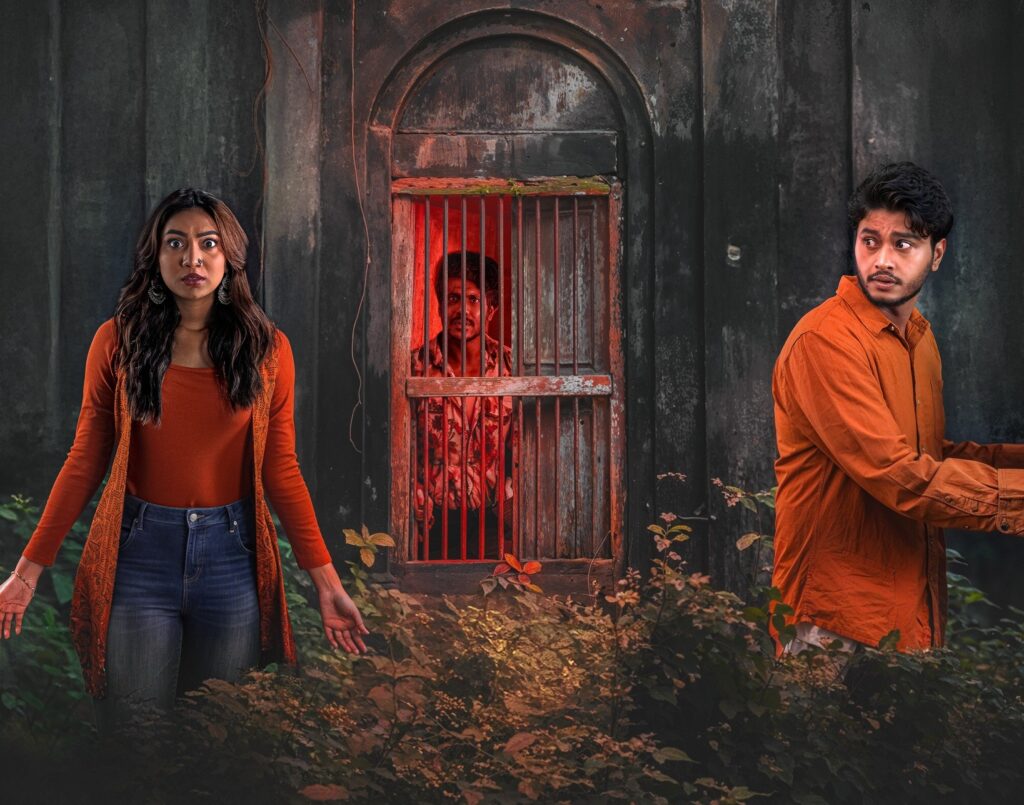
While Aatka frames itself as horror, its true core lies in family drama. The Rahman household is familiar to anyone who has lived in South Asian family structures. There is love here, but also control. There is pride, but also repression.
Everyone has their role to play, and Fayaz’s deviation from the script is what introduces the horror, not just for his family, but for the audience, who slowly realize that ghosts are not the only things that haunt us.
What makes the story feel grounded is that its fear is not limited to flickering lights or creepy corridors. It is the kind of fear that comes from silence after a dinner table argument. The kind that lives in passive-aggressive glances and offhanded comments about “respectable careers.” The horror is not just external. It is internalized, and Aatka lets it simmer just enough to unsettle.
Performances That Carry the Weight
Arosh Khan’s portrayal of Fayaz is heartfelt and refreshingly restrained. He is not your usual rebellious protagonist. He hesitates, second-guesses, and struggles to articulate his frustration. That vulnerability is what makes him so believable. Sunerah Binte Kamal brings a quiet strength to her role as Chumki. Her chemistry with Arosh is understated yet emotionally affecting. Their romance is tender without being showy, echoing the film’s overall commitment to subtlety.
Shohel Mondol plays one of the show’s most intriguing characters, appearing as a mysterious figure whose backstory is rich with potential but remains mostly untapped. His performance is compelling enough to make us wish there were more episodes. In one of the most unexpectedly delightful scenes, Sumon Anowar appears in a brief, comic cameo involving a cigarette. It is a moment that breaks the tension just enough to make the next scene hit harder.
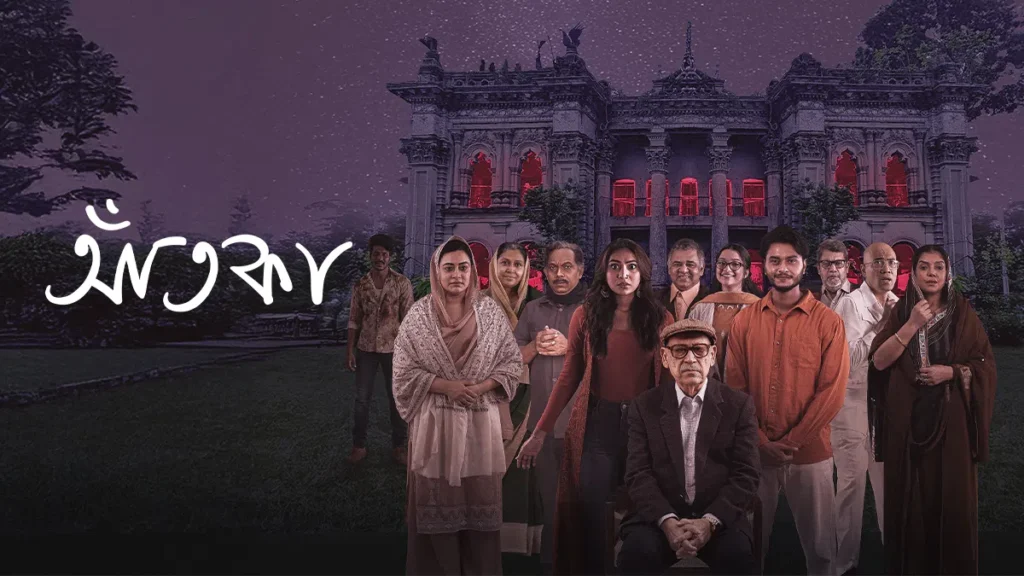
Veteran actors like Abul Hayat and Rosey Siddiqui lend gravitas to the Rahman family. They embody the generational weight that crushes Fayaz’s aspirations. While some characters feel underdeveloped, their presence adds texture, even if not every subplot gets its due.
Atmosphere Over Action
True to Nidhi’s musical roots, Aatka leans heavily on sound and atmosphere. The background score, especially the title track and the romantic interlude, lingers long after the scenes end. The cinematography is similarly unflashy but deliberate. Slow pans, tight close-ups, and thoughtful use of shadow all contribute to a creeping tension.
The horror elements are never overbearing. They emerge organically from the story and do not feel like genre requirements. Instead of terrifying the audience, Aatka unsettles them, and that is often more effective.
A Finale That Feels a Beat Too Soon
If Aatka stumbles anywhere, it is in its length. With only five episodes, the narrative sometimes feels hurried.
Shohel Mondol’s character, in particular, could have benefited from a visual backstory rather than just exposition. The ending, while not unsatisfying, arrives a little too quickly. There is a sense that something more was about to be revealed, but the screen fades to black. Hints of a second season offer promise, but the first installment leaves you wishing for just a bit more space to breathe.
More Than Just a Horror Story
Aatka is not just about ghosts in the hallway or shadows at the window. It is about the ways we get stuck, between family and selfhood, duty and desire. It is about the haunting of what could have been. Through its careful performances, sharp writing, and atmospheric direction, Aatka crafts a world where horror and heartbreak live side by side.
For those seeking jump scares and slasher tropes, this might feel too quiet. But for viewers open to a slower, more reflective kind of dread, the kind that seeps in through the cracks of everyday life, Aatka is one of the most thoughtfully eerie stories to come out of the Bangladeshi streaming scene in recent years.