



Where intention meets everyday beauty
By Ayman Anika
Eid tables in Bangladesh have always carried meaning beyond food. They are where family hierarchies soften, where neighbours turn into guests, where stories travel between plates of polao and bowls of firni.
Yet, in recent years, the way we set our Eid tables has quietly changed. Not towards excess or showmanship, but towards intention. Thoughtful table styling is no longer about impressing guests with abundance. It is about creating a space that feels welcoming, calm, and considered.
The good news is that an Eid table does not need expensive décor or imported accessories. What it needs is coherence. When every element has a purpose, the table feels complete without trying too hard.
Start with the base, not the centrepiece
The foundation of a well-styled table is not the food. It is the surface. A clean tablecloth or a linen runner instantly sets the tone. Linen works particularly well for Eid because it feels festive without being shiny or formal. Neutral shades like off-white, beige, soft grey, or muted pastels allow the food to remain the visual focus.
If a full tablecloth feels excessive, a runner down the centre of the table is a practical alternative. It frames the spread without hiding the table itself. Cotton or handwoven runners also age well and can be reused for other occasions, making them a sensible investment rather than a seasonal indulgence.
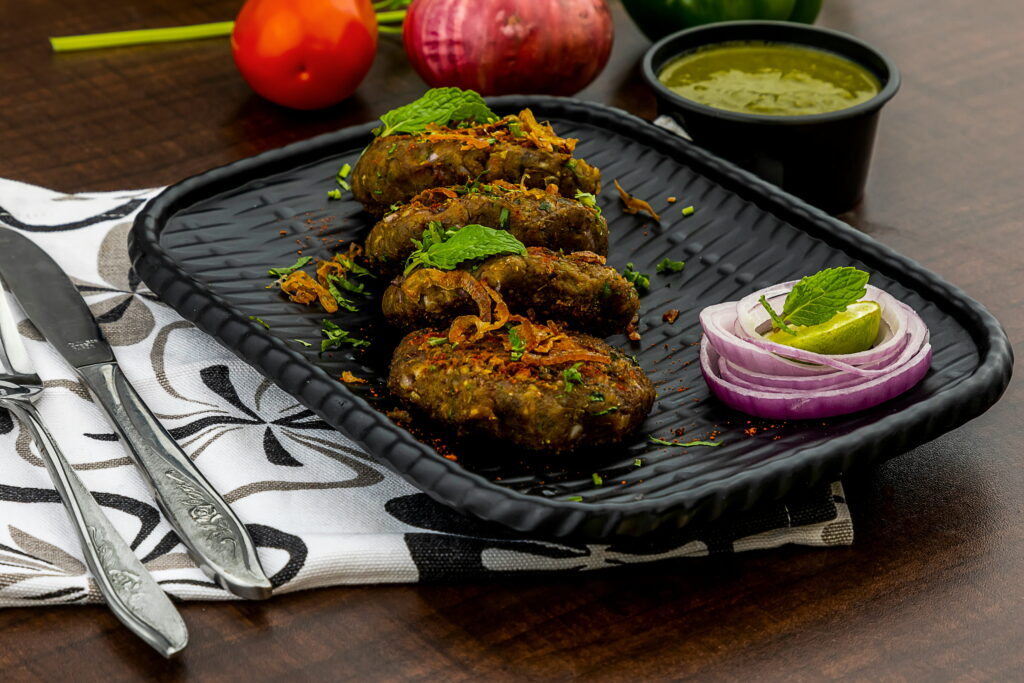
Avoid plastic or synthetic covers unless absolutely necessary. They reflect light awkwardly and tend to clash with ceramic or glass serveware.
Serveware that does the quiet work
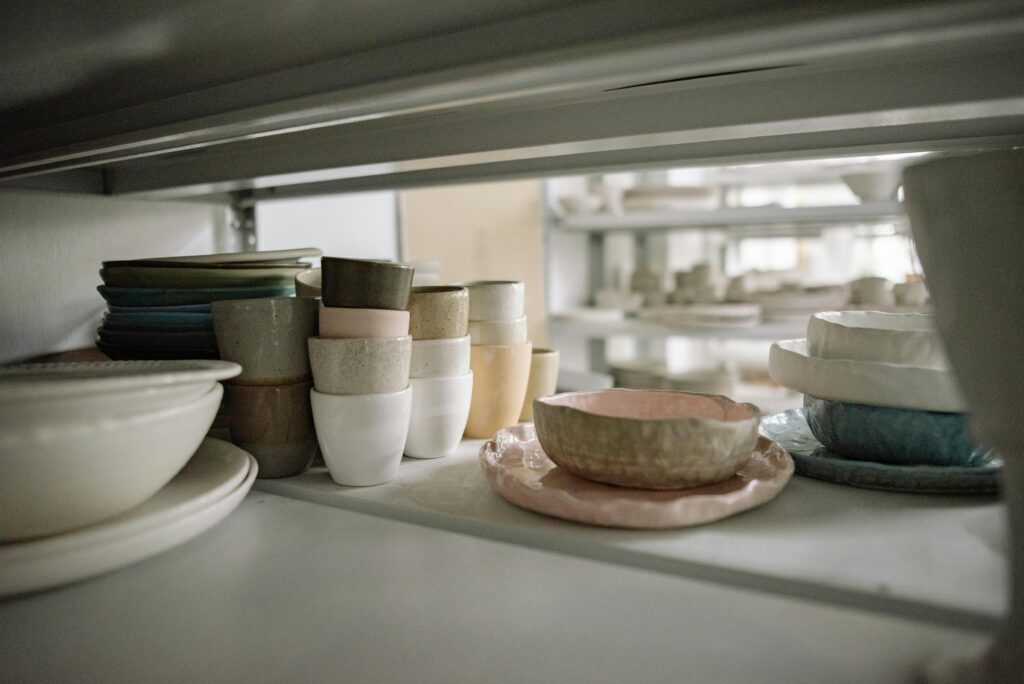
Ceramic serveware has become increasingly popular in Bangladeshi homes for a reason. It is sturdy, versatile, and visually grounding. For Eid, mismatched ceramic bowls and platters often work better than full matching sets. They feel collected rather than curated.
Use larger platters for shared dishes like korma or roast, and smaller bowls for chutneys and salads. Matte finishes photographs better and feel more contemporary than glossy ones, but both can coexist if the colour palette is restrained.
If you have brass or steel serving pieces, use them selectively. One or two metallic elements can add depth, but too many create visual noise. The idea is balance, not uniformity.
Avoid overcrowding the table with too many dishes at once. Serve in rounds if necessary. A breathable table feels more generous than a cramped one.
Fresh flowers, but keep them honest
Flowers on an Eid table should never compete with food. They should support it. Low arrangements work best so that guests can see each other without obstruction. A single glass vase with tuberose, marigold, roses, or even fresh leaves can be enough.
If flowers are not available, greenery works just as well. A few sprigs of curry leaves, lemon leaves, or even potted herbs placed along the table create a fresh, grounded look.
Avoid artificial flowers. They collect dust, look dated, and add nothing to the sensory experience of the meal.
Candles can be used sparingly for evening meals, but only if the table is stable and well spaced. Soft light enhances food presentation, but safety should always come first.
Intentional plating changes everything
Plating is not about restaurant aesthetics. It is about respect for the food and the people eating it. When dishes are thoughtfully plated, even simple recipes feel special.
Instead of serving rice in the cooking pot, transfer it to a wide platter and fluff it lightly. Garnish with fried onions, herbs, or a few whole spices to indicate care. For curries, wipe the edges of bowls clean before placing them on the table. These small details signal attentiveness.
Use serving spoons that fit the dish. Oversized ladles for delicate items create mess and frustration. Practicality is part of good design.
If you are serving desserts, consider bringing them out separately. Ending the meal with a cleared table and a fresh setup for sweets creates a natural pause and makes the moment feel intentional rather than rushed.
Personal touches matter more than trends
An Eid table becomes memorable when it reflects the people around it. Family heirloom plates, a familiar serving bowl, or a hand-embroidered napkin instantly add warmth. These items carry stories, and stories are what guests remember long after the meal.
Printed place cards or handwritten notes can be used if the gathering is large. They do not need to be decorative. A simple paper with clear writing is enough. The gesture matters more than the design.
Music, scent, and pacing also affect how a table feels. Strong incense or room fresheners can interfere with food aromas, so keep fragrances subtle. Let the food lead.
Practical elegance over perfection
Eid hosting can be exhausting, especially for those managing kitchens, guests, and family dynamics simultaneously. The goal of table styling is not perfection. It is ease. A well-set table should make serving simpler, not harder.
Choose items that are dishwasher safe if possible. Use stackable plates. Keep napkins within reach. Thoughtful design always considers function.
In the end, a beautiful Eid table is not defined by symmetry or expense. It is defined by care. Care in choosing what to include and what to leave out. Care in how food is served. Care in creating a space where people feel comfortable staying a little longer.
That is what lingers after the plates are cleared.