


Abak Hussain
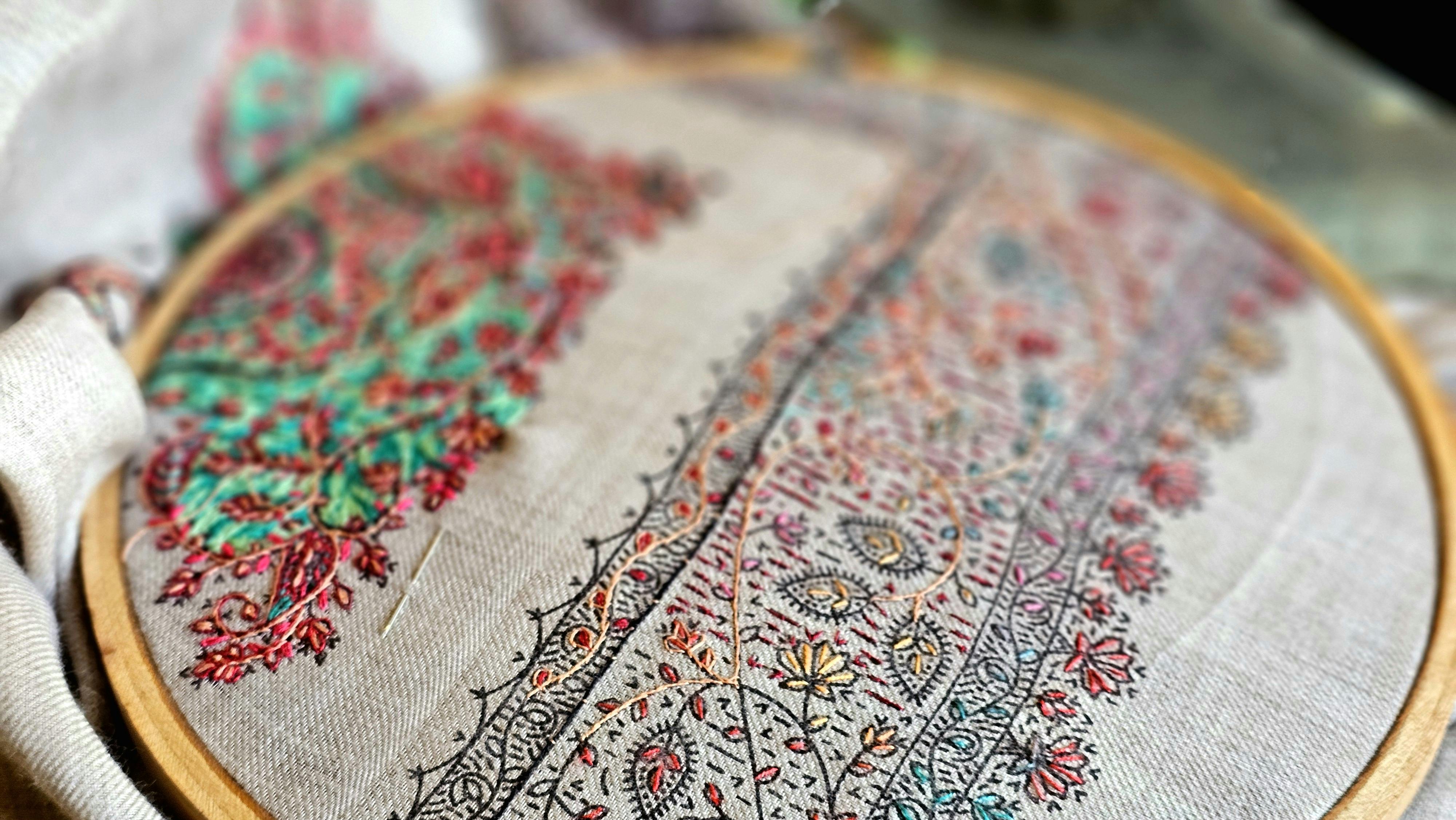
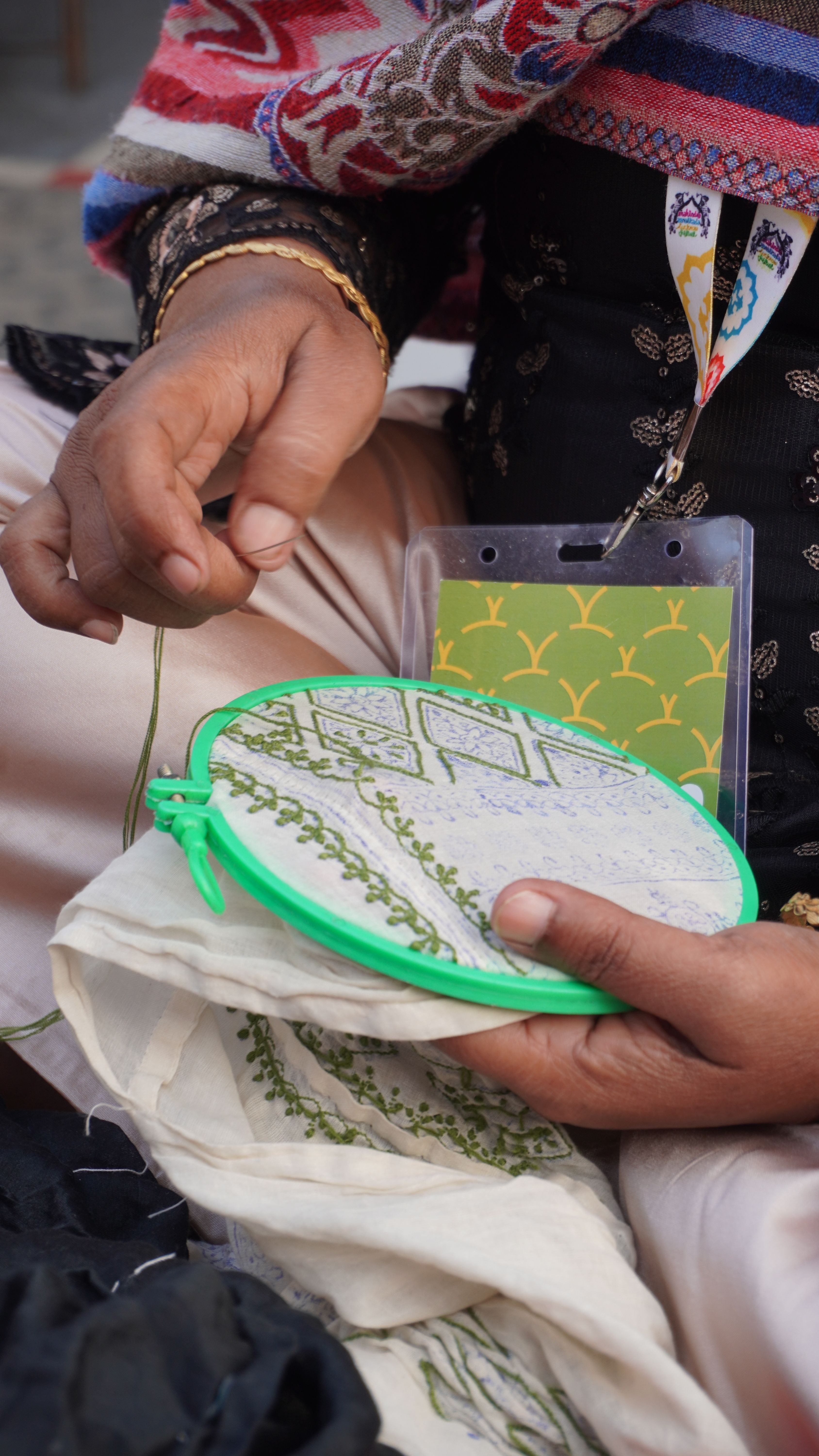
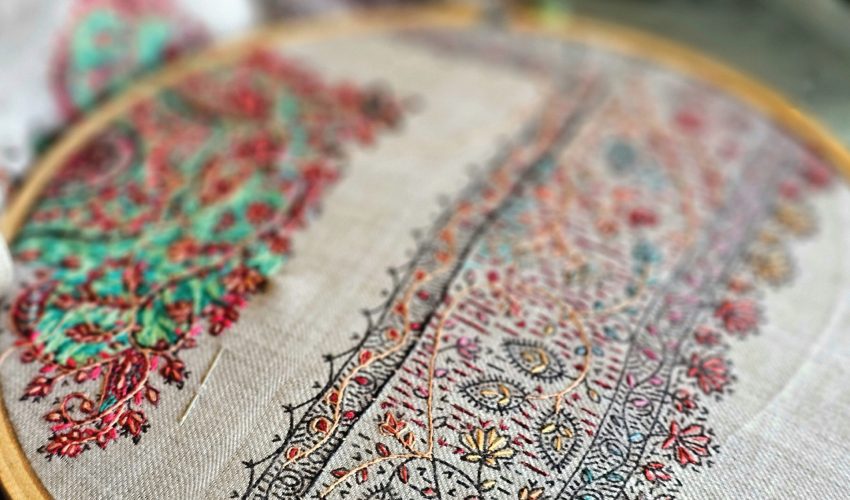
Before stories were told with words and sentences, they were told with images. The hieroglyphics of the Egyptians are some of the oldest writings, and ancient pictographic scripts such as the Chinese languages are the progeny of pictures. They do not spell out words phonetically, but rather convey a meaning at a glance. Cave paintings are the early forms of structuring a narrative; impromptu shadow theater is a precursor to cinema. Images are powerful, and cultures have always told their stories visually, in their own traditions. The quintessential Bangladeshi artefact is the nakshi kantha, or the embroidered quilt. And within the stitches are stories: emotion, memory, generational trauma; small stories part of a much larger whole, which is pastoral life in Bangladesh itself.
Modern life changes fast, but when we think of village life, there is a certain eternal quality to it. No wonder this eternal quality is the soul of our poetry. Jasimuddin, the polli kobi, the village bard, captured the essence like no other poet. One of his most iconic works is the verse cycle Nakshi Kanthar Math, written in 1929. It was later translated as The Field of the Embroidered Quilt by EM Milford. The spirit of this poem has seeped into the soil of our national consciousness, and so, even those not directly familiar with Jasimuddin’s works will sense a feeling of kinship: the allure of a rural world we may or may not have experienced in our own lifetimes. Perhaps it is that ancestral pull in our blood and our genes, something deeper than what we consciously know about ourselves.
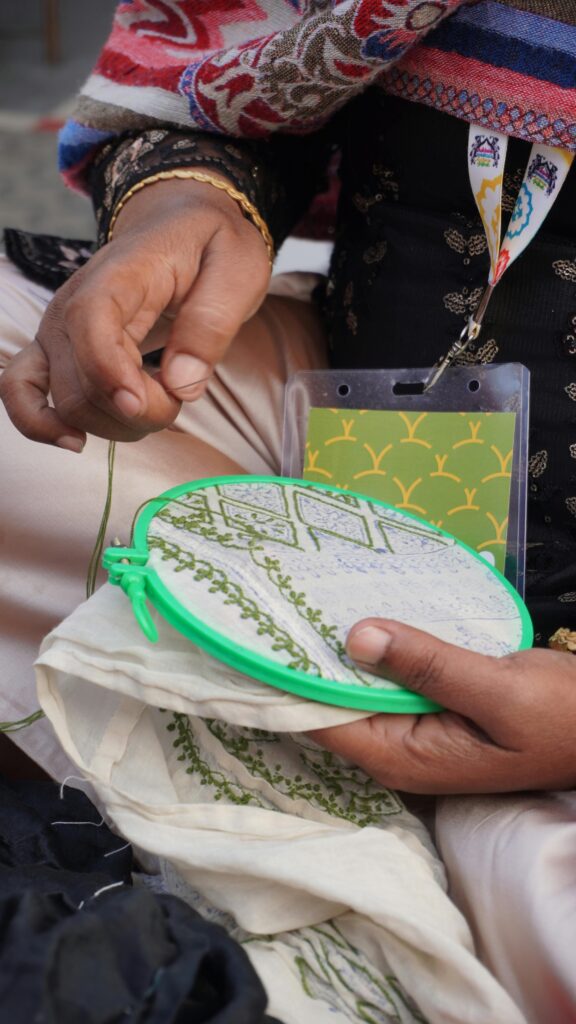
Here is quilt as emblem, quilt as a symbol for hopes, sorrows, and thwarted expectations under the great blue rural sky. As such, the quilt is life itself, because it preserves a certain story. And in all this time, the method of inscription, based on pure needlework and skill, has hardly changed, passed down from mother to daughter through uncountable generations. In Jasimuddin’s timeless fable we meet the young lovers Saju and Rupai. After some contentious events, the boy Rupai flees, leaving the young bride Saju all alone, waiting, waiting, waiting for Rupai to return. She begins to stitch together a nakshi kantha, pouring her heart into it. The quilt becomes an ever-growing repository for her memories, her sorrows, her hopes. Every writer or poet will be able to relate to this: is our work not a piece of who we are, something we hope will outlast our mortal bodies? And so, the nakshi kantha becomes an emblem of her very soul. Before her untimely death, Saju requests her mother to place the quilt on top of her grave, the field thereafter becoming known as nakshi kanthar math.
Some of the spirit of the original might be lost in translation, but here I cite from the English version of the text, which does convey the raw power of the epic fable: “Spreading the embroidered quilt/ she works the livelong night/ as if her poets were/ on his bereaved plight. Many a joy and many a sorrow/ Is written on her breast; The story of Rupai’s life is there, Line by line expressed. ‘How will he bear the pain, mother? A glimpse of our culture, all my pain and my grief/ embroidered line by line/ So lay it on my grave, mother/ This picture of my grief/ That his and mine upon its breast/ May mingling find relief.”

What Saju has done here is what many other households have also done over the decades, imbuing the nakshi kantha with meaning, and so the concept of this type of quilt starts to feel like an overarching protective presence, akin to a grand cultural heirloom. And yet, the continued presence of nakshi kantha is not something we have ever been able to take for granted. Like so many fixtures of village life, modernization has continuously threatened it. The origins of nakshi kantha are ancient, and precise histories are hard to come by, but one thing is for sure: it is quintessentially ours. Nakshi kantha was born and evolved in the lands that are now Bangladesh, long before there was a nation-state called Bangladesh, long before Partition, and even before the sub-continent was made into a British colony. It survived tumultuous historical upheavals, weaving itself into the very fabric of rural life. Nowadays, it is sometimes hard to find the thread of our culture, the noises of urban life and modern hustle can be so deafening. Many of us were born in the city and have no direct connection to green fields and mud huts of rural life. But the urban explosion, in the grand scheme of things, is very recent. Our culture, our language, our arts, our crafts, all the things carry the indelible DNA of our rural origins. The feeling of comfort, recognition, and safety when draped in a familiar nakshi kantha: what is that feeling if not the snug feeling of coming home, straight into the affectionate embrace of our ancestors?
In the face of mass marketing and disposable fashion, we as a culture have worked hard to preserve this invaluable tradition, and so we should. Nakshi kantha, by definition, is patchwork. As such it has traditionally been made by recycled and recyclable materials: old sarees, lungis, other fabrics, even previously loved kanthas. They are, first and foremost, utilitarian. They are sustainable, and apply a zero waste philosophy to textile production. The very opposite of crass commercialism, nakshi kantha is made individually, with time and purpose; a true labor of love. Often, a newborn baby will be wrapped in a kantha, an infant’s introduction to warmth and comfort; but it is also symbolic in a way, of how we are draped in the stories of those who came before us. How symbolic, how beautiful, how apt, then, to have a nakshi kantha draped over one’s grave? Because in the end, are we not the many stories that are stitched together into a complete and beautiful life?
Abak Hussain is Contributing Editor at MW Bangladesh.
Pictures:
https://images.pexels.com/photos/35623927/pexels-photo-35623927.jpeg (Muhammad Khawar Nazir)
https://images.pexels.com/photos/36323704/pexels-photo-36323704.jpeg (Ketan Shanker)