



Some lives pass through history.
Others pause it, frame it, and leave it behind
By Neha Shamim
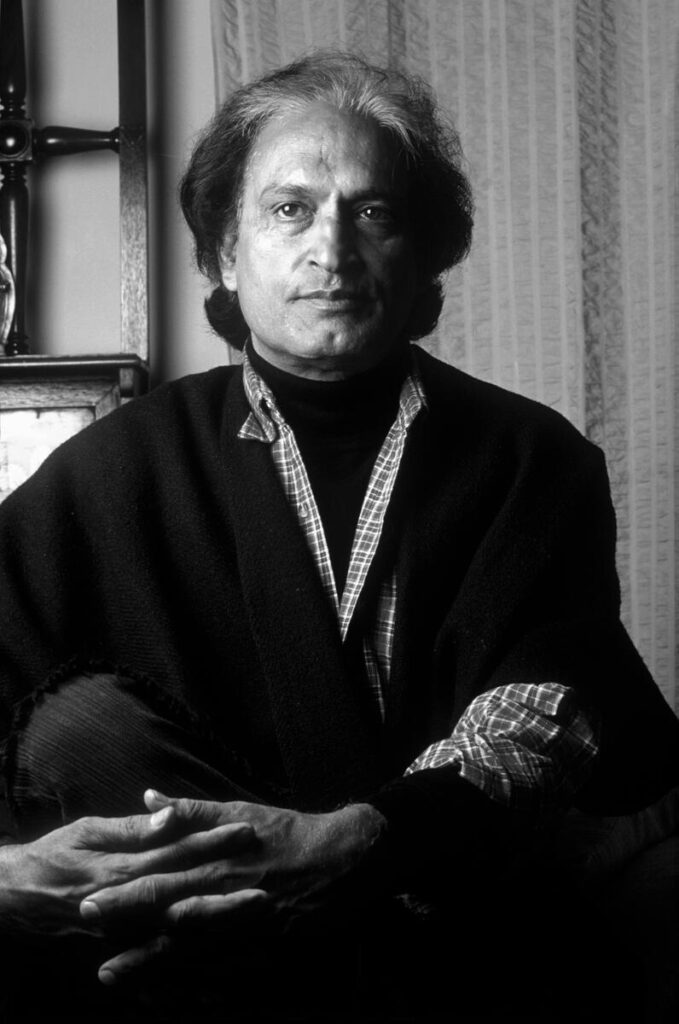
For more than six decades, Raghu Rai stood where history unfolded and where ordinary life quietly carried on. With a camera in hand and an unending curiosity about people, places, and the ever-changing rhythm of India, he became one of the most important visual storytellers of our time. Yet to describe him merely as a photographer would be to miss the essence of his work. He was a witness. He was a listener. He was someone who understood that a photograph was not only about what appeared before the lens, but about the emotions, memories, and stories that existed within that moment. Through his eyes, crowded streets became poetry, strangers became familiar, and everyday life revealed its extraordinary depth. From the turbulence of political change to the intimacy of a child’s smile, from the silence of prayer to the resilience of communities facing unimaginable hardship, Raghu Rai photographed not only what he saw, but what he felt. His images captured India in all its contradictions, its beauty and struggles, its celebrations and sorrows, its faith and uncertainties. They reminded us that photography is not simply about recording history; it is about understanding the heartbeat of a place and preserving the human experiences that define it. In doing so, Rai created a visual archive that transcended borders and generations. His photographs became mirrors through which nations could see themselves and windows through which the world could better understand the complexity of human life.
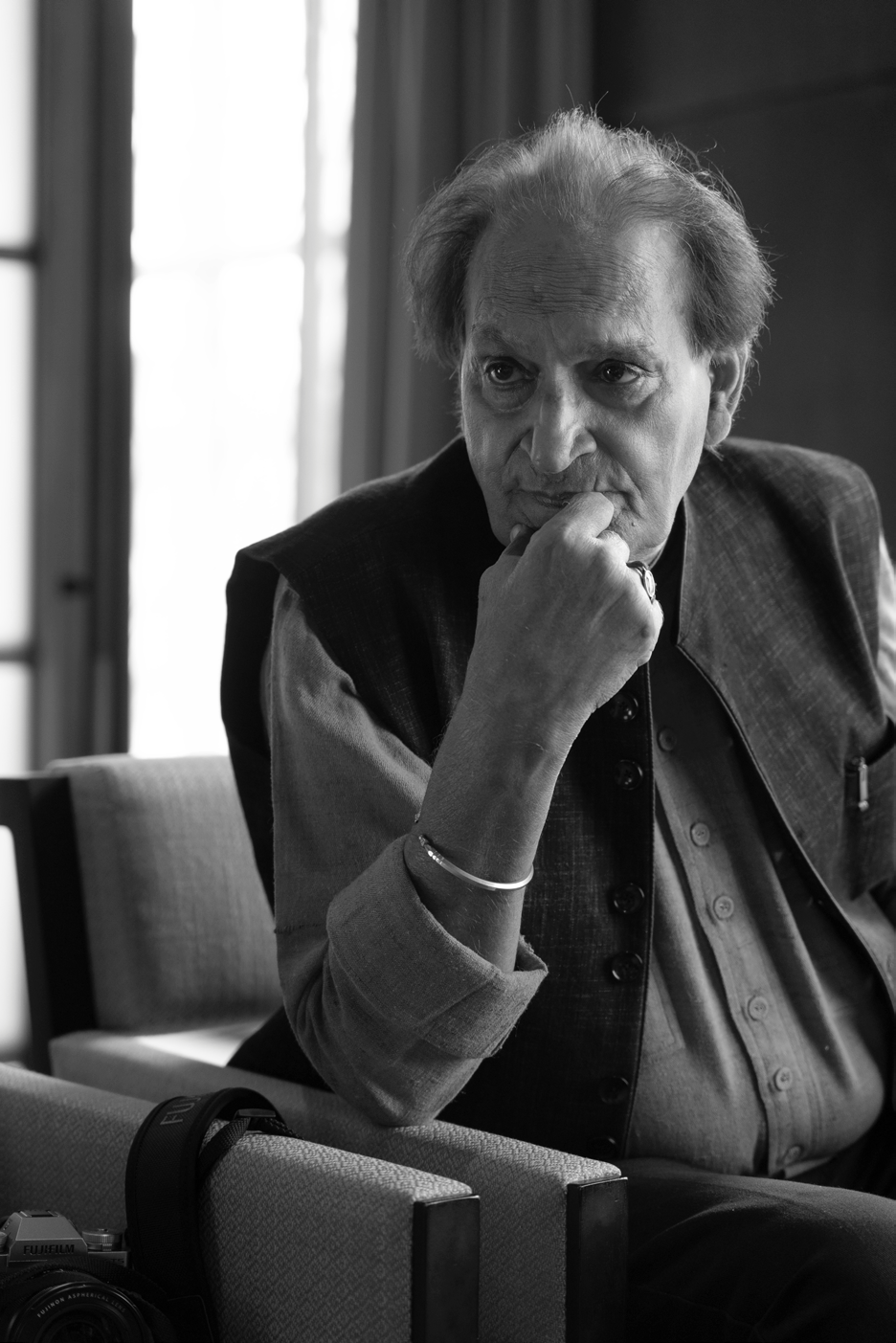
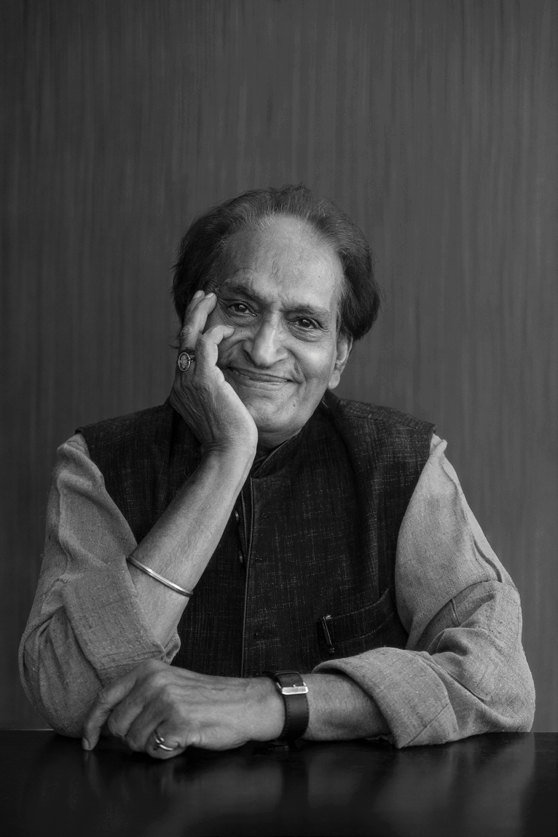
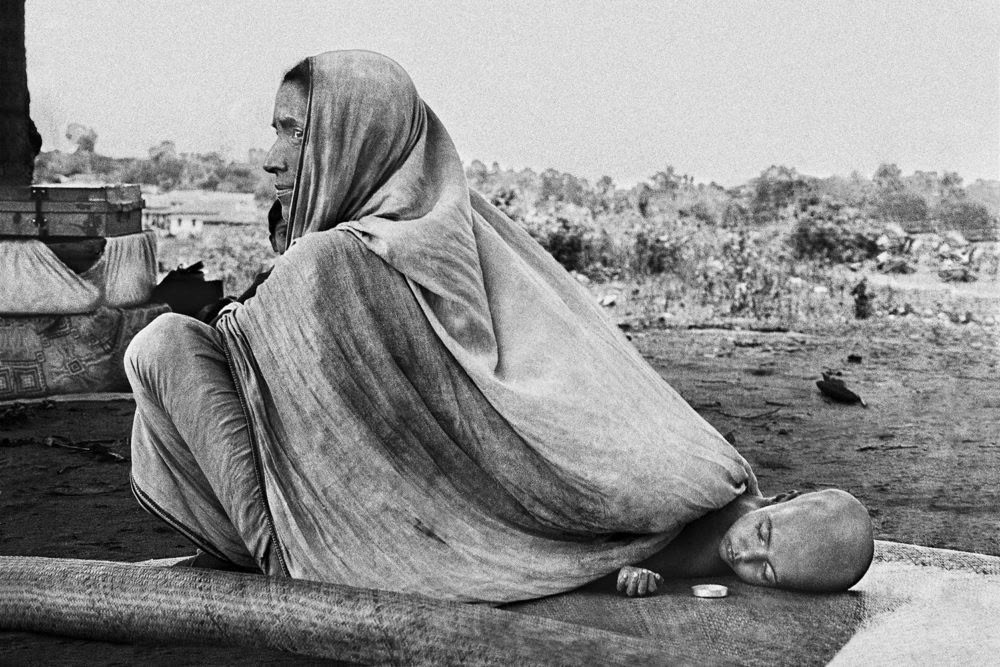
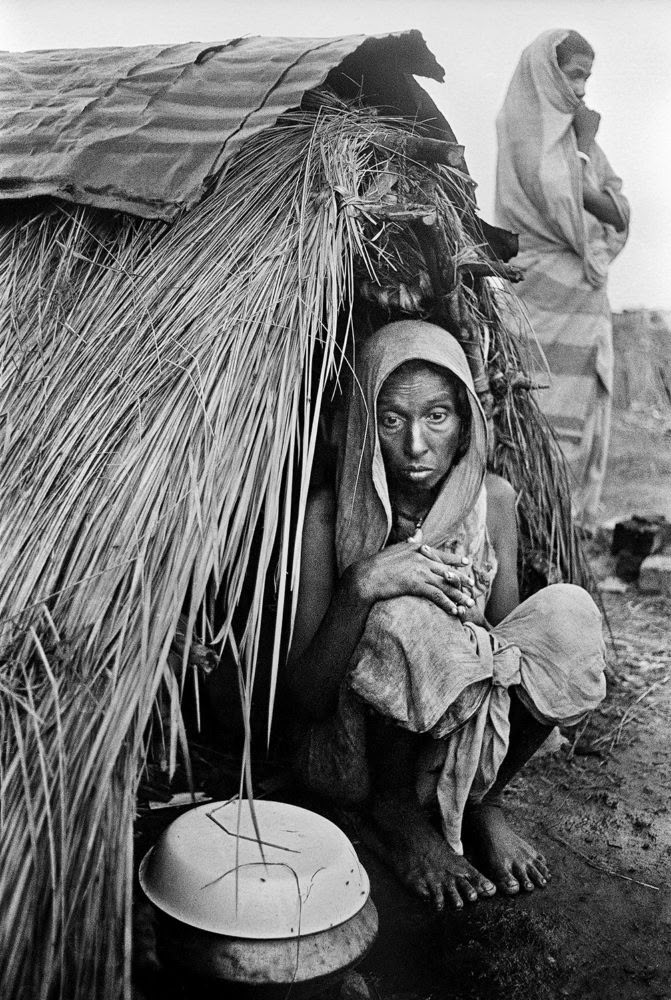
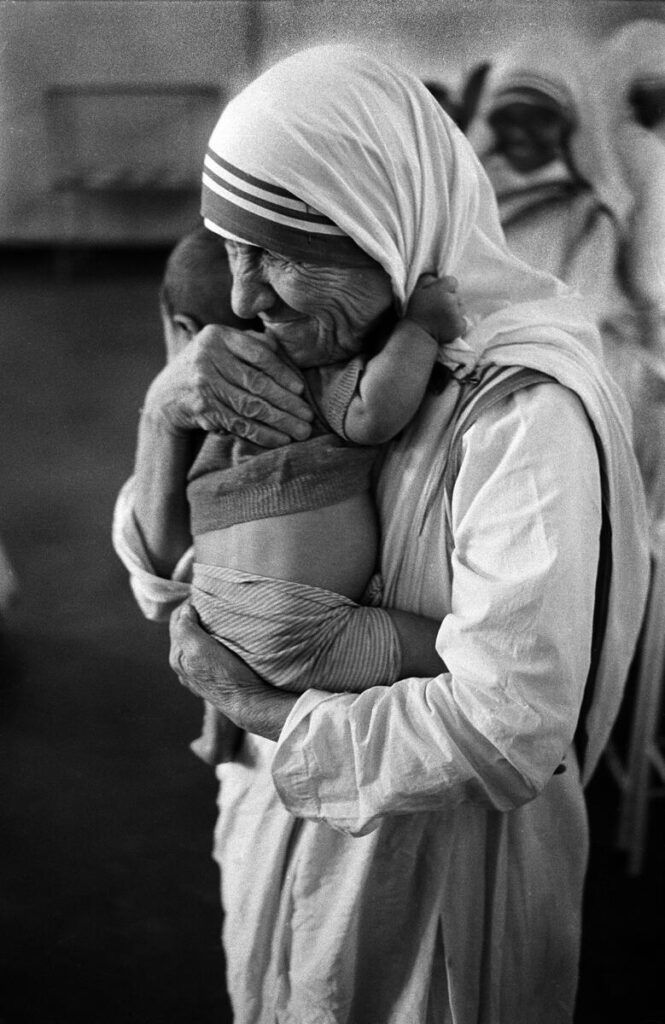
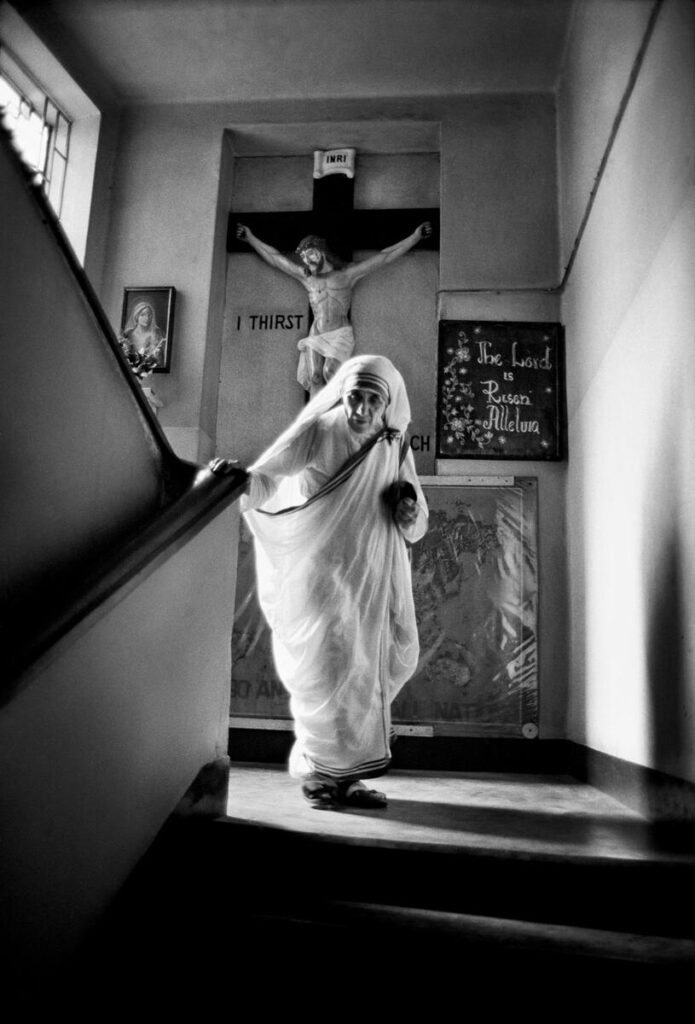
There are artists whose work draws attention, and then there are artists whose work stays with us long after we have encountered it. Raghu Rai belonged firmly to the latter. Over a career spanning more than six decades, he built one of the most significant photographic archives of modern India, capturing moments that shaped the history of a nation and the lives of its people. From the Bangladesh Liberation War of 1971, where he documented the birth of a nation and the struggles of displaced communities, to the Bhopal Gas Tragedy, where he recorded the devastating human cost of one of the world’s worst industrial disasters, his photographs became powerful testimonies of resilience and survival. His portraits of Mother Teresa, the Dalai Lama, and political figures such as Indira Gandhi revealed not only their public identities but also their humanity beyond the headlines. In 1977, his unique vision was recognized when Henri Cartier-Bresson invited him to join Magnum Photos, making him the first Indian photographer associated with the collective. Yet beyond the accolades, awards, and international recognition, what truly distinguished Raghu Rai was his ability to find the soul within every frame. He believed photography came from the heart, from the ability to look closely, feel deeply, and remain connected to the world around him. As we bid farewell to one of photography’s most influential voices, we turn to the images he left behind, photographs that continue to illuminate history, preserve memories, and remind us of the beauty, complexity, and resilience of the human spirit. In the pages that follow, we retrace that remarkable journey through the photographs that became his lifelong conversation with the world.
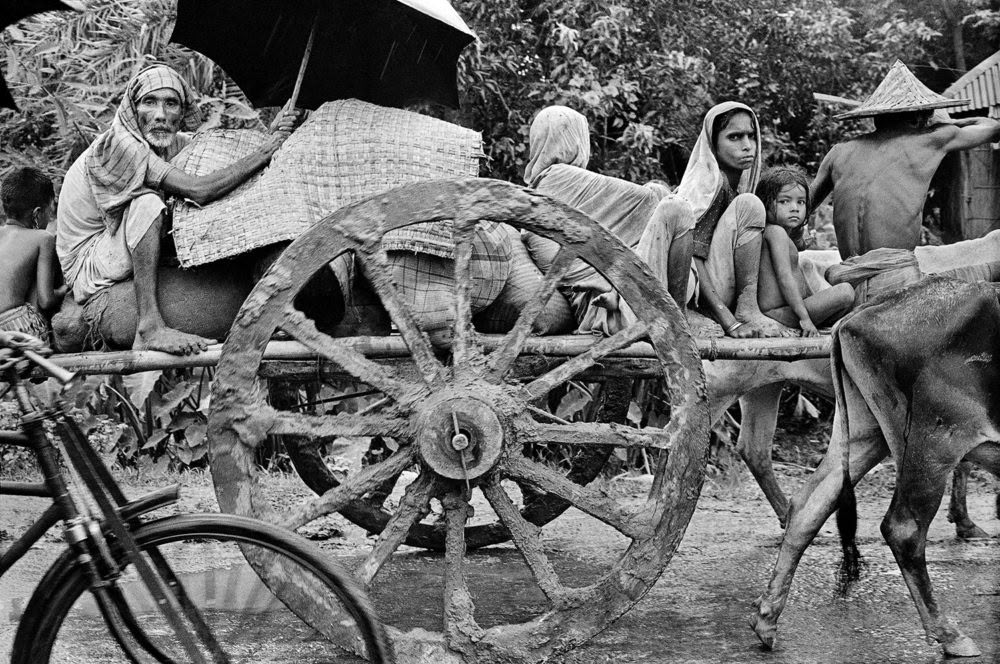
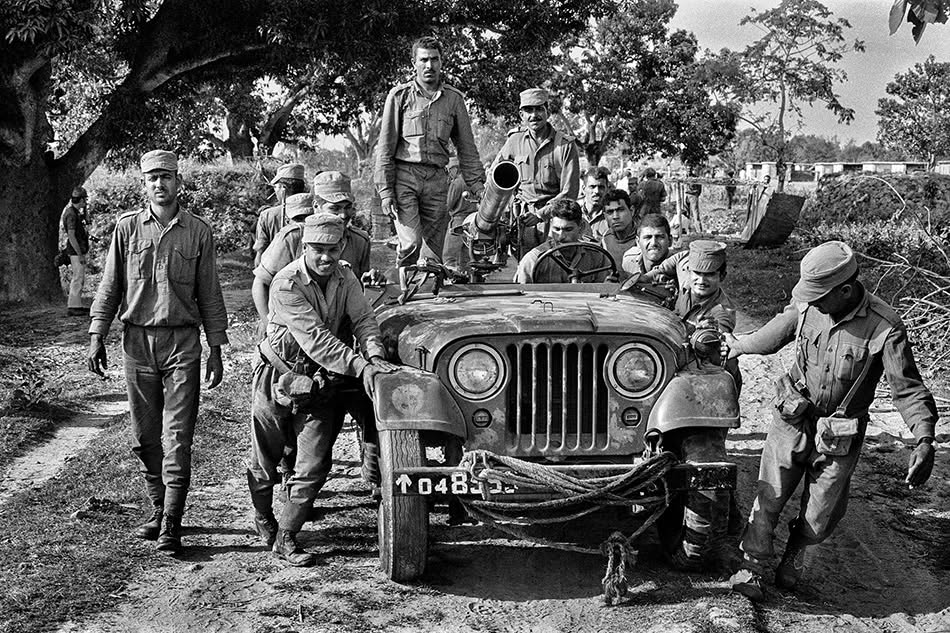
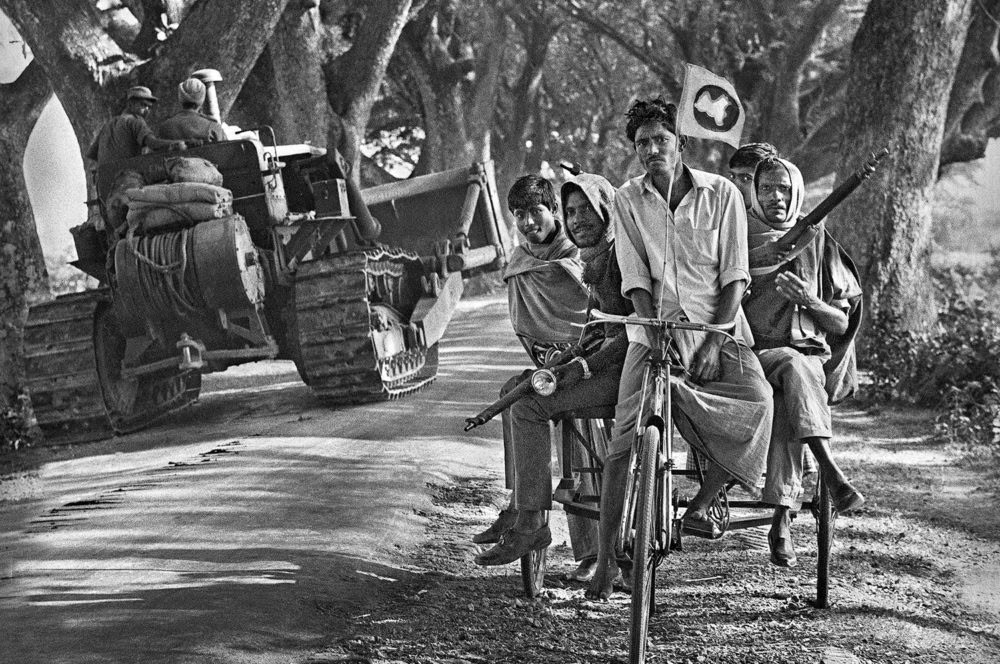
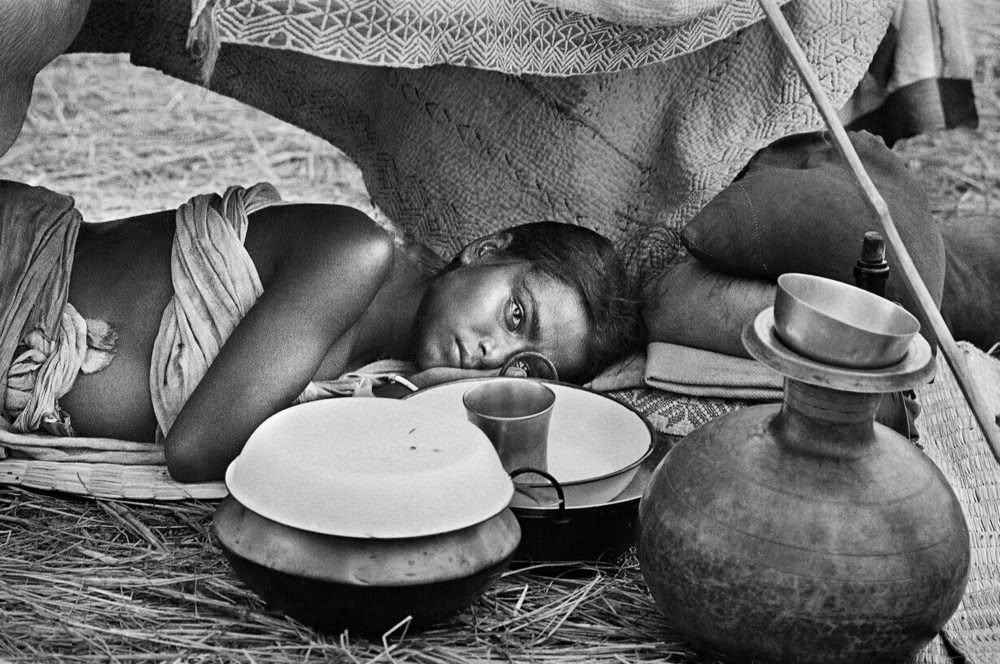
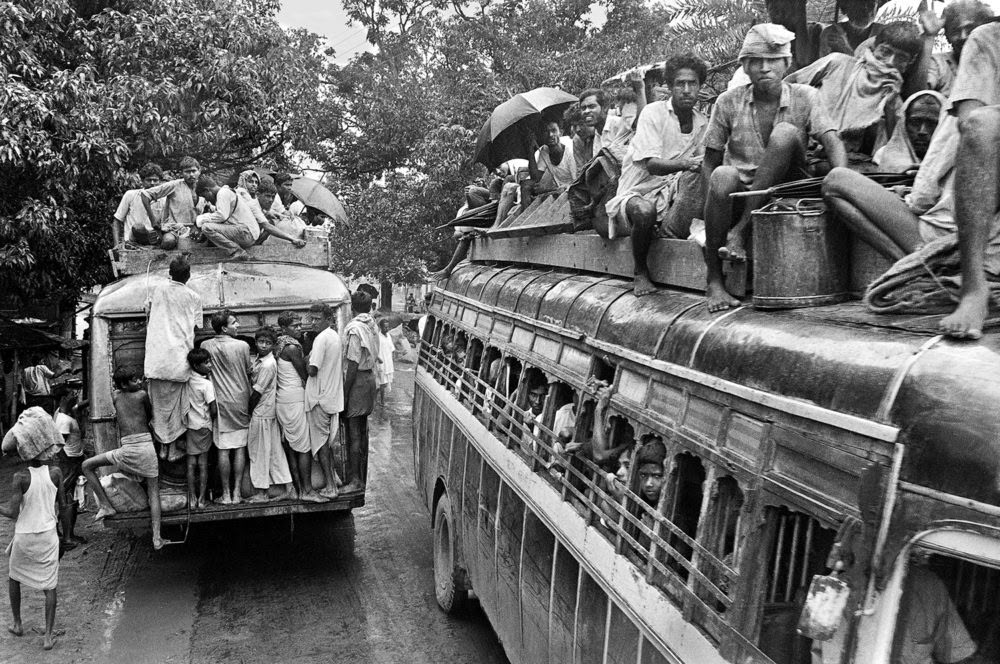
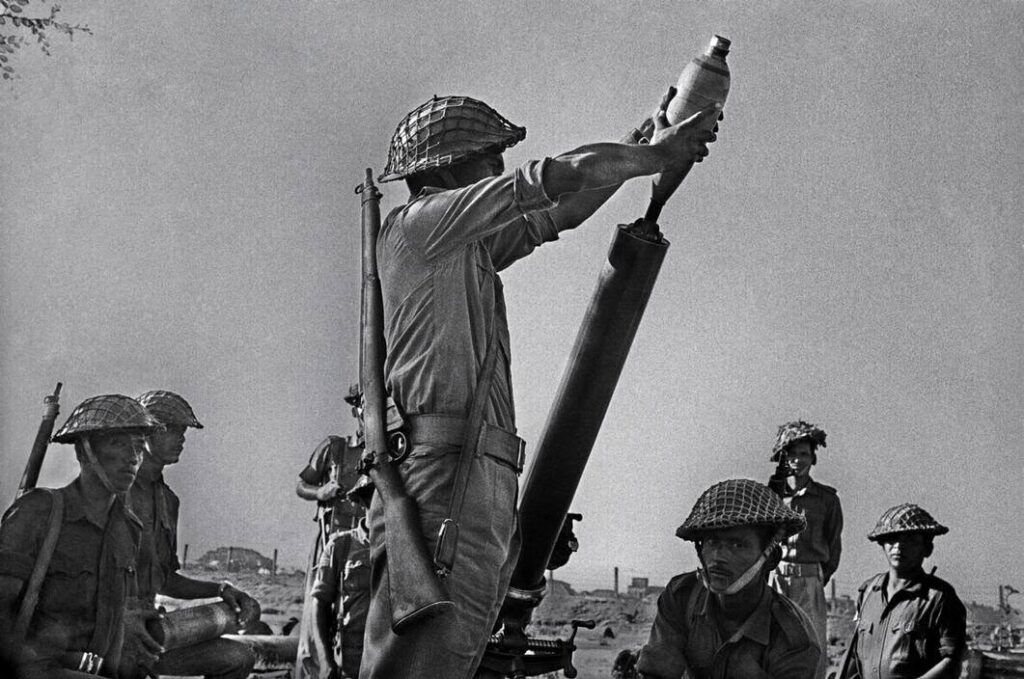
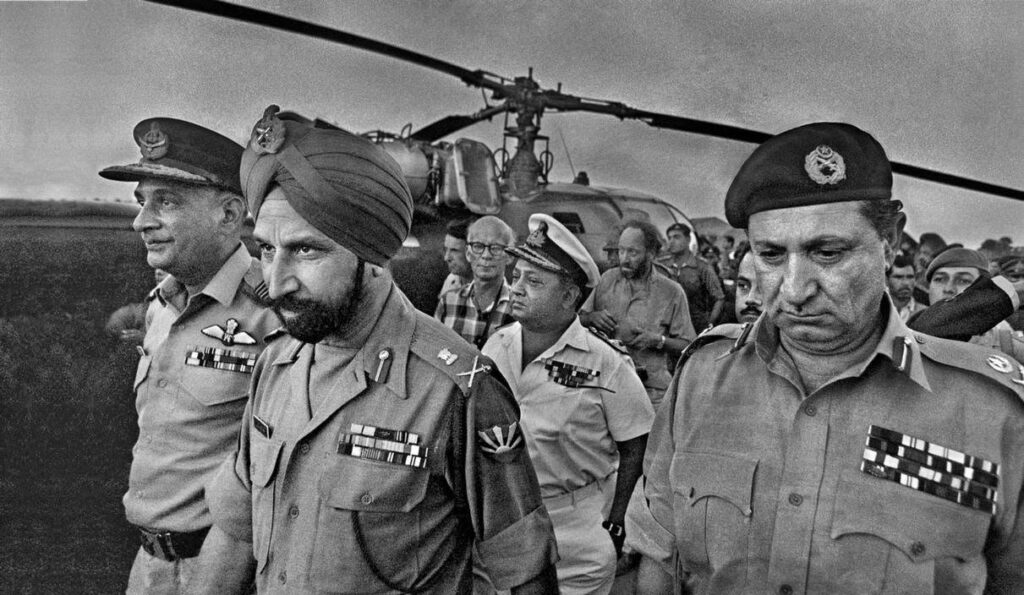
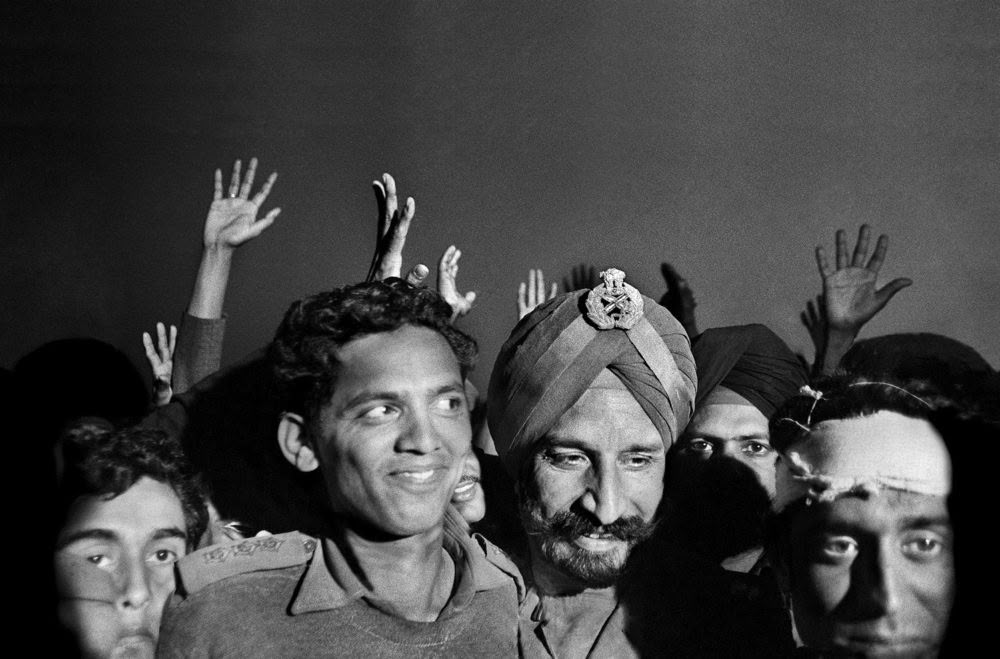
A special segment dedicated to 1971, the Bangladesh Liberation War, where Raghu Rai documented one of the most defining moments in Bangladesh’s history. Through his photographs, he captured not only the realities of war, but also the courage, suffering, and resilience of the people who lived through it. As we turn these pages, we witness history through the eyes of one of India’s greatest photographers, but also revisit the human stories that shaped the birth of a nation.
The camera has fallen silent,
but the moments it gathered still speak.
**Credits:**
Photographs: Raghu Rai
Archival images accessed through Bangladesh Old Photo Archive (Facebook)
Research & biographical references: Magnum Photos, India Art Fair, National Geographic India, Amnesty International, and Raghu Rai’s published works.