



MW Bangladesh’s Reimagines Hason Raja
By MWB Desk
On a rainy evening in Dhaka, Hason Raja returned.
Not as a portrait on a wall, or as a safe, distant figure from Bengali folk history. He returned as questions. What remains of a person when wealth loses its charm? Why do songs written more than a century ago still find their way into rooms full of modern people with phones in their hands and traffic waiting outside?
These questions shaped the atmosphere of ‘Songs of Bengal: Pran Bondher Shone,’ held on 12 June 2026, at Aloki Convention Centre. Organised by MW Magazine Bangladesh in partnership with MAYA, the natural wellness brand of Square Toiletries Limited, the evening paid tribute to Dewan Hason Raja Chowdhury, one of Bengal’s most enduring mystic poets and lyricists.
Rain delayed the start of the programme, but the delay almost felt appropriate. Hason Raja’s songs come from a landscape where water is not background scenery. The haor, the river, the open sky, the slow shifts of rural life, and the distance between one human heart and another all shaped his imagination.
So, when guests arrived through rain and traffic, the city itself seemed to be preparing them for the evening.
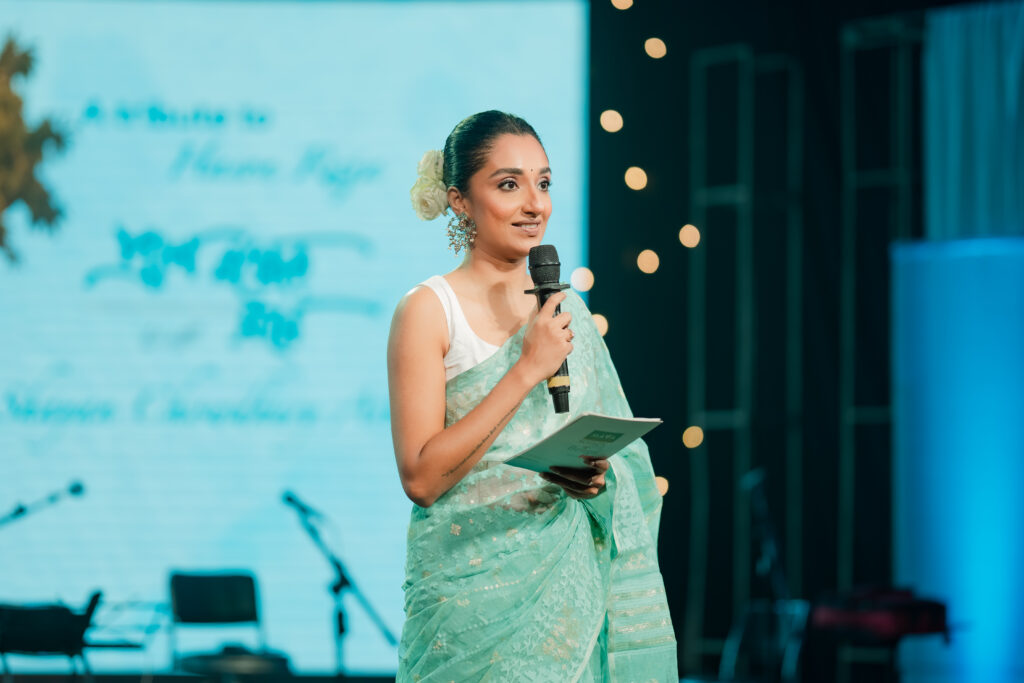
Inside Aloki, the mood was warm and expectant. There were cultural figures, actors, artists, corporate guests, journalists, and longtime admirers of Bengali music. And before the performances began, Sarah Alam, the emcee for the evening, placed Hason Raja’s story before the audience.
A Heartfelt Tribute to Hason Raja
In her welcome address, Rumana Chowdhury, Editor and Publisher of MW Magazine Bangladesh, explained the thinking behind the programme.
“Since the beginning of MW Bangladesh’s journey, we have believed that culture is not just something to be preserved in its old form; it must be felt anew,” she explained. “Today’s event is an expression of that belief.”
This perspective gave the evening its framework. MW’s intention was not to present folk music as something distant, academic, or fixed in the past. The aim was to make it available again, in a form that could be understood and felt by contemporary listeners.
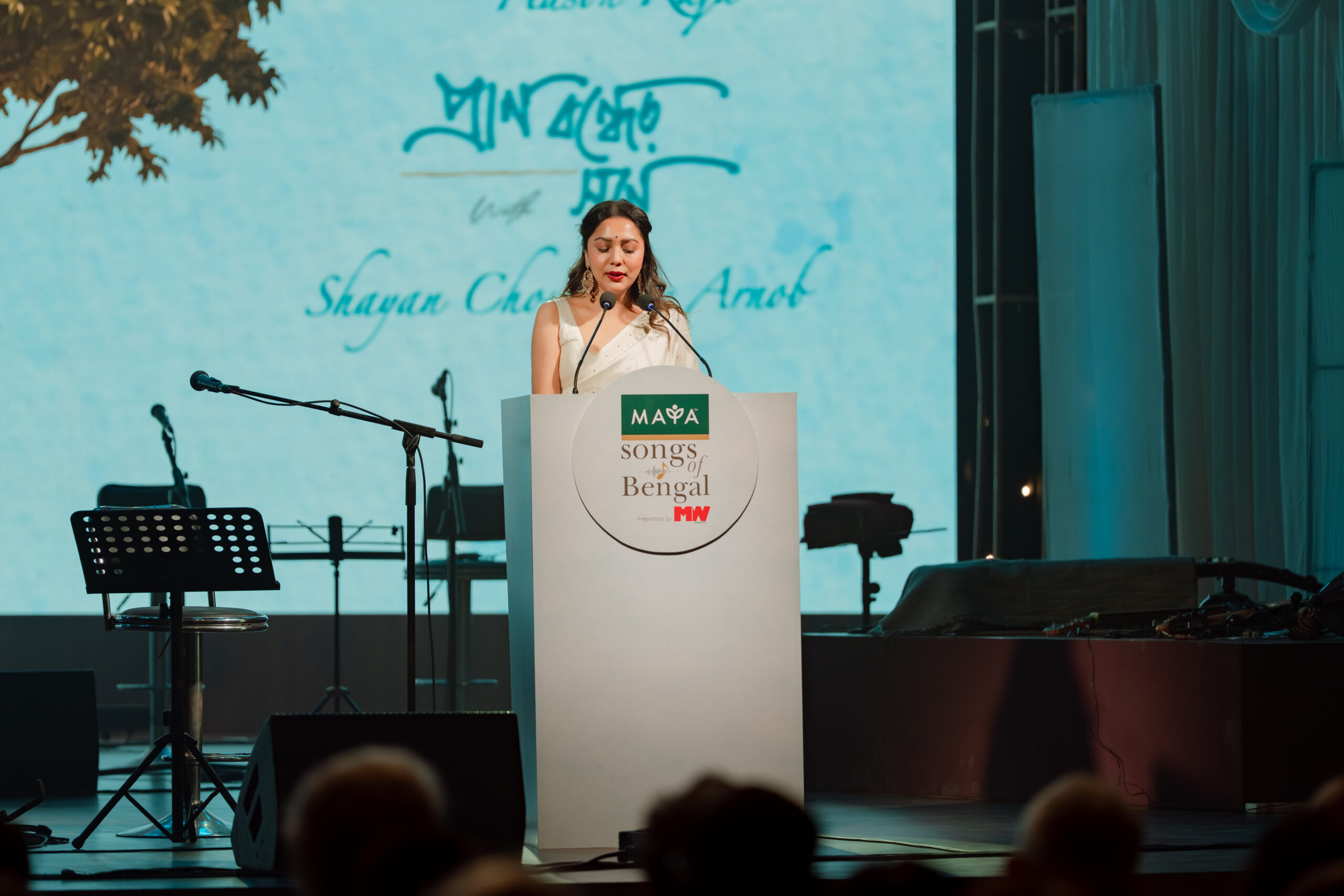
“At MW Bangladesh, we believe culture is not something to be preserved only in its old form. It must be felt anew, interpreted with care, and carried to the next generation. Pran Bondher Shone is an expression of that belief.”
– Rumana Chowdhury, Editor and Publisher, MW Magazine Bangladesh
This is important because cultural preservation can easily become passive. A song may be respected, quoted, or archived, but still lose its emotional life. MW’s approach was to treat Hason Raja’s work as living material, something that can be revisited without being diluted.
Chowdhury also acknowledged MAYA’s continuing association with MW’s cultural initiatives. She described MAYA as a natural wellness brand rooted in the purity of nature and thanked Square Toiletries Limited, particularly Managing Director Anjan Chowdhury, for supporting creative and cultural work.
For Anjan Chowdhury, Managing Director of Square Toiletries Limited, the collaboration between MW Magazine Bangladesh and MAYA was connected to a larger responsibility toward the country.
“When Bangladesh is in your heart, many things become possible,” he said. “From Square Group, we have always tried to work with the culture, education, and health of our country.”
To him, culture is not separate from national development. It is one of the ways a country understands itself. “Culture is a very important part of a nation. It tells us about our history and also prepares us for the future,” he explained. “This initiative comes from that belief.”
He also described the partnership between MW and MAYA as natural rather than merely organisational.
“Our collaboration with MW is meaningful because MW is working with Bangladeshi culture. MAYA, as a product, is also rooted in the same place. It is herbal, it is organic, and it carries a connection to our roots,” he said.
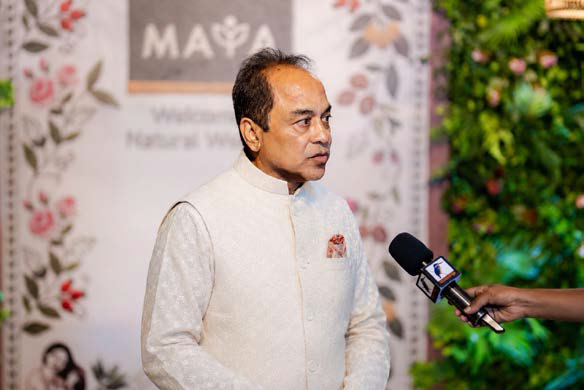
“When Bangladesh is in your heart, many things become possible. From Square Group, we have always tried to work with the culture, education, and health of our country. Our collaboration with MW is meaningful because MW Bangladesh is working with Bangladeshi culture. MAYA, as a product, is also rooted in the same place. It is herbal, it is organic, and it carries a connection to our roots”
– Anjan Chowdhury, Managing Director, Square Toiletries Limited
Malik Mohammed Sayeed, CEO of Square Toiletries Limited, placed the evening in the wider context of Bangladesh’s folk music tradition.
“Folk music lies at the very heart of any country’s culture, and Bangladesh is no exception,” he said. He noted that many of these songs were written more than a hundred years ago, yet their ideas remain relevant today, including to younger listeners.
His remarks pointed to something important. Folk music has remained central to Bangladesh’s cultural life not because it has stayed unchanged, but because it has continued to adapt. Over the years, folk songs have appeared in traditional performances, fusion arrangements, television shows, films, festivals, and informal gatherings.
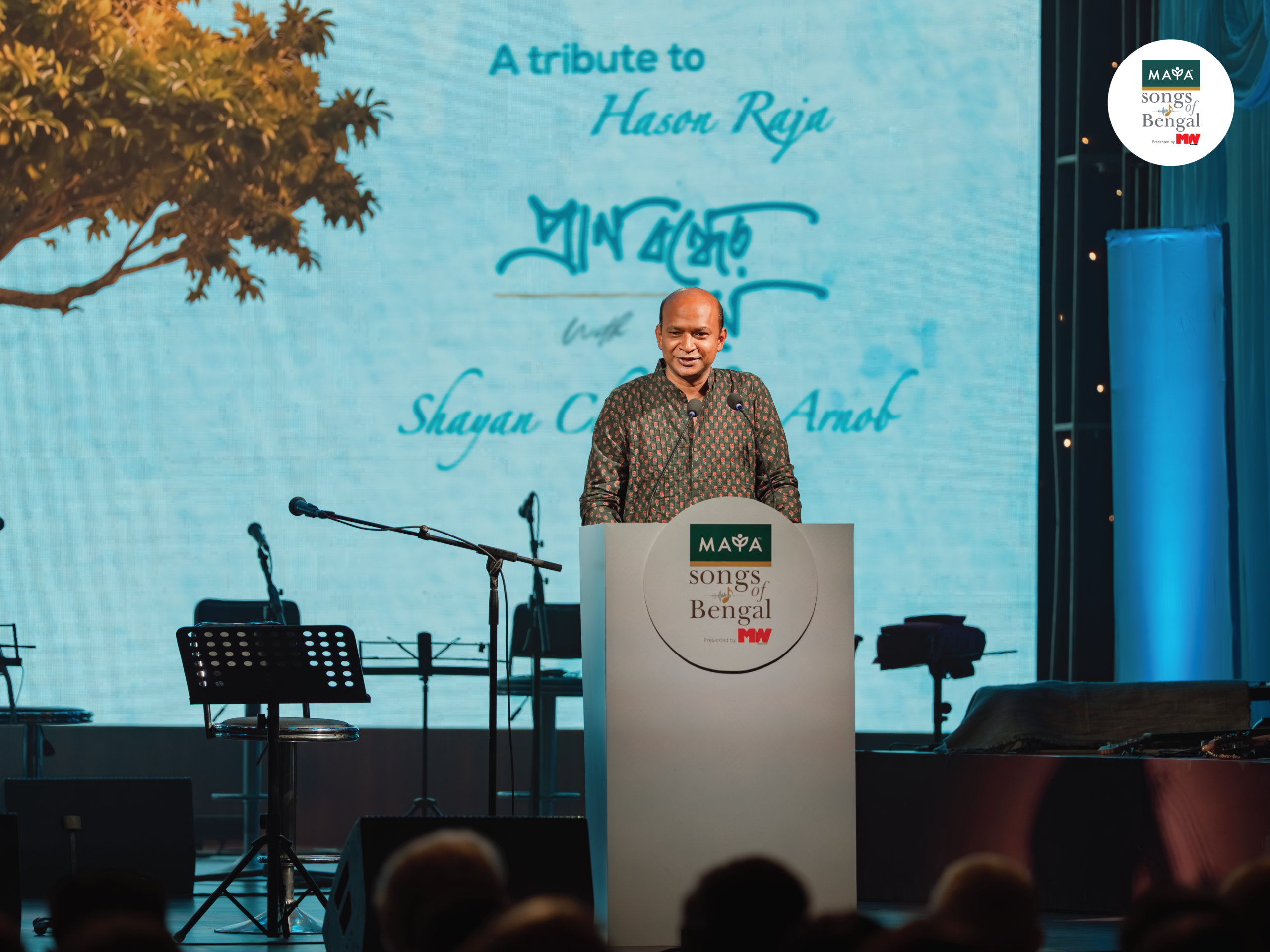
“Folk music lies at the heart of any country’s culture, and Bangladesh is no exception. Hason Raja’s songs were written over a century ago, yet the thoughts within them remain deeply relevant, even for younger listeners today.”
— Malik Mohammed Sayeed, CEO, Square Toiletries Limited
Familiar Songs, New Listening
The musical responsibility of the evening rested with renowned singer-songwriter and musician Shayan Chowdhury Arnob, who served as the curator and music director for the event.
Arnob addressed the audience briefly before the performances began.
“The team tried to represent Hason Raja’s songs differently, especially so that younger listeners could relate to them. We had to look beyond only the well-known compositions and explore less commonly heard songs and tunes,” he explained.
This was one of the most meaningful aspects of the programme. Instead of turning the evening into a predictable set of popular folk songs, Arnob approached Hason Raja as a wider musical world. He looked for songs that are not performed as often, and for interpretations connected to sources such as people associated with the Hason Raja Museum.
The result was not a complete departure from tradition. It was also not a rigid reproduction. It was a balanced attempt to keep the songs’ emotional core intact while giving the arrangements a fresh sound.
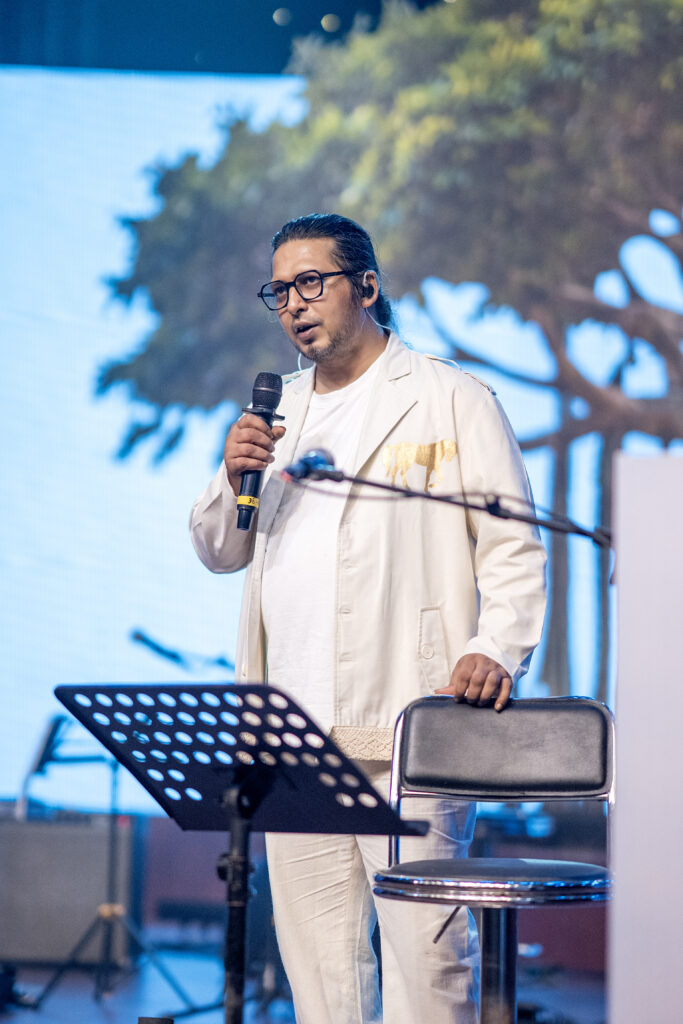
“We have all come together to explore Hason Raja in such a unique way in this project. We have tried our best to represent Hason Raja’s songs differently, especially so that the younger generation can relate to the music.”
– Shayan Chowdhury Arnob, singer-songwriter and musician
The Songs Open the Door
The programme opened with “Hason Rajay Koy Ami Kichu Noy Re”, performed by Makhon Mia, a song that immediately placed humility at the centre of the night. In a culture often obsessed with status, the song’s message felt almost radical. I am nothing. Or perhaps, I become something only when I accept that I am not the centre of everything.

From there, the musical journey moved through “Thakur Bine Pran To Bachena,” mesmerisingly performed by Ripon Kumar Sarkar (Boga Taleb), each song extending the emotional and spiritual terrain of Hason Raja’s work.
Between the performances, narrative segments traced his life: the privileged young landlord, the indulgences of youth, the eventual turn toward introspection, and the compositions that emerged from that awakening.
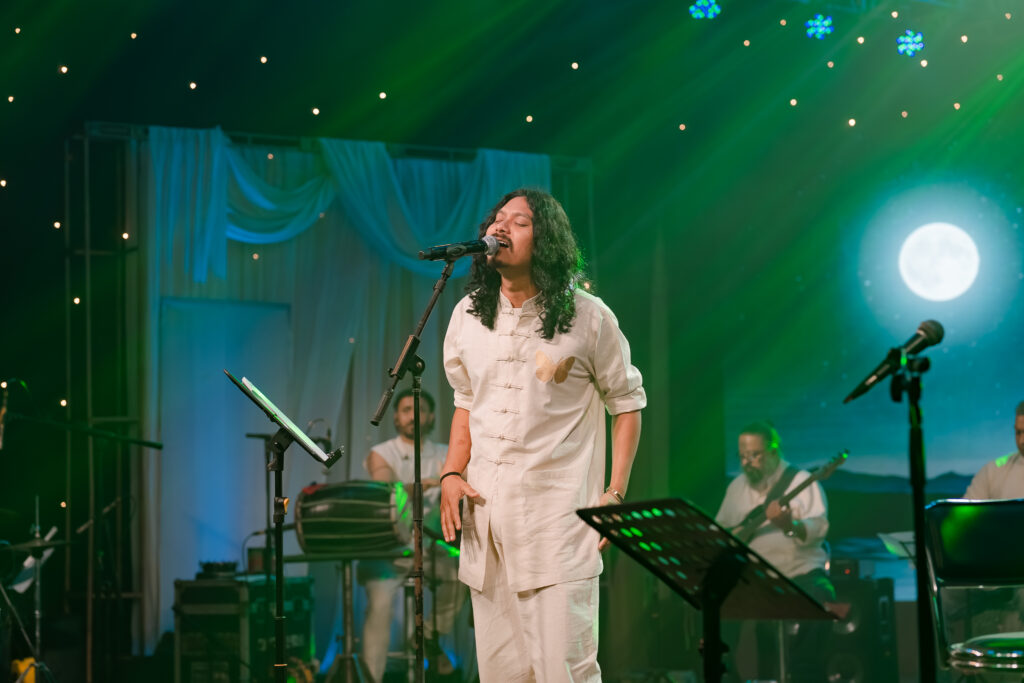

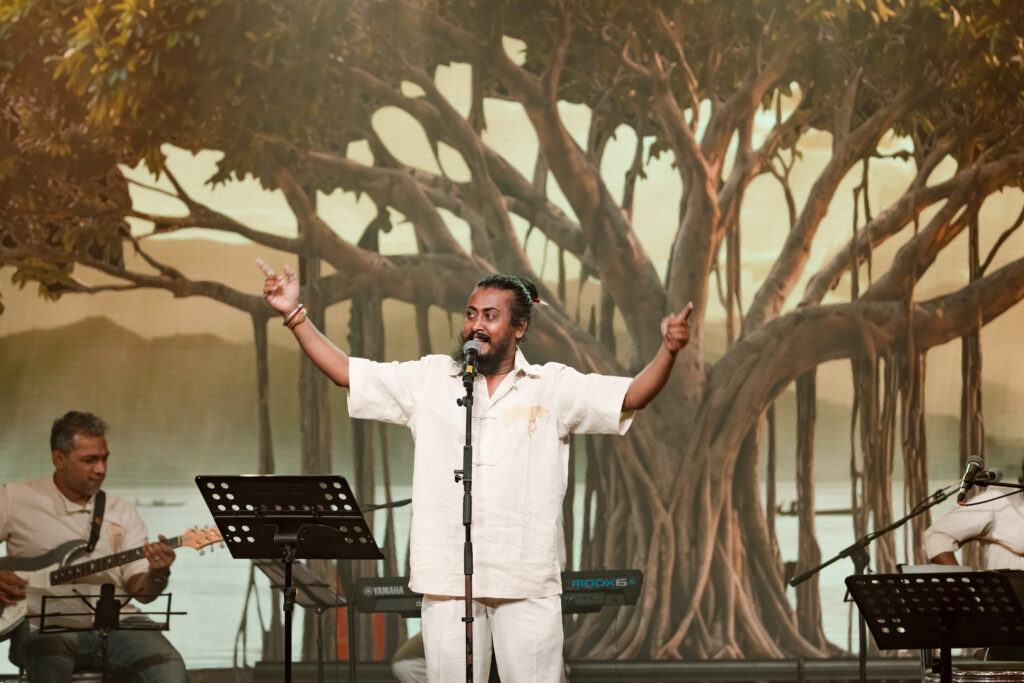

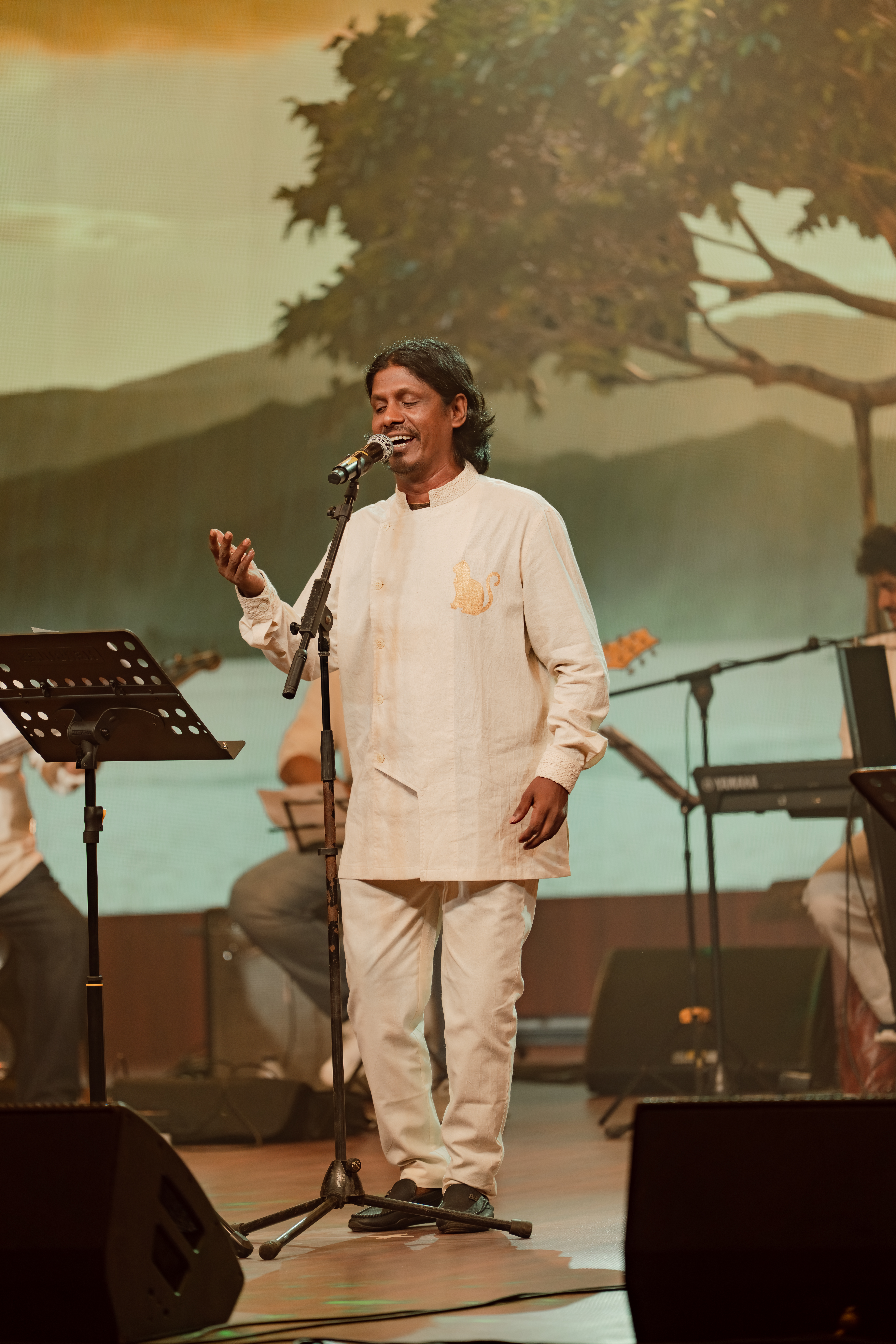
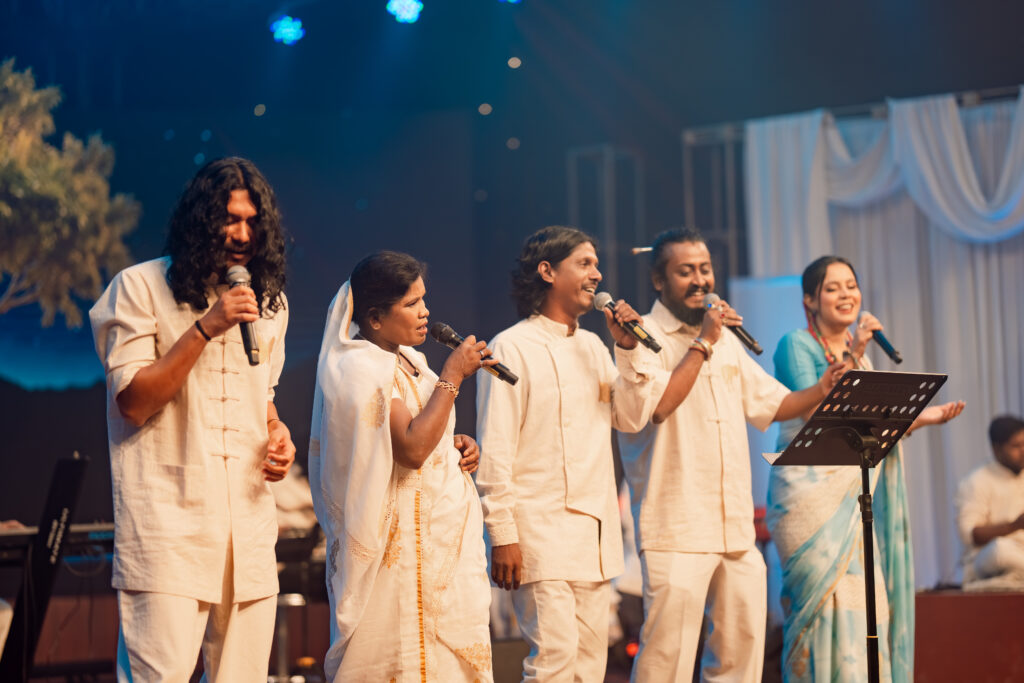
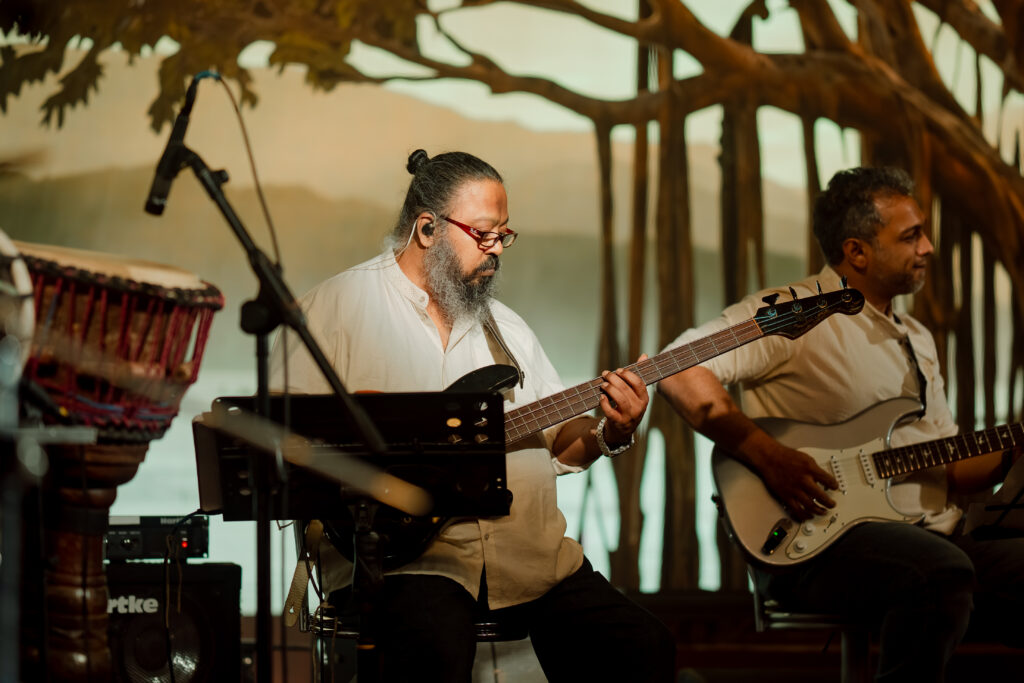
Kaniz Khandaker Mitu later performed “Pirit Koirase Dewana” and “Sona Bondhe Amare Dewana Banailo,” bringing forward the ache of love and devotion that runs through the poet’s work. In Hason Raja’s songs, love is rarely simple romance. It often trembles between human longing and spiritual hunger. The beloved may be a person, the divine, the self, or all of them at once.
That ambiguity is part of his power.
One of the most memorable moments of the evening came with Hamida Banu’s performance of “Dilaram”. Her voice carried the force of lived folk tradition, reminding the audience that these songs do not belong only to polished stages. They come from courtyards, gatherings, riverbanks, memory, and the long discipline of oral practice.
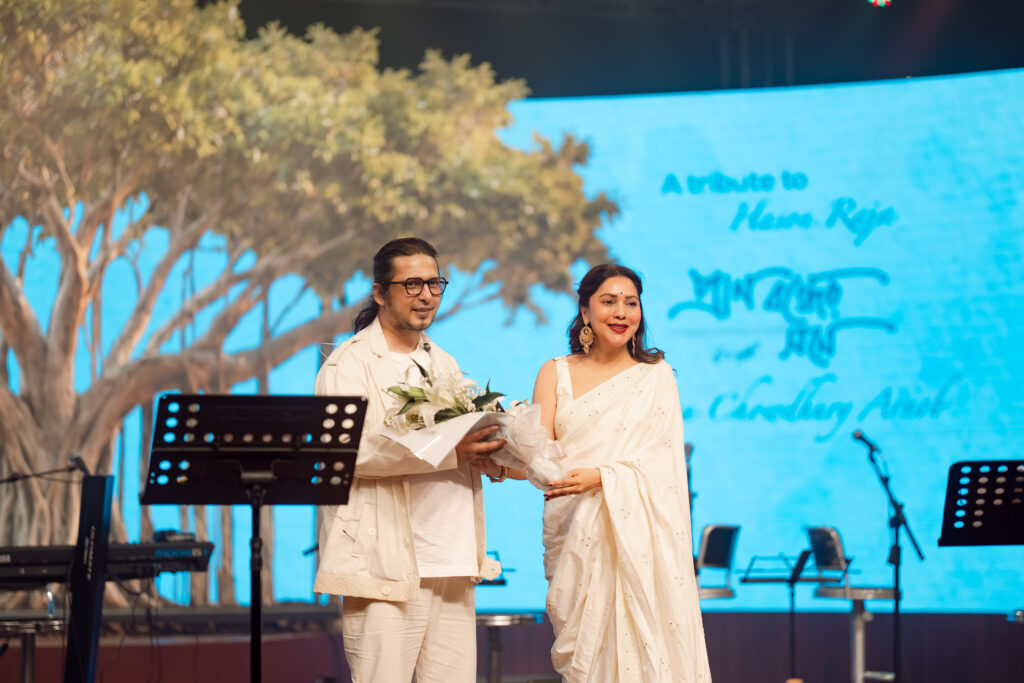
Later, Arnob himself took the stage with “Baula Ke Banailo Re” and “Loke Bole O Bole Re,” one of Hason Raja’s most recognisable songs. In his interpretation, the familiar did not become predictable.
The programme continued with “Nisha Lagilo Re” soulfully performed by Animesh Roy, a song that carried the audience deeper into the poet’s landscape of intoxication, longing, surrender, and inner disturbance. The evening concluded with a collective performance of “Charilam Hasoner Nao Re,” bringing the participating artistes together on stage.
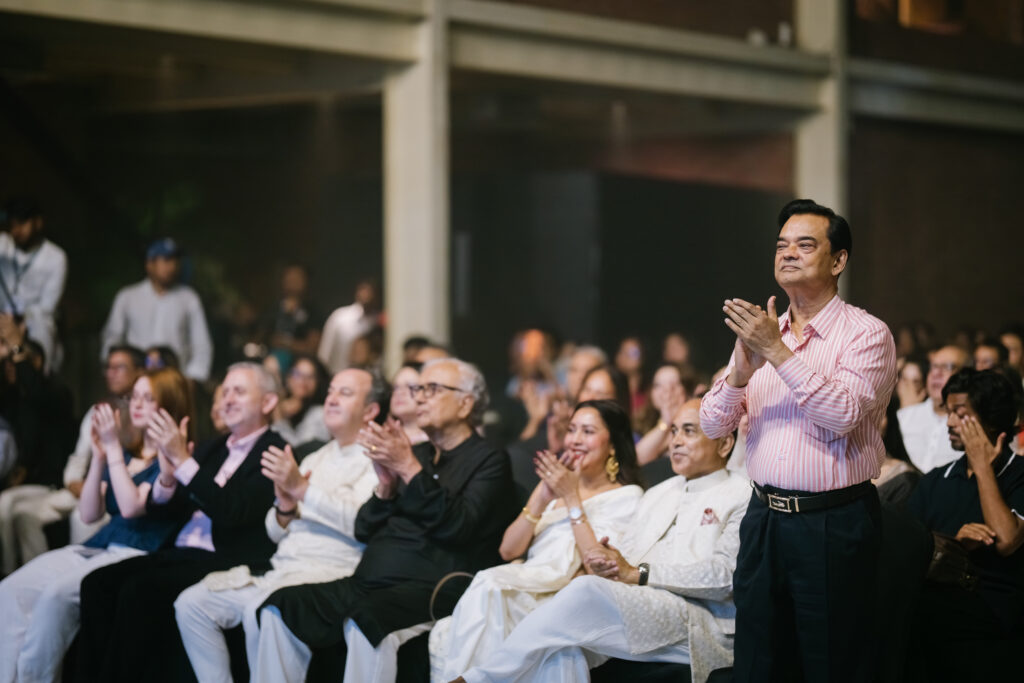
It was a fitting end because folk music, at its heart, is communal. It may begin with one voice, but it survives when many voices carry it forward.
A Room That Chose to Listen
The audience included several distinguished guests from Bangladesh’s cultural, diplomatic, corporate, and entertainment circles, including H.E. Gabriel Sistiaga Ochoa de Chinchetru, Ambassador of Spain to Bangladesh, H.E. Michael Miller, Ambassador and Head of Delegation of the European Union to Bangladesh, Ramendu Majumder, Abul Hayat, Jewel Aich, Chanchal Chowdhury, Afzal Hossain, Mustapha Khalid Palash, Nazifa Tushi, Tangia Zaman Methila, and others.
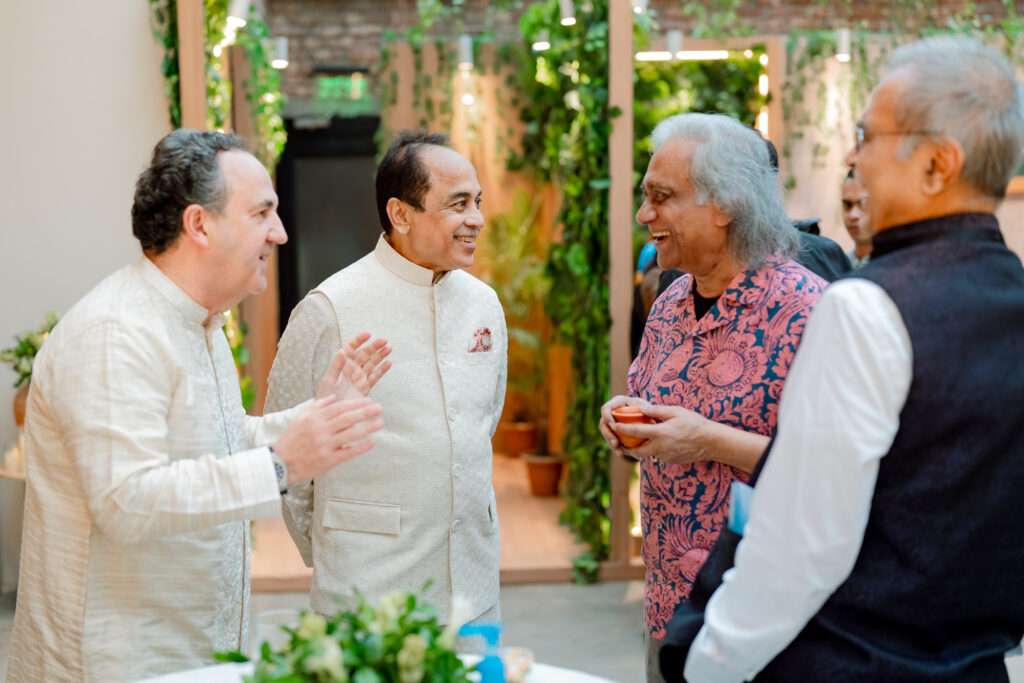
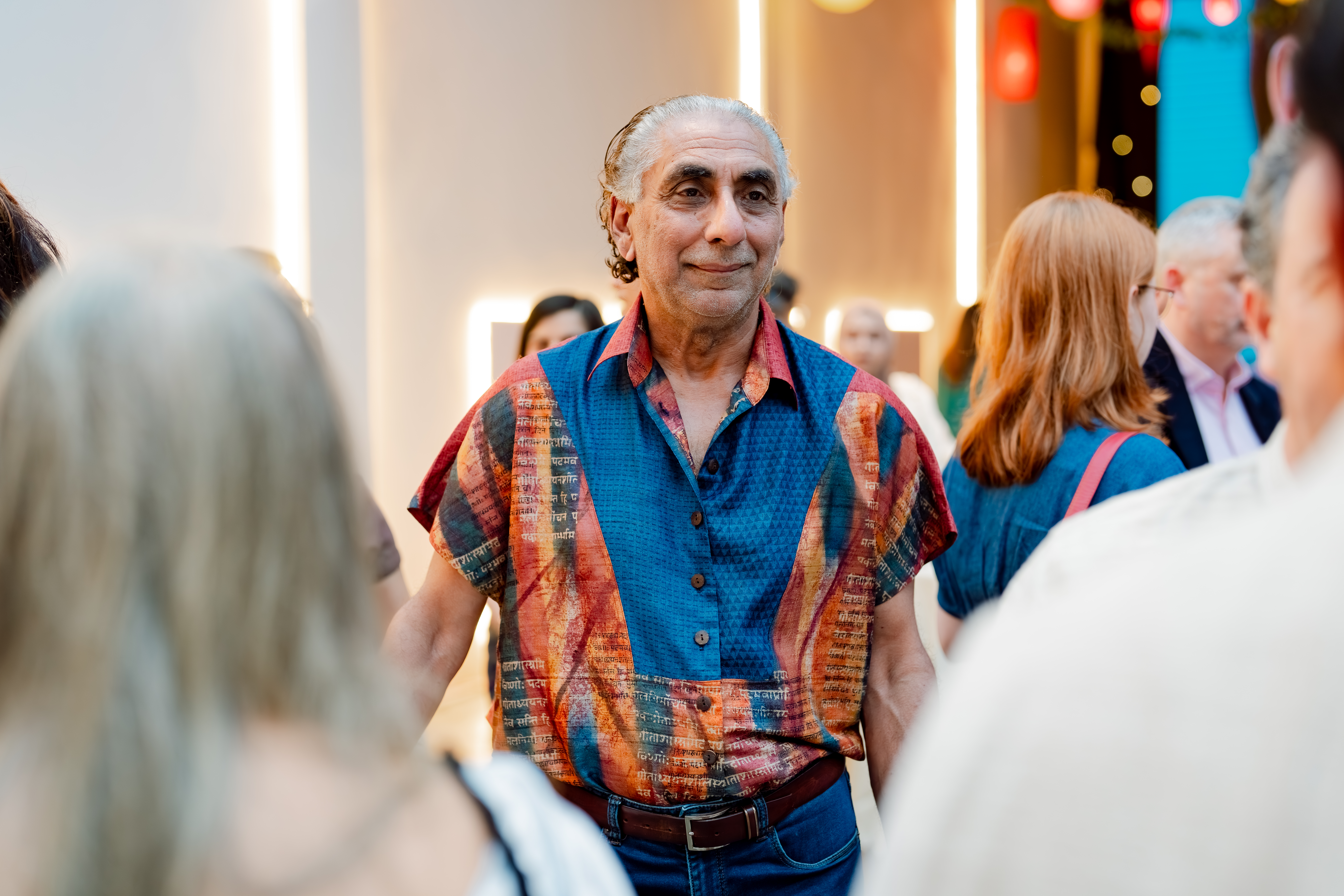
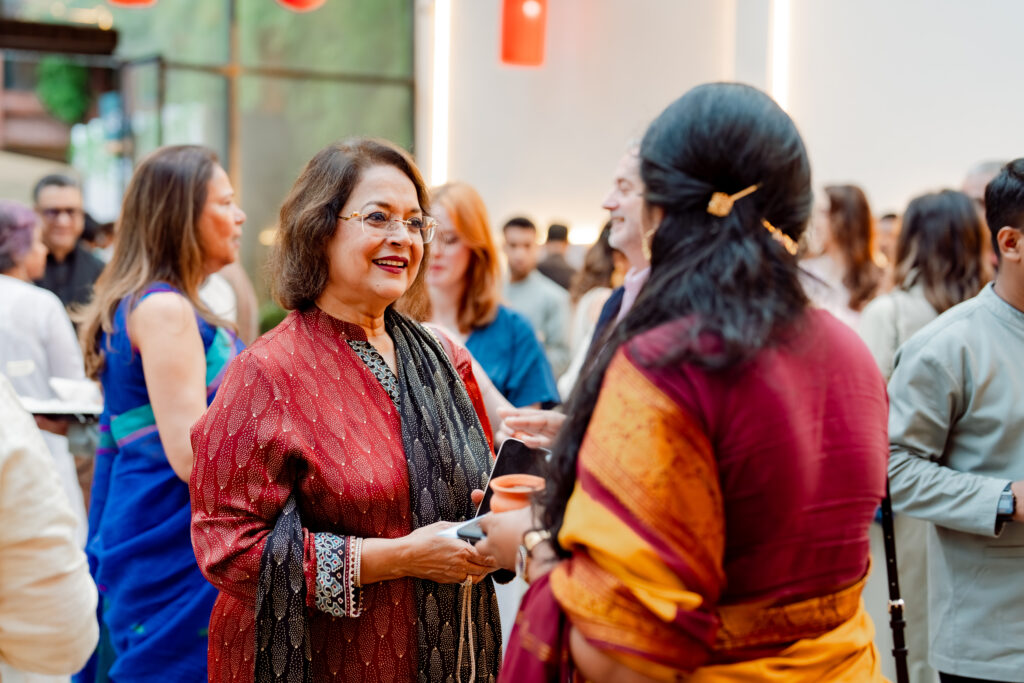

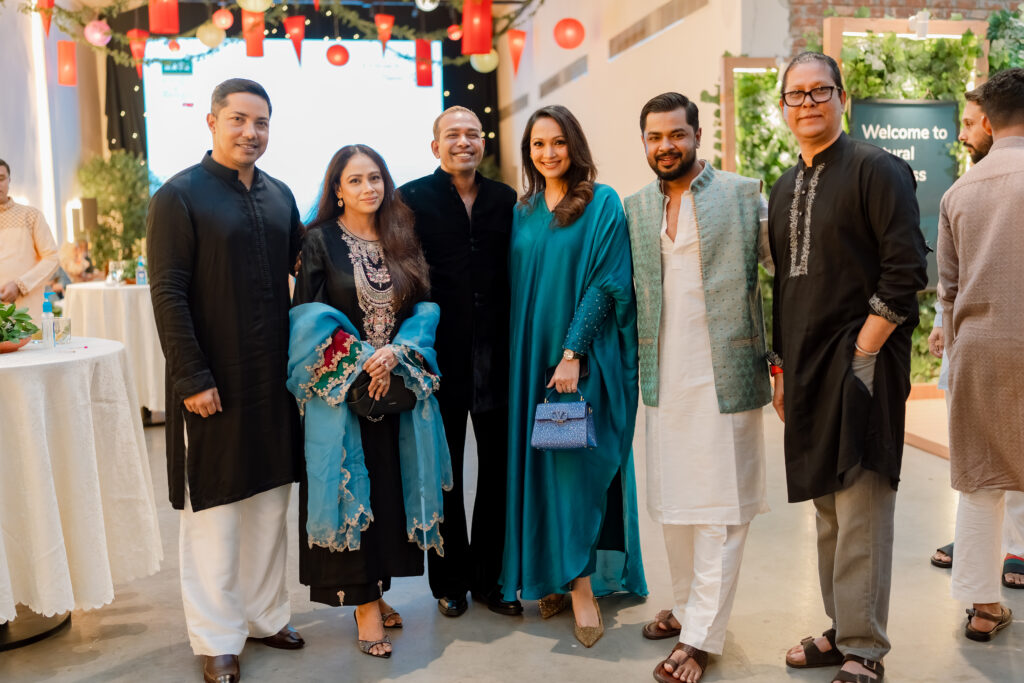
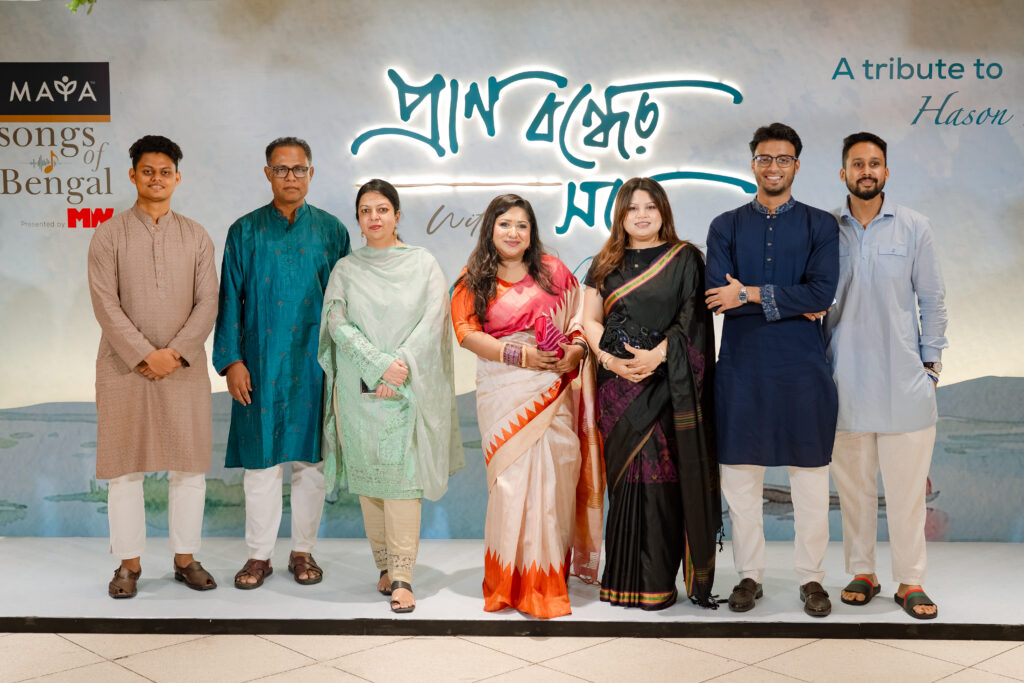
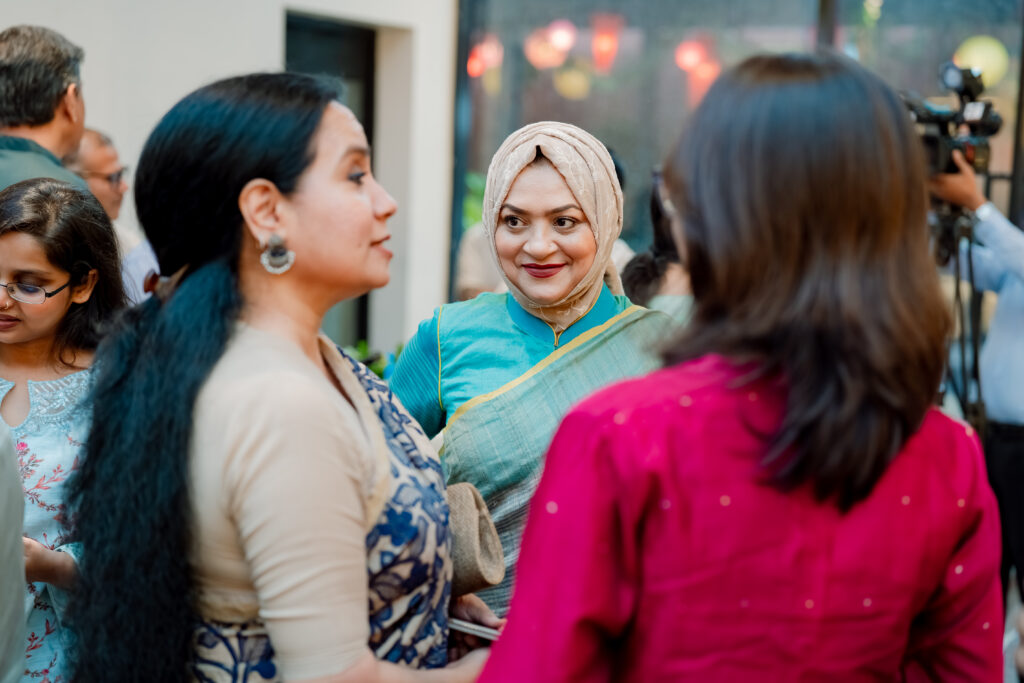
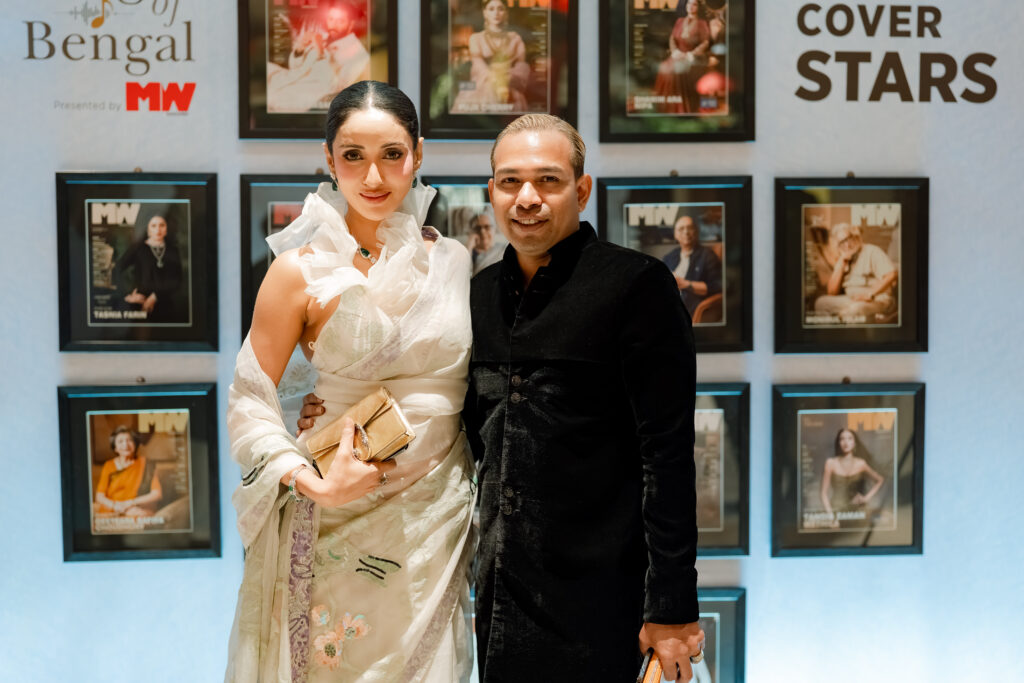
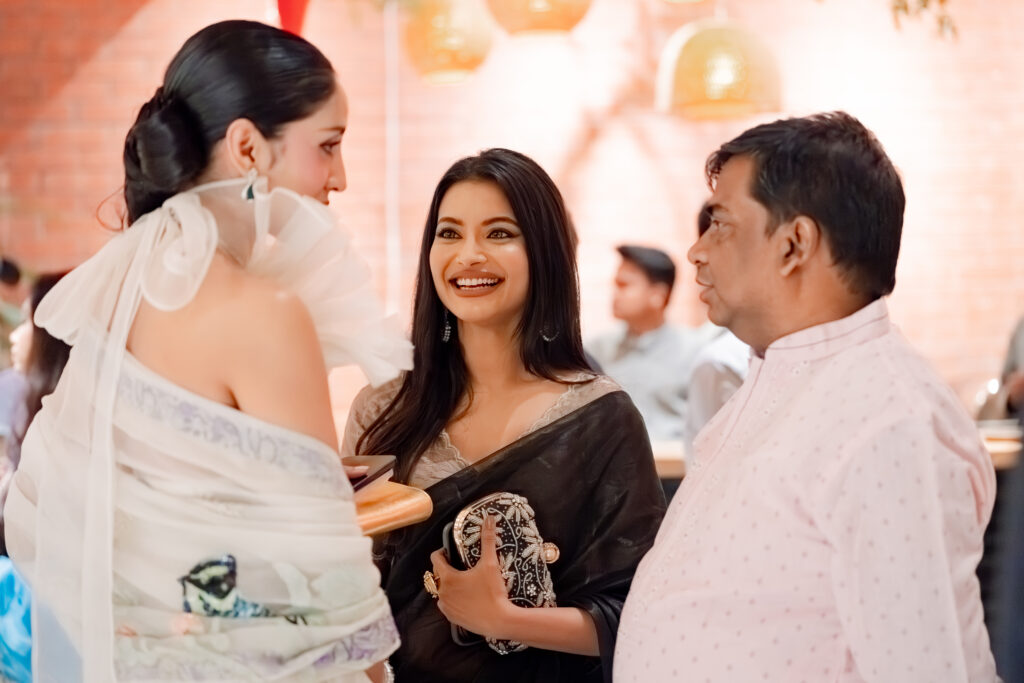

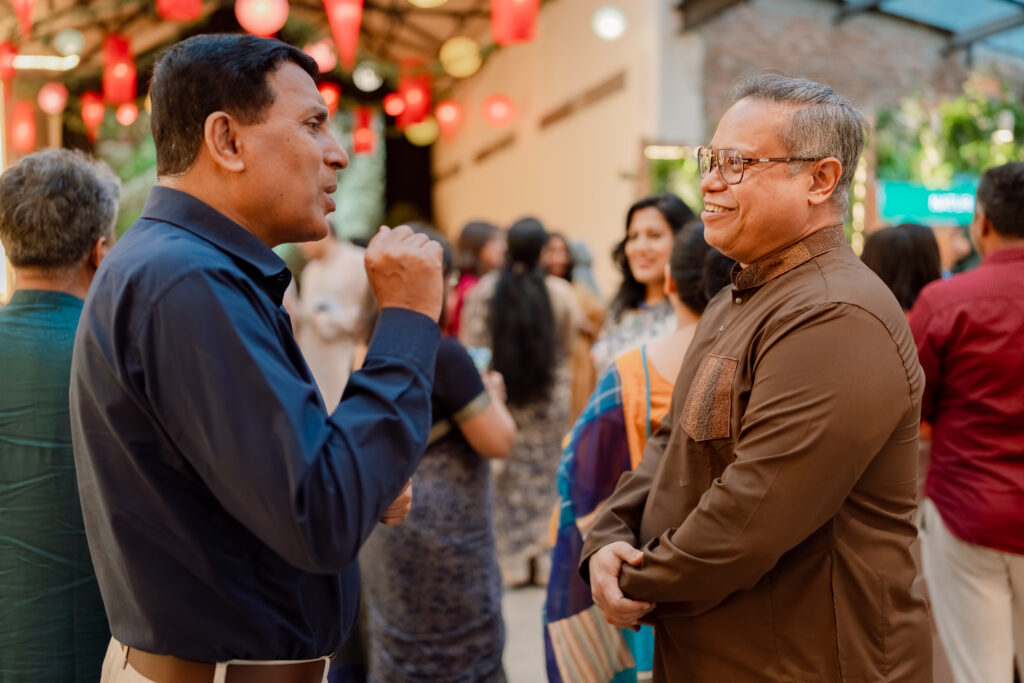
Their presence reflected the significance of the initiative, but the evening never became a parade of names. Once the music began, hierarchy softened. The room became a listening space.
By the end, Hason Raja no longer felt like a historical subject. He felt like an unfinished conversation.
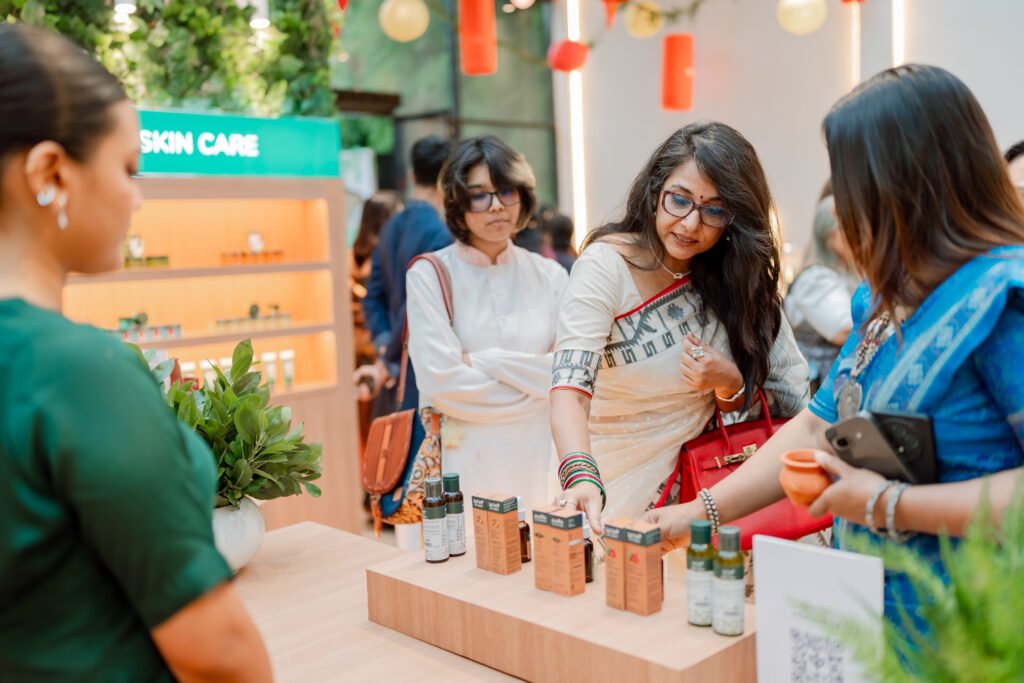
The programme was supported by Square Toiletries Limited and reflected MAYA’s ongoing association with initiatives that celebrate nature, culture, and heritage. Sun Communications Limited served as the Communications Partner for the event.
On the occasion of World Music Day, MW Bangladesh presents MAYA ‘Songs of Bengal: Pran Bondher Sone,’ will air on Maasranga Television on 21 June 2026 at 8:30 PM.