


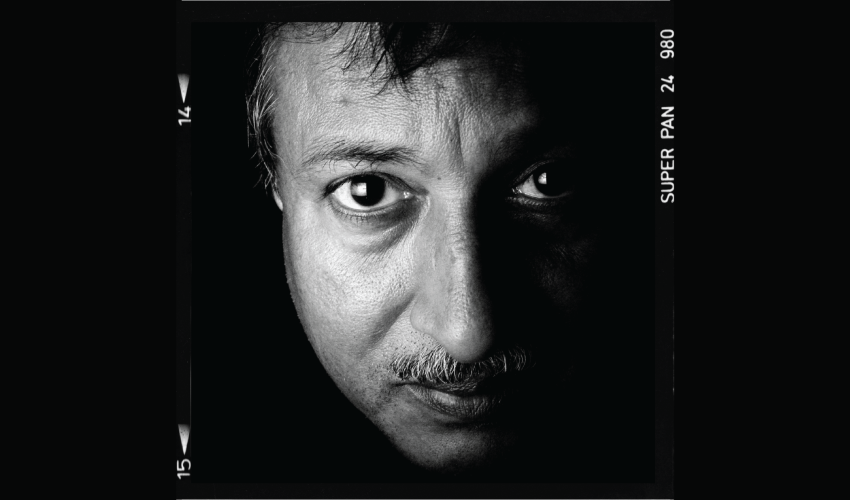
The continuing journey of Nasir Ali Mamun
By Ayman Anika
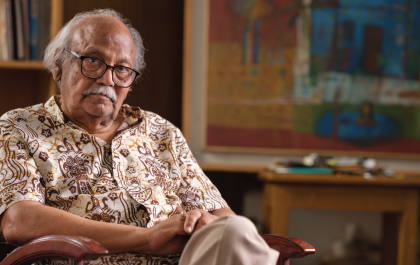
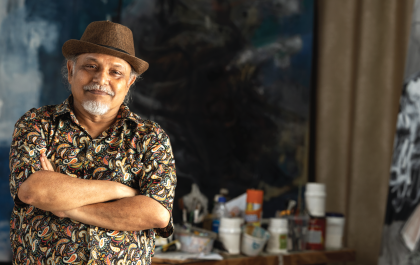
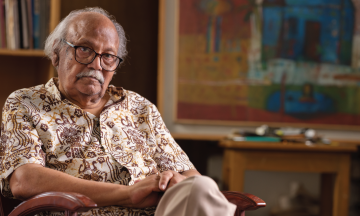
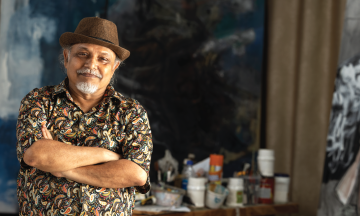
For more than five decades, Nasir Ali Mamun has stood quietly at the intersection of art and history, documenting the people who shaped Bangladesh’s intellectual and cultural landscape. Writers, poets, thinkers, and visionaries have passed before his lens, not as staged subjects, but as living records of time. At a moment when portrait photography was nearly absent in the country, he chose to focus on faces, building an archive that now reads like an alternative history of Bangladesh.
Now in his seventies, Mamun speaks less about recognition and more about preservation. His vision of a “Photoseum” points to a future where his work will continue to educate and inspire, long after the moment of capture has passed.
In the quiet early hours of the morning, inside his home filled with memories, the Camerar Kobi sat down with MWB to reflect on his philosophy, process, and the time he has spent documenting others while quietly shaping a legacy of his own.
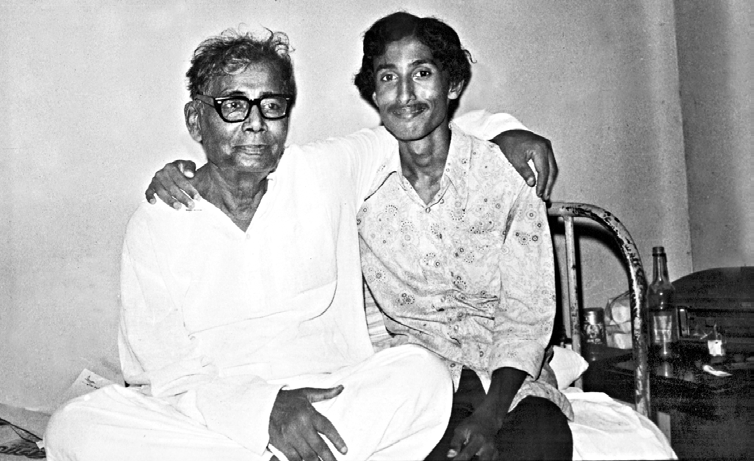
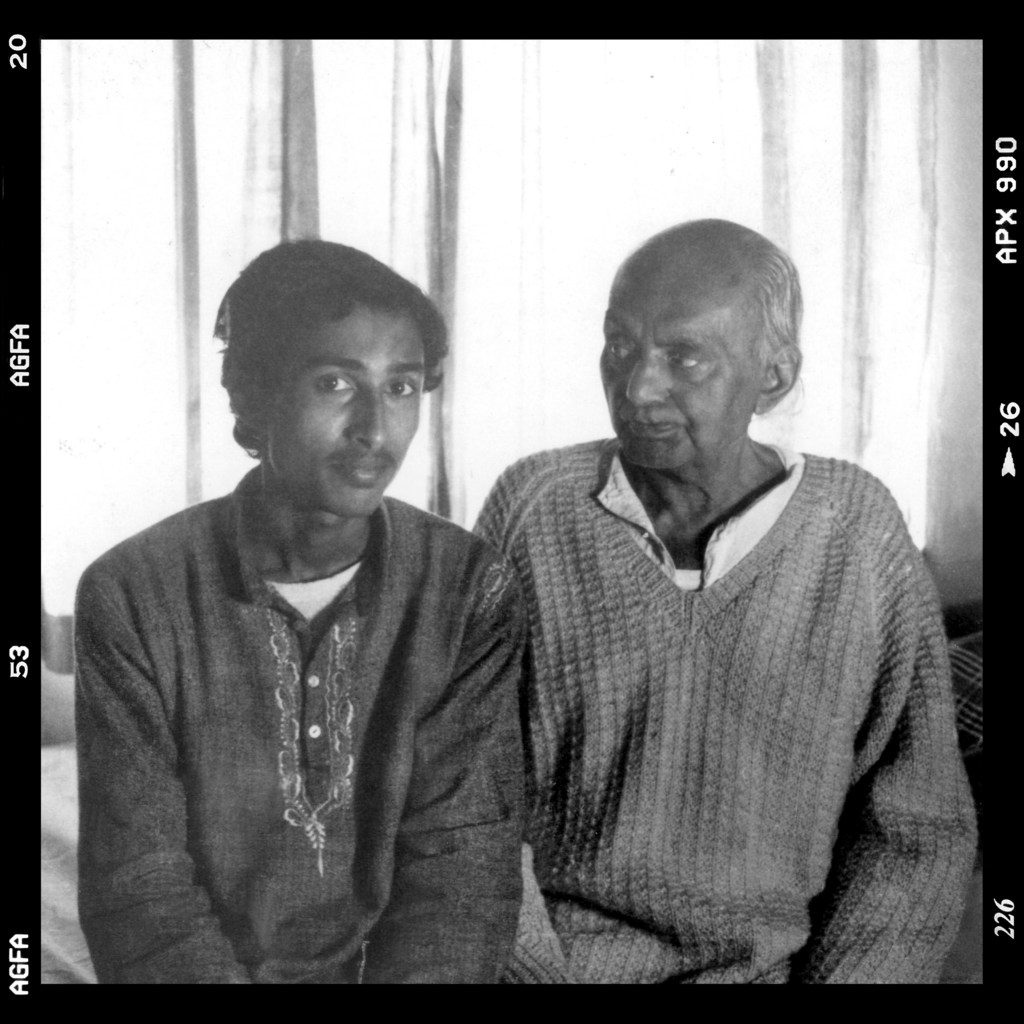
Nasir Ali Mamun with Poet Jasimuddin, Photo taken in 1975 at PG Hospital cabin, Shahbagh, Dhaka. Photo- Dr. Nurul Islam Copyright Photoseum
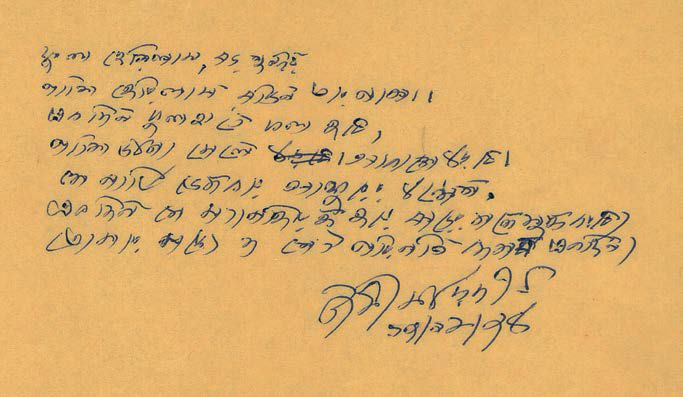
Poet Jasimuddin-written modern poetry on Nasir Ali Mamun, 17 December 1974, Kamlapur, Dhaka
Last year, you received the Ekushey Padak, one of the highest civilian honours in Bangladesh. How did this recognition make you reflect on your decades-long journey in portrait photography?
Receiving the Ekushey Padak last year was, of course, a matter of great pride for me, especially considering the time in which it was awarded. I received it from the interim government following the July student-led mass uprising, and receiving it from the hands of Nobel Peace Laureate Dr Muhammad Yunus made it even more meaningful. For me, it was a personal headline, something deeply significant in my own journey rather than for public display.
At the same time, it was not a sudden or unexpected moment of joy. I had been applying for the Ekushey Padak for five years. The process itself is quite formal. One has to download the application form, fill it out, and have it signed by a previous recipient as a proposer. In reality, very few people are willing to take that step. There are also hundreds of applications in each category, and only a few are selected. During those years, I knew I would not receive it under the previous government, despite having respected figures like artist Shahabuddin propose my name. There were various reasons and perceptions surrounding my association with Dr Yunus, which worked against me at the time. So when I finally received the award, it felt like the completion of a long-awaited recognition rather than a surprise.
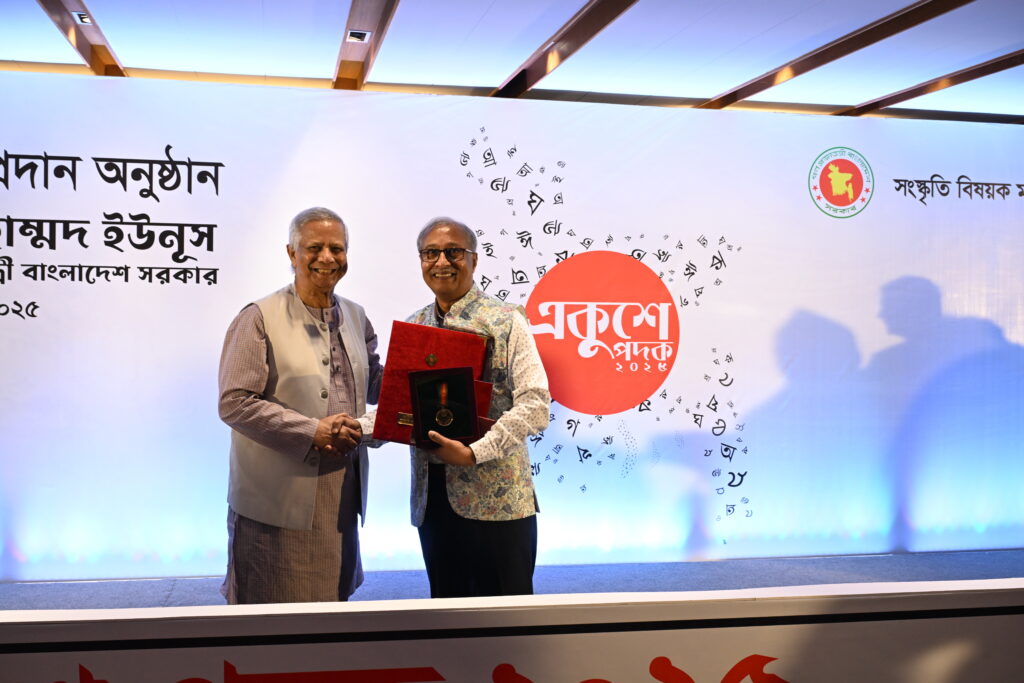
Nasir Ali Mamun received Ekushey Padak from the Chief Adviser of interium Govt. Professor Muhammad Yunus 20 February 2025 Dhaka. Photo- PID
In a broader sense, the Ekushey Padak came at the end of a long journey where I had already received many other recognitions. I received the Shilpakala Padak in 2018, the Lifetime Achievement Award at Chobi Mela in 2017, and the Bangla Academy Honorary Fellowship in 2022, which is especially rare and given without any formal proposal. So, this recognition felt like a culmination.
However, what inspires me most is not the award itself, nor the financial aspect that often comes with such honours. I feel I have received something that money cannot buy. Over the years, I have built an audience that truly engages with my work. People attend my exhibitions, they collect my books, and they continue to follow my journey. Almost everyone in Dhaka, in some way, connects with my work. This audience is my greatest strength and inspiration.
I always say that if the audience becomes zero, I will also disappear. It is this connection with people, along with the continued support of the media, that has kept my work alive. The media recognises that I have explored a new frontier in Bangladesh. In portrait photography, I believe I have walked paths that were previously untouched.
Alongside photography, I have also documented personalities through audio and video interviews, many of which remain unpublished. Some have appeared in several newspapers, but a large archive still remains unseen. Soon, some of these will be released, including rare footage of Shamsur Rahman and Al Mahmud.
When I reflect on my journey, I also think of the recognition I received from the very people I photographed. Shamsur Rahman gave me the title “Poet of the Camera.” Before that, Nirmalendu Goon dedicated a book to me, referring to me as a poet of light and shadow. Later, Al Mahmud dedicated his novel to me with similar words. To me, these gestures from such respected figures are no less than national awards.
So, while the Ekushey Padak has certainly inspired me, it also made me look back and realise that the true value of my work lies in the relationships I have built, the history I have documented, and the audience that continues to keep my work alive.
Receiving the Ekushey Padak last year was a matter of great pride for me, especially considering the time at which it was awarded.
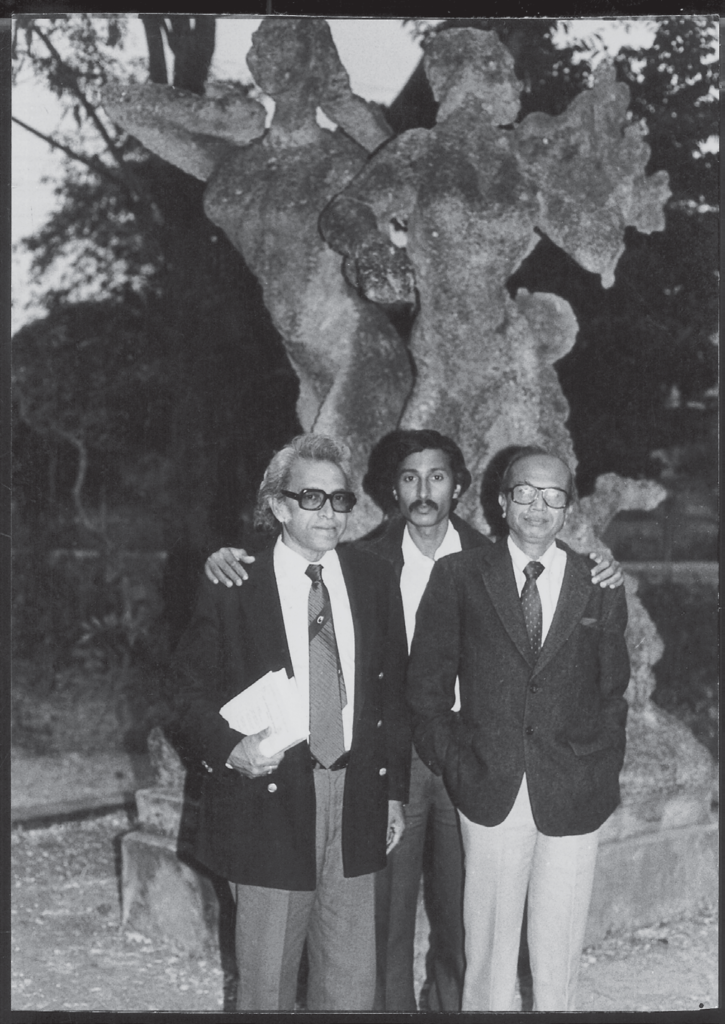
Nasir Ali Mamun with poet Shamsur Rahman (1929 – 2006) and Al Mahmud (1936 – 2019) at Ramkinkar Beij sculpture, Shantiniketan. January 1985 Photo- Abu Hasan Shahriar
© copyrighted by Photographer Nasir Ali Mamun/Photoseum
Many of your portraits are in black and white. What do you think this medium reveals about a person that colour photography cannot?
When I started photography, the only film available in Bangladesh was black and white. Colour film existed in other countries, but it was not widely imported here because it was expensive. It only became more common in the late 1980s. I did work with colour when it became available, but I realised that my true place was in black and white.
If you look around us, everything is full of colour. Our bodies, nature, the sky. There are thousands of shades. Even within blue or white, there are hundreds of variations. Companies like Berger can identify thousands of colours and reproduce them. But I made a conscious decision to work only with light and shadow. For me, black and white allowed a different kind of expression.
During my early years, studio photography was very popular. People would go to studios to have their portraits taken. But those photographs did not truly represent them. After printing, the person in the image often looked different from the real person. This was because of heavy retouching. Studio photographers used techniques like applying alta on negatives or using sharp tools to remove marks and imperfections. It was a long-standing practice, but to me, it did not feel authentic.
I decided that if I became an image-maker, I would move away from this artificial style. I wanted to capture people as they truly were. What I tried to do was shift portrait photography in Bangladesh away from this retouched, constructed image toward something more real and honest. In many ways, this became a silent revolution in visual culture.
At that time, it was also unusual for a photographer to visit someone’s home to take portraits. People were often suspicious at first. They were used to going to studios, not having a photographer come to them. But slowly, through trust and familiarity, I built relationships. I would tell them that instead of going to a studio, I would bring the studio to them. Over time, this approach also influenced newspapers and publications to move away from studio-style images.
Nasir Ali Mamun with poet Kazi Nazrul Islam (1899 – 1976) at ‘Kobi Bhabon’ Dhanmondi, Dhaka. 30 December 1973, Photo- Omar Faruk Khan, Copyright Photoseum
Black and white photography, for me, carries a kind of silent intensity. It is not something that is always immediately visible, like colour. It is more like a sound or a piece of music that you feel rather than see. Even though our world is full of colour, when an artist works with only black and white, people are drawn to it differently.
Over the years, I have noticed that audiences are deeply connected to black and white portraits, especially when they carry a sense of history. In my exhibitions, I see people from all walks of life coming to view these images. Many of them return years later in different roles and positions in life. This continuity of audience has been very meaningful to me.
I believe that what black and white reveal is something beyond appearance. It brings out the essence of a person through light, shadow, and context. If an artist’s work does not carry a sense of time, place, and history, it loses its depth. For me, black and white is not just a medium. It is a way of thinking, a way of seeing, and a way of preserving truth.
I wanted to capture people as they truly were.
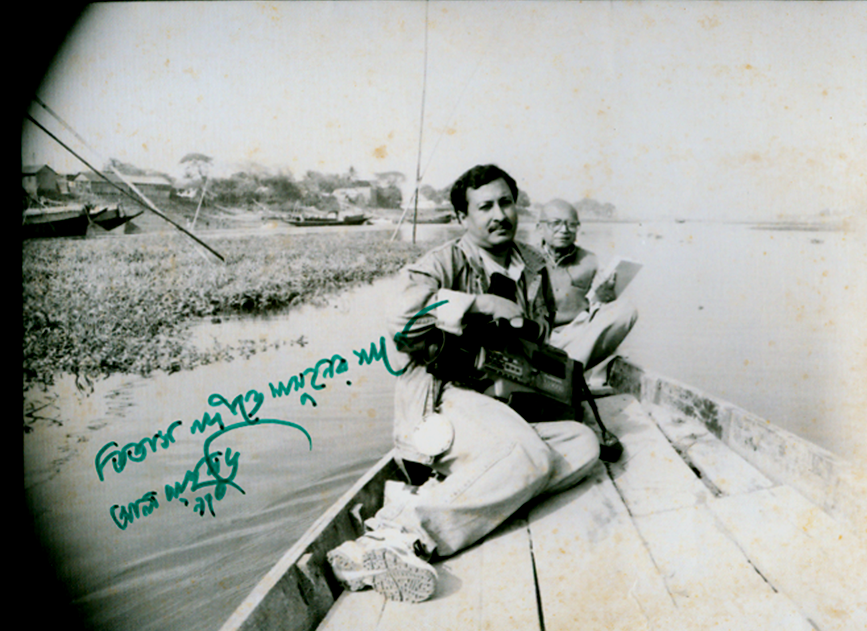
Nasir Ali Mamun with poet Al Mahmud (1936 – 2019) making a video documentary on the poet, the river Titas, Brahmonbaria, 1998, Photo- Musa, Copyright- Photoseum
You have held numerous exhibitions over the years and closely observed audience engagement with your work. What have you learned about how people connect with black and white photography, especially in relation to history and context?
Our surroundings are full of thousands of colors, but when an artist chooses to work with just two, black and white, people are naturally drawn to it. At my exhibitions, I see a wide range of visitors, from government officers to primary school teachers. I make it a point to speak with them, to understand who they are and what brings them to the exhibition.
Out of the 65 exhibitions I have held, I have preserved visitor logbooks from 52 of them. When I look back at these today, it surprises me. I see names of people who were once students in the 1990s and are now secretaries or well-known writers. This continuity of audience over time is something very special to me.
I have noticed that people are particularly drawn to black and white photographs when they carry a sense of historical context, especially related to culture and politics. Without that depth, an artist’s work cannot truly resonate. Even after 40 or 50 years of practice, some artists struggle to develop their own voice because their work lacks thought and connection to history. If an artist’s work does not reflect the realities of their country, the rivers, the environment, mass people, the new generation and their lived experiences, it cannot reach its full potential.
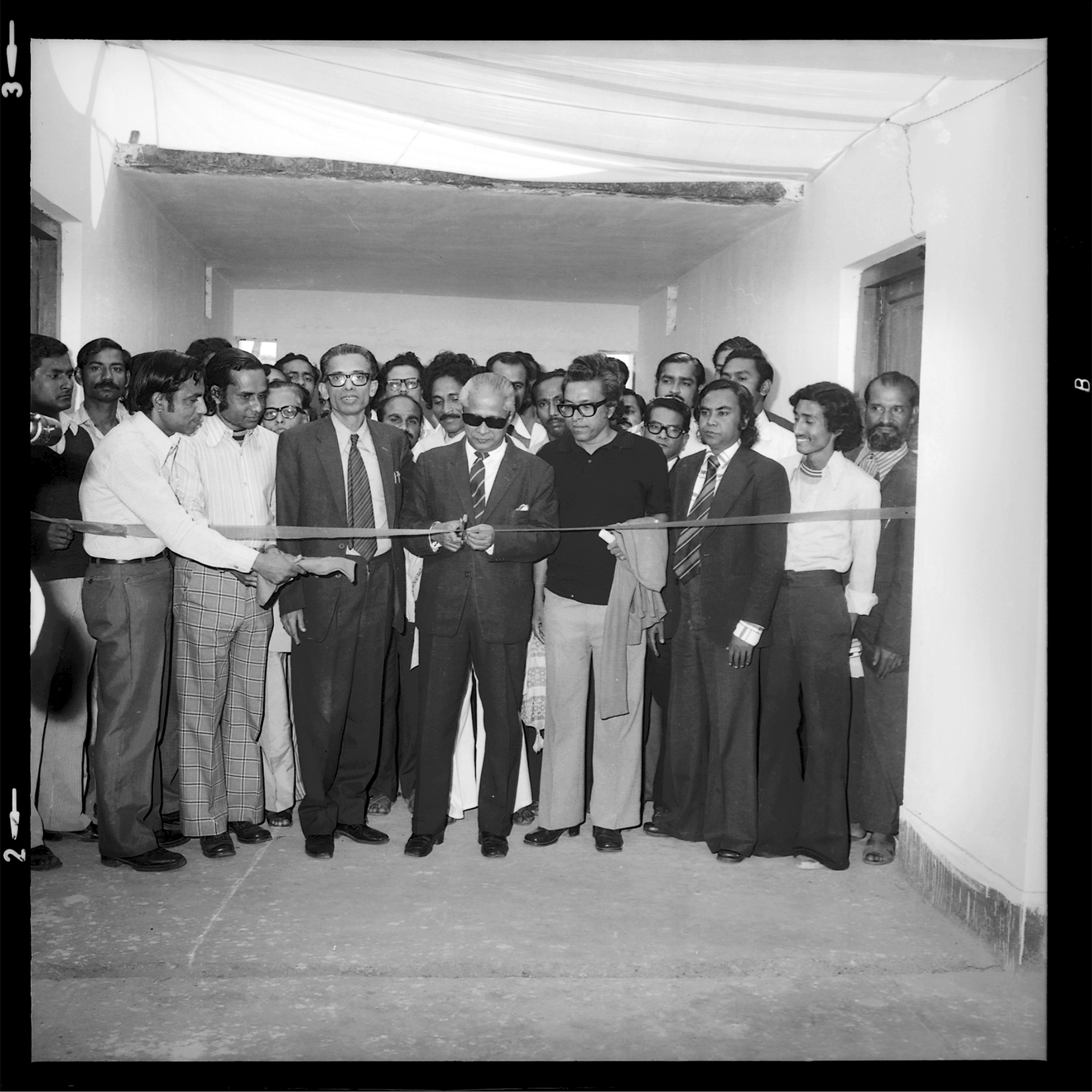
Nasir Ali Mamun’s first solo portraits exhibition organised by Bangla Academy. Opened by President’s information adviser Akbar Kabir chief guest & poet Shamsur Rahman special guest. 16 February 1977, Bangla Academy
You have photographed personalities across literature, art, politics, and academia. Are there particular fields you feel are still under-documented through portrait photography in Bangladesh?
I work with portrait photography, but I always tell others that there is still so much left to document in Bangladesh. Many people, especially women, ask me how they can do meaningful work when they are confined to their homes or face certain restrictions. I tell them that even within the home, there is an entire world waiting to be documented.
In your own home, you can observe people growing old, falling sick, and new generations being born. You can photograph your family members and your surroundings. Even the walls of a house carry the marks of time. The way light enters a bathroom, the textures, the patterns, all of these tell stories. If you look closely, you might even find shapes in a wall that resemble a face or an animal. It is about imagination.
I always say, treat every object as if it were alive. A toothbrush, a comb, a book, everything has a presence. Photograph the view from your window, the changing light, and everyday moments. If you continue this for five or ten years, your work will naturally become unique.
You do not always have to go outside to create meaningful work. At the same time, I believe working with human faces and characters is the most challenging, but it also connects with the widest audience. People relate to people. Even if someone is working in landscapes or still life, portraits have a different kind of emotional reach.
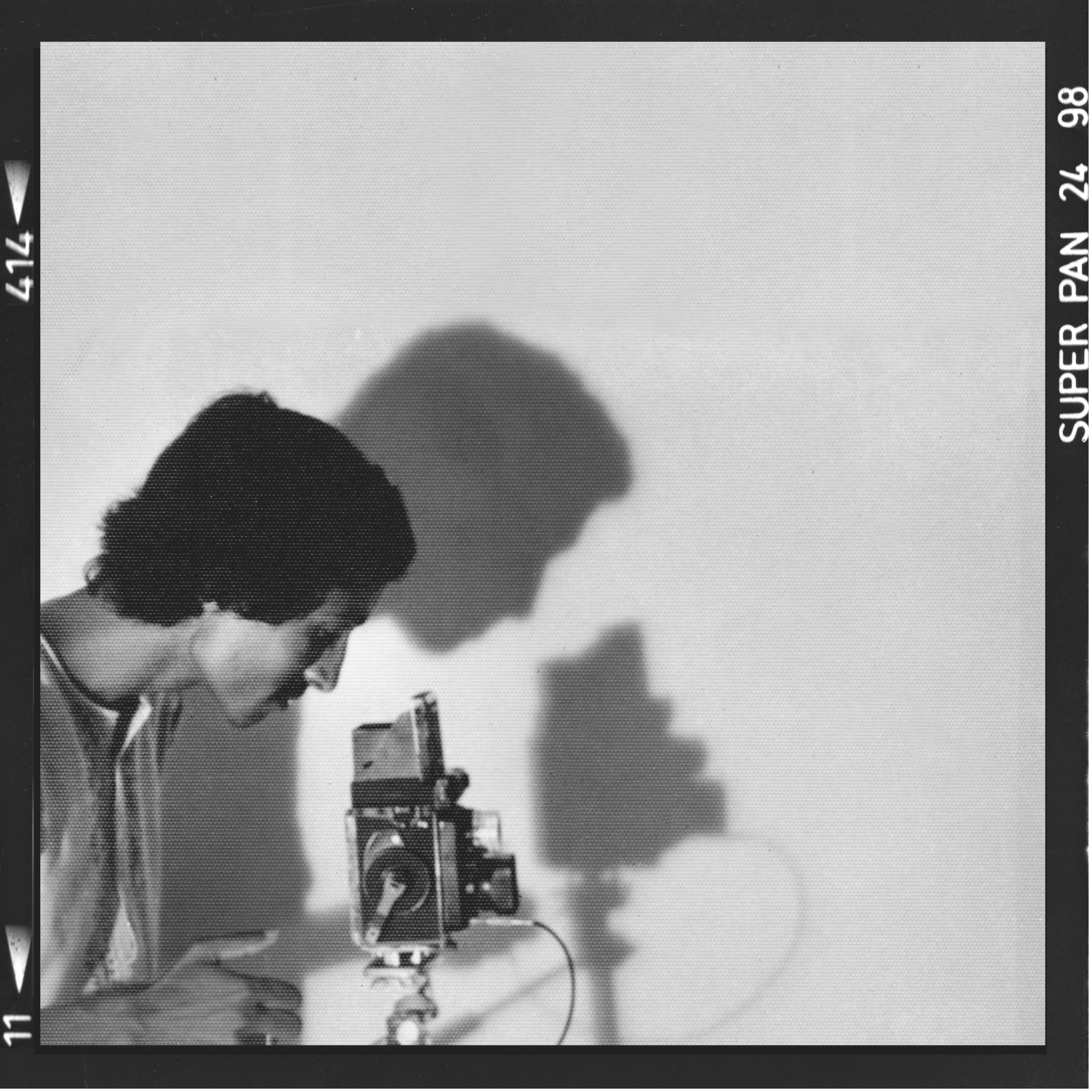
Nasir Ali Mamun at work with Yashica 120 box camera in 1973, Paribagh, Dhaka Photo-Khawaja Shahab Wasiuddin, Copyright Photoseum
In many places, you may not find personalities like poet Shamsur Rahman, Kazi Nazrul, or Jasimuddin, but nature is always present. Trees, birds, and flowers exist everywhere. What matters is how you observe and document them. Photography is not about location; it is about vision and the ability to see meaning in what already exists around you.
I always say, treat every object as if it were alive.
You had the opportunity to personally know Palli Kobi Jasimuddin. What are your earliest memories of meeting him?
I first saw him when I was around five years old, and I still remember sitting on his lap. I used to see him quite often, either at his house or outside, because he was a very close friend of my father. At that time, because of that closeness, I never thought that I should document everything. If I had that awareness, then I could have preserved so many things, such as his documents, letters, and personal materials, many of which even his family does not have today.
Back then, I was not a writer. I wanted to become an image-maker. I did take a few photographs of him, but unfortunately, many of the negatives were lost over time. This is one of my regrets.
In 2003, when his centenary approached, I tried to form a committee to celebrate it. Unfortunately, there was very little cooperation. At that time, the country was going through political unrest, including chaos in different places, even in my hometown, Faridpur. Because of that situation, we could not organise the event as planned. However, I published a book titled Shatoborsher Jasimuddin.
While working on that, I realised something very painful. Many of his contemporary writers had not written about him at all. Yet, after Rabindranath Tagore, Kazi Nazrul Islam, and Jibanananda Das, Jasimuddin stands as one of the greatest poets. Even years after his death, his recognition continues to grow. Despite the resistance he faced, we grew up reading his poetry, and his work remained deeply rooted in our culture.
He also faced challenges with publishers who were not supportive, which is why he started his own publishing house, Palash Prokashoni. His books sold very well, even in Kolkata, and continue to be published there by major publishers.
I would like to organise a photo exhibition on Jasimuddin, similar to what I did for S.M. Sultan, but many of my negatives have been damaged. I have lost thousands of negatives over the years.
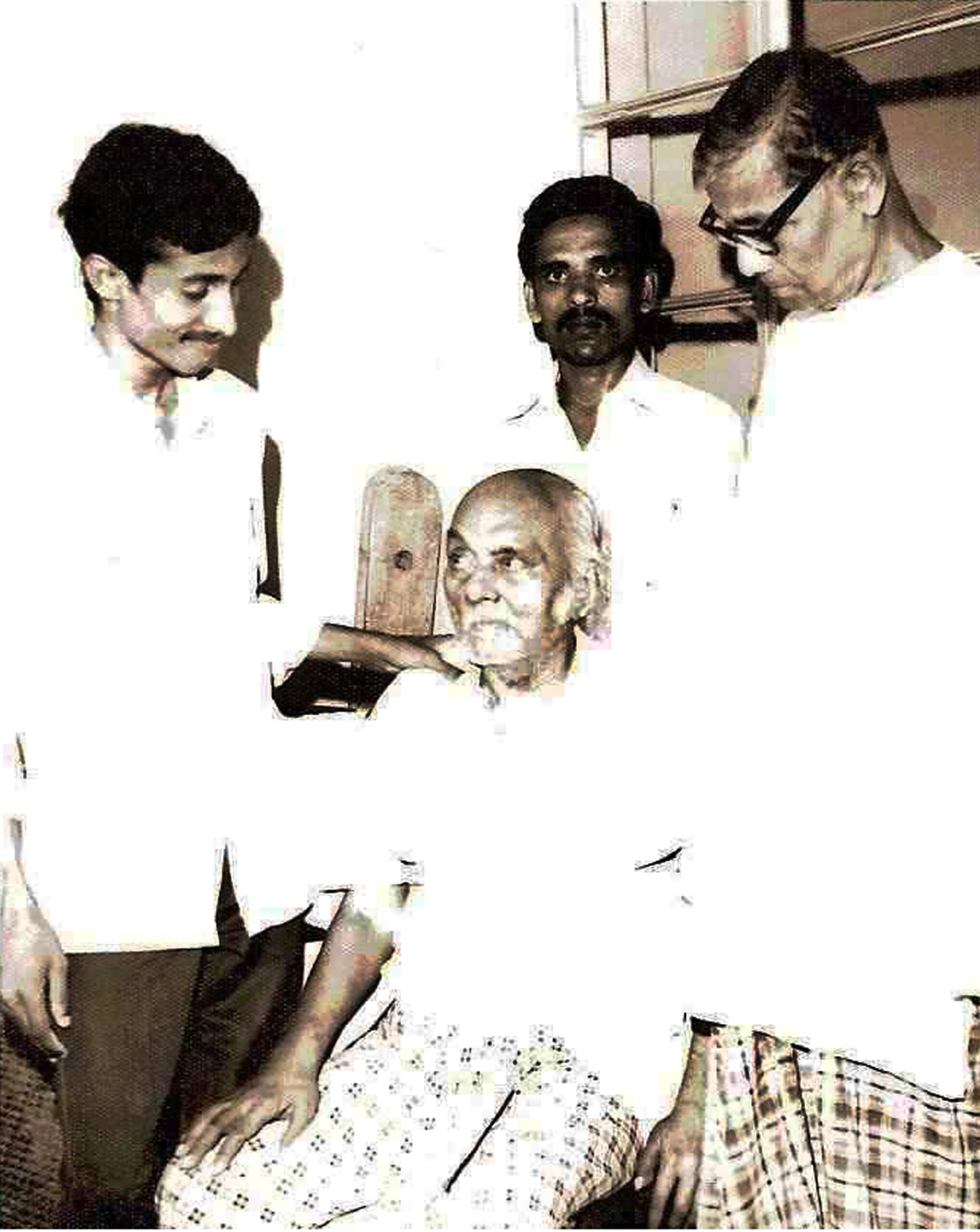
Nasir Ali Mamun with poet Kazi Nazrul Islam (1899 – 1976) & Jasimuddin (1903 – 1976) PG Hospital, Shahbagh, Dhaka.1975 Photo- Shamsuddin Ahmed Charu
As someone who has witnessed the evolution from analogue to digital photography, what developments in photography interest you the most today?
The greatest development, in my view, is information technology. Whether it is electricity, television, or cameras, everything today is centered around it. It is the most revolutionary advancement because it was not created by a single person or one country. It is the result of collective efforts from people across the world. This has completely changed the definition of visual art and photography.
We are now living in a transition period where visual art itself is being redefined. It has become difficult to give a fixed definition. There are new forms such as video art and conceptual art, where the idea or thought behind the work is often more important than the image itself. This connection with new technology is essential because, without adapting to it, it is not possible to keep pace with the present time.
In the future, we will see even more changes. Instead of computers, there may be chips in our hands. Screens may appear on walls with just a touch. Artificial intelligence and voice control are already part of our lives. These developments are fascinating and will continue to reshape how we create and experience images.
However, despite all these advancements, I believe we will never find another creative genius like Jasimuddin. The lifestyle, the time, and the environment that shaped him belong to a different era, and that cannot be recreated through technology.
What advice would you give to photographers who want to document the personalities shaping our society today?
My advice to the younger generation is simple. Do not follow anyone’s advice blindly. Listen to your own mind and instincts. Today, your gadgets and technology are your closest companions, and you should learn how to use them in your own way.
I believe we are moving toward a time when traditional educational institutions may no longer hold the same importance. In future, probably, universities may not exist in the way we know them today. Perhaps only primary education for basic literacy will remain, and most learning will take place online.
If you think about it, a person’s life span is limited. Yet many spend 15 to 20 years within academic systems before they truly begin their journey. This system, shaped by a larger economic structure, often delays people from starting their real work. In many places, young people are already advancing much faster through alternative learning paths.
With the rise of private online institutions and digital platforms, people can gain the skills and certifications needed to work in major global companies without following conventional routes. This shift is already happening.
So, I would say, question the system, think independently, and do not become trapped in a structure that limits your time and potential. Use the tools you have, create your own path, and focus on meaningful work that reflects your vision.
I would say, question the system, think independently, and do not become trapped in a structure that limits your time and potential.