



By Neha Shamim
In a city where literature and visual art have long intersected, a new exhibition is bringing two of Bangladesh’s most influential poetic voices back into focus, this time through the lens of photography. Alliance Française de Dhaka is set to host Photoseum: Life of Poetree, the 66th solo exhibition by renowned photographer Nasir Ali Mamun. Opening at La Galerie, the exhibition will run until April 16.
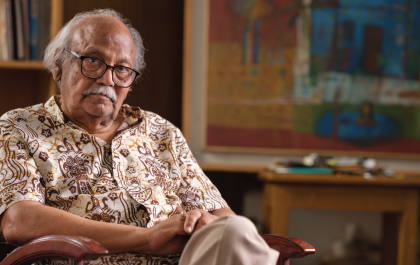
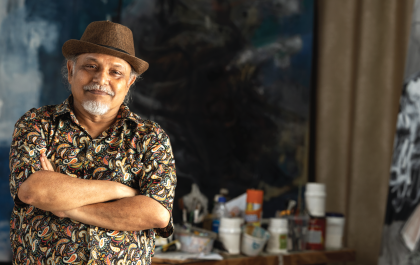
The exhibition presents a carefully curated collection of black-and-white portraits and archival materials centered on two towering literary figures: Shamsur Rahman and Al Mahmud. Both poets played defining roles in shaping modern Bangladeshi literature, yet their voices emerged from markedly different contexts. Through Mamun’s work, visitors are invited to look beyond their writings and engage with their presence as individuals.
This exhibition also marks the bicentenary of photography, situating Mamun’s work within a broader global reflection on the medium. Known for his long-standing commitment to portrait photography, Mamun has spent over five decades documenting cultural figures, building what many consider an invaluable visual archive of Bangladesh’s intellectual and artistic life.
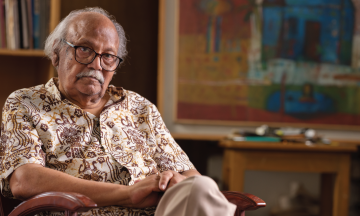
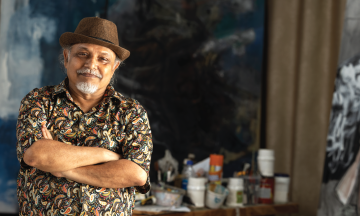
At the heart of Photoseum: Life of Poetree is Mamun’s distinctive approach to portraiture. Working primarily in black and white, he relies on subtle contrasts of light and shadow, minimal backgrounds, and close framing to create images that feel both intimate and reflective. His portraits are less about spectacle and more about presence, capturing fleeting expressions, quiet pauses, and the emotional weight carried by his subjects.
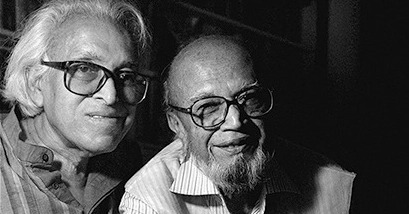
Photo Source: Nasir Ali Mamun/Photoseum
In his photographs of Shamsur Rahman, this approach translates into images that emphasize introspection. Often depicted in calm, contemplative settings, Rahman appears as a figure grounded in thought and moral clarity. His poetry, known for its engagement with urban life, humanism, and resistance against oppression, finds a visual parallel in these restrained yet expressive portraits.
By contrast, Mamun’s portrayal of Al Mahmud carries a different emotional texture. Rooted in rural life, folklore, and spiritual traditions, Mahmud’s literary voice is reflected in portraits that feel layered and complex. There is a sense of experience and quiet intensity in these images, suggesting both the richness of his influences and the solitude that often accompanies a life in literature.
One of the most significant elements of the exhibition is its documentation of a rare and historic moment between the two poets. For years, Shamsur Rahman and Al Mahmud remained distanced due to ideological differences. On May 31, 2004, after persistent efforts by Mamun, they met at Rahman’s residence in Dhaka’s Shyamoli area. During this meeting, Mamun conducted an interview while simultaneously capturing a series of photographs.
This encounter, later published in Prothom Alo, is revisited in the exhibition through both photographs and video materials. It offers visitors a rare glimpse into a moment of reconciliation, one that holds both literary and historical significance. Rather than presenting the poets solely through their individual legacies, this segment highlights the human dimension of their relationship.
In total, the exhibition features around 60 photographs alongside previously unpublished video content. Together, these elements create a layered viewing experience that moves between stillness and motion, memory and documentation. The use of black-and-white imagery further reinforces a sense of timelessness, allowing viewers to engage with the subjects without the distractions of color or context.
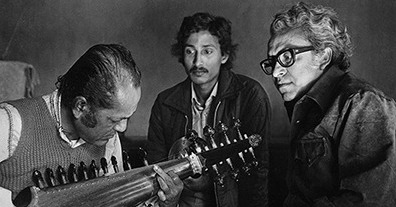
Photo Source: Nasir Ali Mamun/Photoseum
More than a retrospective of Mamun’s work, Photoseum: Life of Poetree creates a dialogue between literature and visual art. It asks viewers to consider how images can extend the life of poetry, how a face, a gesture, or a moment of silence can reveal dimensions that words alone may not capture.
Born in Dhaka in 1953, Nasir Ali Mamun is widely regarded as a pioneer of portrait photography in Bangladesh. Often described as the “poet of the camera,” his work reflects a deep sensitivity to the people he photographs. Over the years, he has held 65 solo exhibitions around the world and authored 20 books, consistently focusing on artists, writers, thinkers, and public figures.
His role as Photo Editor at Prothom Alo and his work as the personal photographer of Nobel Laureate Muhammad Yunus have further cemented his place within the country’s cultural landscape.
As Dhaka continues to expand its cultural programming, exhibitions like this offer a space for reflection, bringing together past and present through thoughtful curation. Photoseum: Life of Poetree does not attempt to dramatize its subjects. Instead, it presents them with quiet attention, allowing visitors to engage at their own pace.
In doing so, it reminds us that the legacy of poetry is not only preserved in books, but also in the images, memories, and moments that surround the lives of those who create it.
All Photo Source: Nasir Ali Mamun/Photoseum