


By Ayman Anika
There is something about a rainy afternoon in Bangladesh that makes people slow down. The traffic outside feels distant, tea seems more appealing, and suddenly the idea of curling up with a book sounds better than scrolling endlessly on a phone.
Yet many homes no longer have a dedicated place for reading. As living spaces become smaller and screens occupy more of our attention, the traditional reading nook has quietly disappeared. The good news is that creating one does not require a large house, an extra room, or expensive furniture. With a few thoughtful additions, even the smallest apartment can have a cozy corner designed for reading, reflection, and relaxation.
This monsoon season, perhaps it is time for a reading corner revival.
Start with the floor
One of the simplest ways to create a comfortable reading space is to move closer to the ground. Floor seating works particularly well in Bangladeshi homes because it feels familiar and practical.
A large floor cushion, a low mattress, or even a folded kantha can instantly transform an unused corner into a reading spot. Layering different textures can make the space feel more inviting. A cotton throw, a handwoven rug, or a few smaller cushions can provide both comfort and visual warmth.
Unlike bulky furniture, floor seating is flexible. The cushions can be moved around when guests arrive or stored away if extra space is needed.
For those living in apartments where every square foot matters, this is often the most practical solution.
Choose lighting carefully
A reading corner is only as good as its lighting.
Many homes rely heavily on bright ceiling lights, which are useful for general activities but not always ideal for reading. A dedicated lamp can completely change the atmosphere of a space.
A floor lamp beside a cushion arrangement works well if there is enough room. For smaller homes, a compact table lamp on a side table or shelf can be just as effective.
Warm lighting usually creates a more relaxed environment than harsh white light. The goal is not to make the room dark but to create a softer glow that encourages people to stay a little longer.
During the rainy season, when natural daylight often disappears earlier than expected, good lighting becomes even more important.

Let books become part of the decor
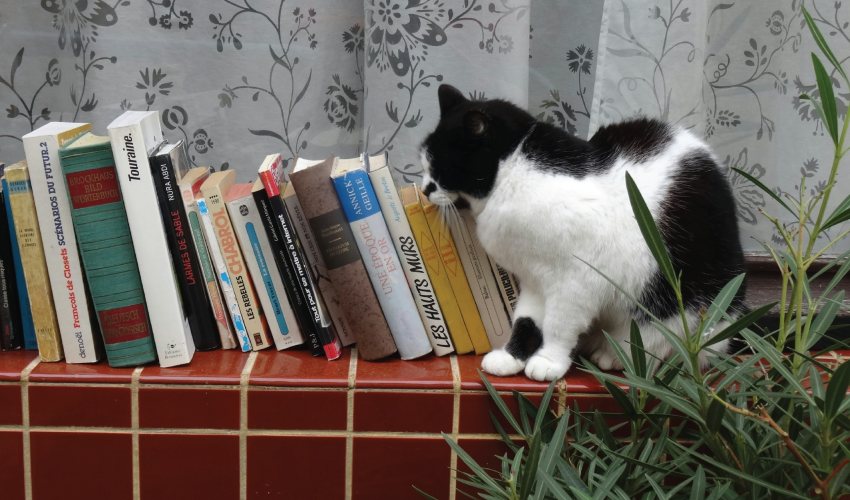
Many people hide their books inside cabinets or stack them wherever space is available. A reading corner offers an opportunity to make books visible.
A bookshelf does not need to be large. A narrow vertical shelf, a floating wall shelf, or even a simple wooden rack can serve the purpose.
The key is accessibility. Books that are easy to see and reach are more likely to be picked up.
Consider mixing different genres and formats. Novels, poetry collections, travel books, magazines, and coffee-table books can coexist on the same shelf. The arrangement should feel personal rather than overly organised.
For households with children, keeping books at lower levels can encourage reading habits from an early age.
A small bookshelf also creates a sense of identity. It tells visitors something about the people who live there and serves as a reminder of interests that extend beyond work and daily responsibilities.
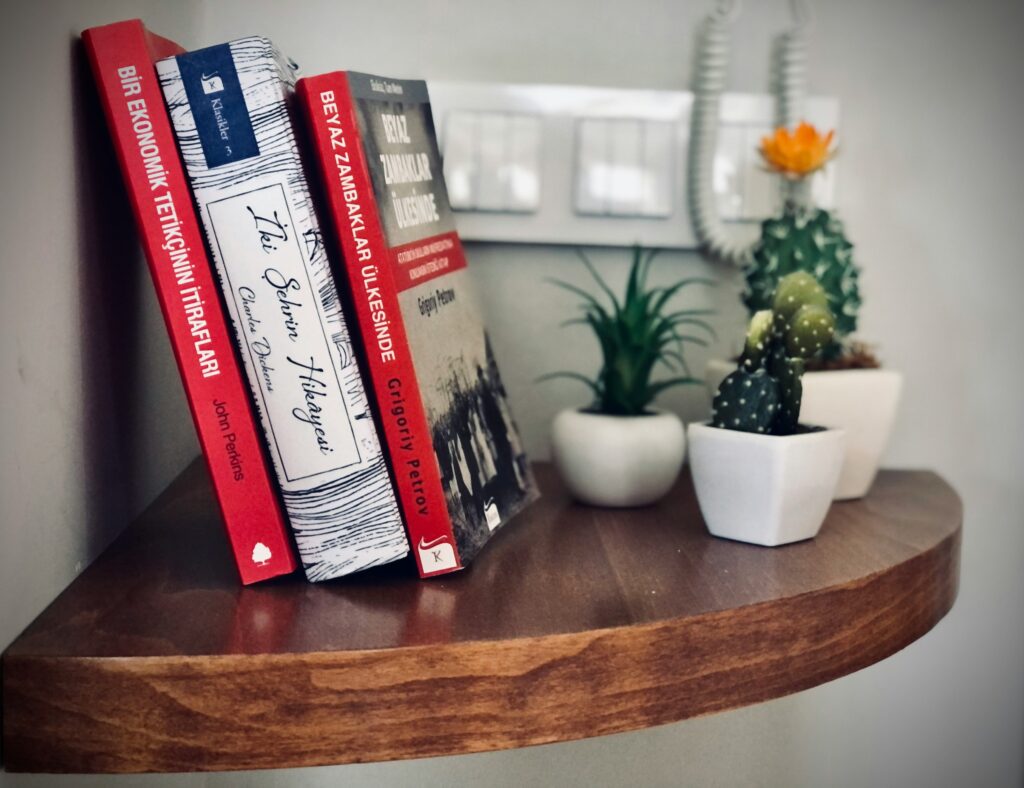
Bring in greenery
Plants can make a reading corner feel calmer without requiring major investment.
The best options for Bangladeshi homes are often low-maintenance varieties that tolerate humidity and indirect light. Snake plants, pothos, peace lilies, and spider plants are popular choices because they are relatively easy to care for.
A single plant beside a floor cushion can soften the look of a space. A cluster of smaller plants on shelves can create a more immersive atmosphere.
There is also a practical advantage. During the monsoon, when people spend more time indoors, greenery can help a space feel fresher and more connected to nature.
The goal is not to create an indoor jungle but to introduce a touch of life into the corner.
Add personal touches
The most memorable reading corners are not the ones that look perfect on social media. They are the ones that reflect the personality of the people using them.
A framed photograph, a favourite mug, a handmade ceramic bowl, or a small piece of artwork can make the space feel uniquely yours.
Many Bangladeshi homes already contain beautiful handcrafted items that can be incorporated into a reading nook. Nakshi kantha cushions, bamboo accessories, terracotta pieces, or handloom textiles can add character while supporting local craftsmanship.
These details help transform a functional corner into a meaningful one.
A space for slowing down
The popularity of reading corners is not really about furniture or interior design trends. It reflects a growing desire to create moments of pause within busy lives.
A reading corner can become a place to enjoy a novel during a thunderstorm, journal after a long day, listen to music, or simply sit quietly with a cup of tea.
In a country where rainy afternoons have inspired countless songs, poems, and stories, creating a dedicated space for reading feels especially fitting.
Perhaps the reading corner revival is not about bringing back an old trend. Perhaps it is about reclaiming a small part of the home for reflection, imagination, and rest.
And sometimes, all it takes is a cushion, a lamp, a shelf of books, and a plant by the window.