


By Bohemian Faisal
Mymensingh: The Soil of Zainul Abedin
The moment I arrived in Mymensingh, it didn’t feel like I’d reached a city rather, I’d stepped into the heart of something green and living. The Brahmaputra River flowed gently, yet its waves seemed to speak to me. As I walked and stood by the riverbank, a quiet realisation struck me, this is where Shilpacharya Zainul Abedin was born. The river, the boats, the laughter and sorrow of people, these were the elements that shaped his childhood.
As I closed my eyes, I could almost see a boy, while others played in the fields, he sat with paper and pen, sketching the ripple of the river, the fishing boats, the posture of village folk. It was then I understood: to truly know Zainul, one must feel this calm, embracing nature of his birthplace.
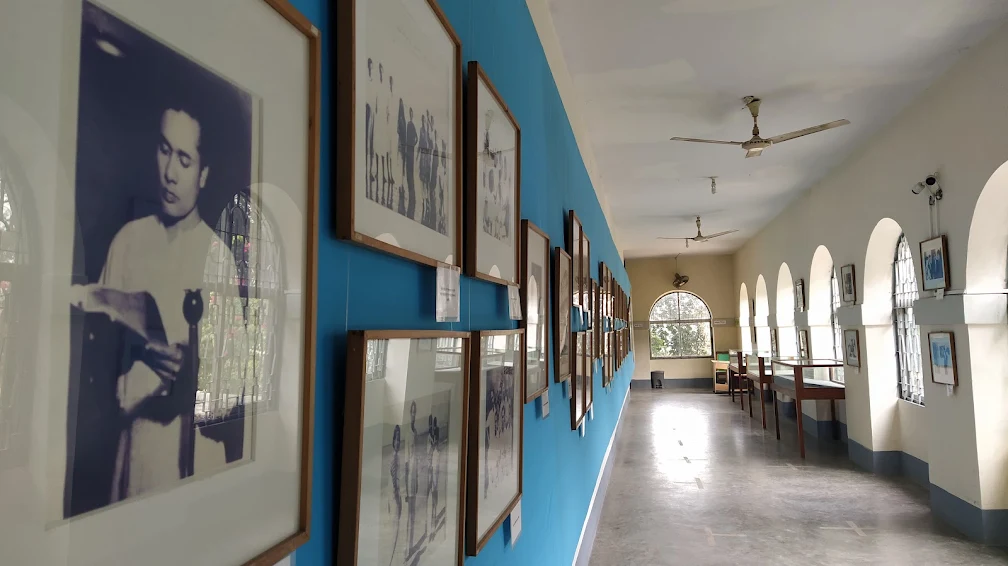
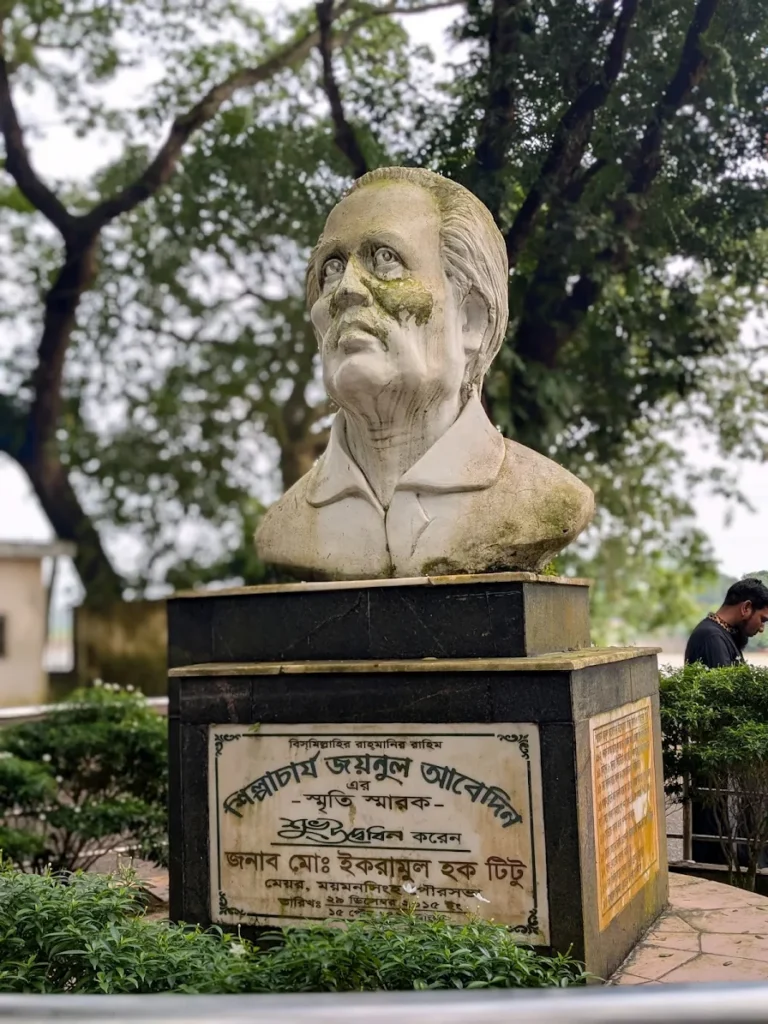
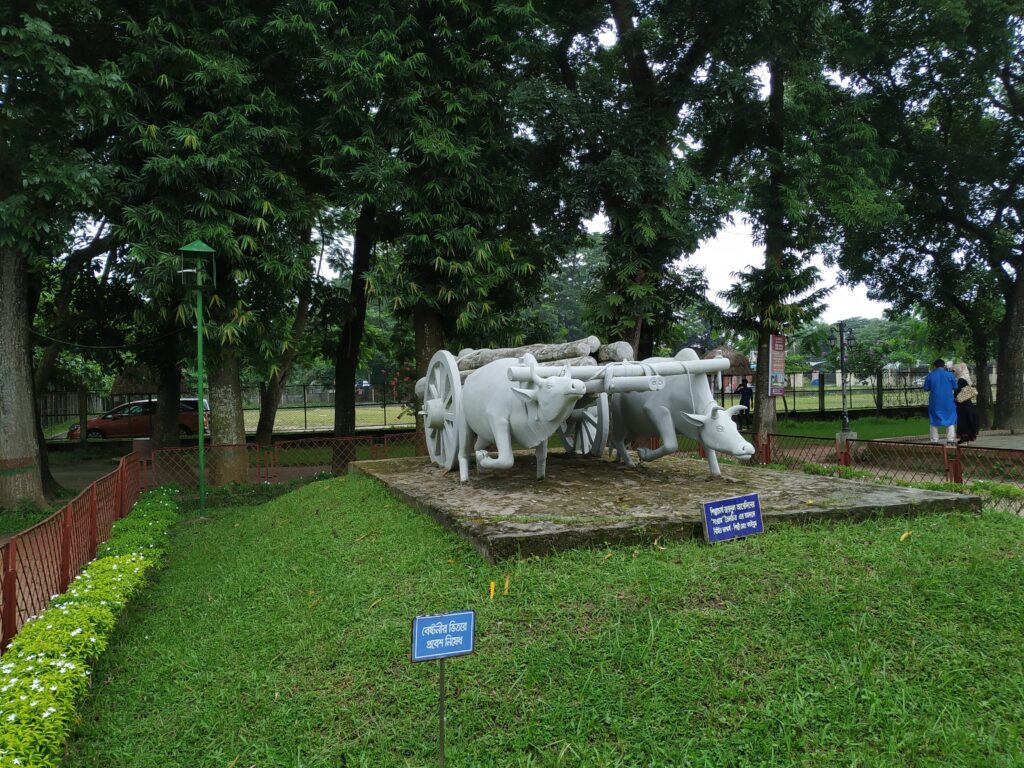
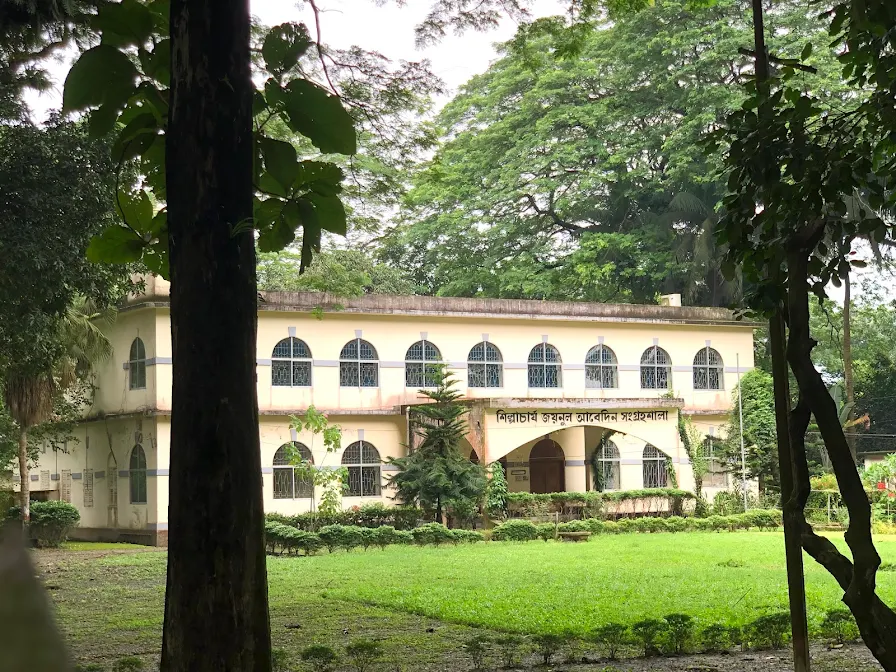
Entering the Zainul Abedin Sangrahashala (art gallery) he founded in Mymensingh, a quiet solemnity washed over me. In those simple rooms, lined with his ink drawings, watercolours, and sketches, I felt as though he might step out from the next room at any moment and say:
“Art must hold within it both sorrow and joy, truth and beauty.”
The silence of the gallery, the golden light outside, and the faint scent of the river all blended together, surrounding me with his life story. Mymensingh did not just show me a place; it revealed the soil where an artist was born.
In Sonargaon: Entering Another World of Zainul’s Art
A few days later, I travelled to Sonargaon near Dhaka, a completely different feeling. Here, history felt etched into every wall. Crossing the gate of the Bangladesh Folk and Crafts Foundation, it felt as though I was stepping into another century. This foundation was built by Zainul Abedin himself, and the space carries his spirit.
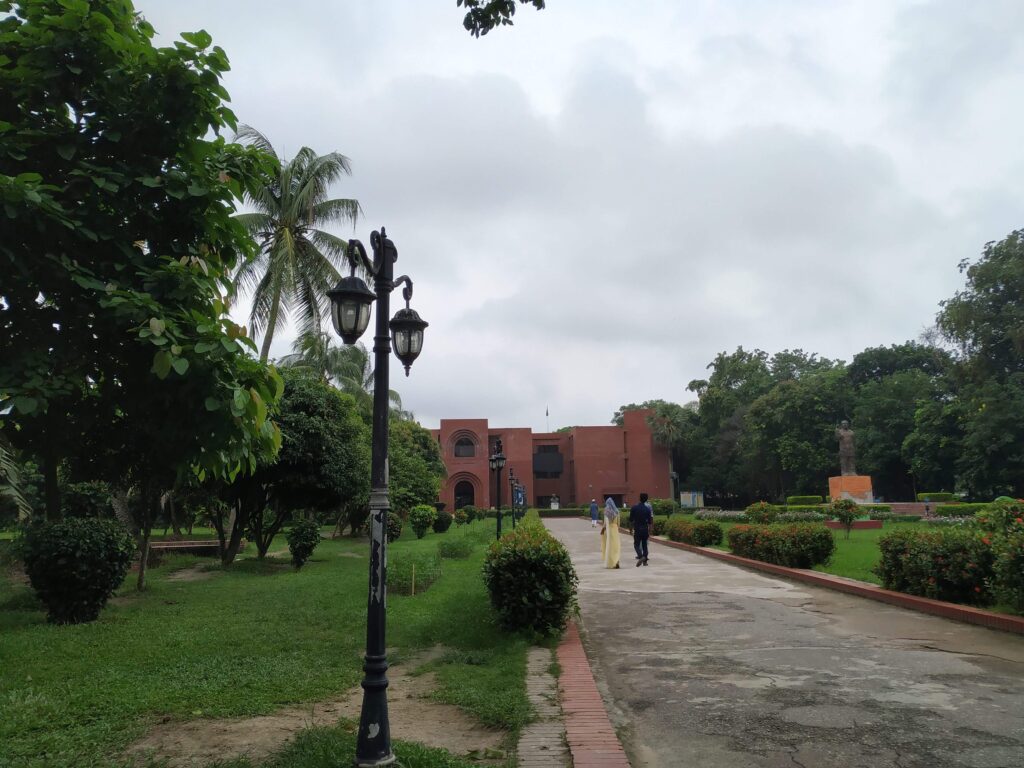
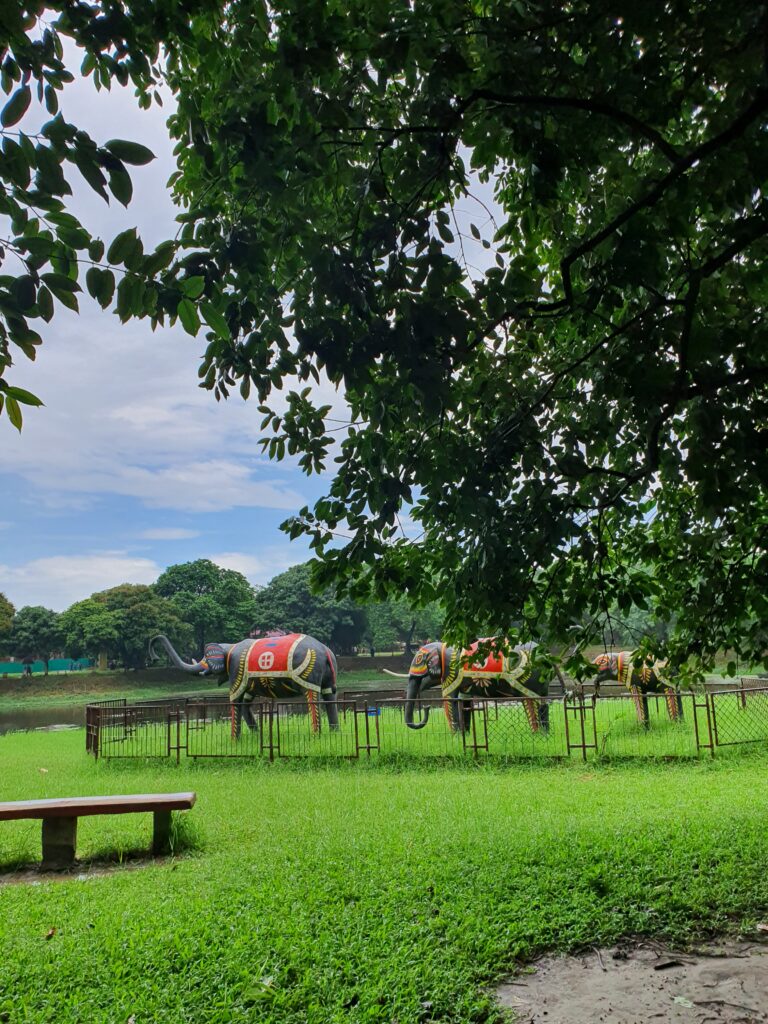
Seeing the old Panam Nagar building for the first time was startling, so quiet, yet full of stories. This was the birthplace of his mission to preserve folk art. Later, he moved the foundation to a vast 150-bigha complex, the present-day Sonargaon Folk Art Museum, a living dream.
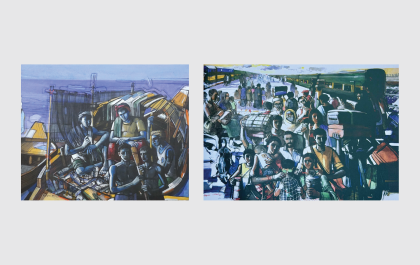
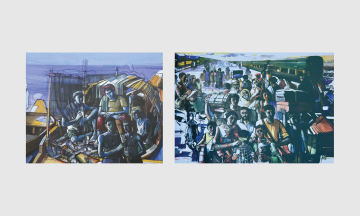
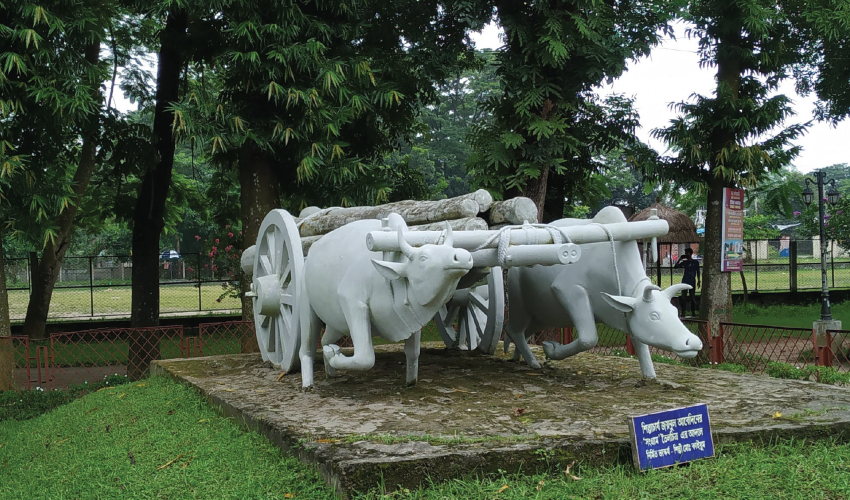
Standing before the grand Baro Sardar Bari, it felt like time had rewound. And just south of the building, the ‘Struggle’ sculpture, a three-dimensional version of Zainul’s famous painting, left me speechless.
Inside the museum, the rich variety of folk art, masks, wooden toys, embroidered quilts, metalwork, made his vision come alive. As I walked through, I imagined him by my side, saying:
“Folk art is where people hold tight to their roots.”
Sonargaon made it clear, Zainul didn’t just paint. He preserved the soul of Bengal.