


Inside the historic Armenian Church that preserves a forgotten chapter of Old Dhaka
By Mahjabin Rahman
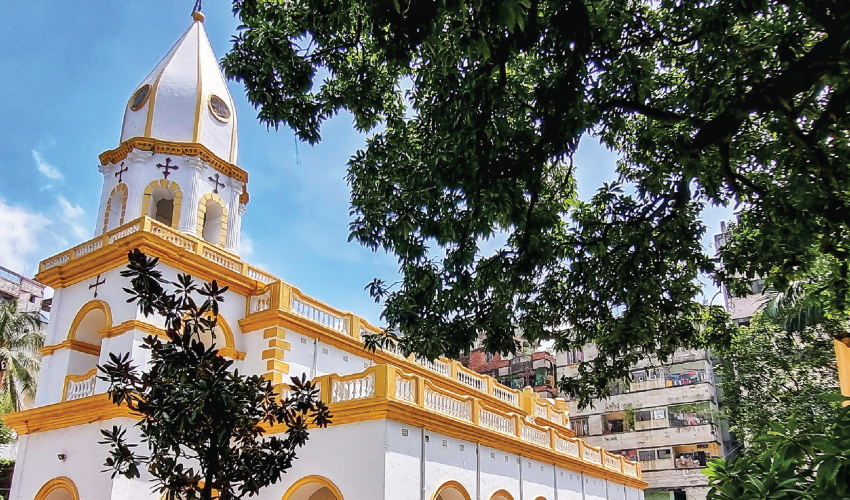
In the heart of Old Dhaka, where narrow lanes echo with the rhythms of a city that has grown for centuries, stands a church that many pass by without realizing the story behind it. The Armenian Church of the Holy Resurrection, located in the historic neighbourhood of Armanitola, is one of Dhaka’s oldest surviving landmarks.
Completed in 1781, the church remains a striking reminder of a time when Armenian merchants lived and traded in the city, leaving behind a legacy that still lingers in this corner of Old Dhaka. Today, the church stands as a doorway into a chapter of Dhaka’s past that few people know about.
The Armenian Presence in Dhaka
The history of the Armenian Church cannot be told without understanding the community that built it. Armenians arrived in Bengal during the 17th century, many of them encouraged or relocated by Persian rulers of the time. Known for their skills in trade and commerce, Armenian merchants soon became active participants in the economic life of the region.
Dhaka, back then an important commercial centre, attracted many of these traders. They established businesses dealing in goods such as jute and leather, and over time some of them chose to settle permanently in the city. The neighbourhood where they lived gradually came to be known as Armanitola, a name that still stands today as a reminder of that community.
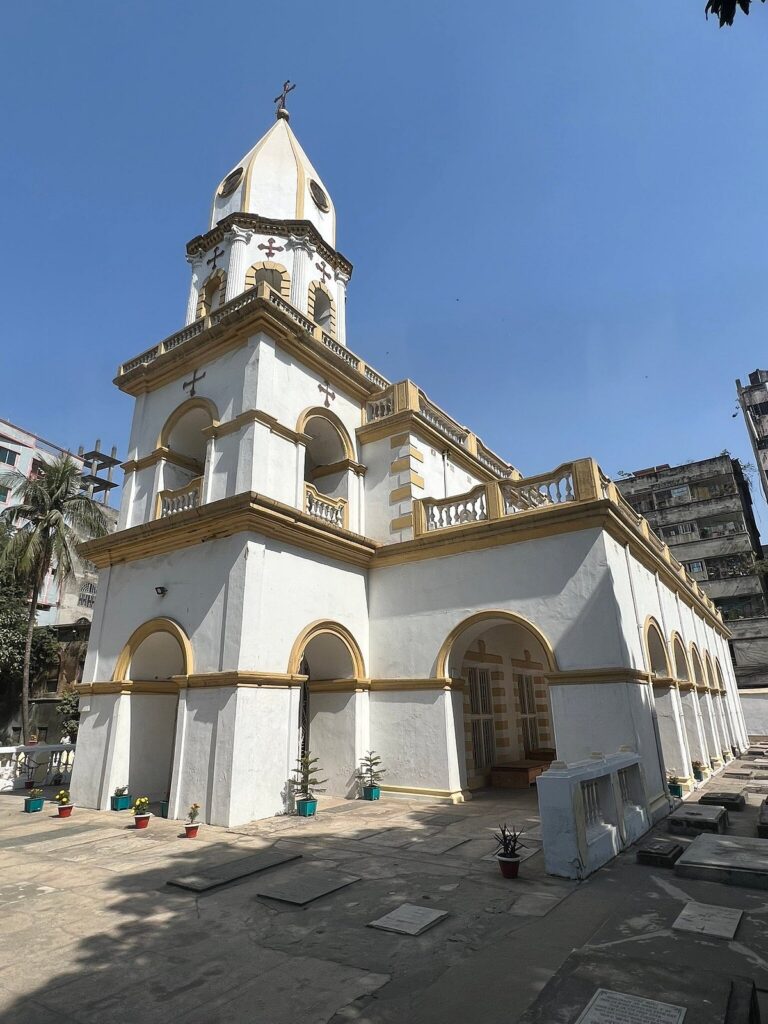
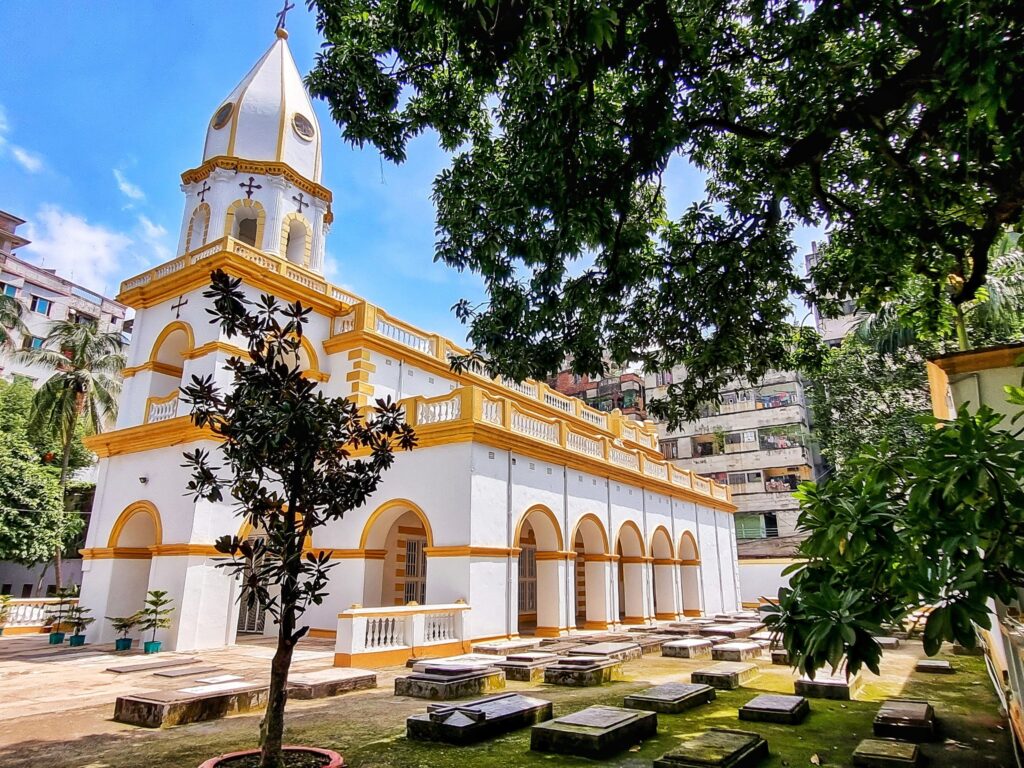
As the Armenian population in Dhaka grew, the need for a place of worship became increasingly important. In 1781, the Armenian Church of the Holy Resurrection was completed on Armenian Street. Interestingly, the land where the church stands today was once an Armenian graveyard. Many of the tombstones that still remain within the compound continue to tell the tales of the people who once formed this vibrant community.
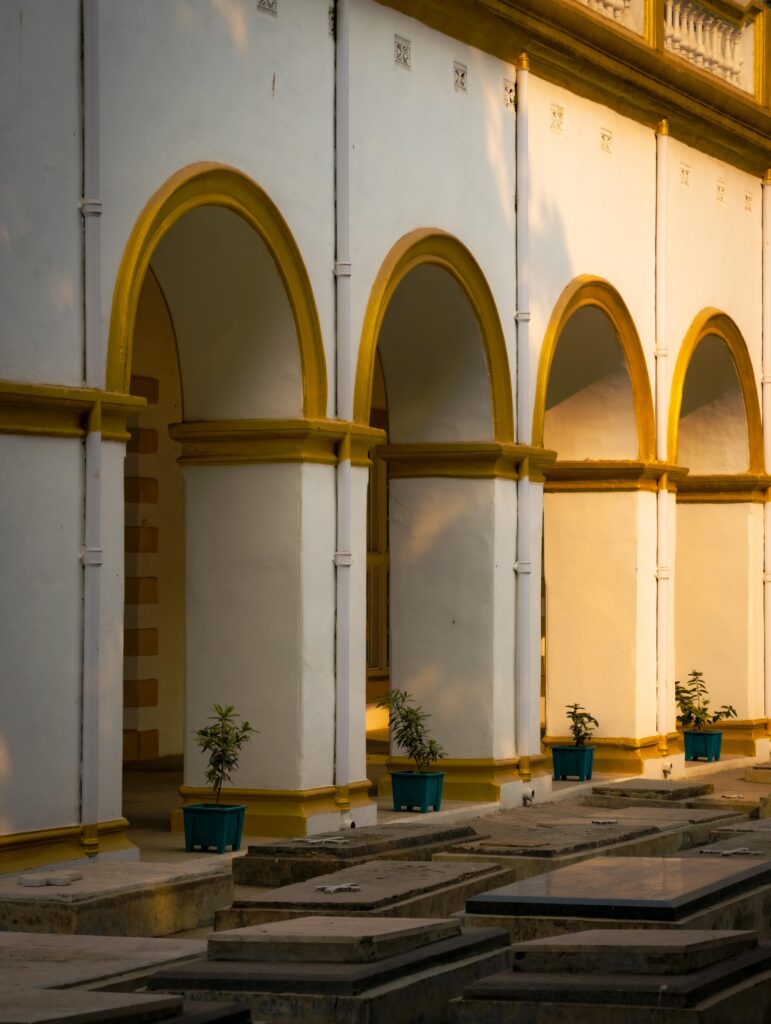
Beauty in Every Arch
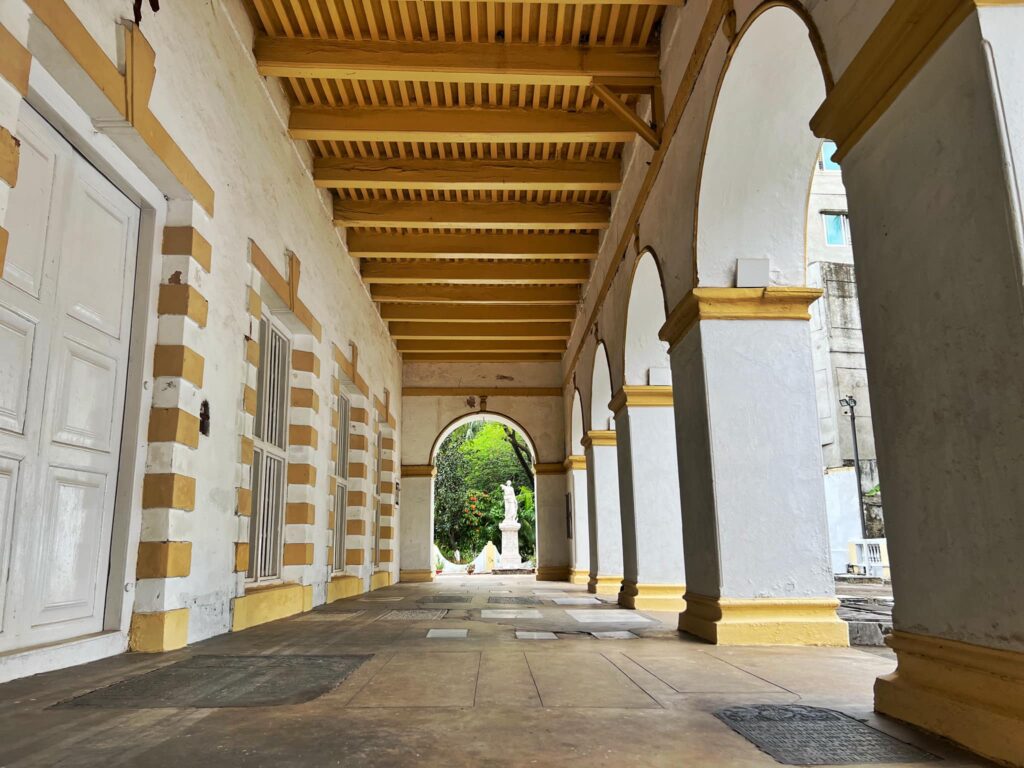
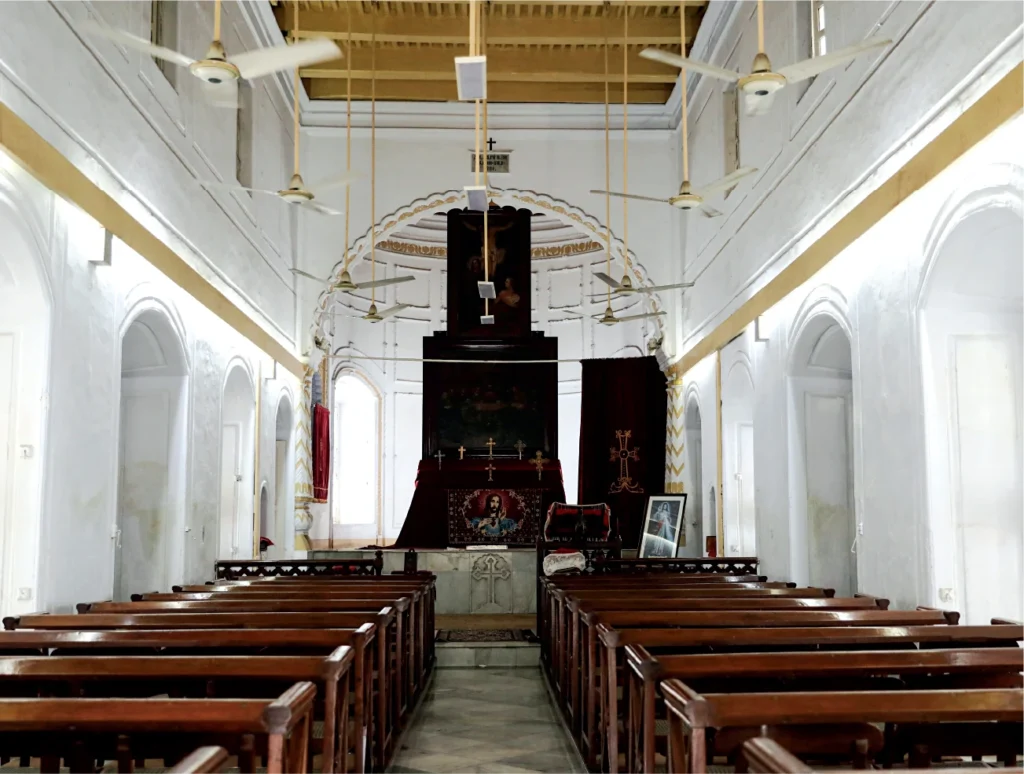
The Armenian Church stands as a graceful example of colonial-era design, prioritizing harmony and natural light. Its two-storied structure is defined by symmetrical arches and an open floor plan, creating an airy, serene atmosphere. Inside, the main prayer hall flows seamlessly into wide, rectangular verandas, while a delicate spiral staircase guides visitors to an upper balcony, offering a unique, elevated perspective over the sanctuary below.
At one time, the church also featured a clock tower on its western side. The sound of the bell was said to travel miles across the city, helping residents keep track of time. Unfortunately, the clock stopped working in 1880, and the tower itself was later destroyed by an earthquake in 1897.
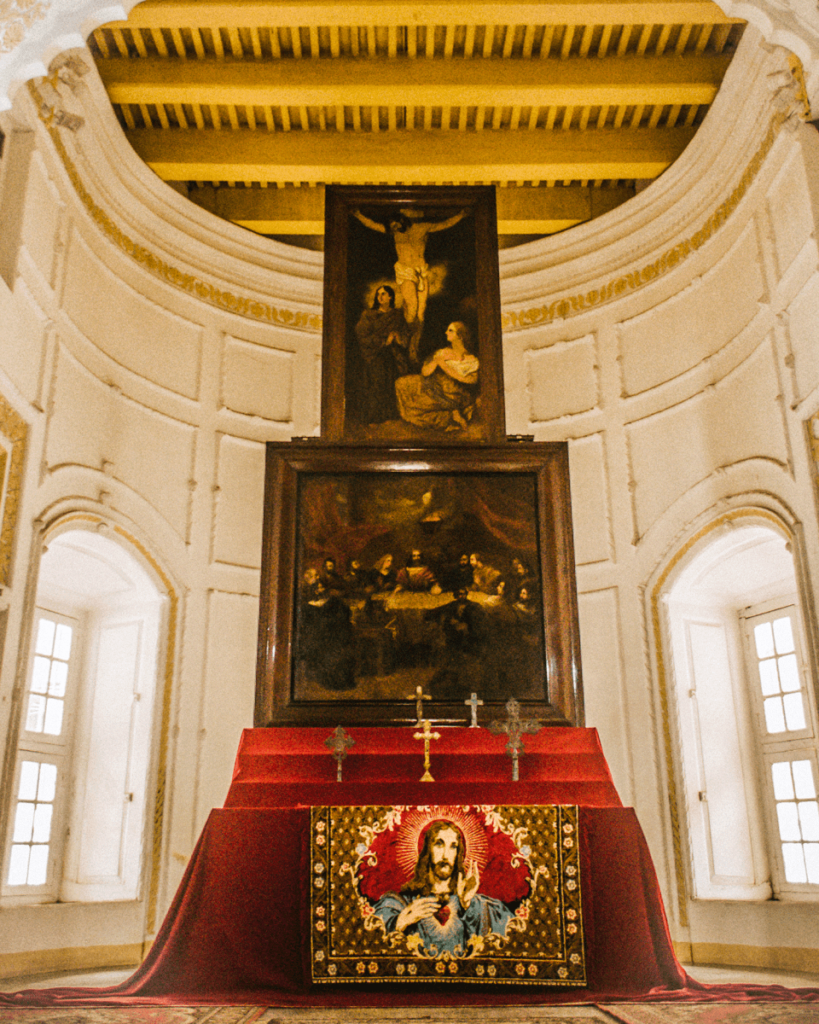
Despite these losses, the church remains a striking architectural landmark in Old Dhaka. Beautiful paintings by the artist Charles Port can still be found within its interior, adding to the artistic and historical character of the space.

Preserving a Legacy
Although Dhaka’s Armenian community has largely vanished, the historic church endures thanks to devoted caretakers. Mikel Housep Martirossian (Michael Joseph Martin), the last Armenian to look after the church, played a crucial role in its survival. In the 1980s, when the property was most vulnerable and close to being taken over, he and his family undertook extraordinary efforts to protect it. A former participant in Dhaka’s jute trade, Martin’s personal sacrifices and unwavering dedication ensured that both the church and the story of the Armenian community in Dhaka were preserved. He passed away in Canada on April 10, 2020, leaving behind an impact that continues to safeguard this remarkable landmark.
The Armenian Church continues to attract visitors. Mother Teresa stayed in the church compound during her 1996 visit to Dhaka, and in the old graveyard, a statue at Catchik Avatik Thomas’ grave, bought from Kolkata, portrays his wife with the inscription “Best of Husband.” The church has been featured in international documentaries and is now recognized as a protected heritage site under Bangladesh’s Department of Archaeology, with support from the Government of Armenia. It is open during the day for visitors to explore and experience this historic landmark.
A Living Piece of History
Though the Armenian community in Dhaka has largely disappeared, the Armenian Church of the Holy Resurrection stands as a symbol of cultural exchange and shared history. Its courtyard, gravestones, and historic structure offer a glimpse into a time when people from distant lands made Dhaka their home. In the ever-changing streets of Old Dhaka, the church remains a rare link to the past, a small piece of Armenia in the heart of the city.