


By MWB Desk
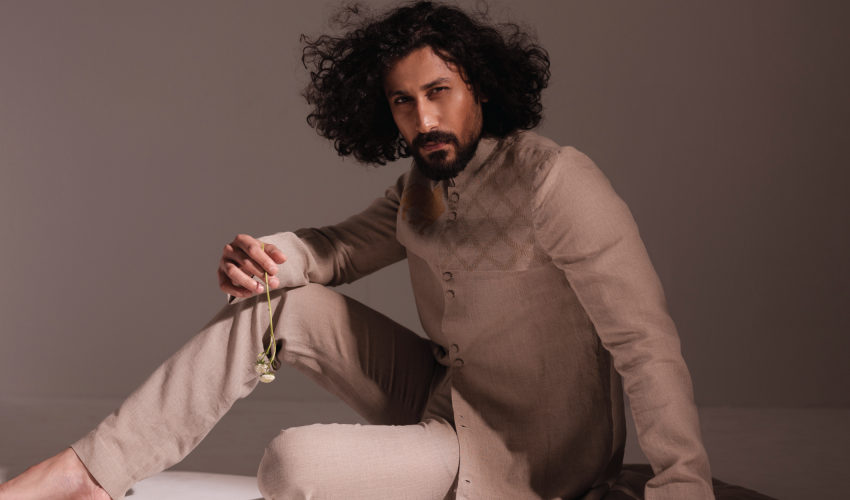
Rising from Bangladesh’s vibrant fashion industry to the high-stakes world of US corporate IT, Iftekhar Zaib has seamlessly transitioned from the glamor of modeling to consulting for Fortune 500 companies. His story is one of bold shifts, quiet perseverance, and redefining success across two very different worlds.
Zaib, originally from Chattogram, came from a traditional family with no ties to showbiz. But ambition has its own path. After high school, he moved to Dhaka and enrolled at East West University. Alongside his studies, he stepped deeper into the modeling world – breaking barriers and setting trends.
The journey wasn’t easy, but as the saying goes: fire needs a spark to ignite. Zaib found his spark in 2011 through the guidance of his mentor, Mahmudul Hasan Mukul – and from there, his rise was steady.
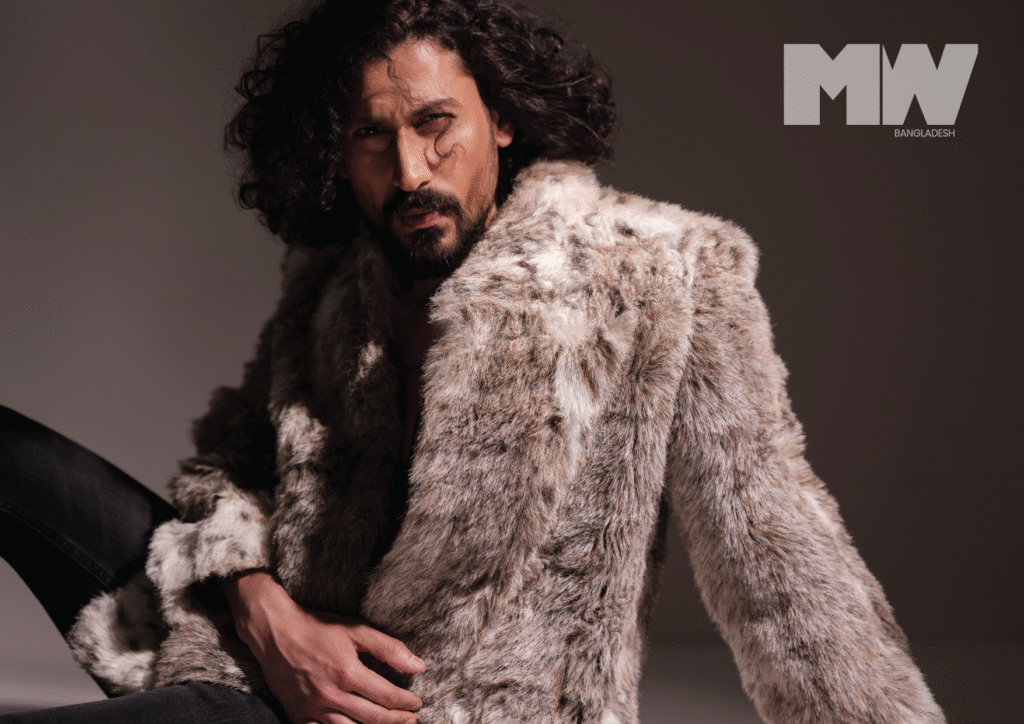
Zaib became one of the most recognized faces in the Bangladeshi fashion industry. From Aarong, Cats Eye, Ecstasy, Westecs, Warah, Amour, Amber Lifestyle, O2, Doors, Urban Truth, Gentle Park, Raw Nation, Plaire, Apex, Nabila, to Style-Sell – he became the go-to model for leading brands. He was also featured on the cover of several prominent magazines, including ICE Today, Canvas, and The Daily Star, further cementing his presence in the fashion world. He became a regular on TV as well, appearing in commercials for CloseUp-1, Teletalk 3G/Flash, Symphony, and Mojo Cola, collaborating with industry icons like Amitabh Reza Chowdhury.
He didn’t just walk runways – he conquered them. Dhaka Fashion Week, Zurhem, Batexpo, Cafaxpo, Passion for Fashion, and Denim Fashion Week saw him showcase some of the country’s finest designs. He starred in music videos, including “Panjabiwala – Tribute to Legend,” which has racked up over 35 million views on YouTube. He also expanded his presence into acting – his role in the horror drama Voodoo received acclaim. In 2015, he hit the big screen in the psychological thriller Zero Degree, acting alongside Jaya Ahsan and Mahfuz Ahmed. Critics praised his performance, and fans embraced his versatility.
By 2018, he was ranked among Asia’s 15 Most Attractive Men – a milestone few could have imagined for that boy once spotted on a random street. And then came the next chapter.
Zaib didn’t settle. After completing his Bachelor’s degree in 2017, he moved to the United States to pursue a career in Information Technology. He studied, trained, and gradually transitioned into the tech world. Today, he works at a reputable software development firm, providing tech solutions to some of the world’s biggest companies.
His journey is a reminder: life doesn’t follow a straight path. Sometimes, it takes a ramp, a spotlight, or a chance street encounter to unlock a future no one expected.
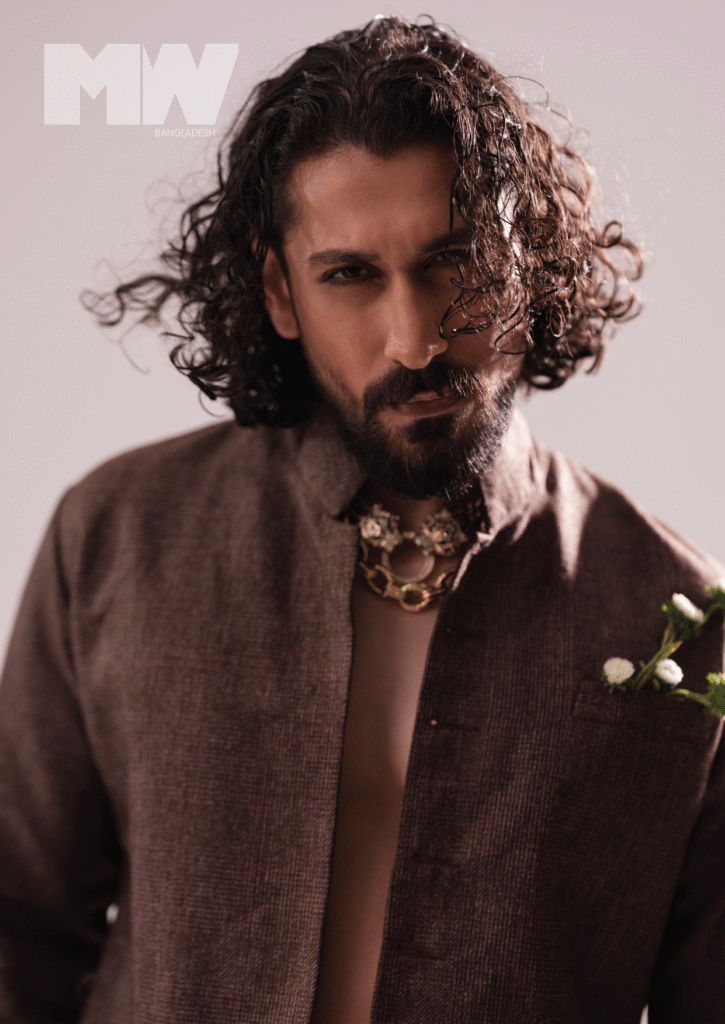
You’ve become a well-known face in the Bangladeshi fashion scene, modeling for brands like Aarong, CATS EYE, Urban Truth, and Ecstasy. What initially drew you to the world of modeling, and how did it shape your identity as a creative professional?
Back in 2011, I was walking down GEC Moar in Chattogram when, completely unexpectedly, someone approached me and offered a chance to walk in a ramp show for Prothom Alo Fashion Week. That night sparked something in me – I realized I might have a place in the world of glamor. That moment planted the seed, and from there, I began exploring modeling seriously. It not only introduced me to the creative world but also helped shape my confidence, discipline, and artistic identity.
From editorial shoots to the runway at Dhaka Fashion Week and Batexpo, you’ve done it all. How do you prepare mentally and physically before a major fashion event or shoot?
I was a very shy child, and coming from a conservative family, I naturally grew up as an introvert. Breaking that barrier wasn’t easy – but the appreciation I received from audiences gave me confidence and slowly helped me come out of my shell. Mentally, I always focus on how my work can connect with and entertain the audience. Physically, I’ve always prioritized staying fit and consistent with my workouts. I often tailor my fitness routine and diet based on the specific needs of an upcoming shoot or runway show. Before any major event or project, I take a deep breath, remember the Almighty, my parents, and the people I love. I remind myself that my work is a way to make them proud.
Among the many campaigns you’ve been part of – like Aarong, Cats Eye, and Ecstacy – is there one project that stands out as especially meaningful to you? Why?
It’s hard to choose just one, but there are three projects that truly stand out for me – each meaningful in its own way, and none in conflict with the others. Together, they represent three distinct versions of me, and I honestly believe they’re still among the best print campaigns in Bangladesh.
Warah – ‘Two Sisters’: I was portrayed as a young Rabindranath Tagore, and the creative execution was simply top-notch. It was artistic, poetic, and deeply personal.
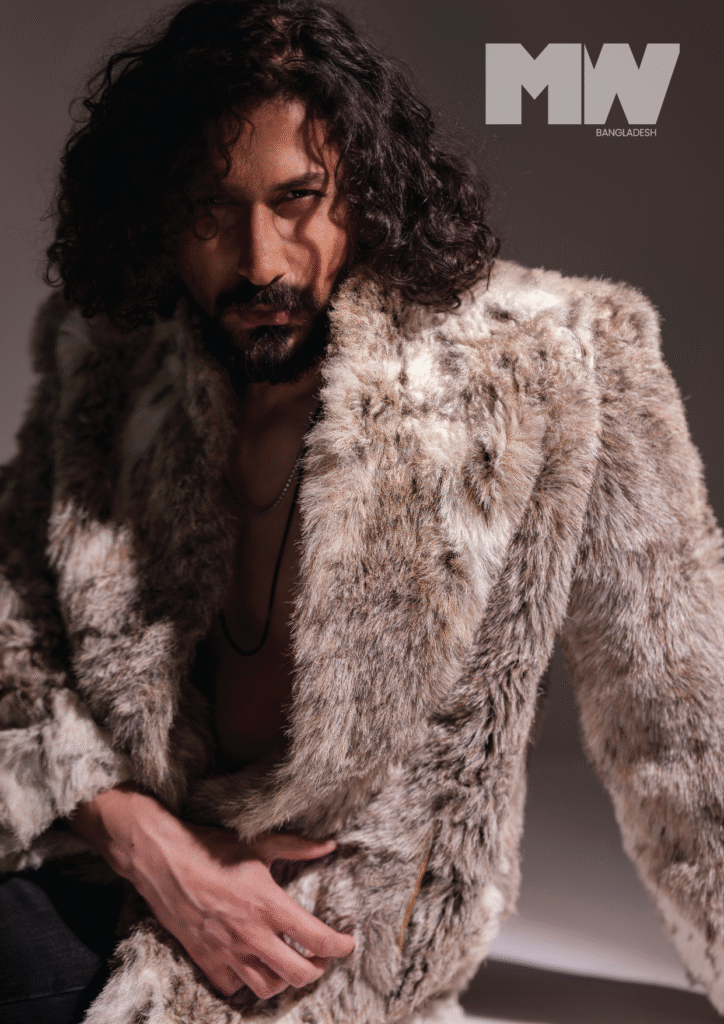
Westecs: This campaign showcased me in six different looks – long hair, short hair, bearded, clean-shaven. The versatility they captured was a masterpiece in concept and styling.
Amber Lifestyle – Denim Campaign: This was the first time denim was represented in such a bold, daring way in Bangladesh. It broke boundaries, and to this day, I think that work remains unbeaten.
These campaigns didn’t just showcase clothing – they told stories, and I was proud to be the face of them.
For aspiring models looking to break into the fashion industry, especially in Bangladesh, what would you say are the key qualities or habits that helped you succeed?
For anyone aspiring to enter the fashion industry in Bangladesh, I’d say there are a few key qualities that really helped me: discipline, patience, and adaptability. It’s important to stay consistent – whether that’s with your fitness, grooming, or professional communication. Be on time, be respectful, and treat every project, no matter how small, with seriousness.
Also, don’t wait for someone to discover you – create your own identity. Learn how to present yourself, build your portfolio, and take feedback positively. The industry is competitive, but if you’re mentally strong and stay true to your unique style, you will find your space.
And above all, be humble and grounded. Attitude can take you far – but the right attitude takes you further.
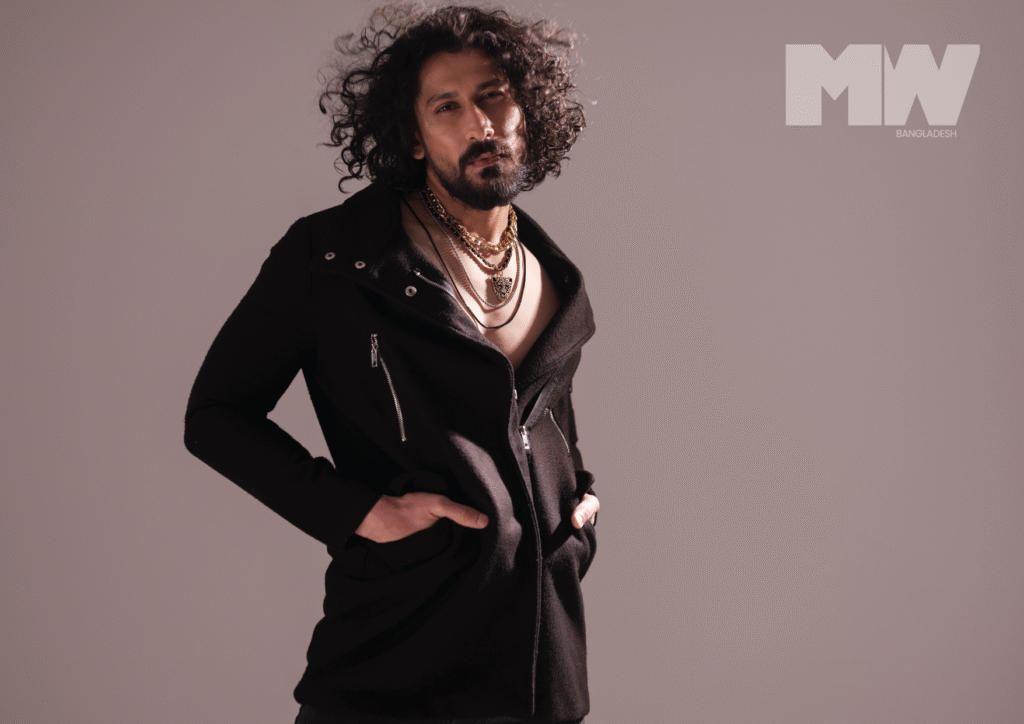
You’ve worked with major fashion houses and appeared in commercials for household brands. How important is personal branding for models today, and how did you develop yours?
Personal branding is everything in today’s fashion industry. When I started, a lot of our exposure came through magazines, billboards, and TV commercials. Social media wasn’t as dominant back then, so we had to rely solely on our work, professionalism, and networking to build a reputation.
Now, it’s a different landscape. With platforms like Instagram, TikTok, and YouTube, going viral can happen overnight. But I believe what truly matters is consistency and intention. It’s not just about being seen – it’s about what you’re putting out there. I think models today should focus on sharing positive energy, inspiring others, and showing authenticity. Use your platform to help people see beauty, creativity, and purpose in your journey.
That’s how I approached my personal brand – by staying grounded, professional, and always striving to represent something bigger than just a look or a pose.
You gained significant recognition for your performance in Zero Degree, a psychological thriller quite different from the fashion world. How did you prepare for such an intense role, and what did that experience teach you about yourself as a performer?
Zero Degree was a turning point for me – not just as a model or actor, but as a creative performer. It was a psychological thriller, which meant I had to dive into emotions and mental states far beyond what I was used to in the fashion world. Preparing for that role wasn’t just about memorizing lines – it was about understanding the character’s mindset, his pain, his silence, and his unpredictability.
I spent time studying the script deeply, observing real-life behavior patterns, and discussing scenes in detail with the director, Animesh Aich. I also got to learn from working alongside legends like Jaya Ahsan and Mahfuz Ahmed, which was an incredible learning experience.
What I learned about myself is that I enjoy pushing boundaries. That film showed me I’m capable of more than I thought – and that story-telling, whether through a look, a scene, or a script, is something I truly connect with.
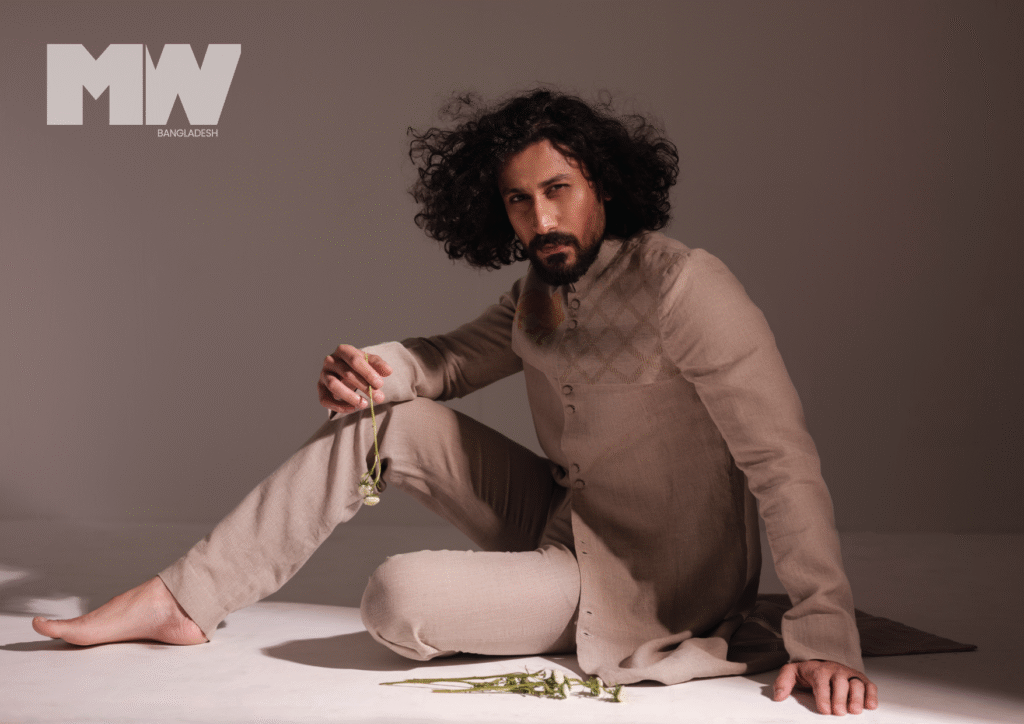
Balancing two demanding industries – fashion and film – is no easy task. How have you managed to maintain a strong presence in both modeling and acting without compromising either?
Balancing fashion and film has definitely been challenging, but I’ve always believed that if you’re passionate and disciplined, you can make space for both. For me, it’s all about planning, prioritizing, and staying focused on the purpose behind each project. Modeling taught me timing, presentation, and adaptability – while acting demanded emotional depth, preparation, and patience. Both industries are demanding in their own way, but they also complement each other when managed well.
I never took on projects just to stay busy – I chose work that aligned with my goals and allowed me to grow in different directions. Most importantly, I never stopped learning. Whether it was a photoshoot or a film set, I treated every experience with the same level of commitment. That mindset helped me maintain a strong presence in both worlds without compromising either.
What message would you like to share with young, aspiring models who look up to your journey and dream of making their mark in the fashion industry – both in Bangladesh and beyond?
To all the young, aspiring models who look up to my journey – I want to say this: never be afraid to dream big, even if it means going against the grain. When I decided to move to Dhaka and pursue higher education at East West University, my family was strongly against it. Choosing to step into the fashion world made it even harder. But I followed my heart, worked hard, and trusted that with patience and persistence, I could create a path of my own.
No matter where you come from, your discipline, attitude, and consistency will set you apart. Be humble, take feedback positively, and always focus on growing – not just in your career, but also as a person.
And above all, remember your Creator. No matter which religion you follow, make time every day to pray and connect with the Almighty. Whether you’re going through a good time or a difficult one, that connection will heal your mind and give you the strength to keep going. Your faith can be your greatest anchor.
Do you feel your modeling career helped open doors or build visibility for your transition into acting? How has being a known face in fashion influenced your journey in the film industry?
Yes, my modeling career definitely helped open doors for my transition into acting. Being a known face in the fashion industry gave me visibility and presence, which naturally attracted attention from directors and casting teams. But while modeling helped me get noticed, I knew acting required a different set of skills – emotional depth, timing, and story-telling.
Modeling taught me how to express without words, how to hold emotion in a single look or posture. That ability became a strong foundation when I stepped into acting. The discipline, camera awareness, and professionalism I gained in the fashion world translated well on screen.
That said, I never took the opportunity for granted. I worked hard to earn my place as an actor, just like I did as a model. It wasn’t just about being seen – it was about being prepared to perform.
Fashion Direction & Styling: Mahmudul Hasan Mukul
Photographed By: Kaushik Iqbal
Make up & Hair : Parvez Ahmed