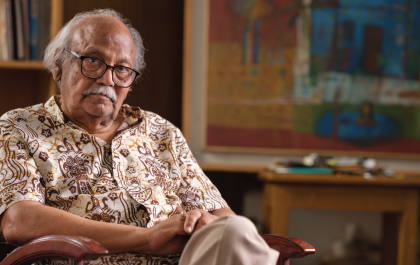




In conversation with Prof Dr Md Siraj Uddin
By Ayman Anika
On the occasion of World Skin Cancer Day, it becomes ever more crucial to raise awareness about one of the most preventable yet potentially deadly forms of cancer. While often overlooked in discussions of public health, skin cancer poses a very real threat, especially when warning signs go undetected.
To shed light on the condition and guide readers toward better protection and early detection, MWB spoke to Prof Dr Md Siraj Uddin, Senior Consultant Dermatologist at Square Hospitals Ltd. With years of experience treating various skin conditions, Dr Siraj Uddin offers valuable insights into the types, symptoms, and prevention strategies for skin cancer, especially in the South Asian context.
To start off, could you please explain what skin cancer is in simple terms?
Skin cancer refers to the uncontrolled and abnormal growth of cells within the skin. When these cells multiply without regulation, they can form tumors, which may be either benign (non-cancerous) or malignant (cancerous).
Malignant tumors are what we typically refer to as cancer. Skin cancer is broadly classified into two types: melanoma and non-melanoma. Among these, non-melanoma skin cancer is more common globally, especially among people with fairer skin such as Caucasians, Hispanics, and Asians.
Non-melanoma skin cancer includes basal cell carcinoma, squamous cell carcinoma, and Merkel cell carcinoma. Of these, basal cell carcinoma is the most common, followed by squamous cell carcinoma. Although melanoma is less common, it is far more dangerous because it has a higher risk of spreading to other parts of the body and leads to more fatalities.
In countries like the United States, where lighter skin is more prevalent, melanoma still ranks third in prevalence but first in mortality. In Bangladesh and other South Asian countries, where people generally have darker or brown skin, the overall incidence of skin cancer is significantly lower. However, despite being less common, melanoma remains the most dangerous form of skin cancer when it does occur.
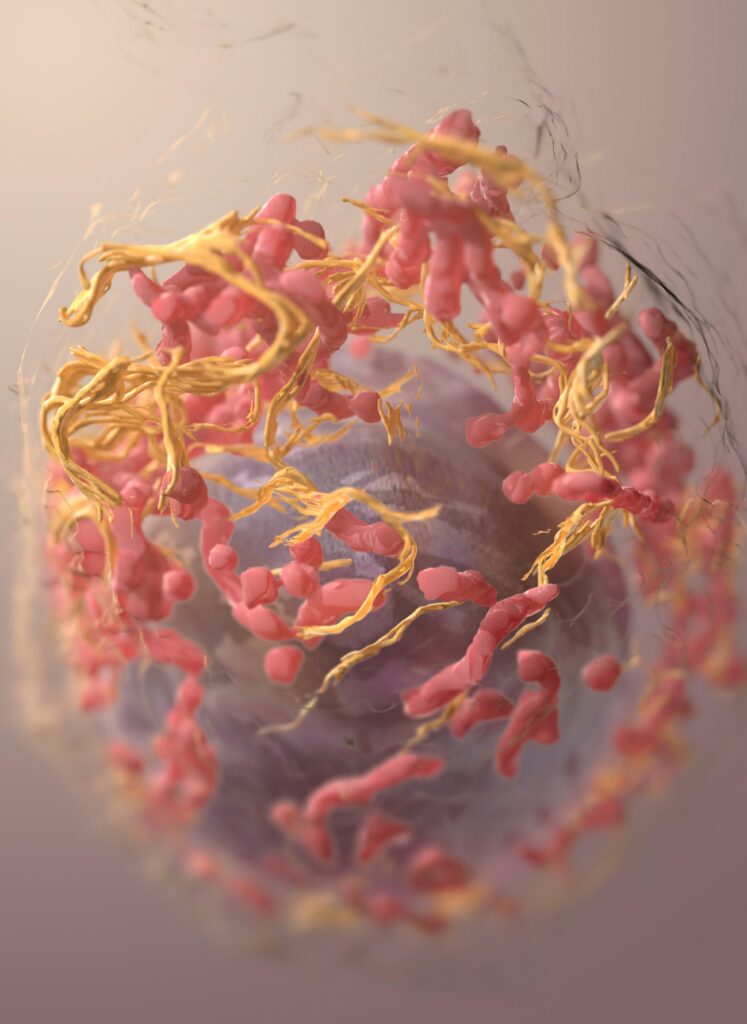
Photo Source: National cancer institute
What are the most common signs or symptoms that people should look out for?
That’s a very good question, and it brings us to the importance of early detection. One of the most effective ways to detect skin cancer early is through regular self-examinations. It’s recommended that individuals inspect their skin thoroughly at least once a month.
During these checks, it’s important to observe if there are any new spots, moles, or patches on the skin that weren’t there before. In addition, existing moles should be monitored for changes in size, shape, or color. Other warning signs include any mole or patch that begins to itch, bleed, become painful, or change in texture. Any of these signs warrants professional attention.
Ideally, everyone should also get a professional skin check-up by a dermatologist once a year. This is especially crucial for individuals who have a personal or family history of skin cancer, as well as those with prolonged sun exposure, a tendency to burn rather than tan, or a weakened immune system.
People with lighter skin tones – especially those with blond hair and blue eyes – fall under what is known as Fitzpatrick skin types I to III. These individuals lack the protective melanin pigment found in darker skin tones and are therefore more susceptible to skin cancer. However, people with brown or dark skin should not ignore this entirely. If someone has experienced severe sunburns, blistering after sun exposure, or works in environments with high sun exposure, routine skin checks are still essential.
If someone suspects they might have skin cancer, what should their next steps be?
If you notice any suspicious changes in your skin, such as the sudden appearance of a new mole, or if an existing spot starts to behave unusually – like changing in size, shape, or color, or causing discomfort – you should not delay in consulting a dermatologist. While self-checking is an important habit, it does not replace a professional diagnosis. A dermatologist can carry out a clinical evaluation, and, if needed, conduct a biopsy to determine whether the changes are cancerous.
The good news is that most skin cancers, if caught early, are treatable. This is why prevention and early detection are emphasized so much. Melanoma in its advanced stage is particularly dangerous, with a much higher risk of death. But if diagnosed in the early stages, treatment success rates are significantly higher. So, the course of action should always be: observe changes, consult a professional without delay, and follow their advice for further steps.
What message would you like to share with our readers on the occasion of World Skin Cancer Day?
Thank you for the opportunity to share this. May is globally recognized as Skin Cancer Awareness Month – from the 1st to the 31st – and it’s a time dedicated to increasing public knowledge about skin cancer, its risks, and how to prevent it. My message for readers is simple but important: your skin is not just the largest organ of your body, it’s also a visible part of who you are. It protects you, defines you, and reflects your overall health. Therefore, taking care of your skin should be a priority.
We all need to be proactive – both at an individual and community level – in spreading awareness about how skin cancer can be prevented and detected early. Whether it’s within your family, among friends, or through social or workplace networks, take the time this month to talk about sun protection, routine skin checks, and the importance of consulting a dermatologist when something seems off.
If we protect our skin from harmful sun exposure and act early when warning signs appear, we can significantly reduce the risk of serious outcomes. Let May not just be a month of awareness – but a reminder that early action saves lives.