


Understanding adult loneliness in your 20s and 30s
By Ayman Anika
You’re in a group chat. The memes are funny, the reels are shared instantly, and your phone buzzes all day, but you feel unseen. If you’re in your 20s or 30s and loneliness has started to feel like your permanent roommate, you’re not alone. Loneliness, once considered a concern of the elderly, has now taken root in the lives of young adults, often quietly but deeply.
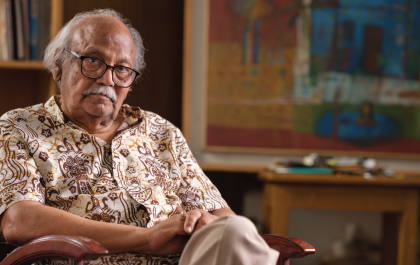
Psychotherapist Abdul Hamid from Monobikash Foundation believes this modern loneliness stems from a fundamental emotional void: the missing of belongingness.
“If you want me to define loneliness in one line, I would say it’s the missing of belongingness,” he says. “Before, we used to socially belong to many places – our families, communities, even neighbourhood rituals. Now that space is shrinking, even though our digital engagements have grown.”
And that contradiction lies at the heart of the crisis: we are more digitally connected than ever before, yet more emotionally disconnected than we’ve ever been. Likes, comments, and scrolling cannot replace the feeling of being seen, heard, or known – core aspects of genuine belonging.

Photo Source: pexels-pixabay-262075
Lost in transition
Loneliness in early and mid-adulthood often hides behind the glitter of ‘freedom’ and ‘self-discovery’. It slips in quietly during life’s major transitions – graduating, moving out, switching jobs, navigating relationships, or being far from family. Unlike adolescence, where institutions like schools or colleges create social structure, adult life requires intentional connection-building – something that’s emotionally exhausting in an age of endless options.
Hamid observes that even people surrounded by others often feel isolated if emotional belonging is absent. “Even among many people, if someone feels they can’t belong – whether it’s in their family, friend circle, or any gathering – a deep craving is created within them. An emptiness. A feeling of ‘I am nowhere.’ That is loneliness.”
Emotional fallout
This loneliness isn’t just a passing feeling – it has real psychological consequences. Studies have linked chronic loneliness with increased rates of anxiety, depression, and even heart disease. Hamid warns, “A major issue with adult loneliness is the rising suicide rate. People try to escape the intense emptiness by becoming hyperactive, exhibiting impulsive behavior, restlessness, and heightened anxiety. They can’t sit with the emptiness, so they run from it in whatever way they can.”
This behavior often masks deeper wounds. In many cases, the roots of adult loneliness can be traced back to childhood attachment issues or negative early experiences that leave behind a silent message: “I am not okay as I am.” This internalized belief continues to haunt many well into adulthood.

Photo Source: pexels-tome-louro-273270-1666779
The illusion of options
So why doesn’t all this technology help?
According to Hamid, it’s about availability overload. “If something becomes very easily available, then it often gets misused. When we had only BTV, half an hour of programming was exciting. Now with 500 channels, we struggle to find joy,” he explains. “Similarly, with so many social options online, if we don’t like one, we swipe to the next. There’s no adjustment, no emotional investment.”
Real human connection demands effort. It involves uncomfortable silences, disagreements, and forgiveness. But apps and algorithms train us to seek instant satisfaction, not depth. “This impulsivity creates confusion,” Hamid says. “And then people get involved in superficial ways that fail to offer the deep connectivity they truly crave.”
So, what helps?
First, acknowledging loneliness is essential. It’s not a personal failure or weakness. It’s a signal – a need for connection and community.
For those experiencing chronic loneliness, professional help is vital, especially if childhood trauma or identity issues are involved. “With chronic issues, childhood messages need to be addressed. Otherwise, the person may never feel okay,” says Hamid.
Second, re-engaging with creative pursuits helps restore a sense of inner connection. “Creativity requires internal connectivity,” Hamid explains. “Whether it’s painting, writing, or music, creative expression can be healing.”
Third, physical movement matters. From going to the gym to mindful walks or yoga, bodily engagement reduces mental clutter and releases feel-good hormones. “Without physical movement, not just your mood, your organs begin to suffer,” Hamid warns.
But perhaps most significantly, structured community engagement can restore a sense of purpose. “There are animal welfare groups, nature conservation clubs, and even traditional neighborhood get-togethers that foster belonging. Small contributions – whether it’s helping organize an event or participating in a day-long community initiative – can go a long way.”
These connections don’t always have to be social in a party sense – they just have to feel meaningful. “When you invest physically in something, even a shared cause, you begin to break free from isolation,” says Hamid.
A cultural reset
The epidemic of adult loneliness is a reflection of broader social disconnection. Our cities grow taller, our screens brighter – but emotional spaces shrink. The solution doesn’t lie in grand gestures, but in small, consistent acts: reaching out, being present, being patient – with others and with ourselves.
Hamid urges a return to cultural intimacy: “Reconnecting with our neighbors, reviving local traditions, or even creating shared spaces for conversation can help us heal collectively.”
In the end, adult loneliness isn’t about the absence of people – it’s about the absence of belonging. But the good news is: belonging is something we can slowly rebuild. One honest conversation, one meaningful action, one real connection at a time.
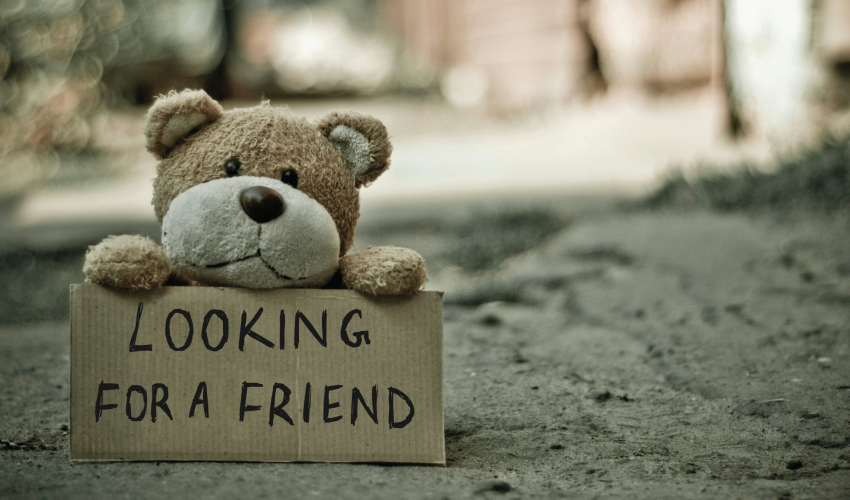
Feature Image by pexels-murrrchalla-165263