

By Bohemian Faisal
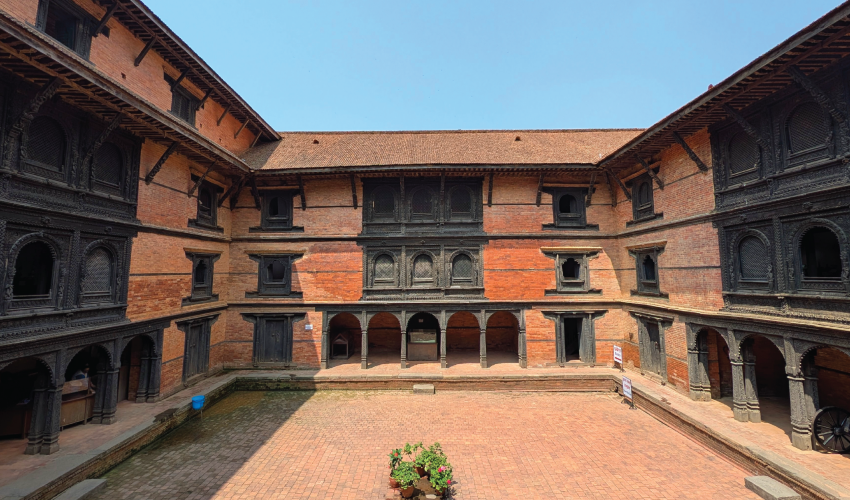
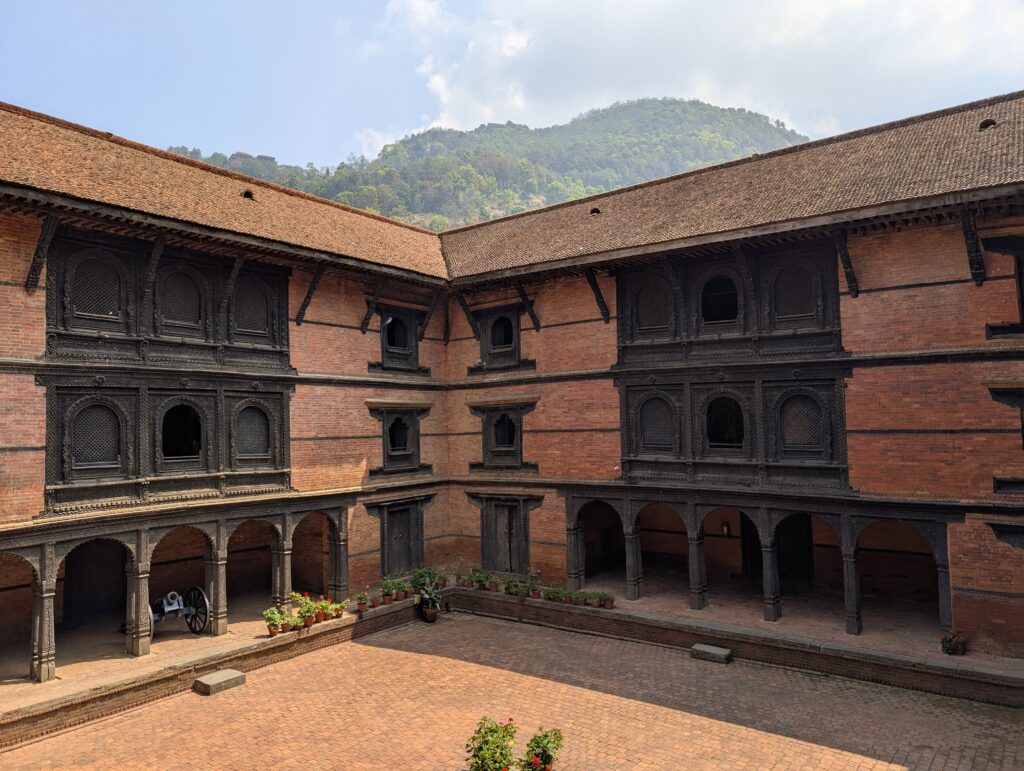
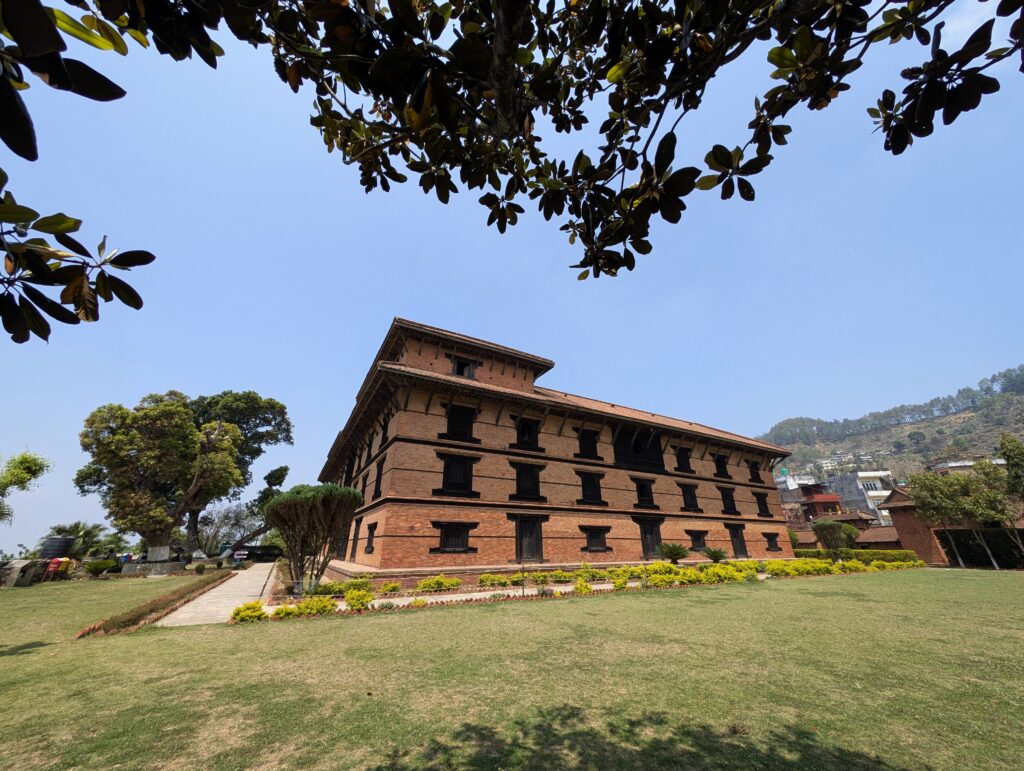
Tucked in the heart of Nepal’s Gorkha district, the Gorkha Museum is far more than a historical archive—it is a living memory etched into stone and timber. Housed in what was once the Tallo Durbar or Lower Palace, the building was constructed in 1896 (Bikram Sambat) by King Rajendra Bikram Shah. Its original purpose was royal, but today, its walls serve the public, preserving the evolving story of Nepal’s formation.
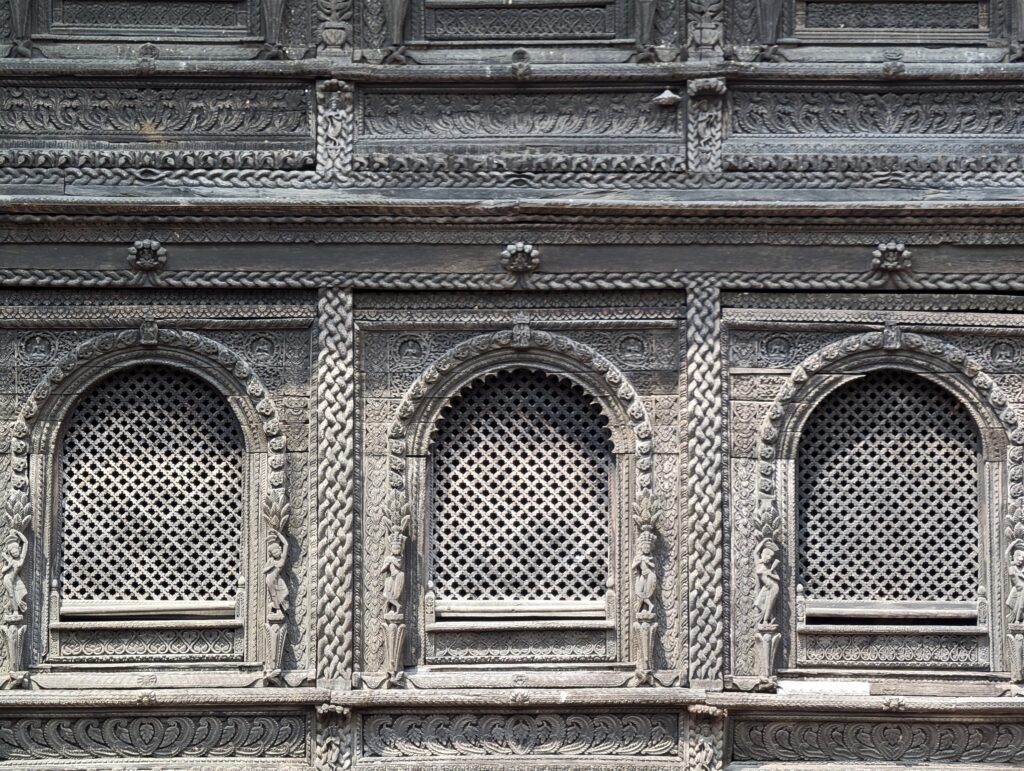
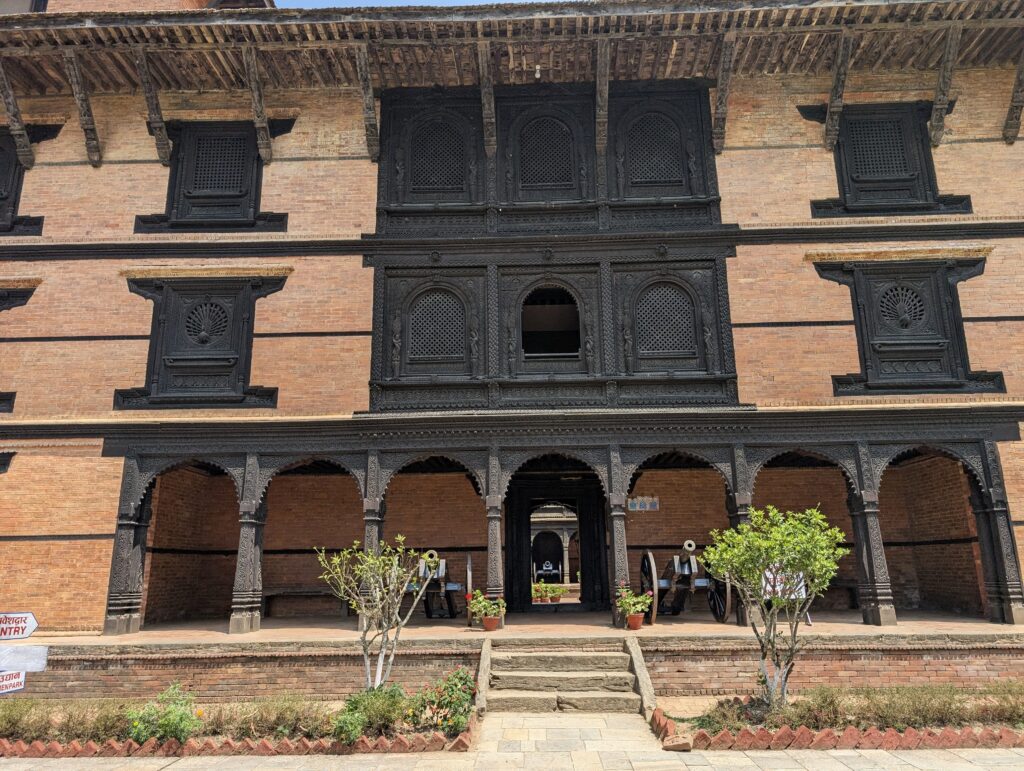
Architecturally, it’s a testament to the Shah dynasty’s grandeur, with intricately carved doors, mythic gatekeepers, and swastika motifs embedded into wooden pillars and window frames. Yet the building doesn’t shout—it hums. It hums with history, layered in generations of political ambition, religious devotion, artistic craftsmanship, and cultural transformation.
A Region That Birthed a Nation
To understand why this museum matters, one must first understand Gorkha’s place in Nepalese history. The region was once under the Licchavi rulers and later, the Khasa Malla kings. After the fragmentation of the Khasa kingdom, Gorkha came under the Doti principality. But it was here, in this modest hill kingdom, that King Prithvi Narayan Shah launched his unification campaign—an ambitious dream that eventually gave birth to modern Nepal.
That legacy is central to the museum’s collection. After the monarchy was abolished in 2008, what was once the Prithvi Museum was reimagined as the Gorkha Museum—no longer
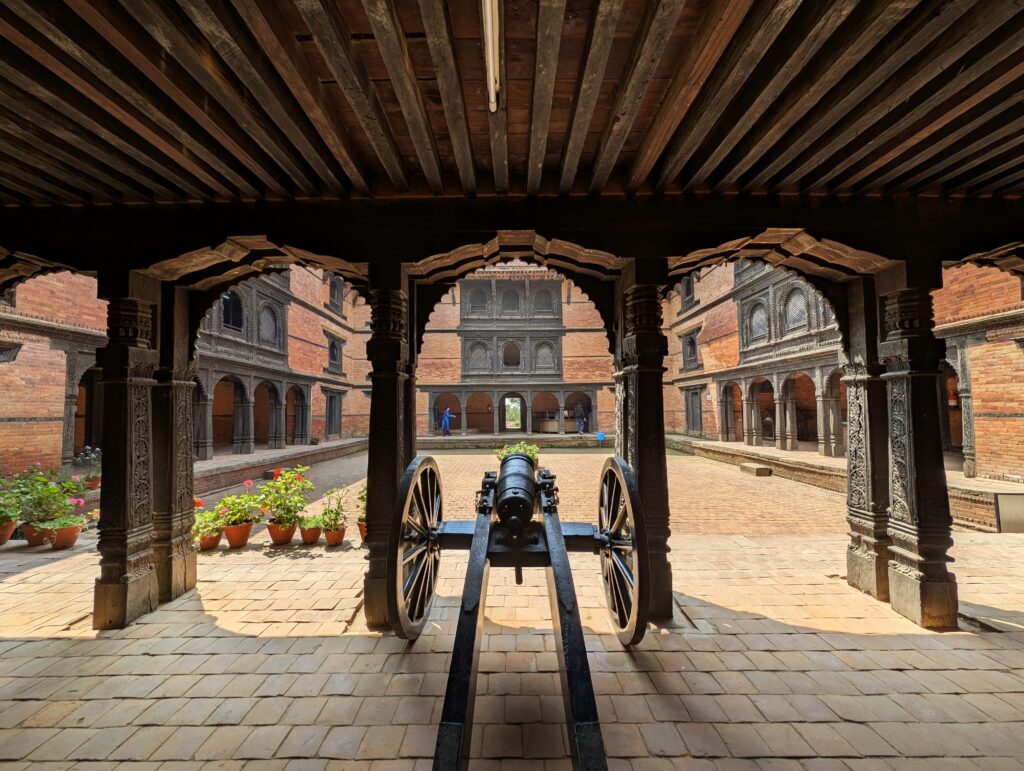
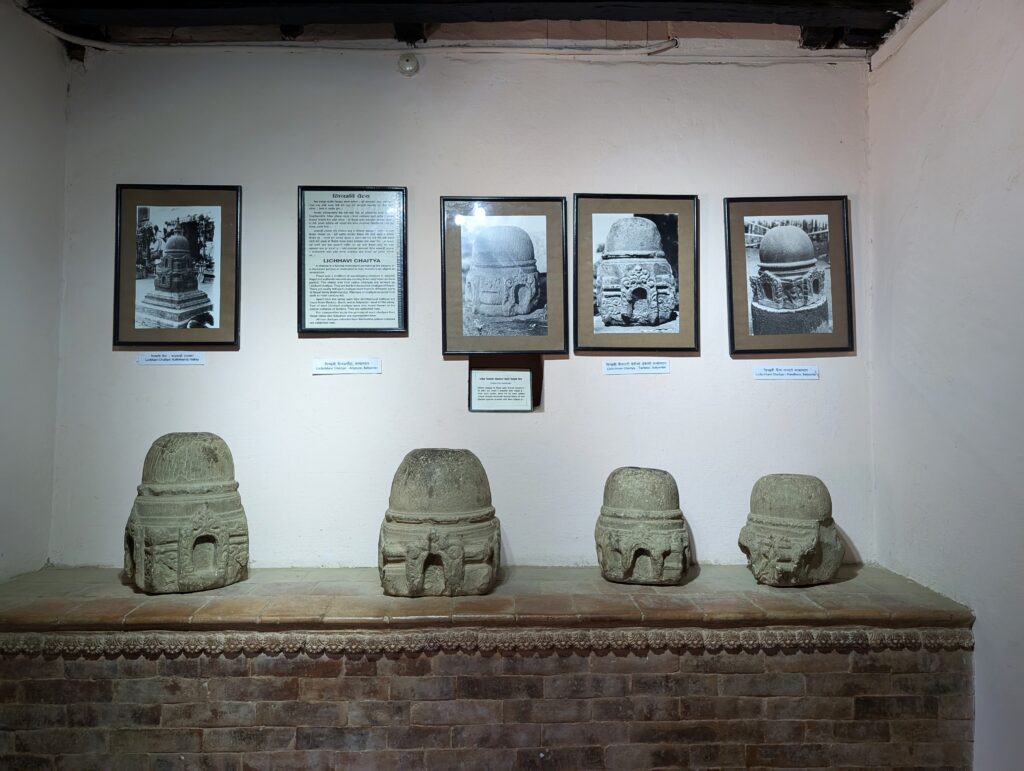
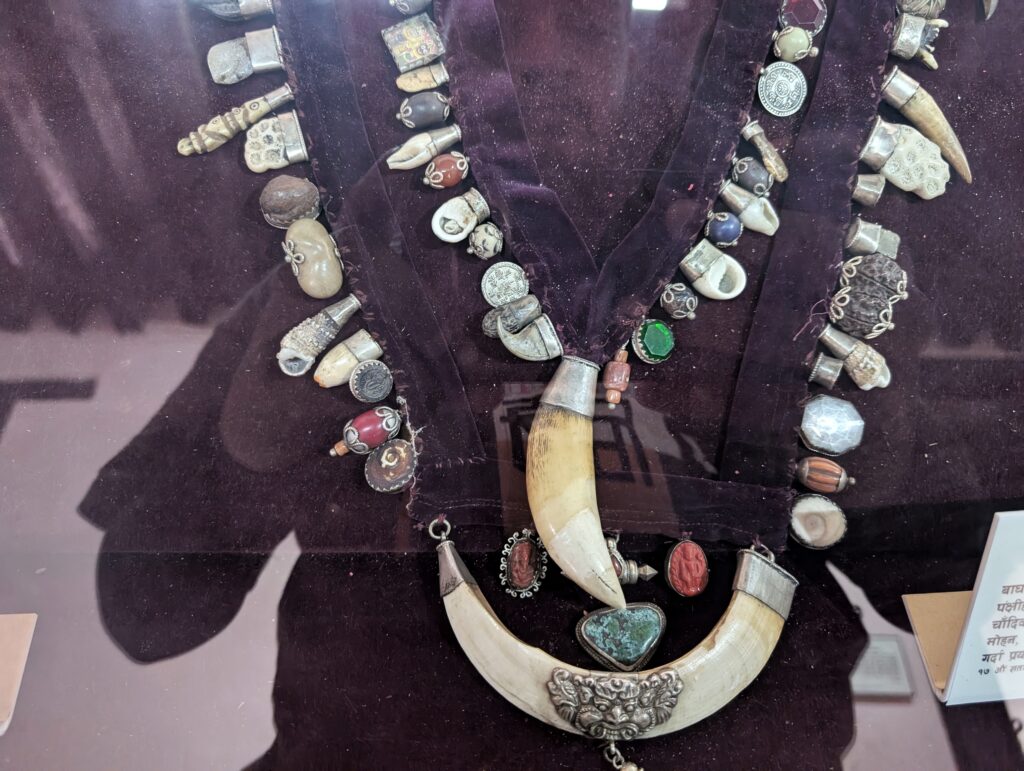
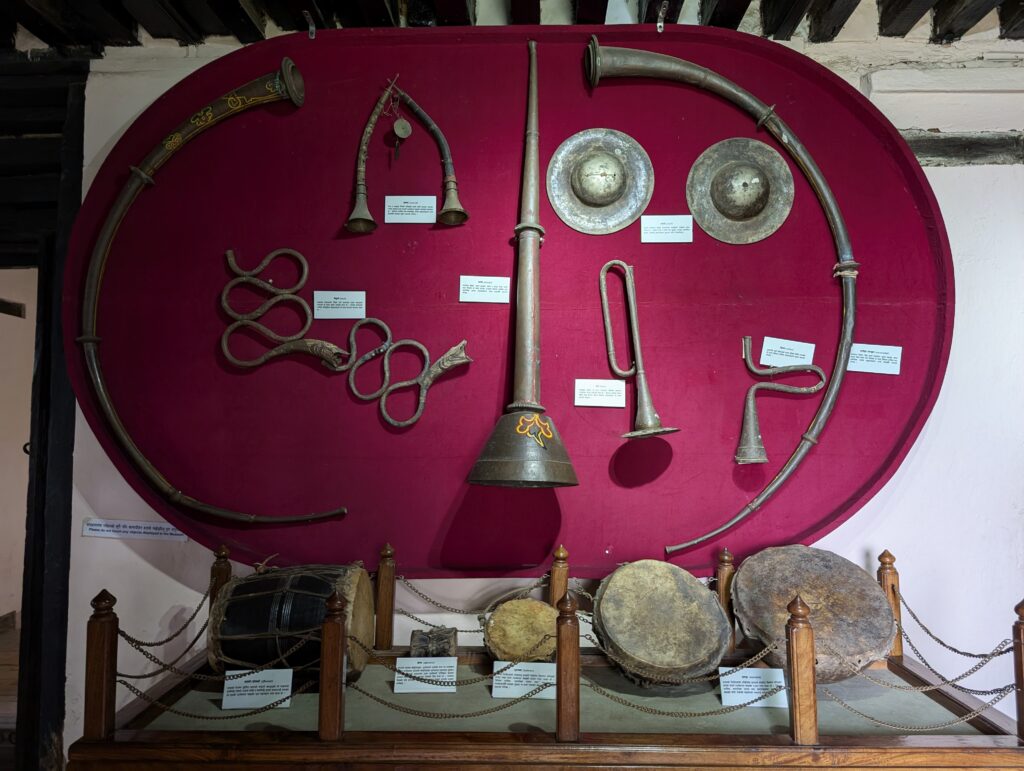
just royal tribute, but a national narrative. Today, it houses a rich display of historical artifacts: oil paintings of Shah rulers, religious stupas, archival letters, ancient weaponry, utensils, musical instruments, and battle gear. The portraits line the interior—from the founding king, Drabya Shah, to the last monarch, Gyanendra Shah—forming a visual timeline of a dynasty that once ruled the hills and beyond.
The Ascent Through Time
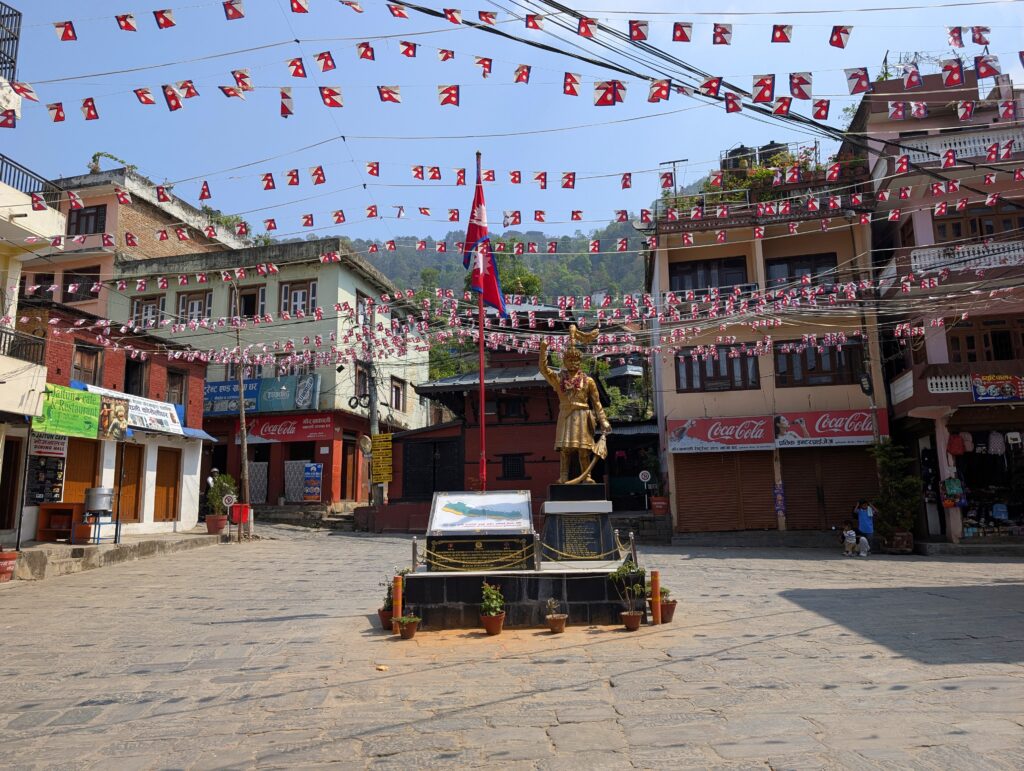
Getting to the museum is its own kind of pilgrimage. Visitors from Kathmandu or Pokhara must first travel over 100 kilometers—about 3–5 hours depending on transport. But the real journey begins in Gorkha Bazaar, where 1,700 stone steps stand between the visitor and the museum above.
With every step, the landscape opens up: rooftops shrink, tree canopies shift, and mountain winds grow stronger. The physical ascent mirrors a symbolic one—climbing through time, closer to the vision of a king who once dreamed of unity from these very heights. It’s easy to picture Prithvi Narayan Shah standing on the same ridges, sketching out strategy and ambition in the dirt, as the valleys stretched before him.
A Museum that Speaks Without Saying Much
At the entrance, time feels suspended. The woodwork is elaborate but not decorative—it feels like an offering. Inside, each object on display carries a silent weight. A soldier’s sword. A faded manuscript. A king’s ceremonial robe. These are not relics to be glanced at—they ask to be considered.
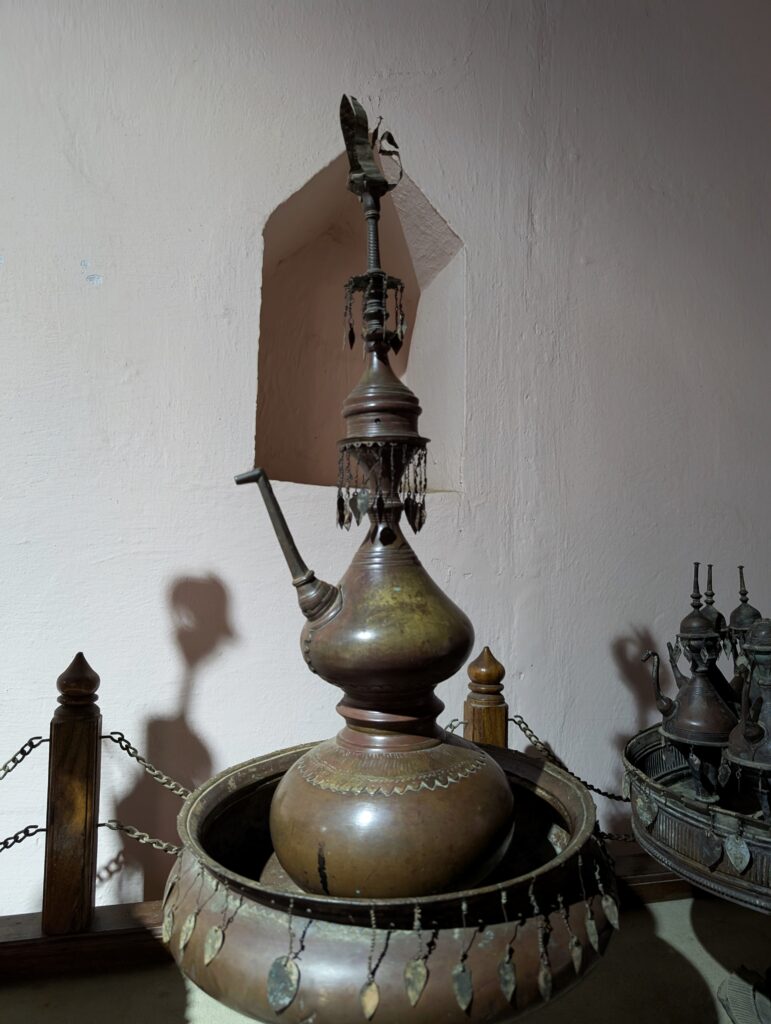
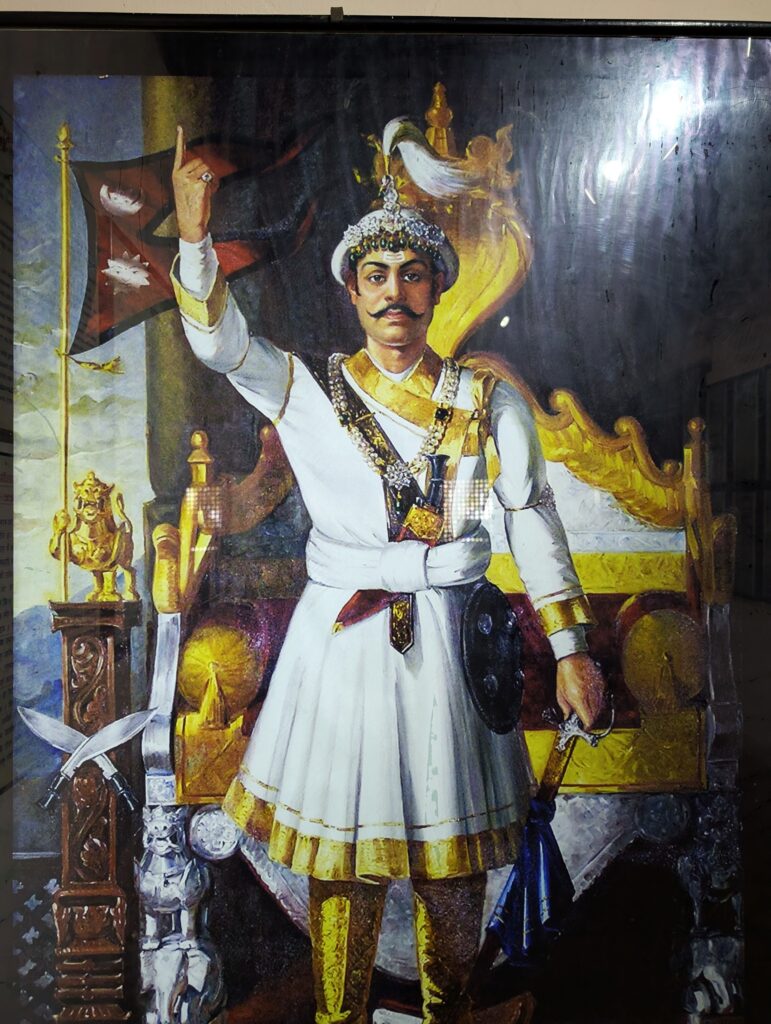
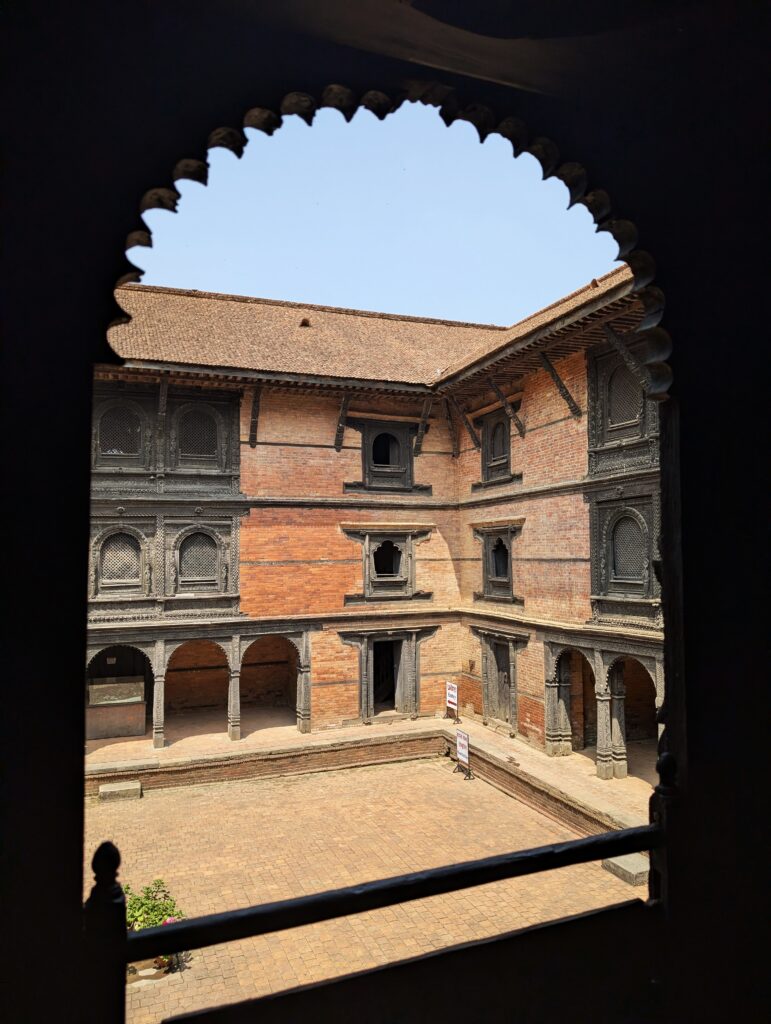
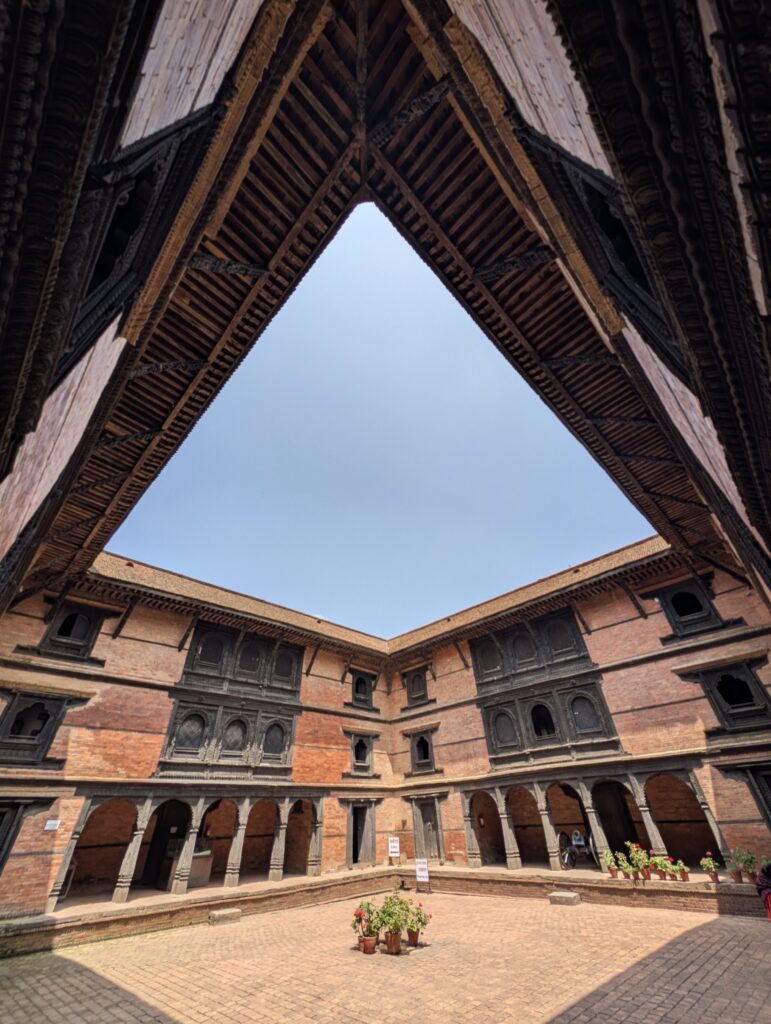
Every exhibit feels rooted in its place. Unlike modern museums with sterile glass cases and fluorescent lighting, Gorkha Museum is organic, almost tactile. The creak of the wooden floor, the scent of old paper and polished brass, and the diffused sunlight seeping through lattice windows—all serve as reminders that this is not a place to rush through. It’s a space to listen.
A View Worth Every Step
As visitors exit the museum, they are greeted with a view that feels almost unreal. The panoramic sweep of the Himalayas—Dhaulagiri, Annapurna, Manaslu, and Ganesh Himal—forms a natural colonnade to the north. To the south, the lush undulations of the Mahabharat range complete the tableau.
In this silence, one realizes why kings chose to build here—not just for strategy, but for perspective. It is from these heights that Nepal was envisioned—not only as a political entity, but as a cultural mosaic held together by land, language, and legacy.
Getting There: Practical Tips
The Gorkha Museum sits at a manageable distance from both Kathmandu (115–140 km) and Pokhara (112 km).
From Kathmandu: Expect a 3–5-hour journey by bus or 2–3 hours by private car. Buses are available from Gongabu Bus Park, with ticket prices ranging from NPR 800–1,200.
From Pokhara: A shorter 1.5–2-hour drive makes this a feasible day trip. Microbuses and rental cars are both widely available.
No direct flights land in Gorkha, but you can fly to Bharatpur and then hire a car for the final leg.
Entry Fees:
NPR 50 for Nepali citizens
NPR 100 for SAARC nationals
NPR 200 for other foreign nationals
Add NPR 20 if carrying a camera
Recommendations:
Wear sturdy shoes—the 1,700-step climb is no joke.
Bring water and snacks; local eateries are available near the base.
Pair your visit with a trip to the nearby Gorkha Fort for a full historical experience.
A Living Archive
More than just a museum, Gorkha is a reminder that Nepal’s history was written not with ink alone, but with grit, stone, and vision. Visiting the Gorkha Museum is to trace the spine of a country, where geography and history intersect in breathtaking, humbling ways. It’s not simply about what you learn here. It’s about what you feel rising inside you with every step.