


By Abak Hussain
Smack in the middle of bustling downtown Copenhagen is Tivoli Gardens, a nearly two-century-old amusement park which has managed the impossible feat of evolving through the years without devolving into tackiness. The word “gardens” in the name is quite literal – there are stunning wooded areas, Instagrammable spots with flowers and trees – none of it plastic, and a sense of tradition and history.
Entry is ticketed, it is after all an amusement park and pleasure garden, not a public park – there is an abundance of those in the Copenhagen area as well – and like all things Danish, it’s not exactly cheap, but that is the price you pay for keeping things at this standard. Tivoli is the second-oldest amusement park in the world (the oldest one is also in Denmark), and it served as a foundational inspiration for Walt Disney for the creation of Disneyland. But Disney eventually went the way of some hyperrealist late-capitalism where everything is designed to make you consume for the sake of consuming, while Tivoli garden in many ways stayed analogue.
There, you can touch grass and smell the wood. On a rainy August day, you can breathe in the wet earth. One of the park’s OG rollercoasters was built in 1914, out of wood. To this day, you can go on that ride, which has been kept about the same as it was over a century ago, apart from maintenance and safety work that needs to get done. A vast number of Danish locals hold long-term passes to Tivoli Gardens, which goes to show that it isn’t perceived as a “tourist-only” scam zone – the benefits of such a space in the heart of the city are tangible, and the Danes will not let greed and short-sightedness take away from what really matters to urban wellbeing.
It is no surprise that in the most recent list of the world’s most liveable cities, Copenhagen comes in at Number One (followed by Vienna and Zurich). The park is not widely talked about in the rest of the world – I personally hadn’t heard of it until I walked past it dragging my suitcase, wondering what a rollercoaster was doing right next to central station. But so deep is the influence of Tivoli Gardens in the region that the word Tivoli is used as a synonym for amusement park through Scandinavia.
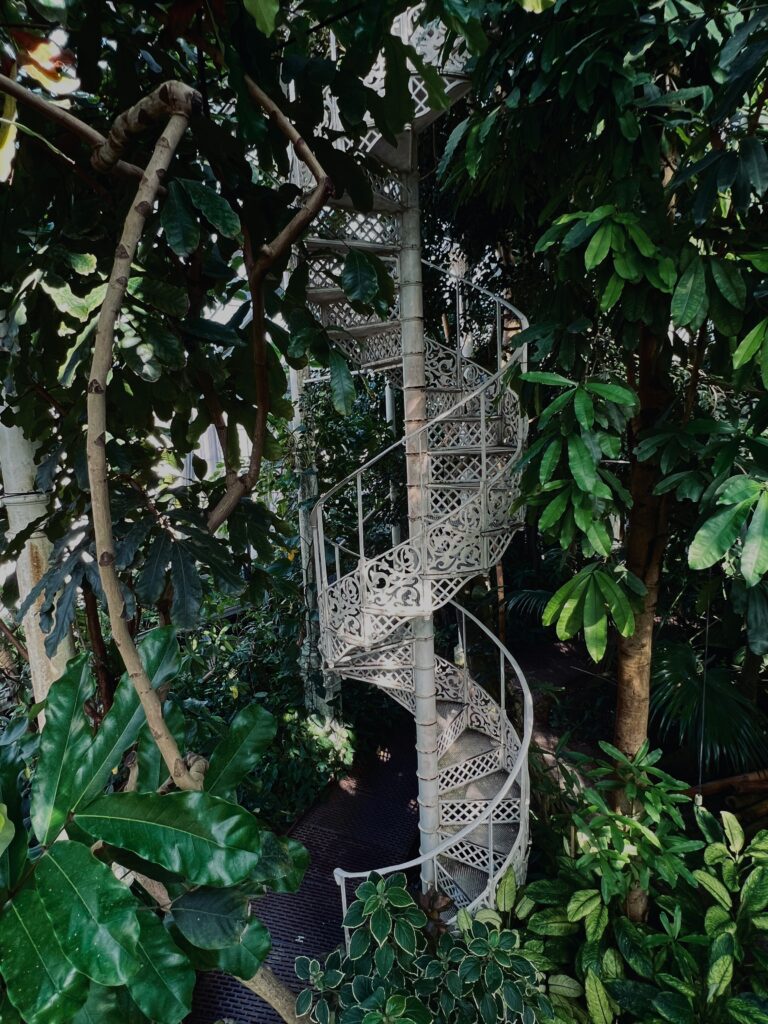
Photo Source: Klaudia
Let’s look at the other end of the ranking: While Copenhagen ranks as the most liveable city in the world, my own hometown of Dhaka ranks as the third least liveable (or third most unliveable, depending on your choice of phrasing). Only Damascus and Tripoli, in this metric, are worse places to live in. Imagine that – Lagos and Karachi and even Kyiv where literal bombs are dropping, are more appealing choices to call home than Dhaka. An overwhelming factor in Dhaka’s unliveability comes down to a simple element – our flagrant disregard for the environment while favoring ugly construction projects that are meant to line certain pockets.
This is why we see unethically built high-rises throughout the city. Dhaka today looks like one big ugly construction project with no grass anywhere to touch. Unfinished projects everywhere, languishing from bad management and endless delays, noise pollution, air pollution, visual pollution, and the unavailability of any open green spaces has given our metropolis a coating of unmitigated bleakness. After last year’s uprising, very little improved on the environmental front: the evidence of my eyes tells me that more footpaths have been grabbed, foodcarts and random infrastructure are strewn across roads and public spaces with no enforcement of any sort of order, and our parks? That is a tragedy on a whole other scale.
What, please explain to me, is the point of digging up a perfectly good, natural grassy field to create an astroturf that nobody asked for? If you ask these questions to the park authorities, you will get shifty answers, because we all know why these dodgy projects are undertaken here in Bangladesh – but that is a topic outside the scope of this little piece. Even on the walkways inside the parks you will get no relief, as a massive uglification campaign is always underway. You will encounter loud signs nailed to trees, pervasive concrete, never-ending renovation projects, and subtle attempts to gobble up the space to benefit some insider party. The noise and air pollution coming from both inside and around the parks often make going there a thoroughly unpleasant experience. There is little, if any grass to sit on, and whatever is there is usually booked for some sporting purpose and the general public are not welcome. Hypocritical adults will put up messages about how children need the space for play, while taking away all available spaces.
But what hope is there for parks when not even public roads can be protected from the construction projects of these rich criminals? They cut up the footpath at will and encroach on to the main road like it is their birth right, obviously paying off or cutting deals with any authorities who may stand in their way. I’m sorry, but I don’t care how many generations that land has been in your family – you do not own the footpath or the road next to it.
The reason I brought up Tivoli Gardens when broaching this topic is to give an example of what is possible. Bangladeshis, by and large, are naysayers when it comes to any sort of improvement, or paradigmatic change for the better. This is how it’s always been, they’ll say. Those are ideals, not realistic, they’ll say. We relish our sense of apocalyptic resignation. But there are examples around the world that show us that sustainable green spaces in urban areas are indeed possible, and they give out incalculable benefits to the country and community. Maybe a lot of those benefits cannot be immediately given a dollar value, but in the long run, the benefits are economic as well as intangible. But we have lacked the ethics and the vision to see that. And so we obsessed over growth, destroying the few things that were good about our land, like that smell of wet grass in the air after a midday interlude of summer rain. If you are someone with even an inkling of an environmental conscience, this city is bound to break your heart.
Feature Image By Artan Sadiku
Abak Hussain is Contributing Editor at MW Bangladesh