


Crafting a new cultural identity through fashion
By Neha Shamim
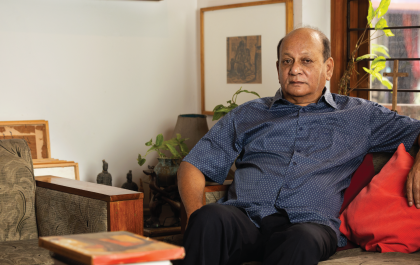
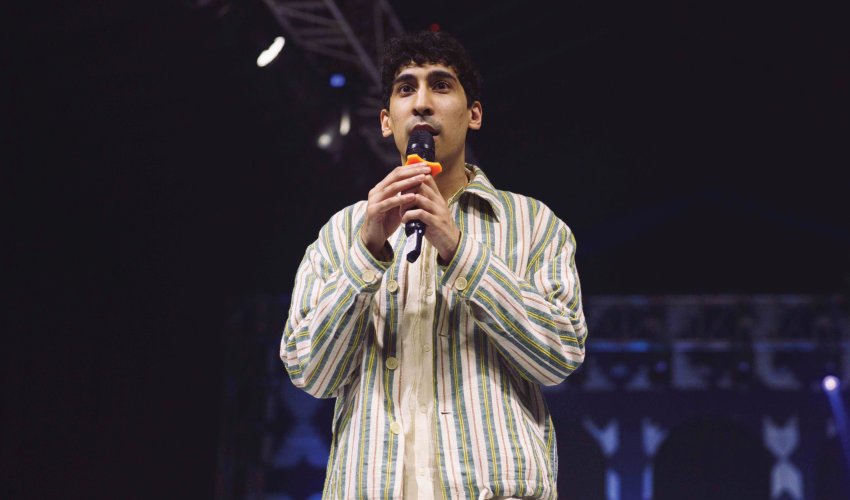
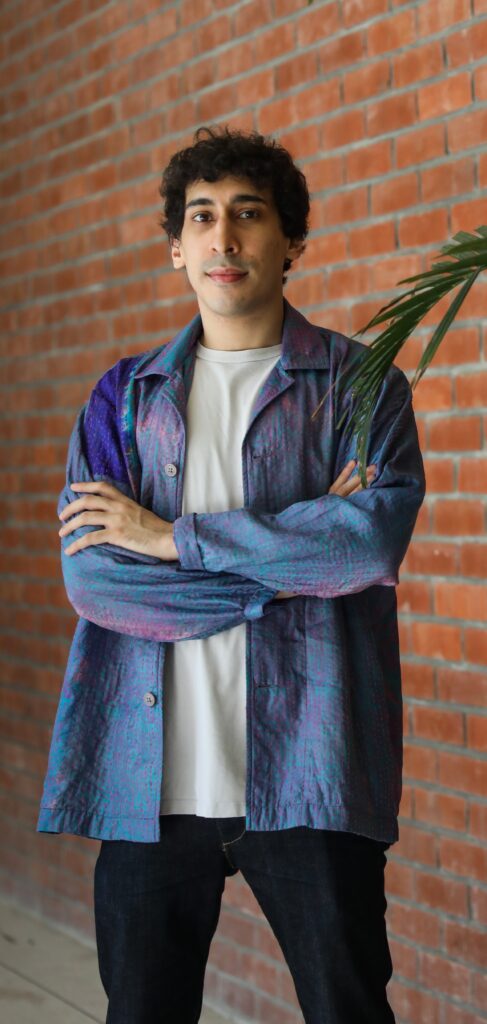
Asad Sattar, founder of Arka Studio and a rising force in Bangladesh’s fashion scene, is on a mission to democratize style and amplify Gen Z voices. With a background in the RMG sector through his family’s Utah Group of Companies, Asad blends industry expertise with a bold, creative vision. Since joining the business in 2016, he has launched Arka Studio, a platform rooted in sustainability, accessibility, and cultural revival.
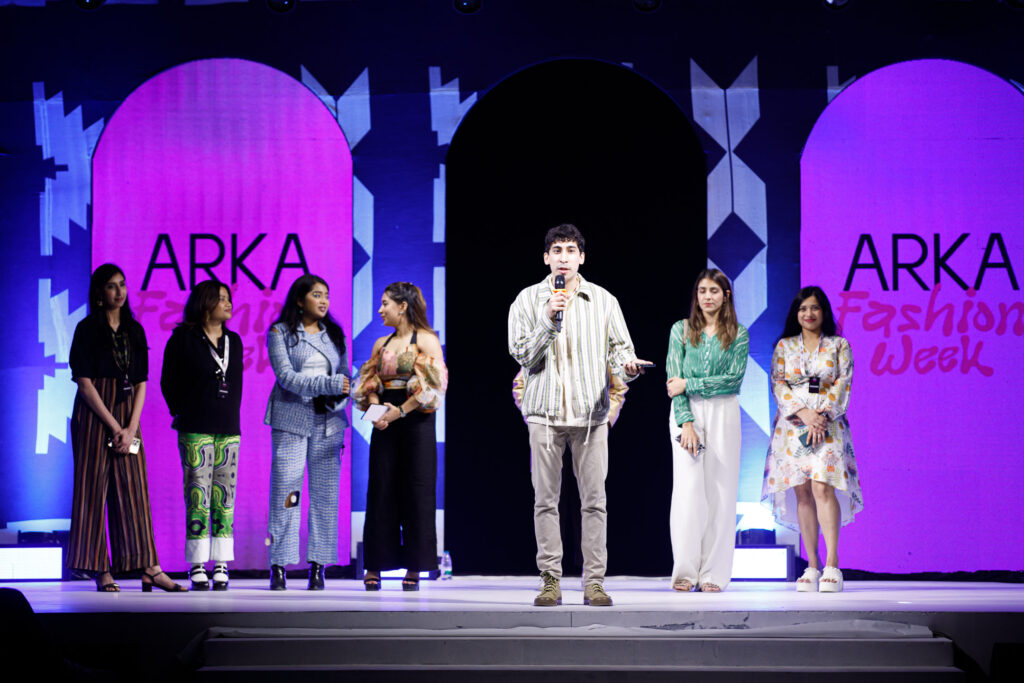
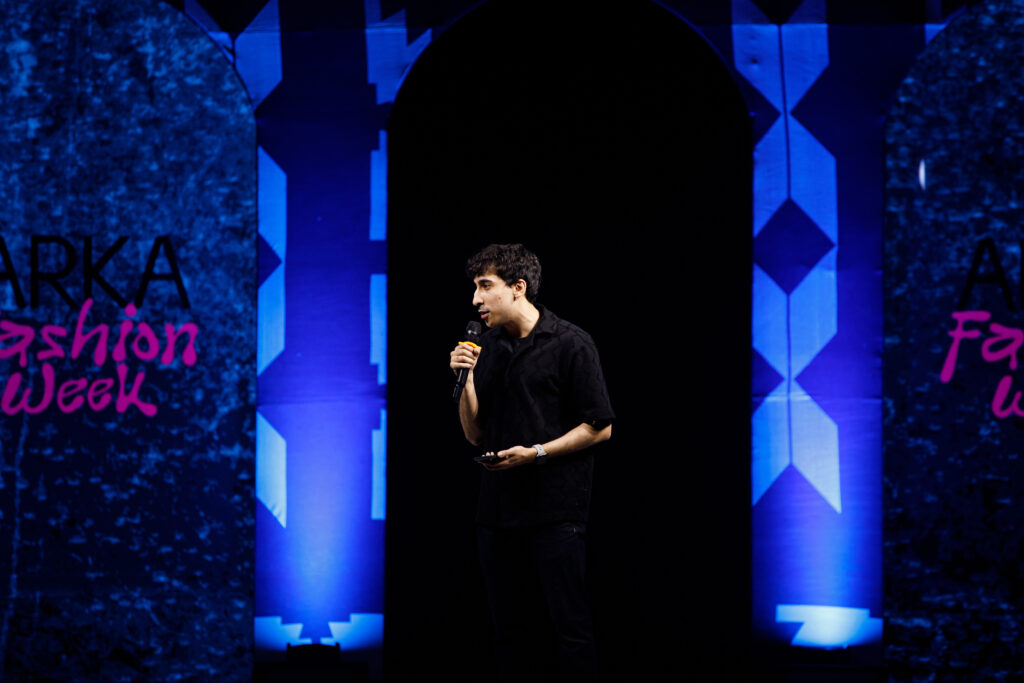
Arka Fashion Week 2023 spotlighted over 50 emerging brands, mostly Gen Z and Millennial owned, and achieved record revenue at Aloki Convention Center, a repurposed garment factory turned cultural hub. Through in-house labels “Kathal” and “Ami Dhaka,” Asad advocates for sustainable fashion using deadstock fabrics and full supply chain transparency. Arka’s eco-conscious initiatives make it more than just a brand. It’s a movement toward ethical, inclusive fashion for Bangladesh and beyond.
Who were your biggest inspirations growing up – in fashion or otherwise?
When you’re a kid, you tend to follow trends, you’re just part of that cultural flow. Whether it’s through music, art, or television, you absorb whatever’s around you. For me, growing up, it was Nirvana, it was MTV, basically that whole 90s grunge culture. Fashion back then was all about bell-bottoms, distressed jeans, Converse shoes, that kind of thing.
I loved fashion in the way any kid engaged with culture does. I wasn’t obsessed with it, though. No one would’ve looked at me back then and thought, “Oh, he’s that fashion-forward kid.” But I did enjoy styling myself. More than fashion itself, I was drawn to pop culture, subcultures, and alternative scenes.
Even in university, I continued exploring alternative cultures – anything offbeat or unique caught my interest. I gravitated towards weird creators, designers, filmmakers, and musicians. That’s what really inspired me, those working outside the mainstream. Over time, these influences shaped my personal vision of what fashion would look like in the future.
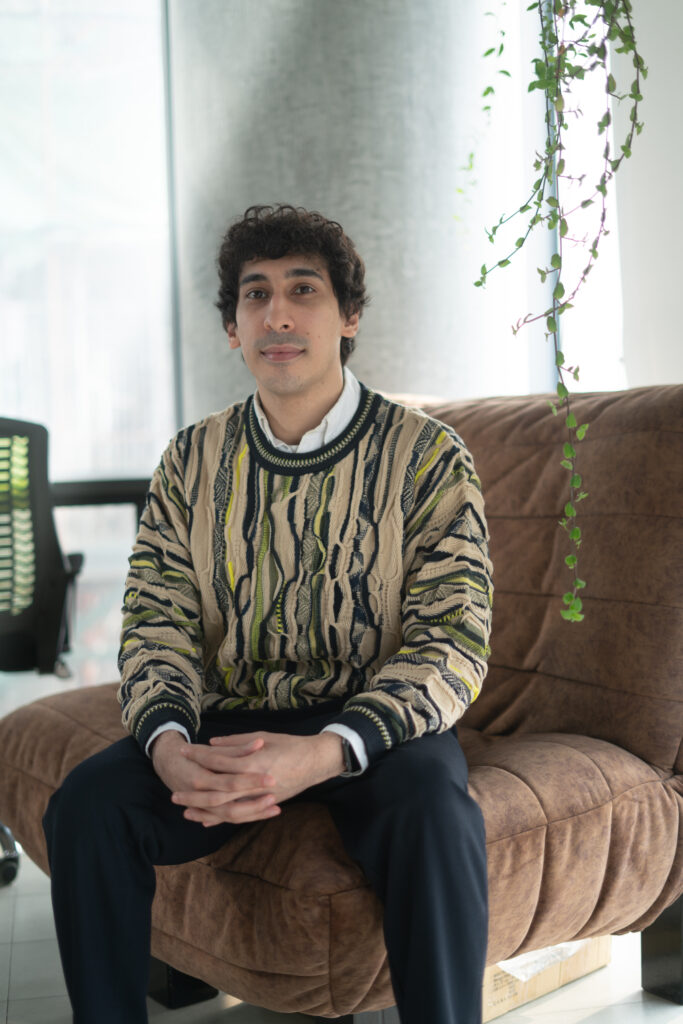
After studying in the US, I returned to Bangladesh and joined the garment industry. I spent eight years there, and after the first couple of years, I moved into R&D. I began experimenting with denim and fabrics, trying to make things that no one else was doing. And like with any experimentation, mistakes happened – but some of those “mistakes” turned into really cool fabrics. For example, something like what you’re wearing now might’ve started as an accident –some odd texture or wash that just ended up looking great.
That curiosity led me deeper into textiles and fabric development. Eventually, I began leading a design team that catered to international buyers from Japan, Europe, and the US basically, the major global fashion retailers. We’d design directly for them, sell the designs, and then produce them as well. That gave me a full-circle understanding of the process, from concept to execution, and helped me understand how global fashion retailers actually think.
Only after gaining all that experience did I decide to focus on fashion in Bangladesh. What began as an idea for a small pop-up evolved into something much bigger, fashion shows, concerts, events. Eventually, it grew into this large-scale fashion week concept.
For me, it was important to challenge how the industry thinks. Everyone talks about backward linkage in the garment sector, but I thought, why not think about forward linkage? Why not invest in branding Bangladesh? That’s when I decided to take a huge risk, leave a secure setup, and launch a startup. It’s completely self-funded and self-operated.
To circle back to your original question: it was never just one designer who inspired me. It was always an overall cultural influence that shaped who I am. But in recent years, a few names have stood out, Jean-Paul Gaultier, Vivienne Westwood, Rick Owens, and Sabyasachi Mukherjee. They’ve all influenced me deeply in different ways.
What inspired you to launch Arka Fashion Week, and how has your vision evolved since its inception?
After coming back to the country, I knew I wanted to do something meaningful in Dhaka – something rooted in the local scene. There’s this saying: if you don’t love where you live or don’t vibe with the culture around you, don’t complain about it. Create it. Live it. Be part of it. That became my mindset. I didn’t want to have to fly to Bangkok, London, or Tokyo every few months just to enjoy culture, music, or fashion. So the question was: why can’t we build that here?
We have an incredible foundation, one of the biggest garment industries in the world, but after production, there’s no creative output. Most retailers just use leftover fabrics to make something and sell it for profit. Very few are design-led. The decisions are usually made by someone with an accounting background, not by creatives. As a result, they keep pushing their teams to recreate what’s already sold well, instead of innovating. That mindset kills creativity. You get one or two types of products repeated endlessly. There’s no brand identity, no story-telling, no cultural impact.
Yes, you need your staples. But you also need pieces that make people stop and take notice – pieces that tell your brand’s story. That’s what draws people in and builds community.
What started as a small pop-up concept spiraled into something much bigger. After the first event, which I personally invested a lot in, the response blew me away. I had no expectations, I was shocked at how many people came, how engaged they were, and the energy they brought. It sparked something real. There’s even this cult-like following now, not in a literal sense, but in terms of people being deeply passionate and emotionally connected to what Arka stands for.
Many of these people are young, fashion-forward, and looking for something that represents their identity. And for them, Arka became that platform, something youthful, innovative, and rooted in local pride.
Now we see Arka Fashion Week not just as a youth movement, but as something much larger, a platform for the entire industry. We still want to highlight young designers, models, and creators, but we’re also expanding to include anyone who loves fashion, regardless of age, background, or gender. Arka is for people who care about fashion, lifestyle, beauty and even music and art. It’s a cultural space.
Ultimately, Arka is more than just a fashion week, a retail space, or a collective. It’s becoming an ecosystem. We want to work across different verticals while staying rooted in creativity, sustainability, and community, and build something that genuinely changes the landscape.
How do you inspire your team to think beyond traditional product designs and embrace innovation?
Every time we brand Arka Fashion Week, I keep the ARKA logo consistent, but the “Fashion Week” identity changes every season. It’s a challenge, building a new brand every six to eight months, but it’s essential. Each edition needs a fresh personality, a distinct vibe.
Take our first show – it had a bold, pink cursive logo. Initial reactions were harsh; some called it too Scooby-Doo or cheesy. But post-event, it was praised as iconic. That shift proved we were onto something, and it’s why we keep innovating.
I work with a young team, mostly university students working part-time, alongside a few full-time postgrads. They bring energy, bold ideas, and a strong grasp of online trends. Of course, they need more guidance, make mistakes, and can be a bit unpredictable, but they’re fearless and willing to think big.
Our environment is fast-paced – very “Arka.” We move quickly, embrace experimentation, and don’t wait for perfection. If we get to 80% on the first attempt, that’s good enough to refine from. This mindset helps us grow across multiple verticals while building confidence in the team.
We take risks and learn fast. When we launched “Arka’s Next Model,” I wanted fresh faces, not just familiar industry names. People were unsure, but it worked. Some models landed major gigs, like Aarong, just a week after appearing at Arka. It’s become a platform for discovering new talent, exactly what a fashion week should do.
What keeps us going is the mix of speed, creativity, and experimentation. This generation thrives on fast results and instant impact. When our team sees their work come to life, they get that hit of serotonin, and that drives everything forward.
Do you believe fashion in Bangladesh gets enough global visibility? What’s missing?
Bangladesh gets only as much fashion visibility as it has created for itself, and right now, that’s not a lot. We’re not yet a fashion-forward country because we haven’t invested the time, resources, or mindset to truly innovate in this space. Our apparel and garment industries have come a long way, but fashion as a cultural force is still in its early stages.
Societies evolve – starting from agriculture to low-cost manufacturing, to producing their own raw materials, and eventually into retail, lifestyle, and fashion. We’re just now stepping into that final phase. And to really be taken seriously, we need to offer something worth paying attention to. If someone from the global fashion industry had to choose today between exploring Bangladesh or India, they’d pick India. That says a lot.
What we’re trying to build is something new, something people across the world can look to when they think of South Asian fashion. A place where they can experience not just Bangladeshi creativity, but innovation from across the region, Nepal, Cambodia, and more. We want Bangladesh to be that hub.
Right now, global fashion is hungry for cultural narratives that haven’t been overused or Westernized. Fusion is essentially the reinterpretation or appropriation of traditional styles into something globally palatable, and there’s a growing demand for it. If we do it right, we not only create space for our fashion to thrive, we get to export our culture and identity to the world. And that’s a very exciting prospect.
What strategies have worked best in building community-focused fashion ecosystems in Bangladesh?
To truly build a community, the goal isn’t to dictate or control – it’s to create a space. A space with the right rails, the right safeguards, and the right environment for creative life to thrive organically. That’s always been my approach. People often ask me why our designers aren’t doing certain things, but I don’t believe in that kind of top-down thinking. Each young designer has their own journey. You can’t tell someone what to design or how to express themselves.
There’s valid criticism that many young designers lean too Western, and I do think we should incorporate more of our identity – even in small ways, like fabrics or silhouettes. But copying H&M or Zara doesn’t make sense. If you try to be them, you’ll lose. They’ll always do themselves better than you ever could. But if you stay true to your own story, your heritage – no one can compete with that. That’s your superpower. And for many, it’s a journey. They may start with Western styles due to budget constraints or exposure, but over time, they often find their roots and build something truly unique.
I think Bangladesh will have its fashion moment, like India has. It won’t be as massive, simply because we don’t have billion-dollar conglomerates like Ambani or Tata funding global fashion PR and partnerships. Indian brands like Sabyasachi have that kind of backing, working with international PR firms, celebrities, and media to create a cultural presence. We don’t have that yet, but the potential is here.
Take Thailand, for example. A decade ago, people there mostly wore Western brands – it was a status symbol. But in the last few years, especially post-COVID, there’s been a massive shift. Now, Thai fashion influencers proudly wear local brands that reflect their identity and heritage. That shift away from mall fashion to something more rooted and meaningful is powerful – and I think we’ll go through something similar.
We haven’t even started true mass consumerism in Bangladesh yet. But once it begins – and it will, especially if the economy grows, we’ll eventually reach a post-consumerist phase where people crave uniqueness, identity, and story. That’s when our local brands will have their moment, not just in niche circles, but across the broader culture. And the timing for that shift might be sooner than we think.
How do you maintain consistency in branding across diverse platforms like fashion weeks, studios, labels, and media?
Building a consistent brand identity for Arka Fashion Week has been challenging. The first edition had a loose visual identity – more of a fog than a full brand kit. By the second, we had a better team and clearer assets. The third time, we created detailed branding guidelines that we applied across all platforms.
Video consistency was especially hard with 4–5 different teams producing content simultaneously. To unify the look, we enforced strict rules on music, color grading, transitions, and filming style. I personally review every video multiple times before it goes out.
But as we scale, it’s getting harder. Without one person overseeing everything, the message falls apart. That’s why I still sign off on every visual, caption, and post, even if it’s exhausting but I enjoy it.
It’s only been 18 months. Our team has changed a lot, none from the first Arka, a few from the second. It wasn’t until after the second one that we realized we needed to formalize into a real company, with a permanent office and committed team members. You can’t grow if you’re rebuilding from scratch every time.
Photo Source: Courtesy