


By MWB Desk
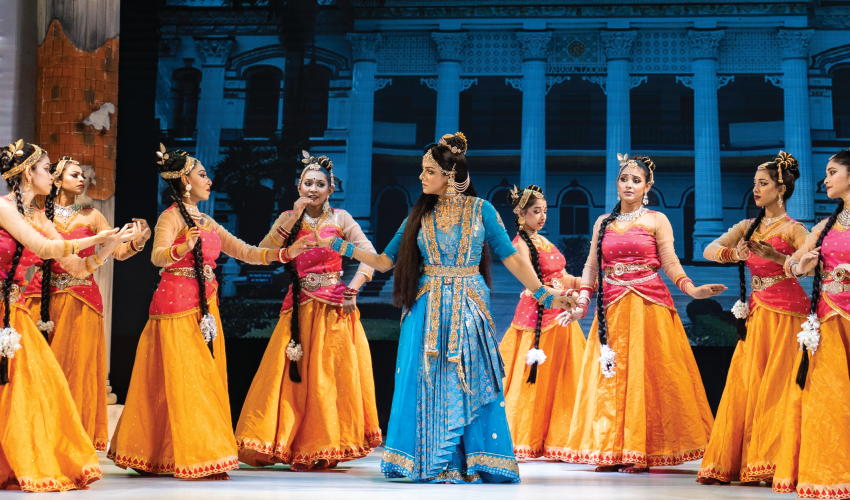
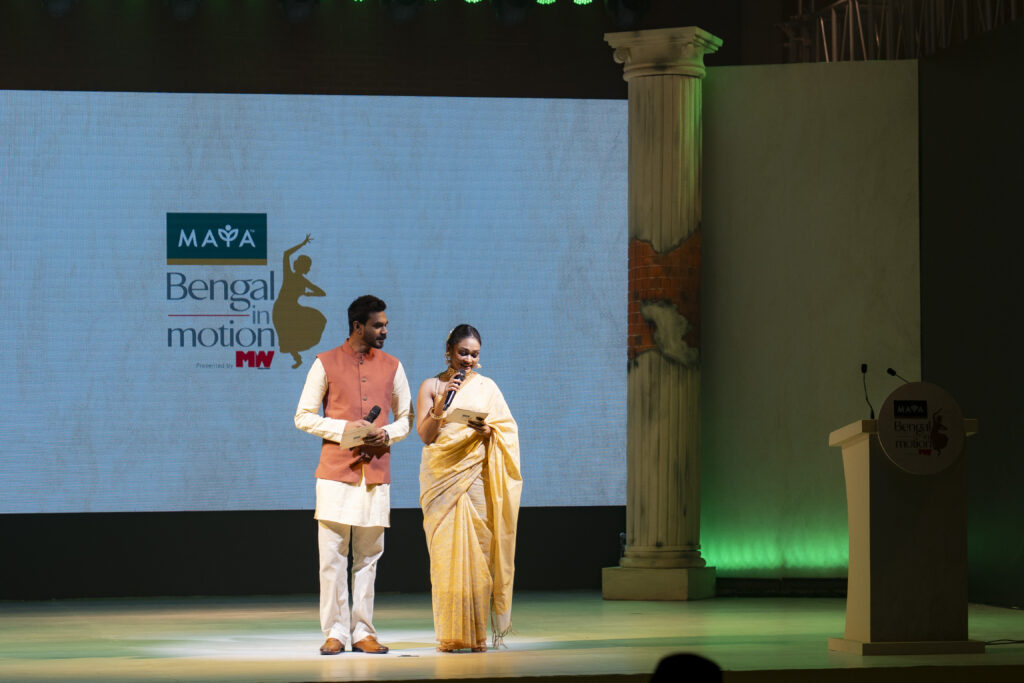
On April 25, 2025, Bengal in Motion returned for its second edition at the Aloki Convention Center in Dhaka. MW magazine Bangladesh organised the event in partnership with Maya, a wellness brand under Square Toiletries Ltd. Marking International Dance Day, this year’s program focused on the theme Timeless Tagore, bringing together a series of classical dance performances inspired by the works of Rabindranath Tagore.
Rather than treating Tagore’s legacy as something fixed in the past, the performances encouraged dancers to reinterpret his writings for a modern audience. Through Bharatanatyam, Odissi, and Manipuri, the evening presented Tagore’s timeless themes – identity, nature, longing, and freedom.
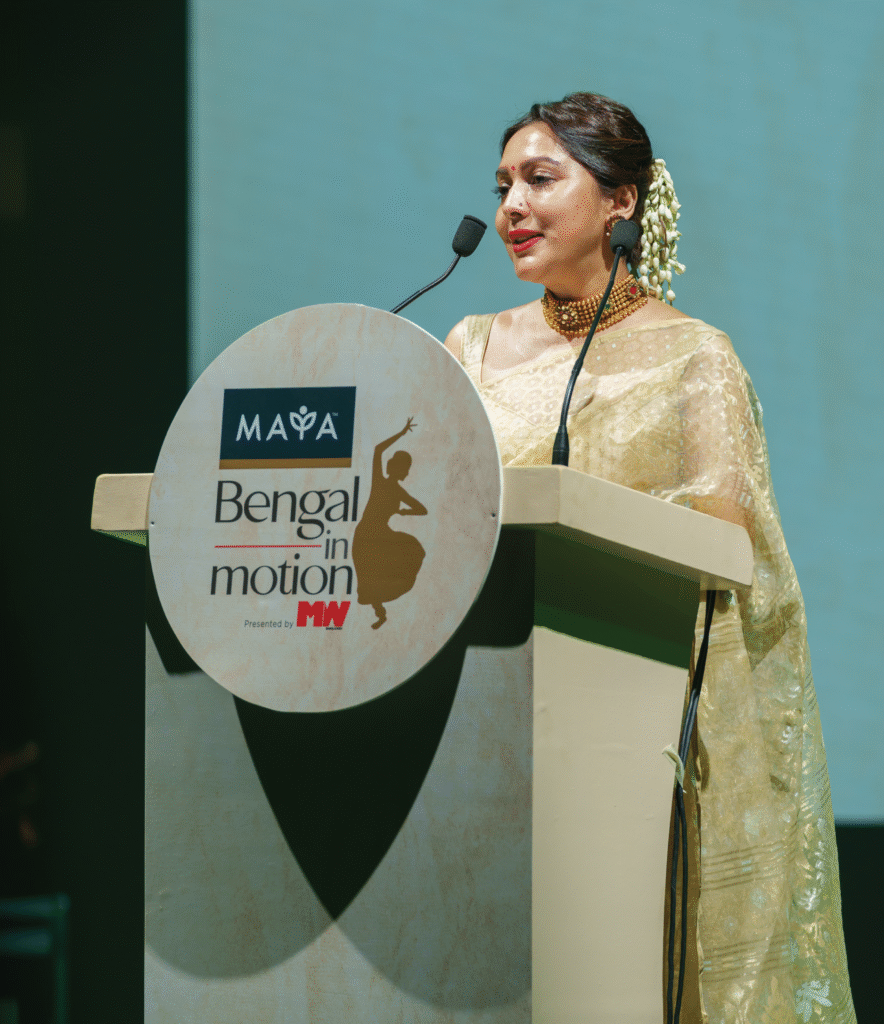
Rumana Chowdhury, MW magazine’s publisher and editor, welcomed guests with a reflection on the broader purpose of Bengal in Motion. “I aimed to develop something that was not limited to fashion,” she said, adding, “Something that enabled me to connect with heritage. Maya and Square are invaluable partners in this endeavour. We are especially grateful to Anjan Chowdhury, Managing Director of Square Toiletries Limited, for standing by our side.” She noted that the event, now in its second year, stands as one of the magazine’s signature platforms for cultural storytelling through performance.
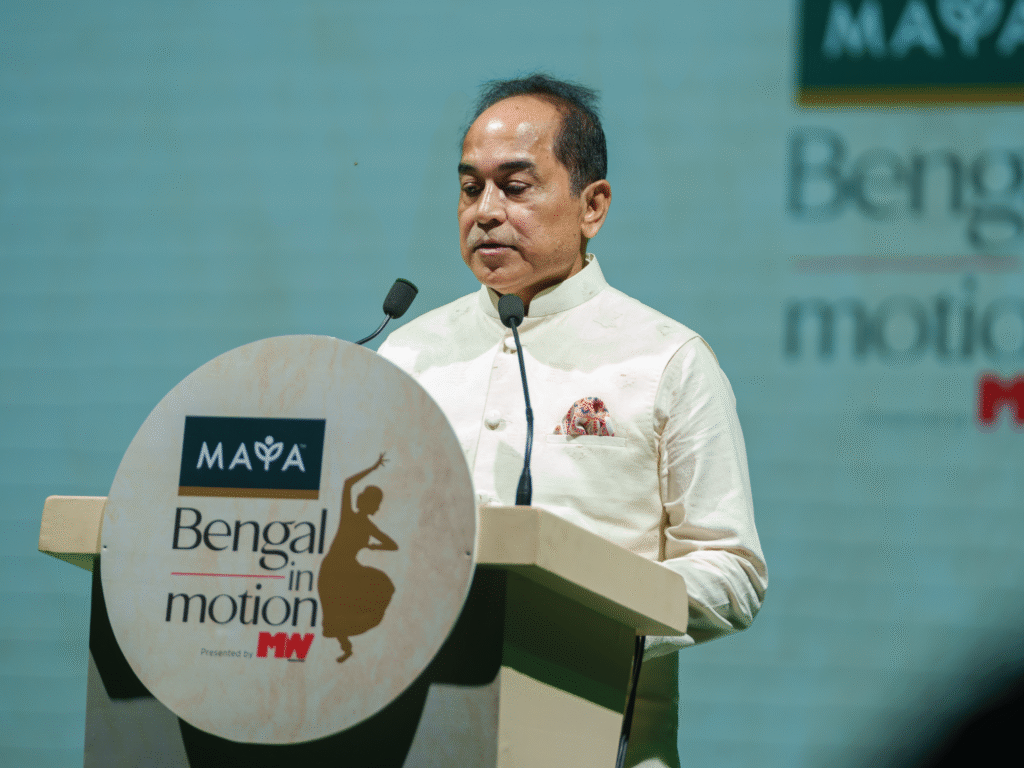
Anjan Chowdhury echoed the spirit of collaboration, affirming, “We will continue to organize such events together in the future. I hope everyone enjoys the program. And speaking of Maya, I encourage everyone to experience Maya’s products. At Square, we never compromise on quality.”
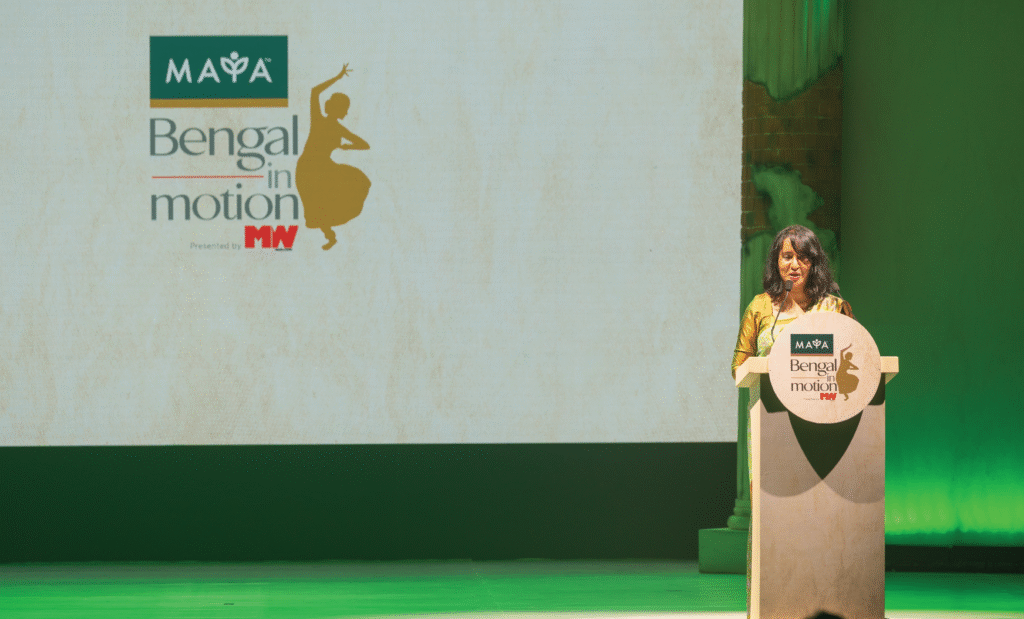
Adding to the evening’s spirit, Sabrina Fatma Ahmad, Deputy Editor at MW magazine, remarked, “From the very first issue, MW has celebrated the beauty of Bangladesh — featuring icons from cinema, art, business, architecture, and music. The incredible response inspired us to go beyond storytelling and create deeper connections through live experiences. This year, we turned to dance, and in Maya, we found the perfect partner.”
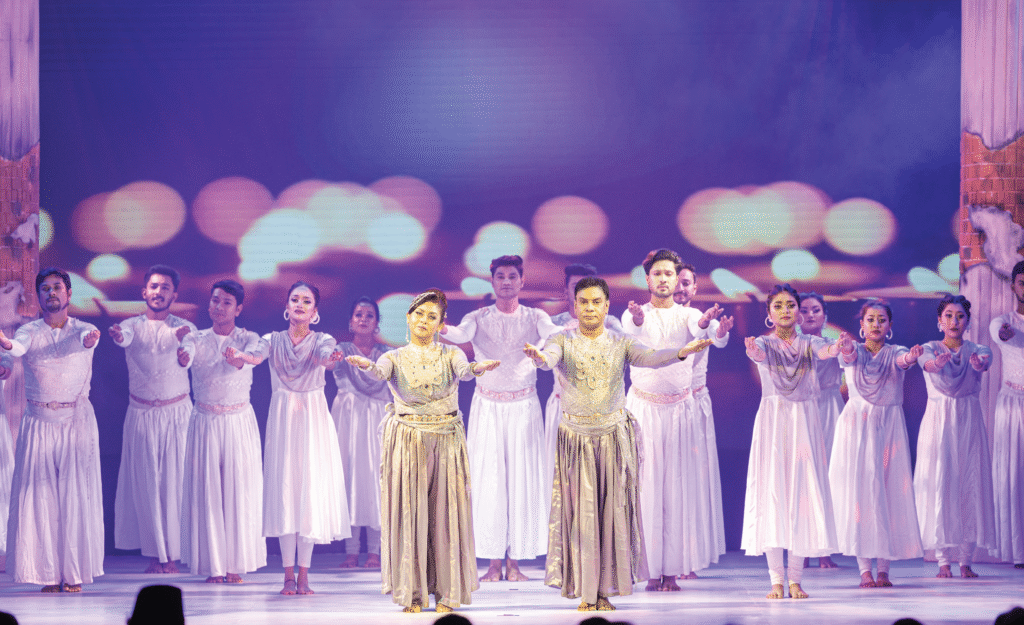
The evening opened with a powerful duet performance of Aguner Poroshmoni by Anisul Islam Hero himself and Mehbooba Mahnur Chandni. As the dancers moved gracefully and intensely to one of Tagore’s most iconic songs, the theme of purification and inner awakening emerged strongly. The choreography captured both the anguish and the transcendence embedded in the lyrics.
The production incorporated multimedia visuals, enhancing the storytelling without overpowering the live performances. Subtle lighting and set design evoked the serene beauty of Santiniketan, transporting the audience into the heart of Tagore’s world.
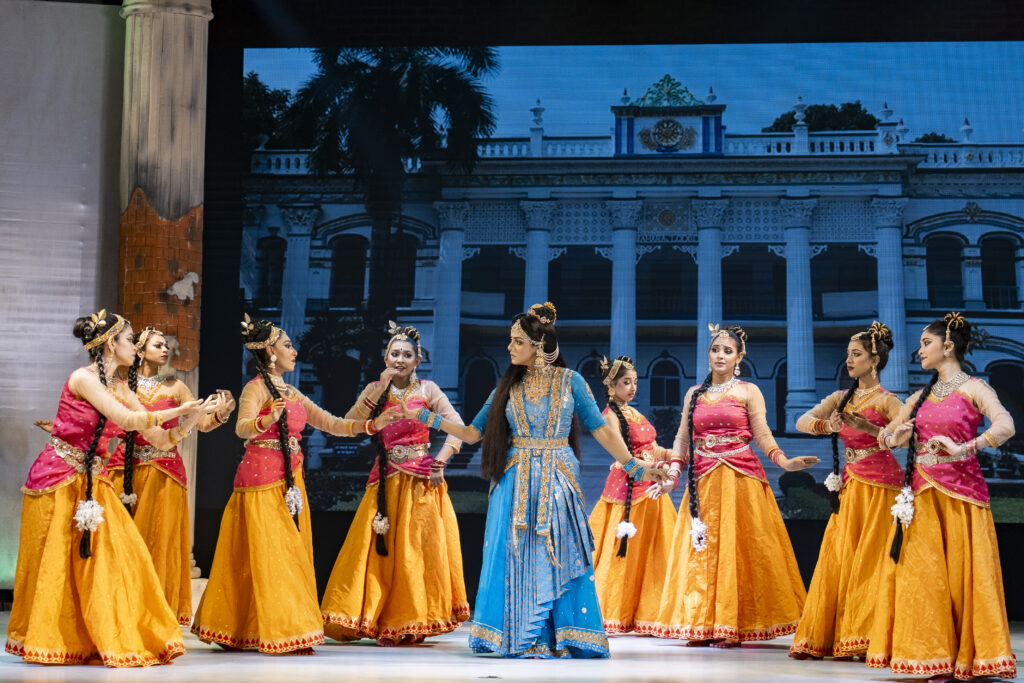
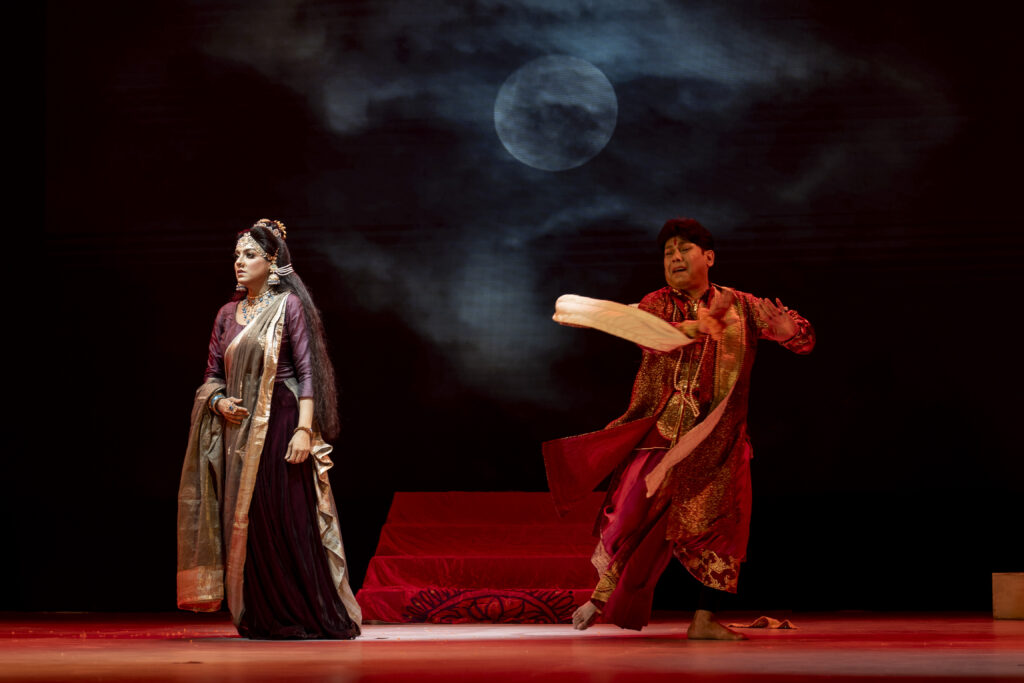
The narrative thread of the evening began in earnest with Sadia Islam Mou’s interpretation of Shyama, a Tagore dance drama about love, political sacrifice, and guilt. Mou, a respected figure in Bangladesh’s dance community, portrayed the titular role with remarkable restraint and control. She allowed the emotional chaos of the story – Shyama’s sacrifice of a man she comes to love – to simmer rather than explode.
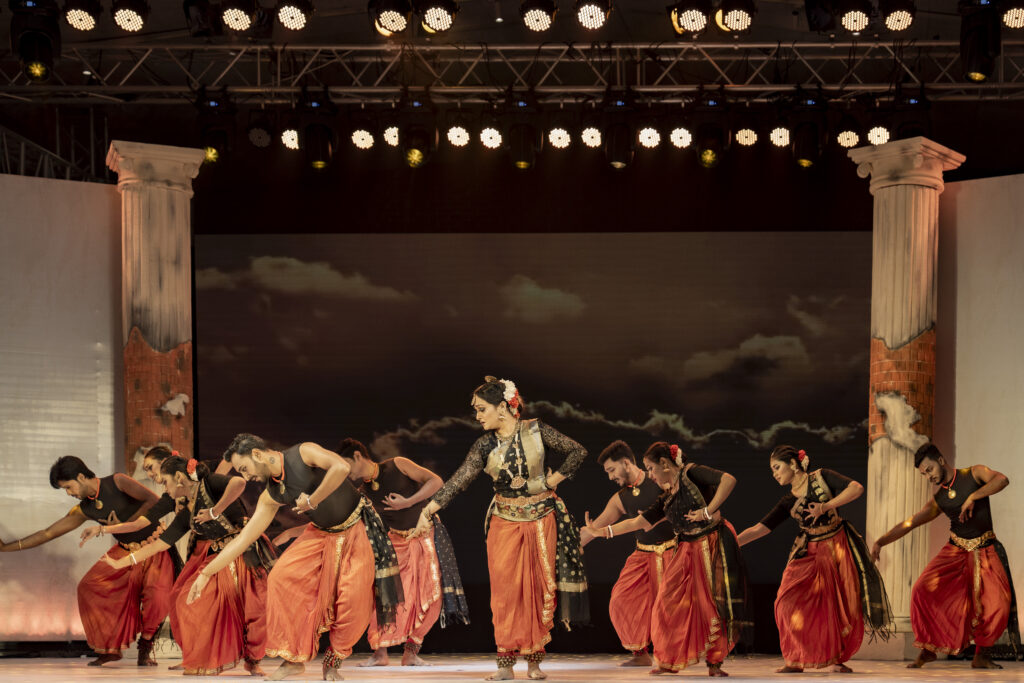
Following the dramatic intensity of Shyama, Sabrina Shafi Nisa presented a Bharatanatyam performance set to Daruno Agnibane. The dance was energetic and sharp, marked by rapid footwork and strong lines. The choreography reflected the poem’s fierce tone, addressing inner strength in the face of adversity.
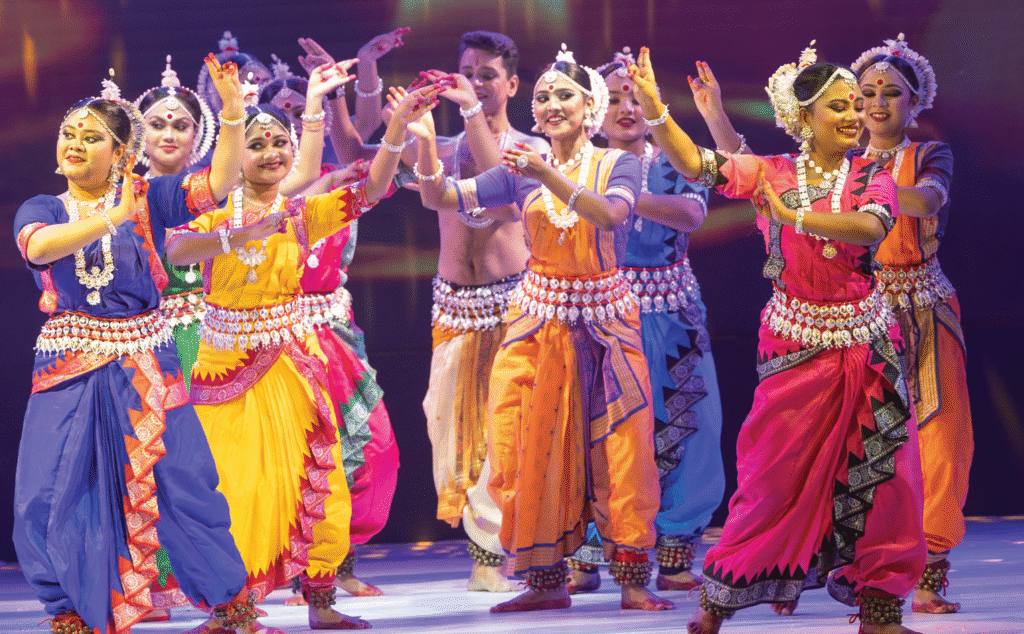
A change of pace came with Anandaloke, an Odissi classical performance by Benazir Salam’s troupe. The dancers appeared in coordinated movements that mirrored the devotional tone of the song. The group’s circular formations and layered storytelling were a reminder of Odissi’s origins in temple rituals.
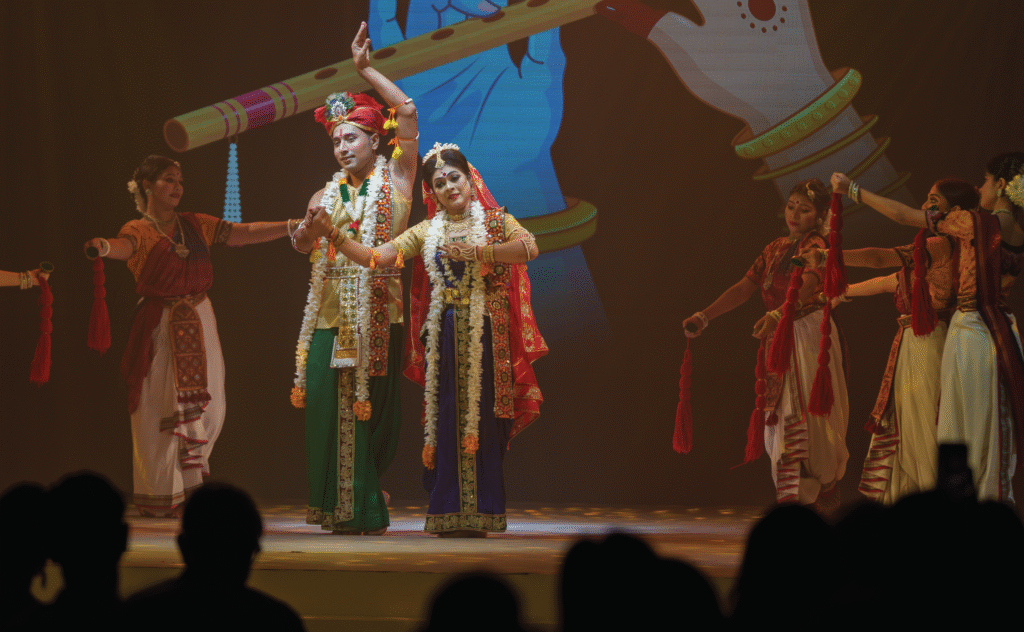
Samina Husain Prema took the stage next with a Bharatanatyam interpretation of Bhanu Singher Padabali, Tagore’s early work written under a pseudonym. Through expressive abhinaya (facial gestures) and narrative sequences, Prema brought out the romanticism and lyrical beauty of the poems. The performance bridged the youthful passion of Tagore’s early writing with the maturity of classical dance.
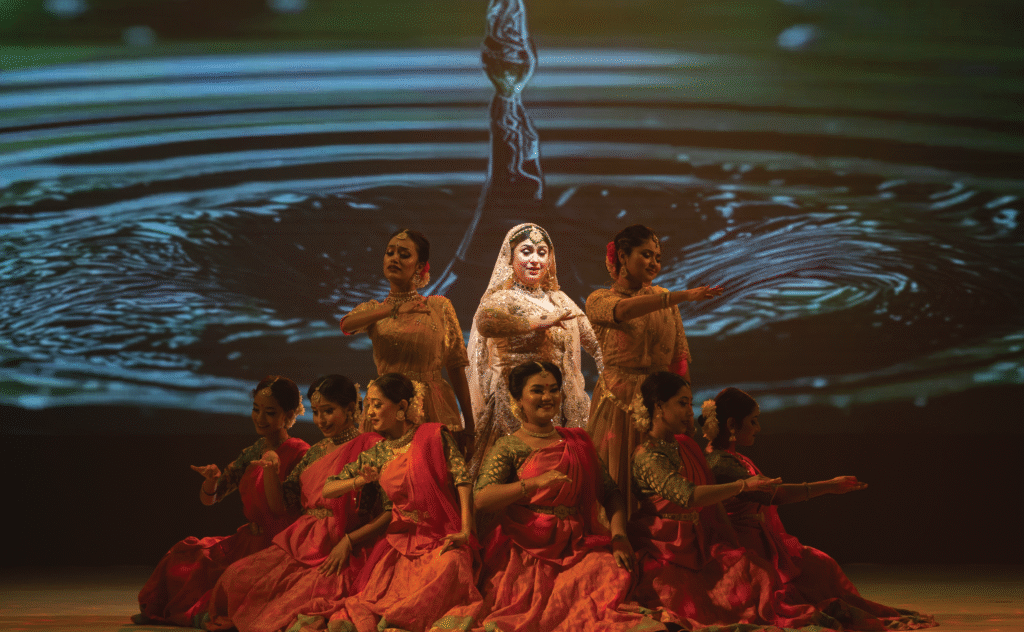
In Shamolo Shundoro, Anika Kabir Shokh offered a graceful performance that focused on nature and emotion. Her movements were fluid and grounded, evoking Tagore’s fascination with the natural world. The piece was intimate and introspective – less theatrical, more reflective – allowing the audience to experience the quiet moments often lost in larger productions.
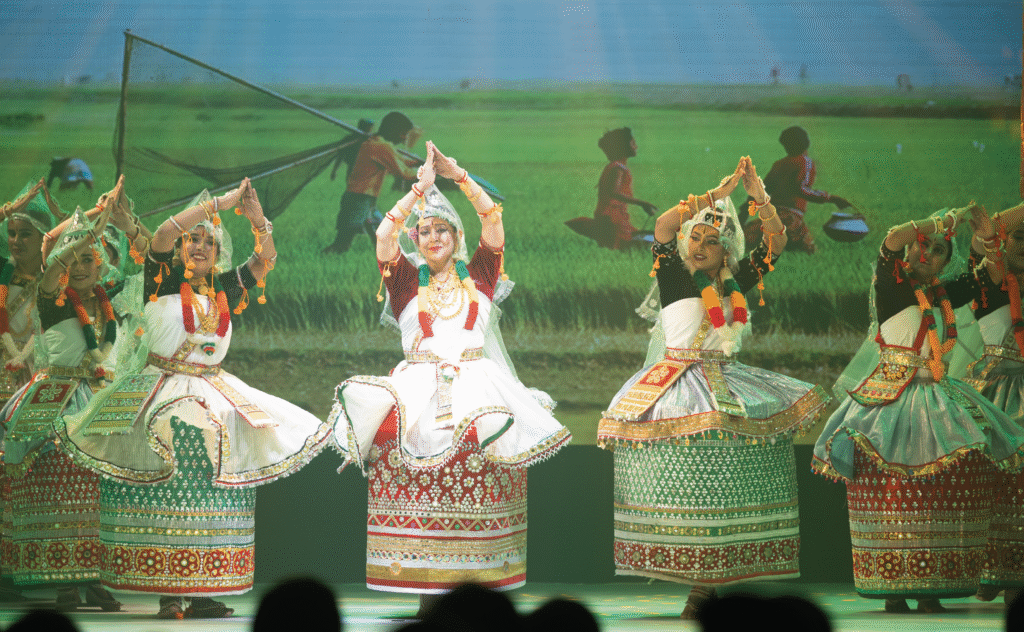
The night ended with Tamanna Rahman’s Odissi performance of Aji Bangladesher, a patriotic piece reinterpreting Tagore in the context of contemporary Bangladesh. Her choreography was precise and confident, blending classical motifs with themes of national pride and collective identity. It was a fitting finale—rooted in tradition but looking firmly toward the future.
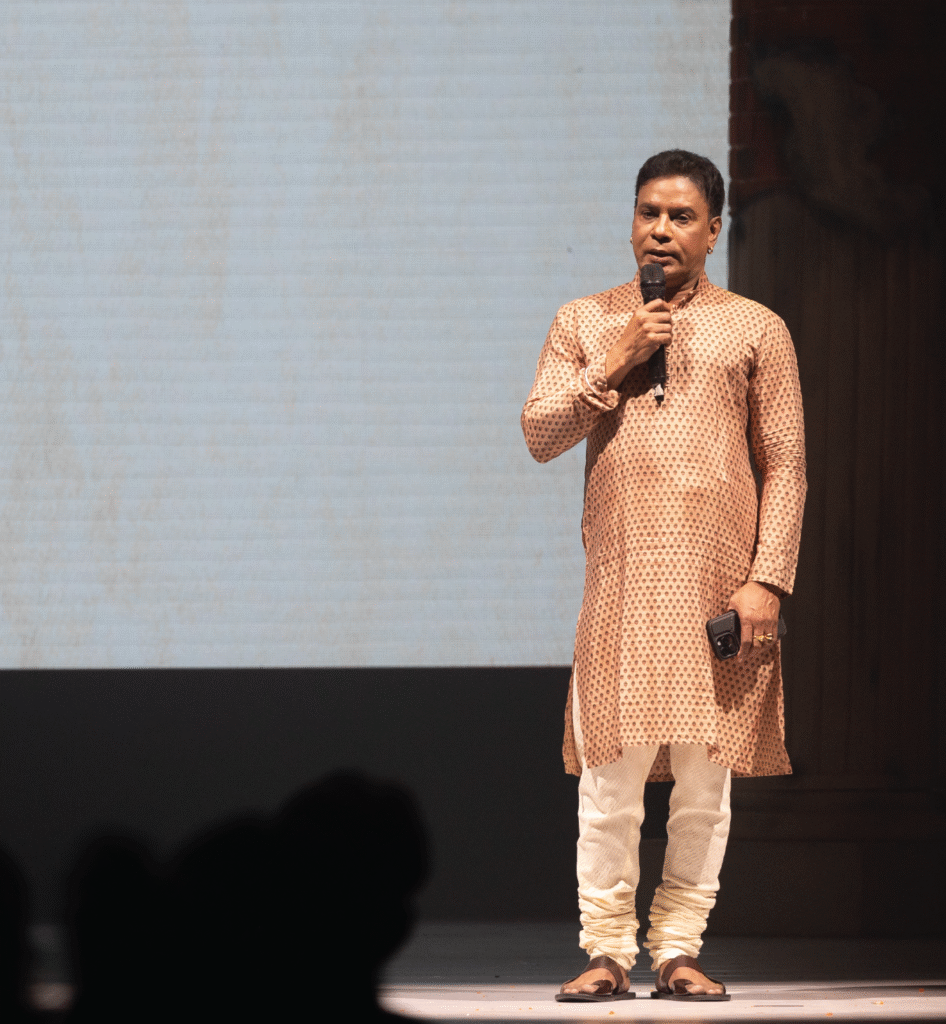
The program was curated by cultural organiser and veteran dancer Anisul Islam Hero, who envisioned a fresh take on Tagore’s influence. “Tagore is not static. He is not bound by the 19th century. He moves with us,” he said. Expressing gratitude, he added, “My sincere thanks to MW Magazine, Rumana Chowdhury, and Mr. Anjan Chowdhury. This is our second event, and we hope to continue this tradition in the future with new themes.”
Bengal in Motion was more than a showcase of technical skill. It was a platform for classical dancers – both established and emerging – to be seen and supported. In a cultural landscape where dance is often underfunded and undervalued, the event positioned itself as a space of legitimacy and opportunity.
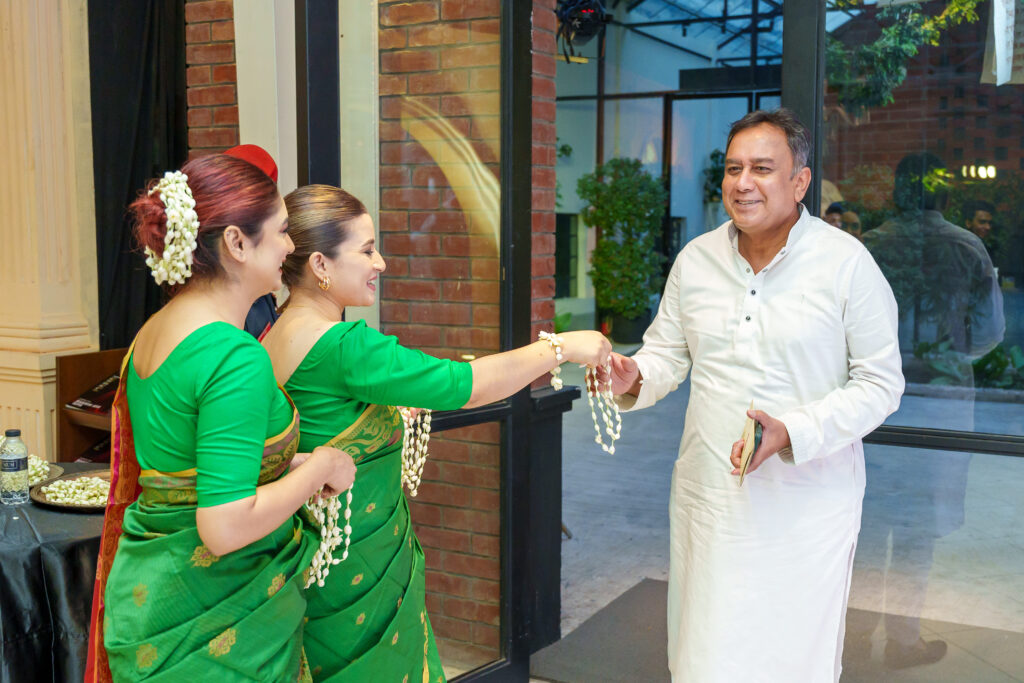
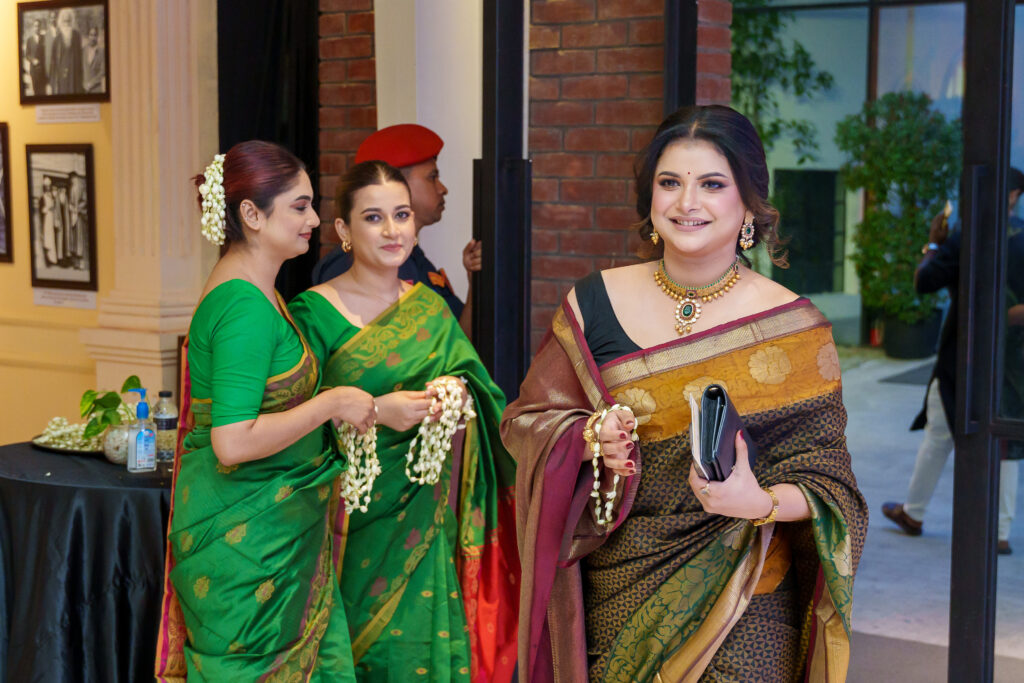
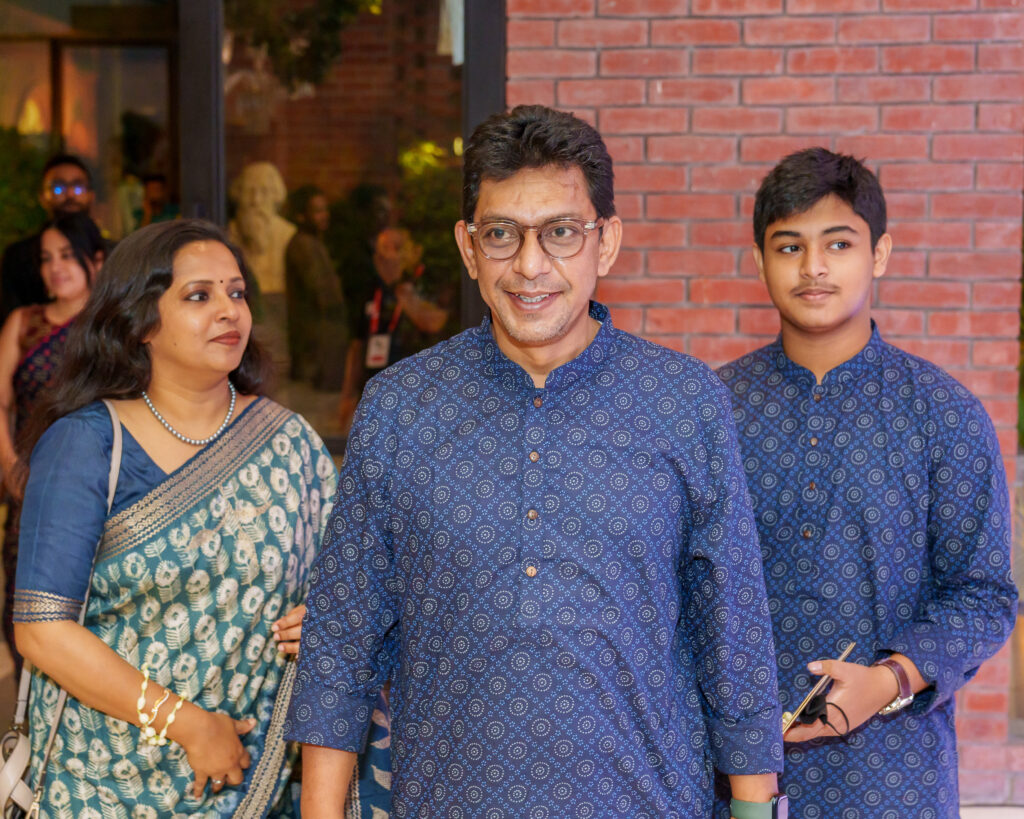
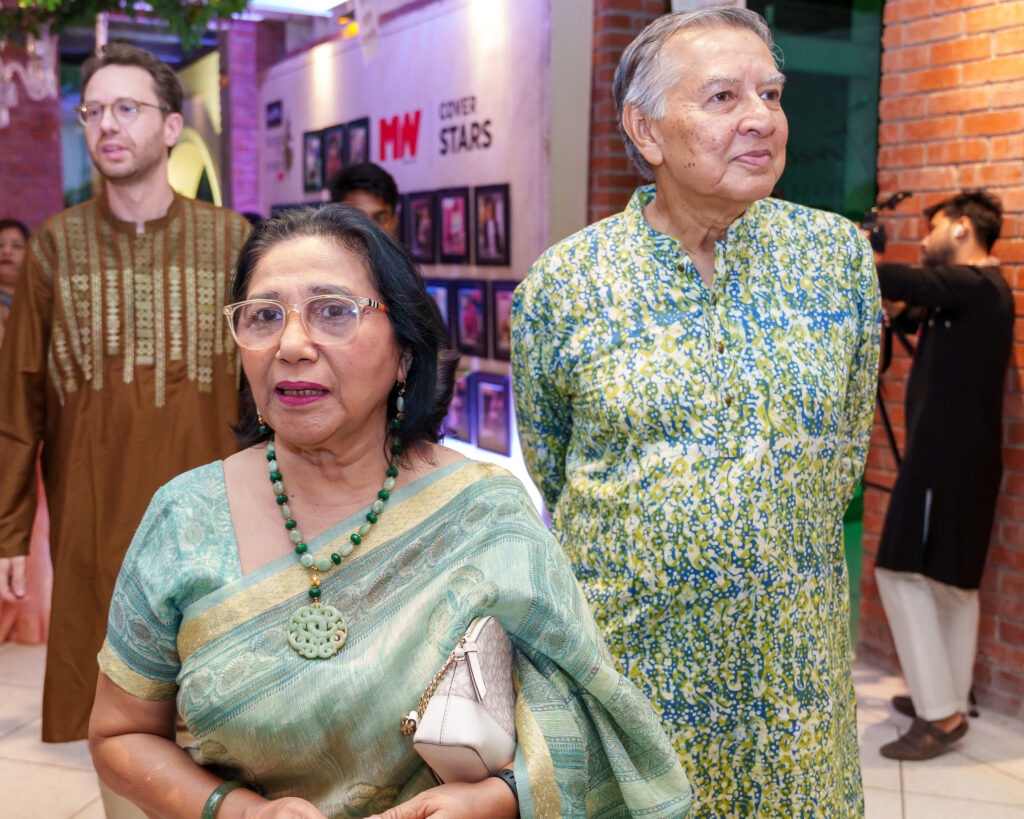
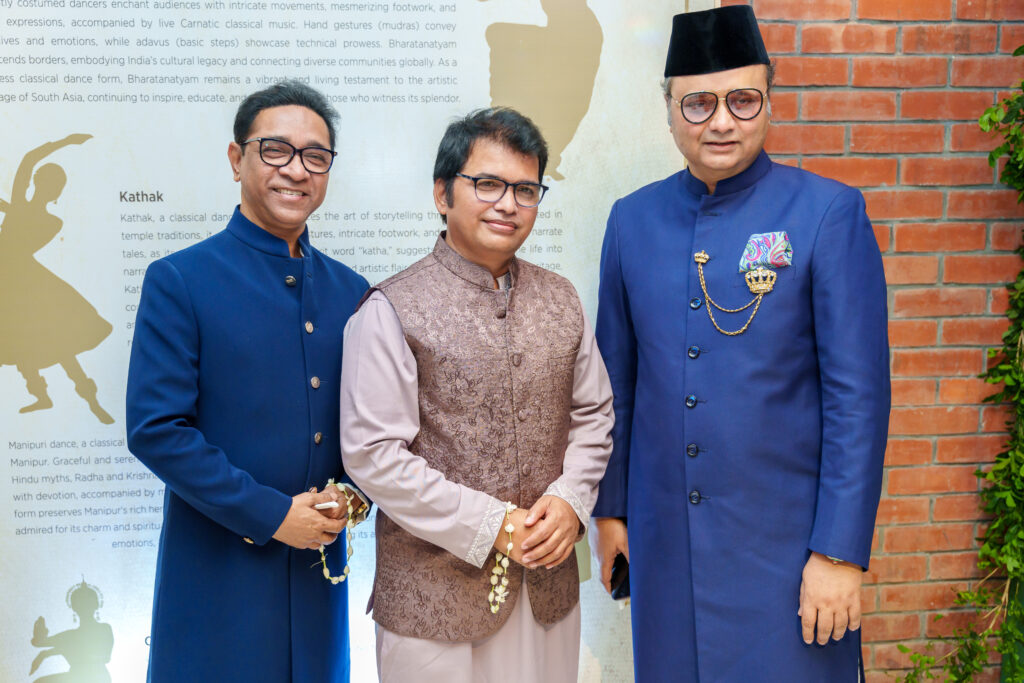
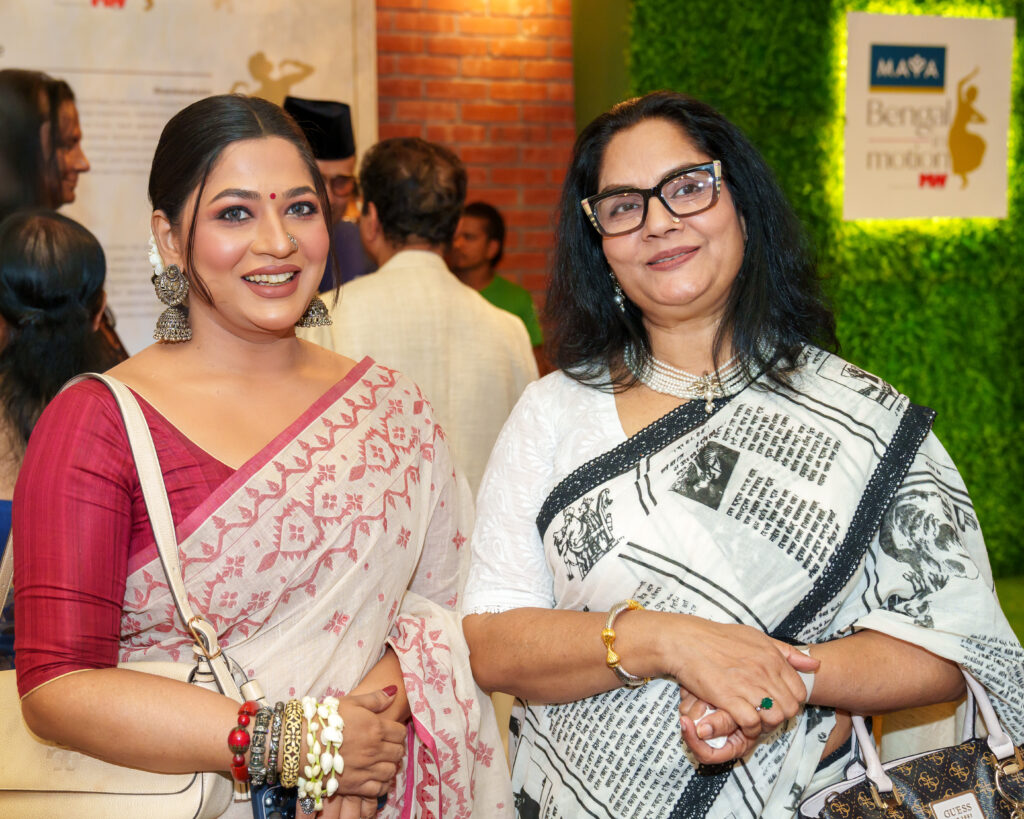
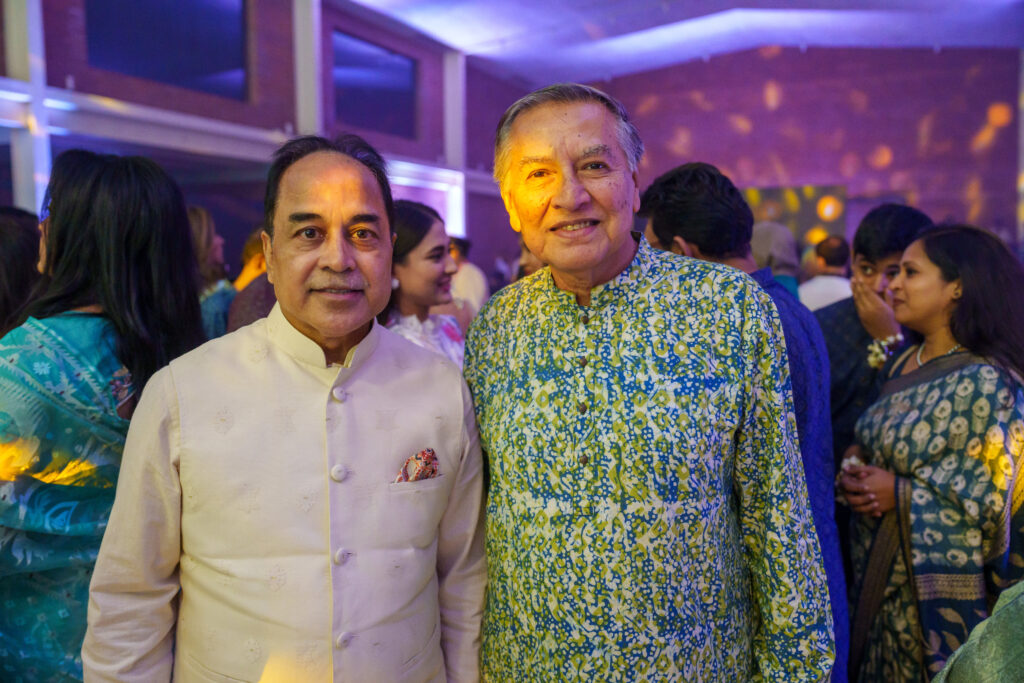
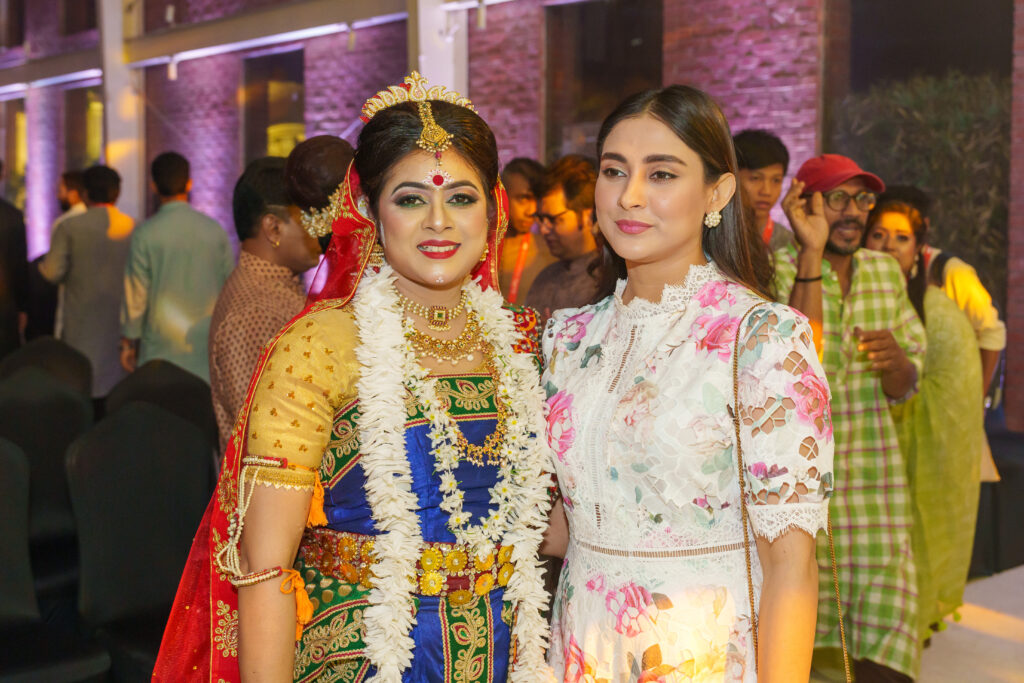
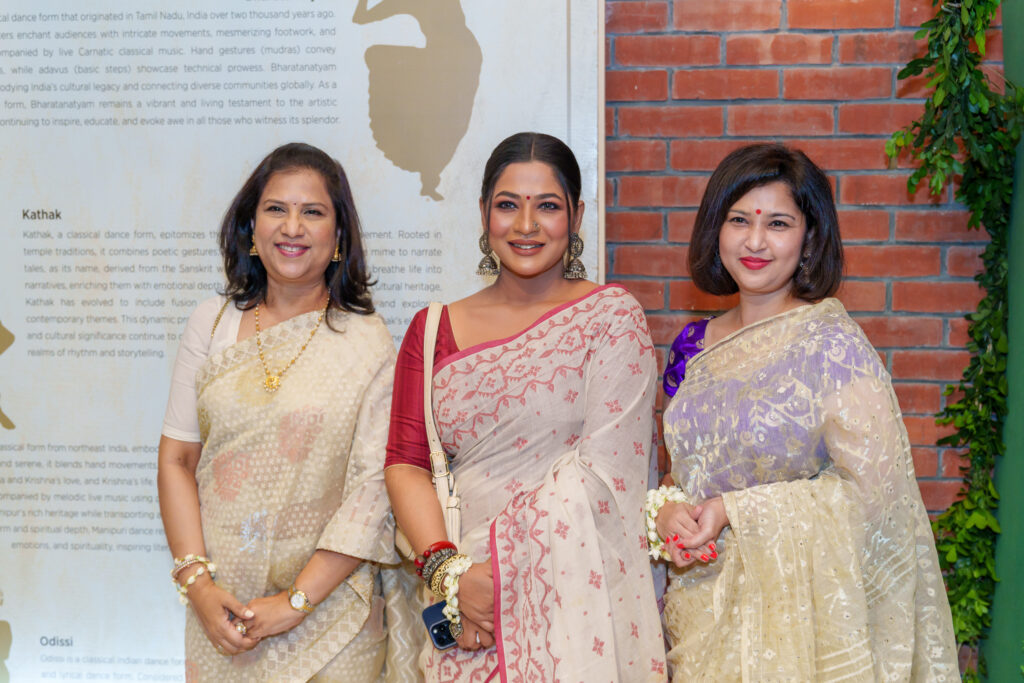
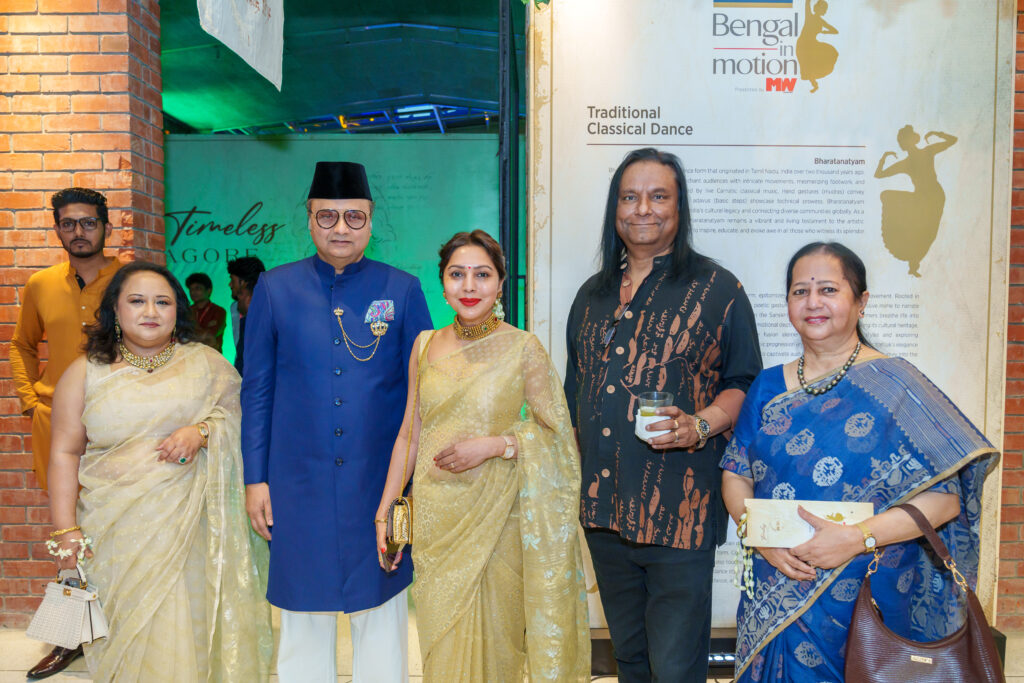
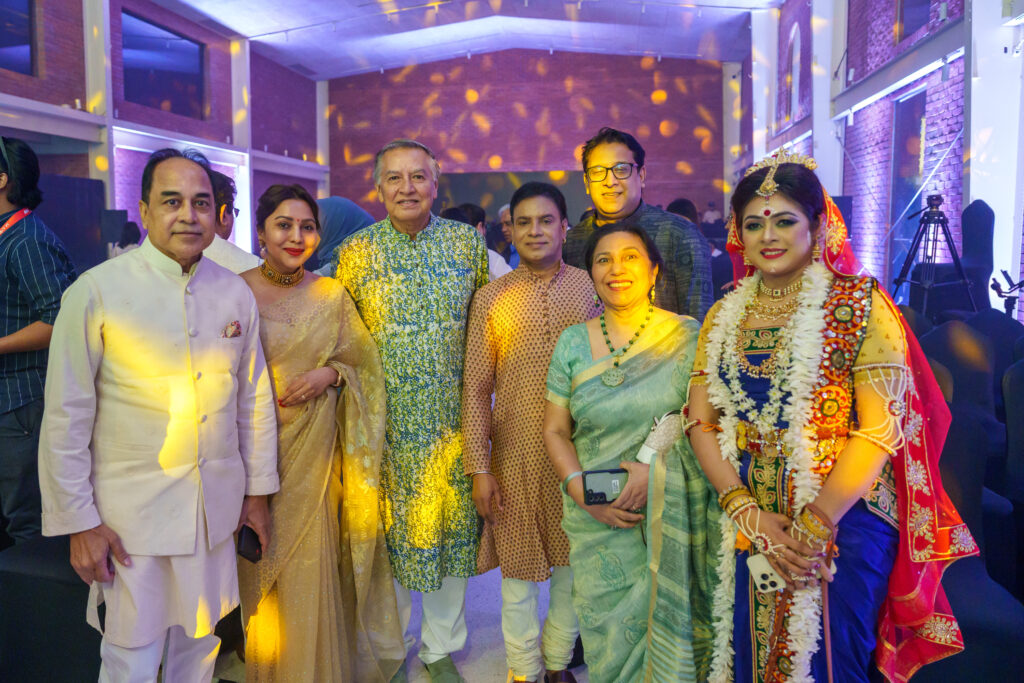
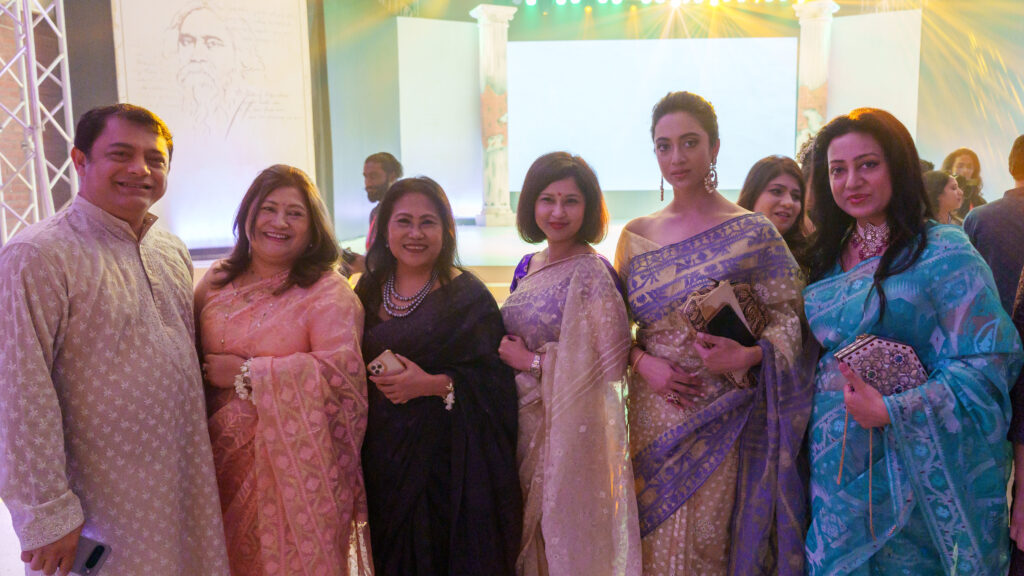
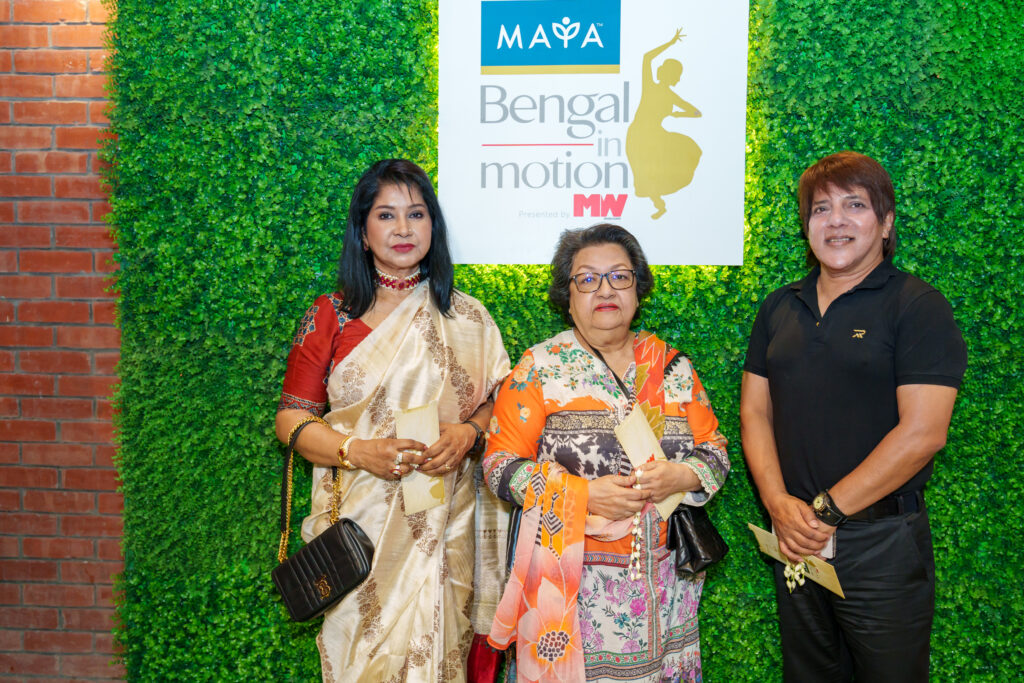
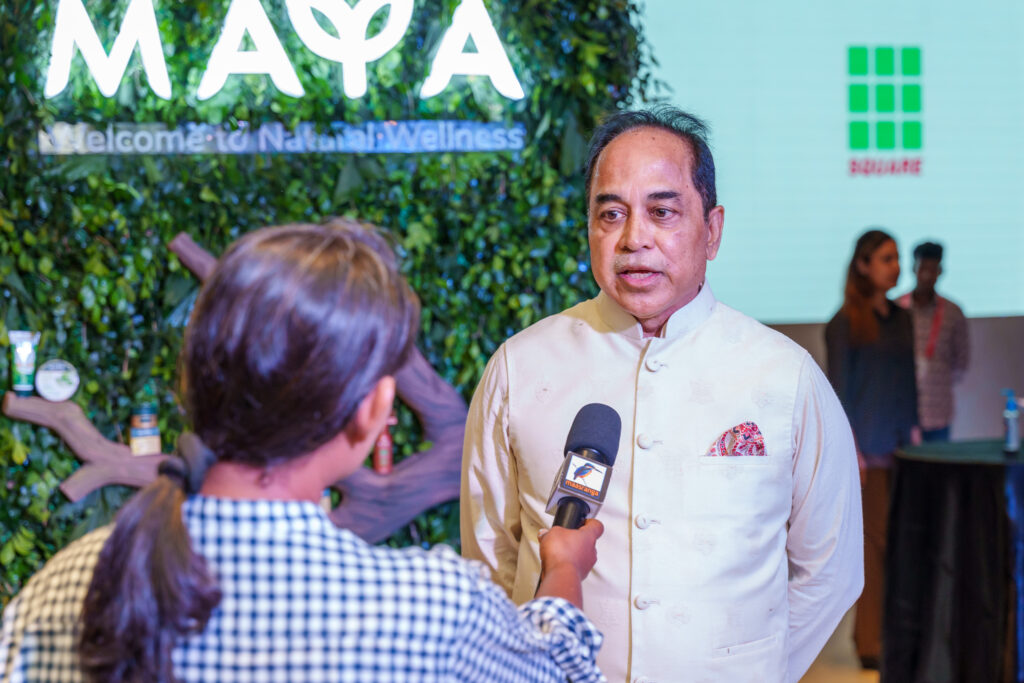
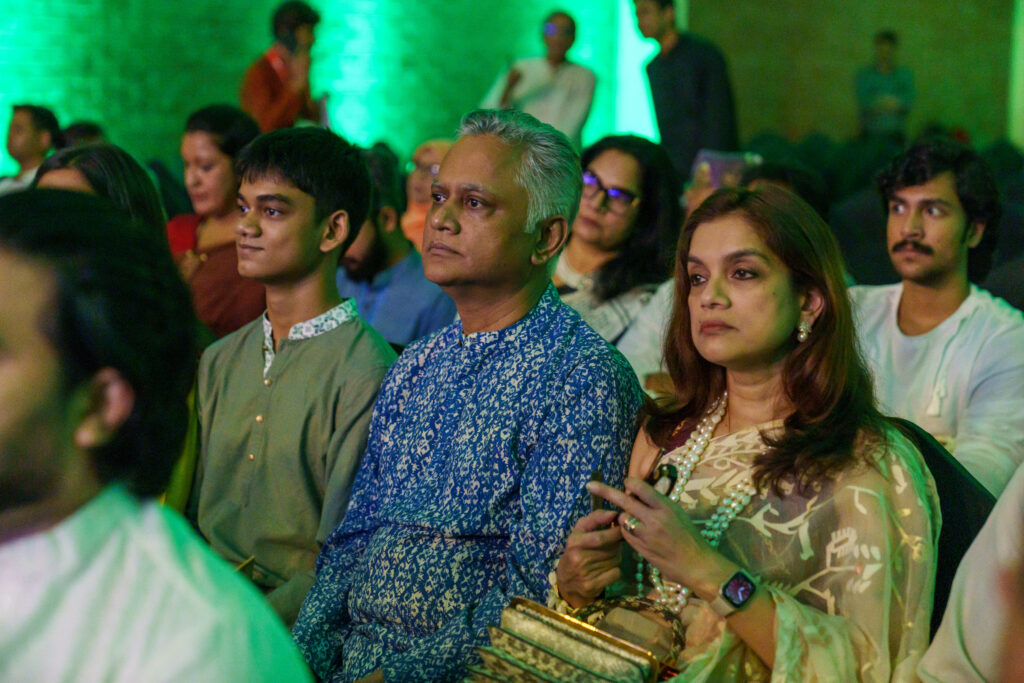
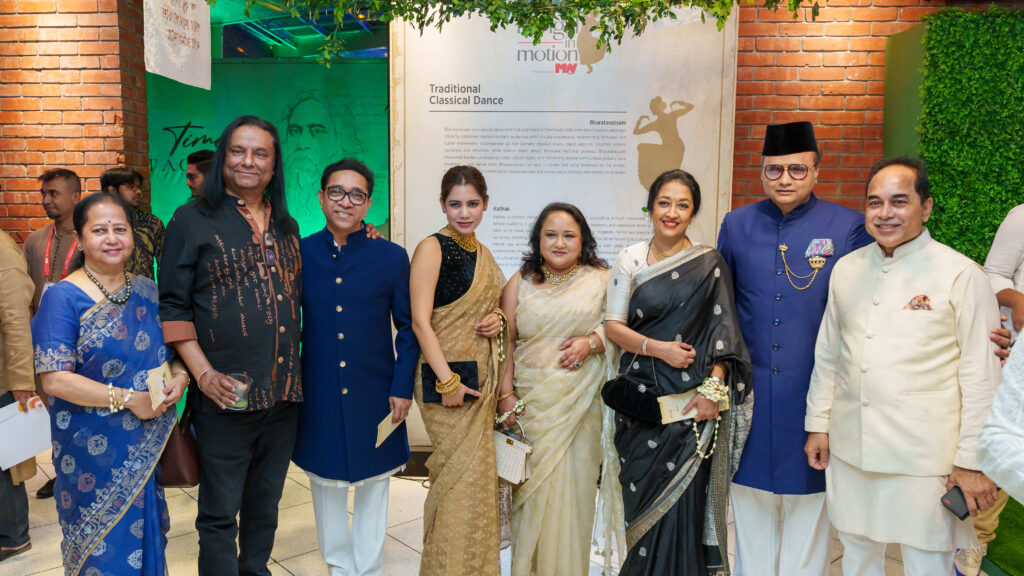
The event saw a vibrant gathering of people from diverse professions and backgrounds. Distinguished attendees included Bengal Group Chairman Abul Khair Litu, the editor and publisher of The Daily Star Mahfuz Anam, the editor of Prothom Alo Matiur Rahman, renowned magician Jewel Aich, prominent Bangladeshi architect Mustapha Khalid Palash, Rafiq Azam, Kanak Chanpa Chakma, and many others.
Among the artists present were Zahid Hasan, Aupee Karim, Azmeri Haque Badhon, Runa Khan, Mehazabien Chowdhury, Sabnam Faria, Peya Jannatul, Brindaban Das, Shahnaz Khushi, Rakin Absar, and many more.
As the event came to a close, it reaffirmed the importance of preserving and reimagining Bangladesh’s rich dance traditions. This marked the second edition of the dance showcase and the third major cultural initiative hosted by MW Bangladesh. The overall management of the event was overseen by Sun Communications Limited.
Prior to Bengal in Motion, the magazine had organised Dhaka Diorama: Impressions of a Mega City, a group art exhibition held in collaboration with City Bank and American Express.
Photo source: Bengal In Motion