


By Neha Shamim
Gazi Nafis Ahmed is a contemporary Bangladeshi artist working with photography and video, navigating between documentary and the imaginary to explore memory, social realities, and reimagined worlds. His short films Kites and Embodiment have screened at the Asian Art Biennale and Hangar, Barcelona. He has received the Pride Foundation Award (Netherlands), FORMAT International Award (UK), Institute of International Education Award (USA), and an Honorary Fellowship at Columbia University.
Ahmed has held solo exhibitions at Bengal Gallery, EMK Center, Goethe-Institut, Alliance Française (Bangalore), Lalit Kala Akademi, Nau Còclea (Spain), Complutense University (Madrid), and major venues in Dhaka. His photographs have appeared in The New York Times, The Guardian, Bloomberg Businessweek, Forbes, TIME, and The New Yorker. In 2019, he represented Bangladesh at La Biennale Arte di Venezia. His works are part of private and institutional collections worldwide.

What first inspired you to pursue photography, and who were the early mentors or influences that shaped your creative path?
My path to photography began in my childhood in Dhaka, within a large joint family alive with cultural voices. Growing up in a sheltered world, I turned inward, drawing, sketching, learning the tabla, and borrowing our home camera to capture family portraits. Art offered a place of freedom and belonging, far more compelling than conventional subjects like mathematics.
By O- and A-levels, Art & Design became my focus. Though I considered studying DJing or fashion design in the U.S., London felt closer to my temperament. At London Guildhall University, I immersed myself in painting, printmaking, film, and photography. I bought my first camera, a Pentax K1000, and began photographing London. A visiting professor once told me, “I’ve seen countless photos of the London Bridge, but you photographed what lies beneath it,” articulating what I had instinctively done: looking beyond the obvious, building images from fragments of imagination, desire, and memory.
Other influences,fashion magazines, rigorous lab work, and late-night debates with peers,sharpened my eye and approach. For me, photography is not just witnessing reality but constructing worlds that reflect both my experience and invite others in. This journey eventually led me to work with VII Photo, one of the world’s most prestigious agencies, further shaping my vision and practice.
How did your education in London, Denmark, and Madrid expand or challenge your perspective as an artist?
Each country shaped me differently, through both its society and its art. At eighteen, I moved to London, where late-night clubs and friends over fish and chips contrasted with an education steeped in Eurocentrism. Yet it was also there that I first encountered contemporary debates in visual culture, where photography, installation, and performance intertwined, expanding my sense of what art could be.
Denmark offered the opposite: long winters, quiet restraint, and a culture that prized distance in public but intimacy in private. Its minimalist, contemplative art and design taught me the value of silence, space, and absence.
Spain, with its warmth and intensity, pulled me into a different rhythm. In Madrid, I spent countless hours at the Prado, Reina Sofía, and CaixaForum, where classical mastery met radical contemporary experimentation. The intimacy of Spanish culture,its gestures, conversations, and warmth,mirrored the intensity of its art.
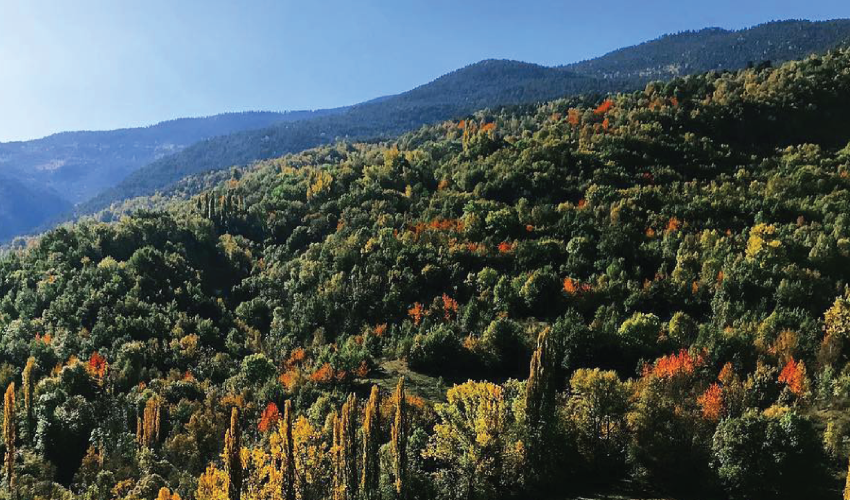
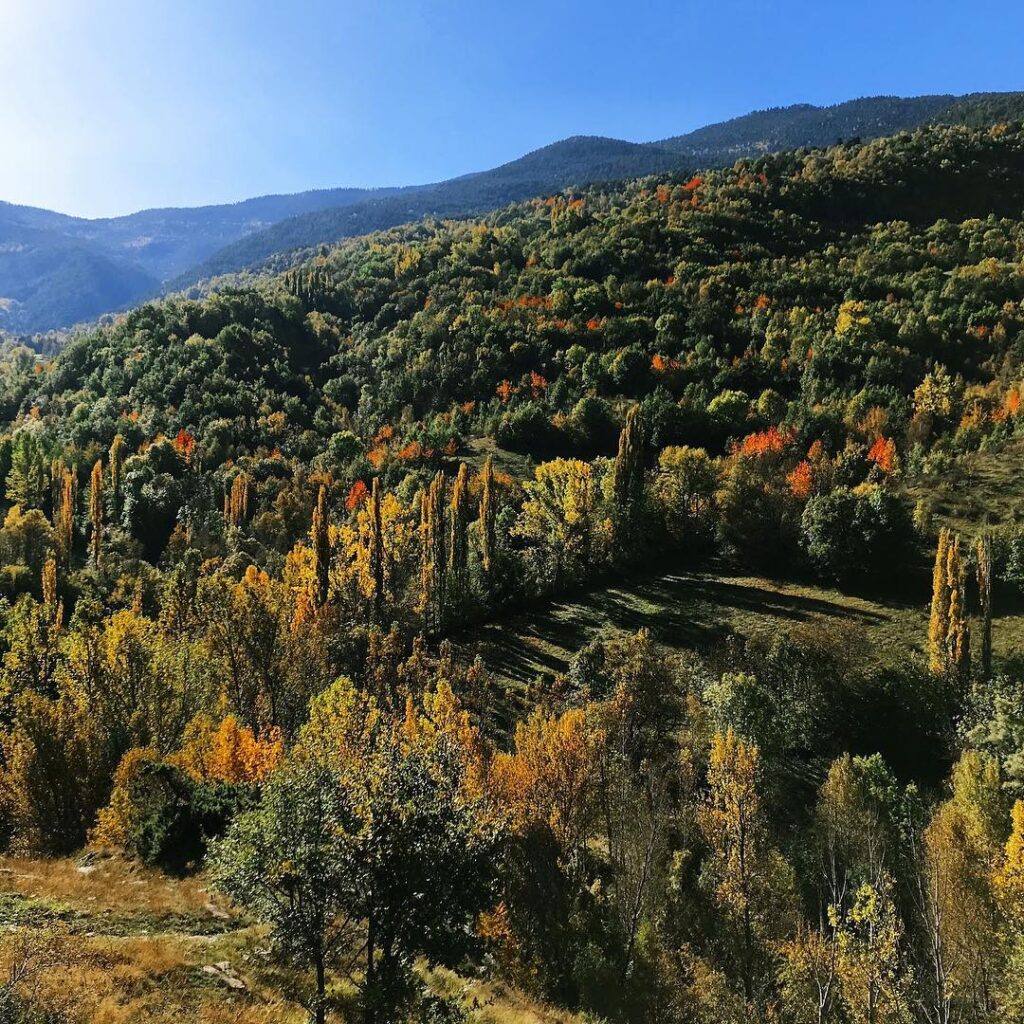
A year-long residency in Catalonia, awarded by the Institute of International Education and The Andrew W. Mellon Foundation, immersed me in some of the most experimental practices I had seen. In Farrera, a remote Pyrenees village with only ten houses, I lived in a 400-year-old stone home, where art unfolded at the pace of nature,cattle bells across pastures, the whisper of winds.
Together, these crossings became a layered education: London sharpened my concepts, Denmark gave me discipline, Spain gifted me intensity and intimacy, and Catalonia deepened my encounter with radical contemporary art. Though my roots remain in Dhaka, I carry these worlds within me, less a citizen of one nation than an artist shaped by many.
Were there particular photographers, artists, or movements that inspired your style or approach?
Most of my inspiration comes from the personal,instinct, lived experience, and the path of my own journey. Alongside this, certain artists have profoundly shaped me: photographers like Andreas Gursky, Wolfgang Tillmans, Gregory Colbert, Nan Goldin, Peter Hujar, and Duane Michals; multimedia and video artists such as Matthew Barney, John Akomfrah, and Adam Curtis, who expanded my sense of narrative, memory, and visual language. Richard Prince’s experiments in appropriation also shifted how I understood authorship and context.
Painting has been equally formative. From Zainul Abedin and Shahabuddin Ahmed to Francis Bacon and Lucian Freud, I learned how expressionism and intensity can translate into photography,through light, shadow, and form, not only to record reality but to convey psychological depth and storytelling.
Music is just as vital to my practice. House, trance, R&B, and indie soundtracks shape the rhythm and mood of my work. Tracks like Gosh by Jamie xx, Innerbloom by Rufus Du Sol, and Let It Happen by Tame Impala often guide my flow, connecting feeling and form in ways that are both visceral and reflective.
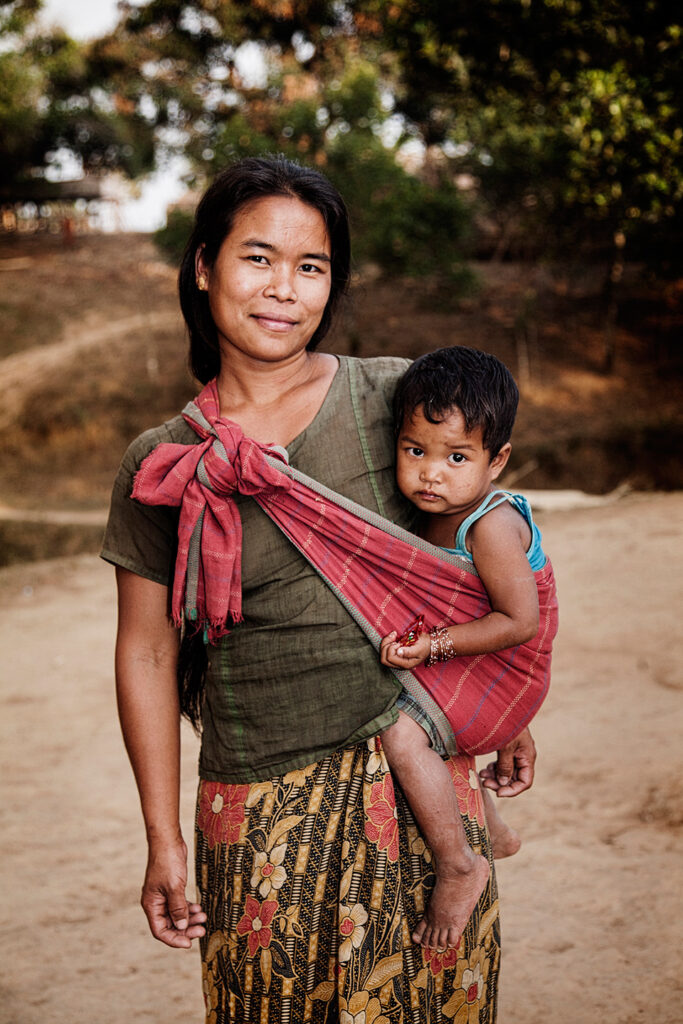
Your photographs of garment workers in Bangladesh have earned international recognition. What were the challenges and process of capturing these human stories?
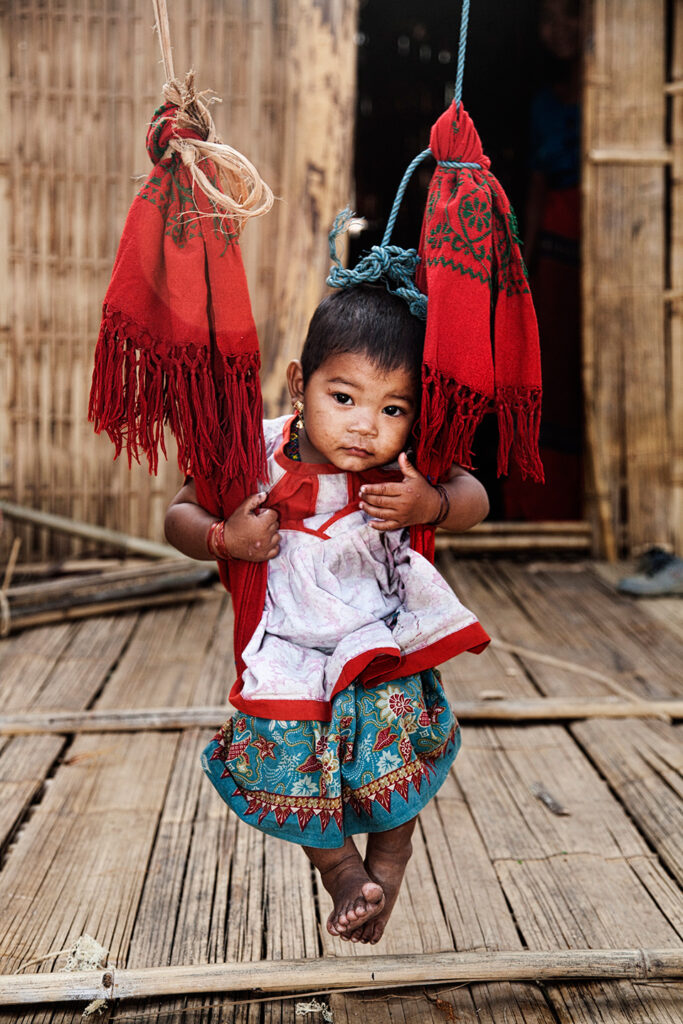
The series Made in Bangladesh has unfolded over more than a decade of patient observation. From the beginning, I did not want to frame garment workers as icons of poverty, a gaze that flattens the complexity of their lives. My intent was to recognize and celebrate their strength, resilience, and quiet grace.
Yet this was not without challenges. The subject has been photographed endlessly, often through stereotypical lenses. To move beyond these tropes required me to unlearn and resist the influence of what has already been done, searching for a more intimate and honest visual language.
The process has been slow and meditative, returning to the same spaces, listening, and allowing trust to form. Over time, the work has become less about singular images and more about building a layered body of experience. I now envision the project expanding into multiple mediums, so these narratives can unfold in ways that are true to the lives they honor.
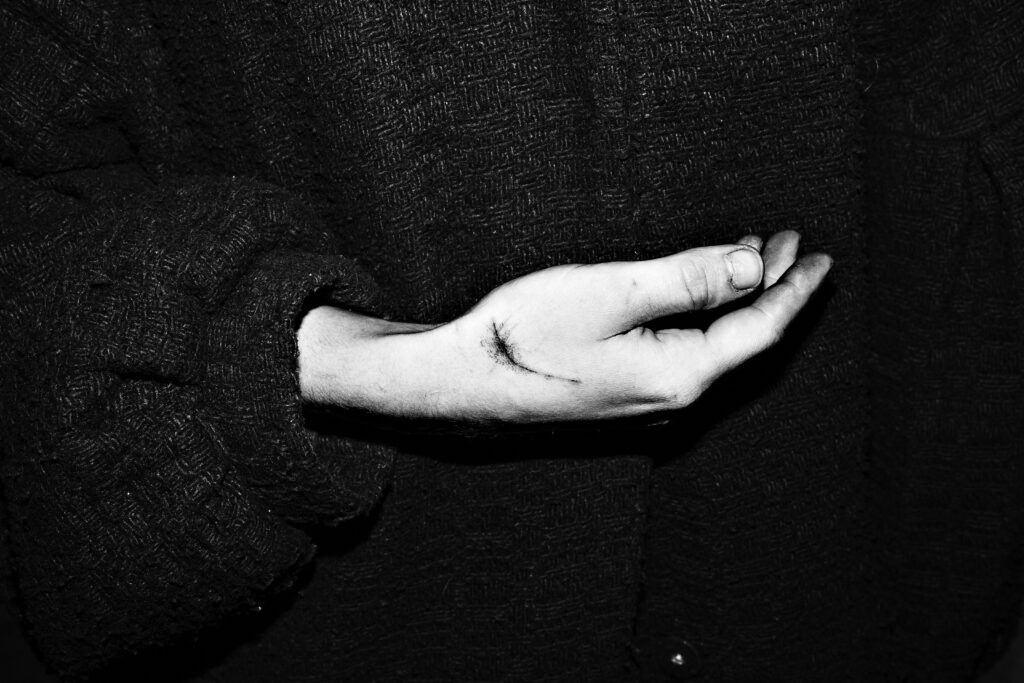
Your work spans both photography and video. How do you decide which medium is best for a particular story?
For me, photography and video are not just tools of documentation but spaces of creation where imagination, emotion, and perception converge. Photography isolates a moment, turning it into reflection; video extends time and rhythm, unfolding as an immersive narrative. Both are interpretative and fluid, rooted in constructing rather than merely recording reality.
Each project begins with a question: what experience do I want to create, and how can the medium serve that vision? In a world saturated with fleeting images, neither photography nor video alone can capture the full complexity of human emotion. Together, they allow stillness and movement, silence and rhythm, intimacy and expansiveness to coexist,inviting audiences into a constructed world that mirrors both my vision and the layered realities of those I work with.
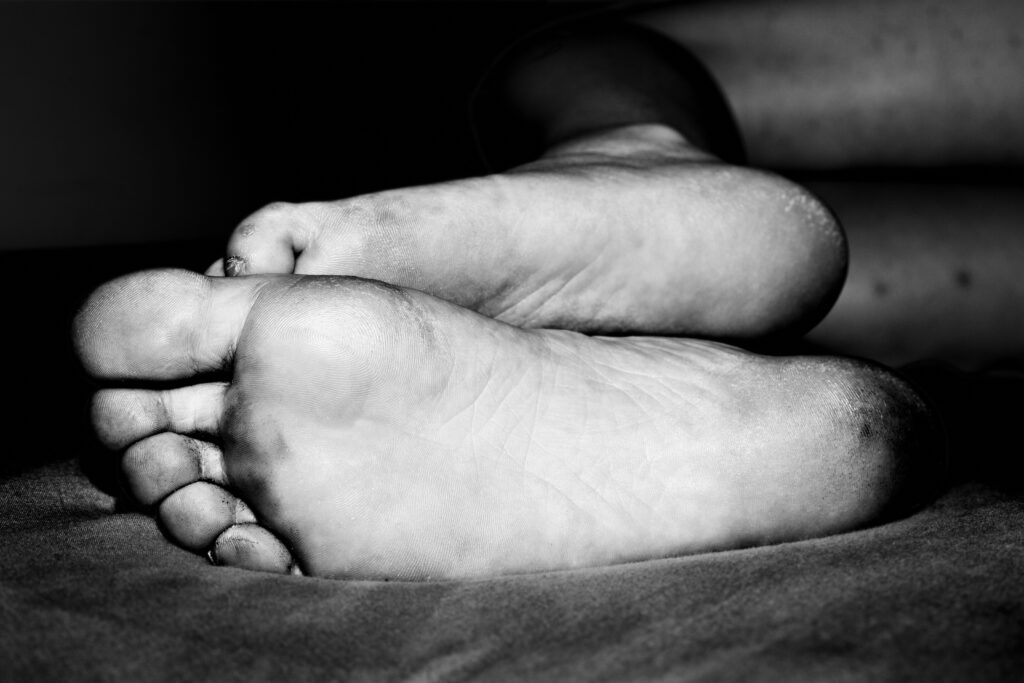
Representing Bangladesh at the 58th Venice Biennale was a major milestone. How did that experience impact you personally and professionally?
In 2019, I was invited to La Biennale di Venezia by an Italian curator familiar with my work, rather than through the Shilpakala Academy or Cultural Ministry. As the only Bangladeshi participant outside the Dhaka University Charukola circle, and absent from the ministry’s official records, I took pride in being selected solely on the strength of my practice.
The Biennale was transformative. Encountering art from around the world crystallized many ideas I had long carried, reminding me how personal vision and global dialogue meet within art’s space. My exhibition was held at Palazzo Zenobio in Venice’s Armenian quarter,a historic site where Madonna’s Like a Virgin video was filmed. Showing my work there, amid layers of history and international presence, was both humbling and invigorating, a moment where my journey, national identity, and global discourse converged in unforgettable ways.
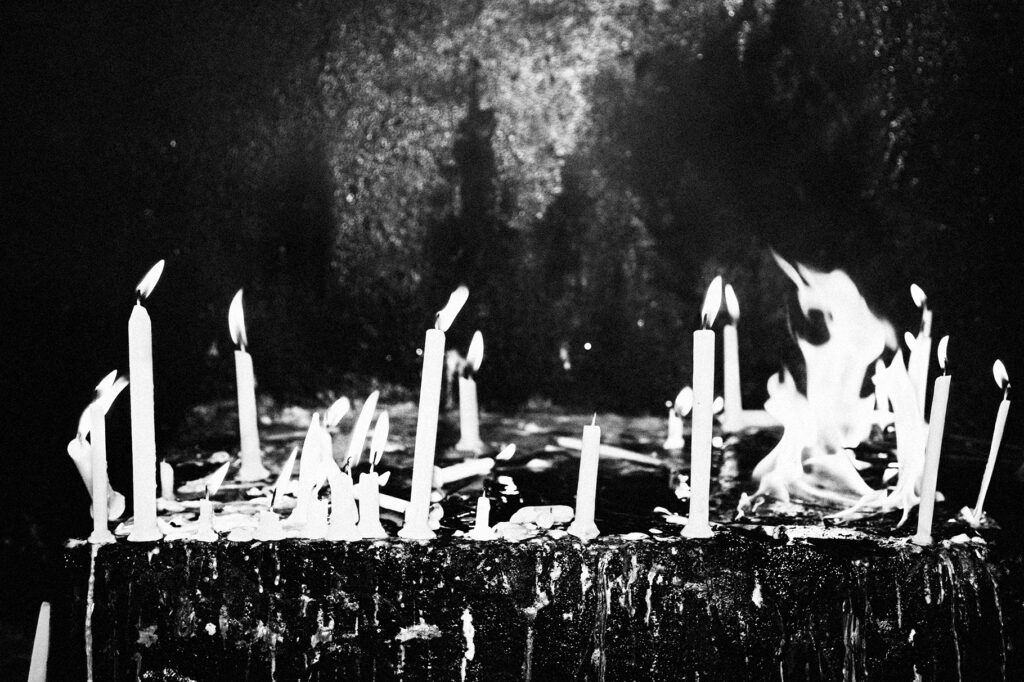
You are internationally celebrated and have vast experience. How do you plan to pass on that knowledge to inspire the next generation of photographers and visual storytellers?
I have taught at the Danish School of Media & Journalism, with Master’s students at IED Madrid and Complutense University, and led international workshops. These experiences have strengthened my belief in passing knowledge forward. Today, I teach at a private university in Bangladesh, where the greatest reward is seeing young minds engage, learn, and create.
Teaching, for me, is a human-to-human encounter,planting seeds, sparking curiosity, and watching confidence take root as the next generation of photographers and visual storytellers shape their own paths. Many students express a longing for undergraduate programs devoted entirely to photography and video. I hope the academic landscape in Bangladesh soon evolves to offer world-class degrees in these fields, programs that are valued and matched with meaningful professional opportunities.
Photo Source: Courtesy