



By MWB Desk
In this interview, Md. Adnan Hossain, Founder and Executive Director of It’s Humanity Foundation, talks about his journey as a youth leader. He shares how he inspired young people to explore careers in the development sector. He explains why working in this field is a real career. It offers growth, skills, and the chance to make a meaningful difference.
Thank you for joining us, Mr. Hossain. What inspired you to start It’s Humanity Foundation and how does that connect with professional office-based roles in the development sector today?
Thank you for having me. When I started IHF in 2010, it was never about creating an organization. It was about creating hope. I began with just 17 children in a small corridor. Every day was a struggle but seeing them learn kept me going.

Over time, we grew. We started proper schools, vocational training for youth, and programs for children with learning difficulties. Alongside that, we built professional teams to manage programs, finance, human resources, communications, and monitoring. These are real office-based jobs. They are not volunteer roles. People manage budgets, plan programs, track progress, and write reports.
Today, young people can build careers as project managers, program coordinators, monitoring and evaluation specialists, finance officers, or communications professionals. These jobs are professional and meaningful. You can grow your skills and at the same time make a difference in people’s lives.
Many young people worry about salary and stability. There is a perception that development jobs pay less than corporate jobs. What is your view on this?
That is a common concern. Entry-level roles may start lower, but it is changing. Many donor-funded programs and international organizations pay competitively. The opportunities for growth are also strong.
The best thing about this sector is the experience you gain. You get to see how a project works from start to finish. You plan it, manage the budget, lead the team, track the results, and report to donors. You learn leadership, strategy, and collaboration all at once.
And purpose matters a lot. When you know your work is changing lives, it gives a sense of satisfaction that money alone cannot provide. Over time, you can move into larger roles, work internationally, or use your skills in corporate sustainability and social-impact consulting.
What skills can young people develop in office-based roles in this sector?
There are so many skills. Professionally, you learn planning, budgeting, report writing, monitoring, data analysis, and policy design. For example, in our Project Alok for children with learning difficulties, our office team managed budgets, tracked progress, and designed tools to evaluate the program. That work requires focus, organization, and analytical thinking.
You also develop personal skills. You learn how to communicate and collaborate with government agencies, donors, and communities. Leadership, teamwork, and problem-solving become second nature. These skills are highly transferable. You can use them in corporate jobs, government work, consulting, or tech.

What are some common misconceptions about working in the development sector?
Many people think these jobs are low-paying or temporary. That is no longer true. Many organizations now have clear salaries, career paths, and promotion opportunities.
Another myth is that these jobs do not need real skills. That is wrong. Today’s development work is highly technical. You need to handle data, use tools like Excel or GIS, design monitoring frameworks, and write policy reports. You also need leadership, communication, and problem-solving skills to manage projects and teams.
Some people think the work is only for idealists. But it is not. Development work is for anyone who wants to solve problems, make decisions, and lead projects that matter. Many professionals later move to corporate sustainability or public policy because their skills are so valuable.
What challenges should young professionals expect in office roles, and how can they overcome them?
There are challenges. Many roles depend on project funding, so contracts may not be long-term. Reporting and compliance can feel repetitive. Early salaries may start lower than in corporate jobs.
But these challenges teach resilience. You learn to manage limited resources, meet deadlines, and work with diverse teams. At IHF, we provide mentorship and leadership opportunities so young professionals can grow. Programs run by UNICEF and UNESCO also support young graduates to gain experience in social and humanitarian work. With patience and dedication, a career in this sector can be stable and deeply rewarding.

Finally, for young people drawn to high-paying corporate jobs, why should they also consider development sector careers?
Because this work gives you something money cannot buy. Every decision, every project, every program you work on can change someone’s life. You may help a child get an education, train youth with new skills, or empower women in rural communities.
The skills you gain here are also useful everywhere. Project management, evaluation, data analysis, and community engagement are highly valued in corporate CSR, sustainability, and consulting.
But the real reward is emotional. You go home knowing your work made a real difference. Watching a child learn because of a program you helped design, or seeing a community thrive because of your work, gives a joy no boardroom can match. A career in development is not just a job. It is a chance to create lasting impact.
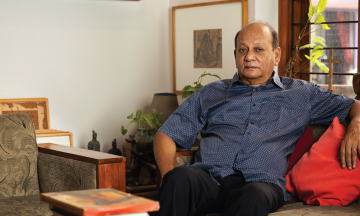
Photographed by Sagor Himu