


Bangladeshi sculptures that chronicle resilience and national pride. The final segment of an ongoing series of historic art installations
By Neha Shamim
Bengali art, a profound form of self-expression, has been a cornerstone of cultural identity since time immemorial. From ancient terracotta temples to contemporary murals, Bengalis have painted, sculpted, and carved their emotions into enduring masterpieces. Today, the younger generation carries on this legacy, turning city walls into vibrant canvases that reflect their dreams, struggles, and aspirations.
Among the myriad sculptures that stand as testaments to the resilience and creativity of the Bengali spirit, two works are particularly iconic: Sangsaptak and National Martyrs’ Monument.
These sculptures, rich in historical significance and artistic merit, inspire generations to honor the sacrifices and achievements of their forebears.
National Martyrs’ Monument: a testament to sacrifice and national spirit
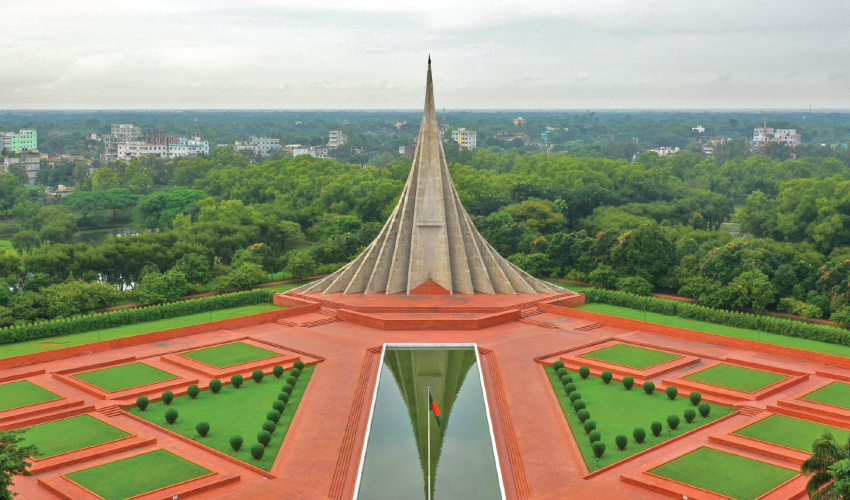
The National Martyrs’ Monument in Bangladesh stands as an enduring symbol of the nation’s struggle for independence and the sacrifice of its freedom fighters during the Liberation War of 1971. Located in Savar, near Dhaka, this monumental structure was conceived to immortalize the valor and loss experienced during one of the most turbulent chapters in Bangladesh’s history. The monument, which was unveiled on December 16, 1982 – Victory Day in Bangladesh – serves as a daily reminder of the cost of freedom and the indomitable spirit of the nation.
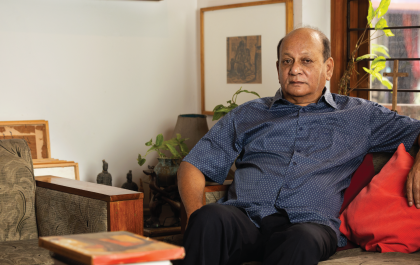
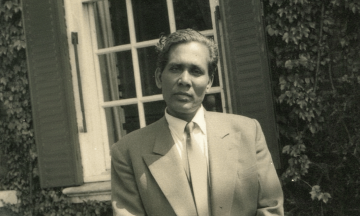
Designed by the renowned architect and sculptor Syed Mainul Hossain, the National Martyrs’ Monument is a masterpiece that seamlessly blends modern architectural aesthetics with deep symbolic meaning. Hossain’s vision was to create a structure that transcended mere commemoration, transforming into an emblem of national pride and unity. The monument’s design features a series of angular, abstract forms that appear to thrust upward, symbolizing hope, resilience, and the ascension of a nation reborn from the ashes of conflict. These dynamic shapes evoke the imagery of a rising phoenix, a powerful metaphor for Bangladesh’s emergence from the devastation of war into a future filled with promise.
The inspiration behind the monument is rooted in the collective memory of the Liberation War – a period marked by extraordinary sacrifices and the relentless pursuit of self-determination. Each element of the structure is thoughtfully crafted to reflect the profound themes of sacrifice, courage, and renewal. The sharp, ascending lines of the monument not only represent the physical loss endured by the martyrs but also embody the spirit of perseverance that propelled the nation toward freedom. Hossain’s work captures the emotional intensity of that era, inviting viewers to pause and reflect on the immense sacrifices made for the birth of a sovereign state.
Constructed over several years following the war, the National Martyrs’ Monument quickly became a focal point for national remembrance and civic pride. It is not merely an architectural marvel but also a vibrant space where annual memorial ceremonies are held, drawing citizens from all walks of life to honor the heroes of 1971. The monument’s minimalist yet powerful design has resonated deeply with the people of Bangladesh, inspiring a sense of unity and shared identity. It serves as a constant reminder of the ideals for which so many laid down their lives – a beacon of hope that continues to guide the nation.
Over the decades, the National Martyrs’ Monument has grown in stature to become one of Bangladesh’s most cherished landmarks. It has influenced artists, writers, and historians, all of whom find in its form a narrative of struggle, sacrifice, and ultimate triumph. The visionary work of Syed Mainul Hossain endures as a testament to the power of art and architecture in shaping collective memory and inspiring future generations. Today, as visitors from across the nation and around the world come to pay their respects, the monument stands as a poignant symbol of the enduring legacy of the martyrs – a legacy that continues to illuminate the path toward peace, unity, and progress for Bangladesh.
Sangsaptak: a monument of resilience and remembrance at Jahangirnagar University
Standing proudly in front of the central library at Jahangirnagar University, the 15-foot-high bronze sculpture Sangsaptak is much more than a striking piece of art – it is a moving tribute to the valor and sacrifice of Bangladesh’s freedom fighters during the Liberation War of 1971. Installed in 1990, this remarkable monument was crafted by the esteemed sculptor Hamiduzzaman Khan, whose visionary work has significantly contributed to the preservation of the nation’s historical and cultural narrative.
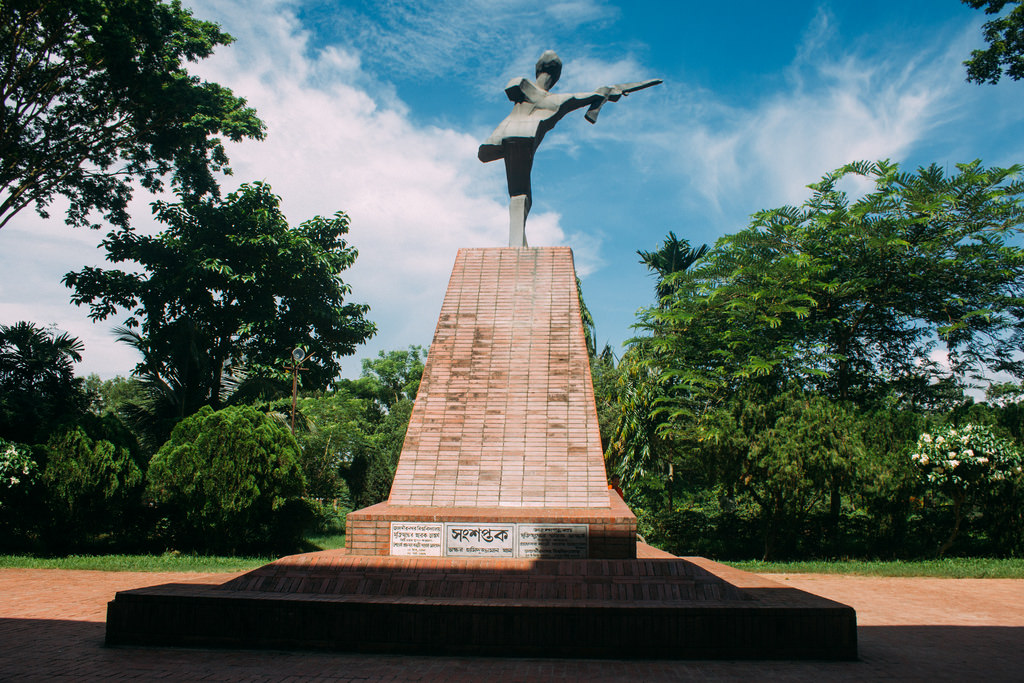
The name Sangsaptak, which translates to “The Loyal Soldier,” encapsulates the unwavering determination and resilience of those who fought for Bangladesh’s independence. The sculpture vividly depicts a valiant freedom fighter, undeterred even after losing his left hand and lower left limb. This portrayal is a poignant reminder of the profound sacrifices made during one of the most tumultuous periods in the nation’s history. The figure, with its dynamic stance and expressive detail, embodies the spirit of perseverance – a quality that continues to inspire and resonate with viewers today.
Hamiduzzaman Khan, a luminary in the realm of Bangladeshi sculpture, sought through Sangsaptak to capture the essence of the liberation struggle. His artistic vision was not merely to commemorate the past but to also ignite a sense of pride, patriotism, and hope among future generations. Through this evocative piece, Khan has successfully bridged the gap between historical memory and contemporary consciousness, ensuring that the stories of courage and sacrifice remain alive in the collective memory of the nation.
Strategically placed in front of the central library at Jahangirnagar University, Sangsaptak serves as a daily reminder to students, faculty, and visitors of the immense cost of freedom. The location itself enhances the sculpture’s impact – nestled among academic pursuits, it encourages introspection about history and the values that have shaped modern Bangladesh. The sculpture not only enhances the aesthetic landscape of the campus but also acts as a cornerstone of cultural and historical identity, nurturing a sense of belonging and national pride.
Beyond its physical beauty, the symbolism embedded in Sangsaptak runs deep. The image of a maimed yet undeterred soldier speaks to the resilience in the face of adversity, a theme that is central to the narrative of Bangladesh’s fight for independence. It is a representation of the nation’s collective spirit – undaunted and ever-striving for self-determination, despite the sacrifices and hardships endured along the way. Each brush of the sculptor’s chisel reflects the emotional intensity of that period, transforming the monument into a visual poem of struggle and triumph.
In essence, Sangsaptak transcends its role as a mere sculpture. It is a living testament to the enduring spirit of a nation, urging all who encounter it to remember and honor the sacrifices made for freedom. As a symbol of resilience, determination, and hope, Sangsaptak continues to inspire not only the academic community at Jahangirnagar University but also every visitor who walks past its commanding presence – a constant reminder that the legacy of the past lights the way for the future.