

Celebrating Bangladesh’s iconic Language Movement sculptures, Part III
By Neha Shamim
As part of MW’s tribute to heritage, this segment is dedicated to the historical sculptors of Bangladesh, running until the 26th of March. Bengali art, a profound form of self-expression, has been a cornerstone of cultural identity since time immemorial. From ancient terracotta temples to contemporary murals, Bengalis have painted, sculpted, and carved their emotions into enduring masterpieces. Today, the younger generation carries on this legacy, turning city walls into vibrant canvases that reflect their dreams, struggles, and aspirations.
Among the myriad sculptures that stand as testaments to the resilience and creativity of the Bengali spirit, two works are particularly iconic: Shaheed Minar and Amar Ekushey. These sculptures, rich in historical significance and artistic merit, inspire generations to honor the sacrifices and achievements of their forebears.
The Shaheed Minar: A symbol of sacrifice and pride
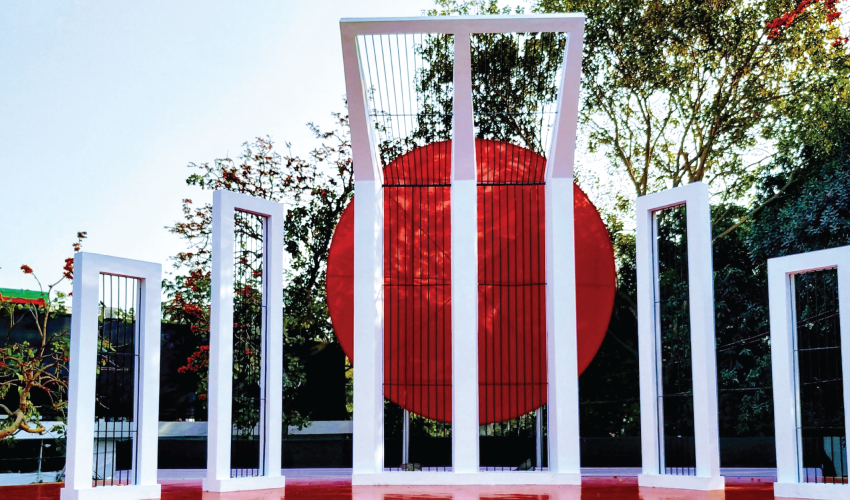
The Shaheed Minar stands as a solemn and powerful reminder of the sacrifices made for the preservation of the Bengali language. Located in the heart of Dhaka, Bangladesh, it commemorates the martyrs of the 1952 Language Movement, a turning point in the nation’s history that ultimately shaped the cultural and political identity of the country.
The Shaheed Minar is situated near Dhaka Medical College, close to the University of Dhaka and Ramna Park. Its central location makes it a key landmark in Dhaka, drawing thousands of visitors each year, especially on February 21, now celebrated globally as International Mother Language Day.
The roots of the Shaheed Minar lie in the Bengali Language Movement, which began in the late 1940s when the then-Pakistani government sought to impose Urdu as the sole state language. This decision faced fierce resistance from the people of East Pakistan (now Bangladesh), where the majority spoke Bengali.
On February 21, 1952, a peaceful protest by students and activists in Dhaka turned deadly when police opened fire on demonstrators, killing several young men, including Salam, Rafiq, Barkat, Jabbar, and others. Their sacrifice became a symbol of the people’s unwavering determination to protect their language and culture.
The first Shaheed Minar was constructed within days of the 1952 tragedy by students of Dhaka Medical College. However, it was soon demolished by the government. In 1957, the construction of a new Shaheed Minar was initiated based on a design by renowned architect Hamidur Rahman. The design was inspired by the mother and children motif, symbolizing the grief and resilience of a mother who has lost her children.
The structure consists of a central column with curved arches and standing columns, symbolizing the mother embracing her fallen sons. Surrounding the monument are circular murals and motifs, reflecting the nation’s deep cultural roots and the ongoing struggle for freedom.
The Shaheed Minar was sculpted to honor the martyrs of February 21, 1952, and to serve as a lasting reminder of the importance of linguistic and cultural identity. It stands as a symbol of resistance against oppression and the love for one’s language and heritage. Over the years, the monument has become a place of pilgrimage, especially during Ekushey February, when people gather to pay homage to the martyrs by placing flowers at the base of the monument, walking barefoot as a mark of respect.
In 1999, UNESCO declared February 21 as International Mother Language Day, recognizing the global importance of linguistic diversity and cultural heritage. The Shaheed Minar continues to be a central part of Bangladesh’s national identity and a symbol of the country’s struggles and achievements.
This monument, more than just a structure, embodies the spirit of those who gave their lives for the right to speak their mother tongue. It reminds every visitor of the power of language and the sacrifices made to protect it.
Amar Ekushey sculpture: A monument to Language Martyrs
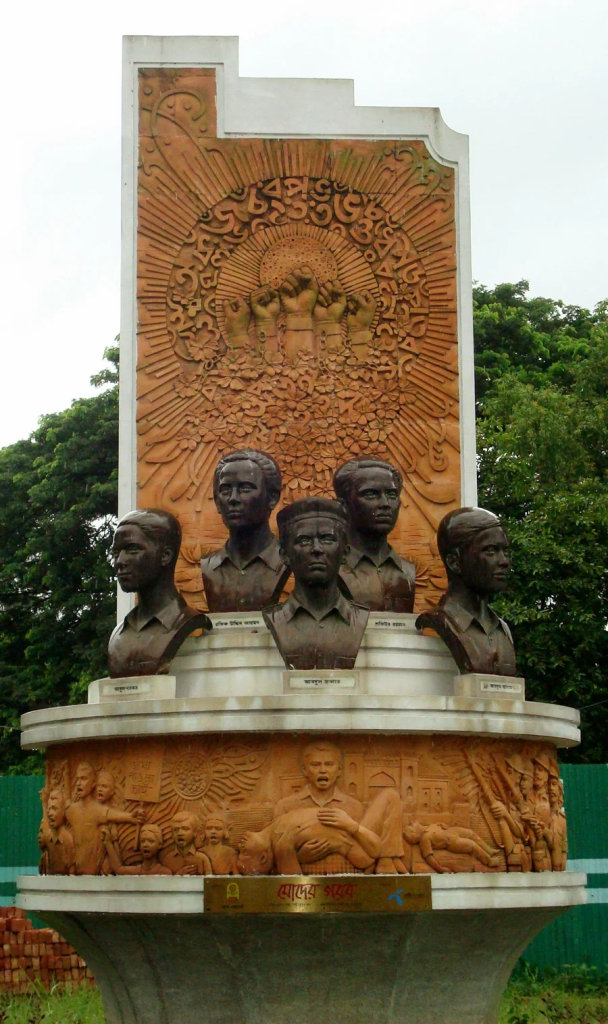
The Amar Ekushey Sculpture, located on the campus of University of Dhaka, is one of the most significant symbols of the Bengali Language Movement of 1952. It serves as a powerful reminder of the sacrifices made for the right to speak the Bengali language.
The Amar Ekushey Sculpture is situated in front of the Arts Faculty building at the University of Dhaka, Bangladesh. It is one of the most iconic landmarks on the campus and a prominent symbol of Bengali nationalism and cultural identity.
Let’s dive into history – the Language Movement of 1952 was a defining moment in the history of Bangladesh. When the Pakistani government declared Urdu as the only state language, protests erupted across East Pakistan (now Bangladesh). On February 21, 1952, students and activists gathered in Dhaka to demand the recognition of Bengali as an official language.
The peaceful protests turned violent when police opened fire, killing several demonstrators, including Salam, Rafiq, Barkat, Jabbar, and others. Their sacrifices became the foundation of the Language Movement, which eventually led to the recognition of Bengali as one of the state languages of Pakistan.
The Amar Ekushey Sculpture was inspired by the martyrs of the Language Movement and symbolizes the eternal struggle for freedom of expression and cultural identity. The sculpture features a group of figures, each representing the spirit of those who sacrificed their lives.
The design represents unity, courage, and resilience, portraying men and women standing together in defiance against oppression.
The Amar Ekushey Sculpture was created by Hamidur Rahman, a renowned Bangladeshi sculptor and artist, in collaboration with Novera Ahmed, one of the pioneers of modern sculpture in Bangladesh. Their vision was to create a symbolic monument that would not only commemorate the martyrs but also inspire future generations to preserve their cultural heritage.
The sculpture was created to commemorate the language martyrs and their sacrifices on February 21, 1952. It serves as a symbol of resistance, cultural pride, and the right to one’s linguistic identity. The Amar Ekushey Sculpture holds special significance during the Amar Ekushey observance on February 21, which is now recognized internationally as International Mother Language Day. People gather around the sculpture to offer flowers, pay tribute, and remember the martyrs who gave their lives for their mother tongue.