


By Neha Shamim
If you have been feeling like fashion has gotten a little boring lately, you are not alone. Everywhere you look, people are dressed in the same muted tones, the same crisp silhouettes, the same understated elegance. It is not your imagination. For the last couple of years, the quiet luxury trend has reigned supreme. Think cashmere in beige, logo-free handbags, and trousers tailored so precisely they look like they belong in a perfectly curated showroom. It is as if everyone is following the same template and, in the process, losing the spark of authenticity and individualism that once made personal style so compelling.
However, as we stepped into 2025, something interesting happened. That perfectly pressed and hushed world of minimalism started to crack. The pendulum swung in the opposite direction, and suddenly loud luxury returned to the spotlight. This was unapologetic fashion dripping in statement pieces. Logos came back in full force. Fur coats, both faux and real, swept across runways and social media feeds. Designers splashed bold colors onto their collections as if someone had just flung open the paint box. After seasons of beige on beige, this was a much-needed jolt of energy.
For a while, it seemed like we were heading toward a more playful and individualistic fashion era. People were once again experimenting with unexpected color pairings, mixing damask with tartan, and stacking accessories that told their own story. But then, the economy decided to change the mood.
When Wall Street Meets Your Wardrobe
Months into 2025, the US stock market began to stumble in a way that caught global attention. It was not a gentle shift but a sharp jolt that instantly altered the mood of the fashion scene. Minimalism chic, the polished, restrained elegance that had been everywhere, evaporated almost overnight.
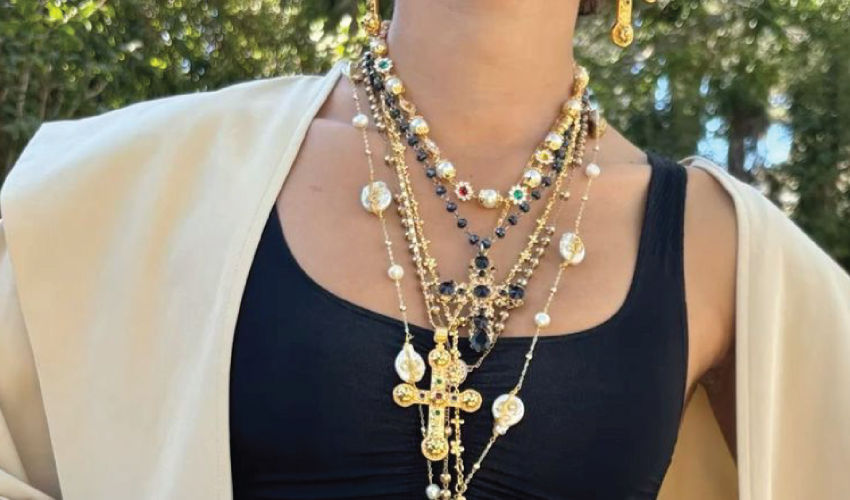
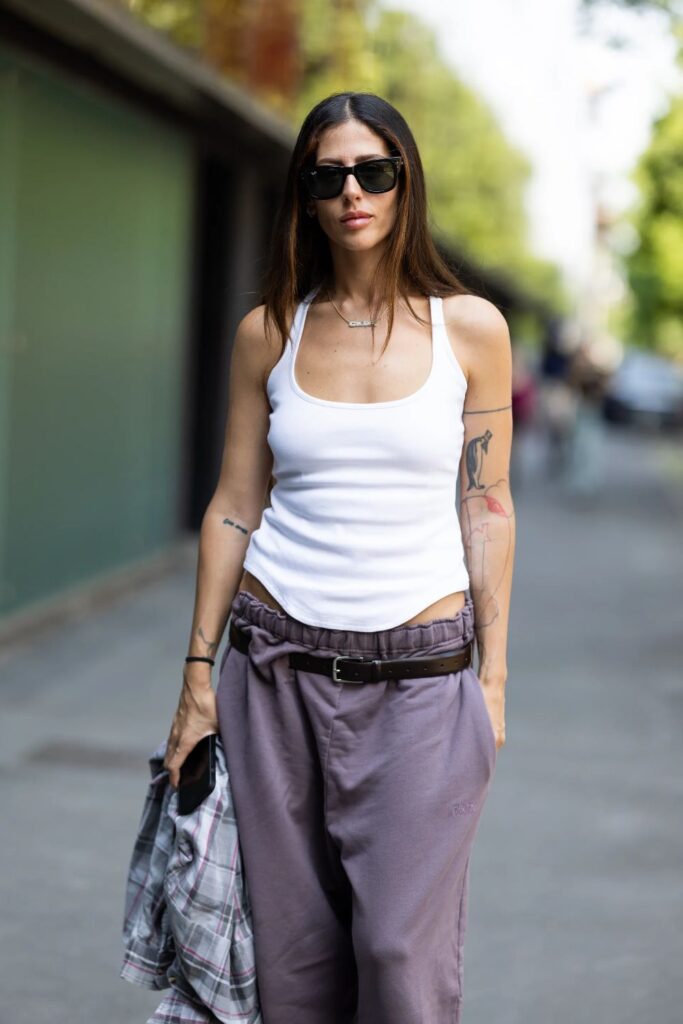
In its place came a new kind of dressing: plain, almost basic clothing, but styled to the extreme with accessories. The uniform became simple tank tops, easy trousers, skirts, or slip dresses in muted tones, but layered with chunky statement jewelry, stacks of bangles, oversized earrings, and playful labubu charms hanging from bags. The clothes were stripped back, but the accessorizing was louder than ever.
Street style feeds were suddenly full of maximalist necklines dripping with metal and beads, hands heavy with rings, and belts, scarves, and hair clips used all at once. The approach was clear, keep the base simple so the accessories can go wild. It is a shift that has turned even the most casual outfits into walking mood boards of personality and quirk.
Fashion works like a pendulum. It moves between extremes. The glamour of the roaring twenties gave way to the thrift and practicality of the Great Depression. The minimalism of the nineties was followed by the logo-heavy energy of the early 2000s. We have seen this rhythm play out for decades, but the pace today is much faster thanks to social media.
Platforms like TikTok and Instagram do not just display trends, they accelerate them. What once took years to change can now shift within months. The movement from quiet luxury to loud luxury to Recession Core has happened in less than a year. With fashion responding to economic shifts in real time, even a stock market headline can be as influential as a celebrity street style photo.
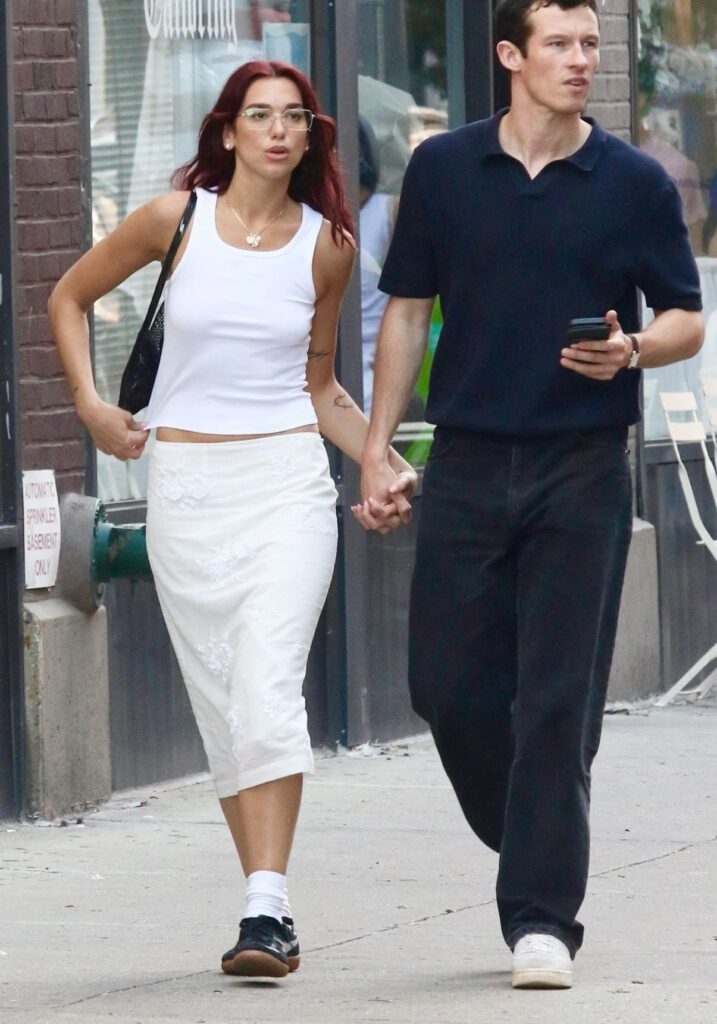
In this rapid cycle, there is a noticeable sameness emerging. Many people find themselves following the same trending colors and styles, with butter yellow, powder pink, and soft blue appearing repeatedly across feeds. At the same time, the ever-present beige remains a reliable choice for those who prefer understated elegance. Influencers often appear in similar outfits, accessorized with viral jewelry and styled in what has become a recognizable “effortless” aesthetic.
The Crystal Ball Question
So where does fashion go from here? If history is any guide, minimalism will not last forever. People eventually tire of blending in. It often starts with small acts of rebellion such as a statement shoe or a brightly colored bag before building into a wave of maximalism.
Generation Z may be the driving force in the next swing. They are already known for breaking the so-called rules of fashion, mixing vintage finds with high-end statement pieces, and pairing the unexpected simply because they can. They are comfortable existing between categories, wearing a quiet luxury blazer one day and sequins with sandals the next. This versatility could define the rest of the decade.
This in-between moment in fashion may feel uncertain, but it offers a welcome freedom. With no single trend dominating, you can effortlessly move between quiet luxury and bold statements, making each day your own. It’s also a perfect time to shop thoughtfully, investing in pieces that truly reflect your personal style, whether that’s a timeless butter yellow knit or a unique vintage coat. Ultimately, fashion is about telling your story through what you wear, and in a changing world, authentic self-expression remains timeless.
Photo Source: Courtesy