


Managing weight during celebrations
By Ayman Anika
Weddings, family get-togethers, religious holidays, and cultural festivals—these moments often revolve around food. Platters of fried delights, rich curries, sweet treats, and celebratory drinks mark the occasion with abundance and joy. But alongside the celebration often comes an unintended guest: weight gain.
Balancing enjoyment with health during festive periods doesn’t mean skipping your favourite dishes. With a few mindful shifts, it’s entirely possible to indulge without derailing your long-term wellness goals.
Understanding the nutritional imbalance
Festive meals are often rich in protein and fat, with an emphasis on red meats, fried foods, and sweets. These are typically accompanied by refined carbohydrates like white rice, white bread, and sugary drinks, while vegetables, fiber, and hydration tend to be sidelined. This imbalance can lead to sluggishness, bloating, and long-term weight gain if repeated frequently.
Rather than removing these foods, the goal is to rebalance the plate—ensuring variety, moderation, and awareness are central to how we eat.
Portion control and meal structuring
One of the easiest ways to manage festive eating is to rethink portion size. Instead of heaping your plate, start with modest portions of your favourites— you can always go back for more if you’re still hungry.
Avoid skipping earlier meals to “save space” for a feast. This often backfires, leading to overconsumption. A balanced breakfast rich in protein and fiber—like eggs, yogurt, or oats—can regulate hunger and blood sugar levels, helping you stay in control later in the day.
Eating slowly and taking breaks between bites allows your body time to register fullness, making it less likely you’ll overeat out of habit or excitement.
Don’t forget fiber and hydration
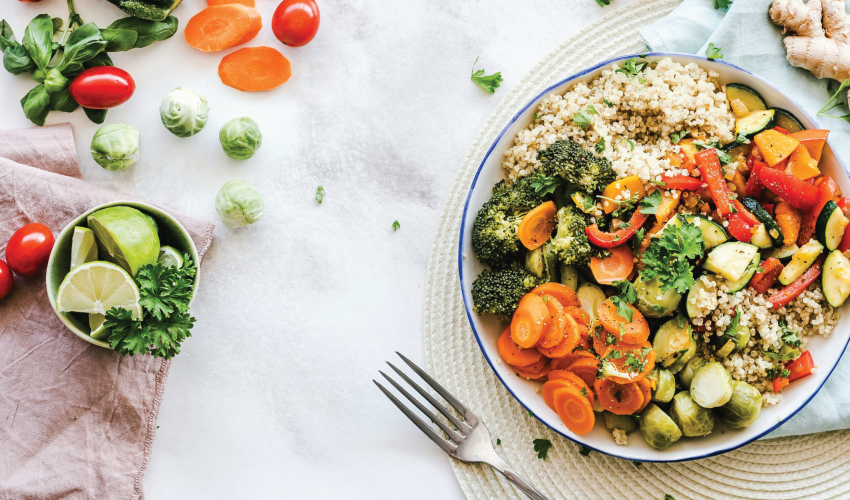
Heavy meals without fiber can strain the digestive system. Introducing simple side dishes like salads, lentil soups, sautéed vegetables, or brown rice can dramatically improve both digestion and satiety. These additions not only aid metabolism but also help balance out the richness of main dishes.
Hydration is another overlooked tool. Traditional festive drinks—like sugary sherbets, lassis, or carbonated beverages—can quickly add up in calories. Opting for plain water, lemon-infused water, or unsweetened tea helps keep digestion smooth and curbs unnecessary sugar intake. Often, what we mistake for hunger is actually thirst.

Photo Source: pexels-annushka-ahuja
Move a little, it helps a lot
You don’t need a gym session to stay active during busy holidays. Light movement—such as a walk after meals, helping with household tasks, or running errands—can aid digestion and prevent the slump that follows heavy meals.
Physical activity doesn’t have to be formal. Small, consistent movements throughout the day can support metabolism and help balance out occasional indulgences.
Managing desserts
Celebrations are incomplete without sweets, and they should be enjoyed—not feared. The key is moderation. Choose one dessert to savor, rather than sampling everything at once. If you’re hosting, consider offering some lighter alternatives like fresh fruit platters, yogurt parfaits, or desserts with less added sugar.
Festive sweets are meant to be shared and enjoyed, not binged on unconsciously. A little planning goes a long way in avoiding regret later.
Mind over mouth: Behavioral strategies
Eating is never just physical—it’s emotional, cultural, and social. Mindful eating involves being present during meals, paying attention to hunger cues, and recognizing when we’re eating out of habit rather than need.
Creating a visually balanced plate—half vegetables, one-quarter protein, and one-quarter carbs—can be a practical guideline even during buffets or informal gatherings.
Surrounding yourself with people who eat at a slower pace or who talk about the food (instead of just consuming it rapidly) can subtly encourage more mindful habits. Equally important is shifting the focus of the event: make conversations, prayers, music, or storytelling the center, not just the food.
No guilt, just balance
One or two indulgent meals won’t ruin your health—what matters is what you return to afterwards. There’s no need for crash diets or food guilt. Instead, ease back into regular routines: drink more water, eat more vegetables, get active again.
Celebrations are about joy, togetherness, and generosity—and that includes generosity toward yourself. Taking care of your body isn’t about punishment— it’s about respect.
Final thought
Whether it’s Eid, Puja, a family wedding, or a long-awaited reunion dinner, food will always be at the heart of our celebrations. The goal isn’t to eat less, but to eat smart. With small changes, conscious choices, and a balanced FEAST WITHOUT mindset, you can enjoy every bite—without carrying the weight of regret.