

A viral fashion moment that went out of control
By Neha Shamim
There was a time when luxury meant restraint. A linen shirt. A sculptural chair. An apartment that whispered, not screamed. Now? It shrieks. And that scream sounds a lot like Labubu.
If you’ve somehow been spared the horror, Labubu is a wide-eyed, snaggle-toothed vinyl creature that looks like a raccoon got lost in a Tim Burton sketchbook. Created by Hong Kong-based illustrator Kasing Lung, the character first emerged from his art series The Monsters, which was genuinely charming and darkly whimsical – until it fell into the hands of mass production.
Pop Mart, China’s reigning king of blind box collectibles, saw potential. And by potential, we mean dollar signs. Through aggressive marketing, limited-edition drops, and a healthy dose of manufactured scarcity, Labubu was reborn – not as a quirky art figure, but as a full-blown cultural virus. One that spreads fastest through TikTok unboxing videos and Instagram reels featuring girls with chrome nails and emotionally unavailable boyfriends.
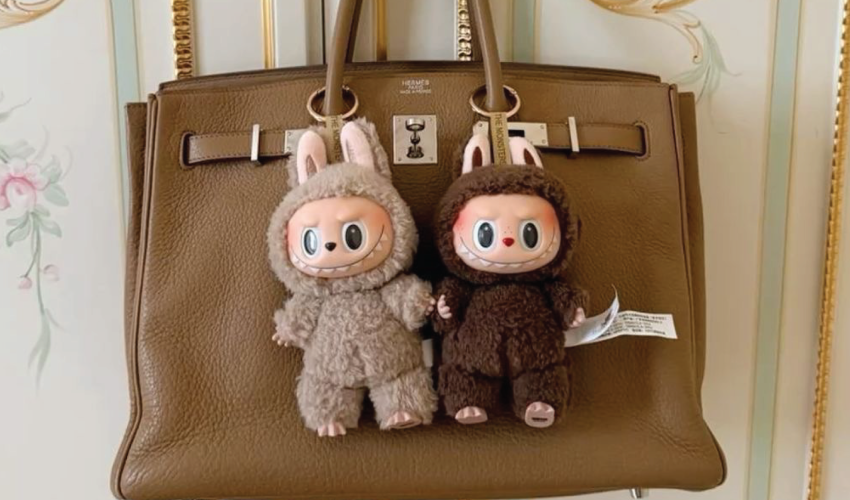
Labubu is now everywhere. Perched on minimalist desks, squatting inside Birkin bags, posed next to luxury skincare like a cursed totem of consumerism. And no one seems to find this alarming.
Aesthetically, it’s chaos. Imagine Marie Kondo’s worst nightmare. One minute you’re in a clean-girl neutral fantasy, the next you’re staring at a neon-pink Labubu in a wizard robe with devil horns. It’s like inviting cursed energy into your home and paying a premium for it.
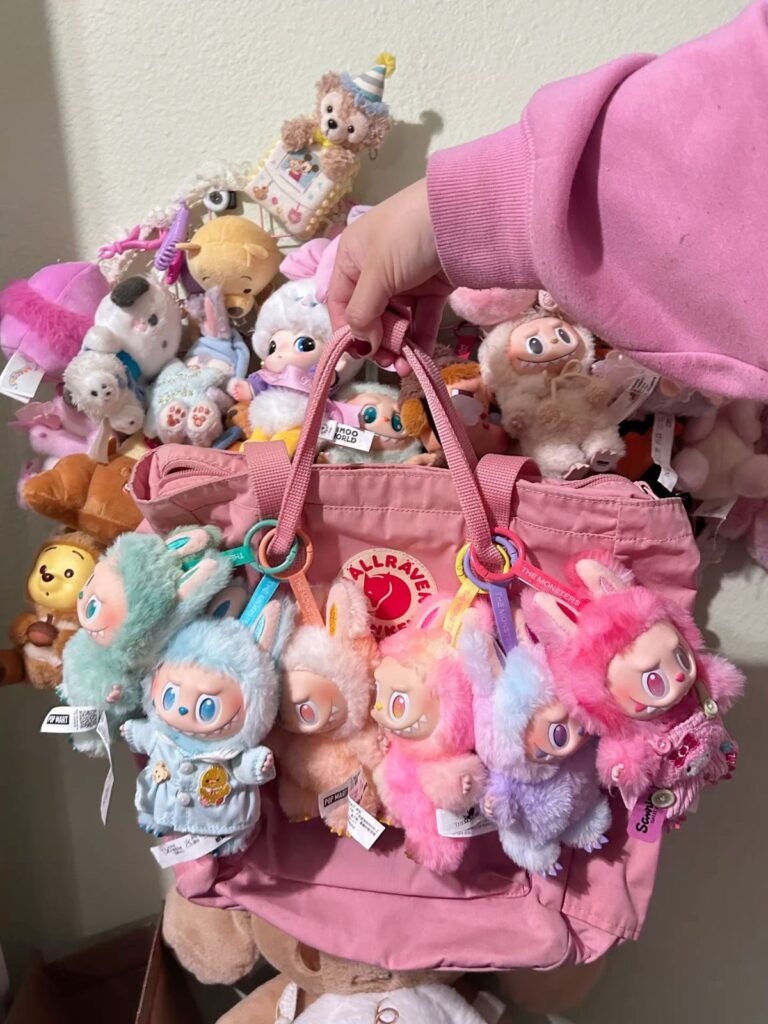
Let’s talk about price. These things retail at reasonable-enough rates – until they sell out. Then the resale begins. Limited-edition Labubus (yes, that’s the plural we’re going with) can fetch prices that rival your rent. There are entire Discord channels dedicated to “drop strategy,” emotional support threads for buyers who missed out, and black-market meetups where people exchange them like Pokémon cards for adults with unresolved trauma.
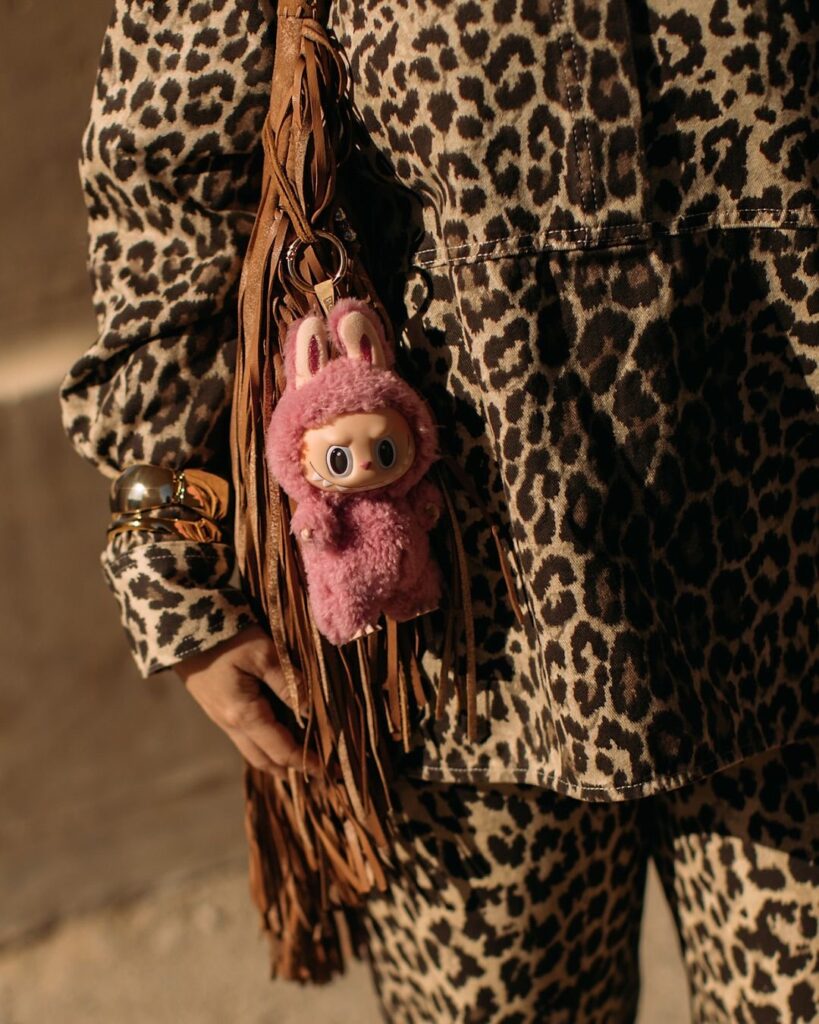
The worst part? People treat it like a personality. Entire bios now read: “Plant mom. Aries. Labubu collector.” Brands are taking notes. Fashion shoots are styling Labubu with luxury bags. Even streetwear influencers have begun casually dangling these gremlins from belt loops like cursed Tamagotchis.
And the aesthetic? Somehow both too much and not enough. It wants to be kitsch but lands in uncanny valley. It wants to be art but feels like a mass-produced cry for help. Every new drop tries harder – pastel nurses, gothic vampires, frog suits – but the effect is the same: confusion, hysteria, and thousands of people ready to camp in virtual queues just for a 1-in-12 chance of snagging one.
Is it nostalgia? Perhaps. Labubu triggers something primal – childlike wonder mixed with mild terror. But more than that, it taps into the collective urge to own something weird, rare, and absolutely unnecessary.
And that’s what makes Labubu dangerous. It’s not just a toy – it’s a symbol of post-minimalist madness. It represents a generation that grew tired of restraint, embraced chaos, and now finds joy in hoarding limited-edition goblins in little hats.
Minimalism, once a sacred design language, has now been buried under 400 grams of vinyl and a faux-fur hoodie. And all we got in return is Labubu.
Photo Source: Courtesy