



By Abak Hussain
Every language has a word or two that are said to be untranslatable, but essential to the culture of the language who speak it. These words speak to a certain conception of happiness and wellbeing, and have in turn been packaged and exported in the form of books and merchandising to counter the day to day malaise of modern life. The Swedish have “fika” which refers to a coffee break, but is actually about so much more. Then there is the Japanese concept of “wabi sabi” which tells us to find beauty in imperfection. One of the most popular of these lifestyle movements is the Danish art of hygge, which has been around for a long time, but in the last decade or so has reached new heights of popularity, propelled by Meik Wiking’s book The Little Book of Hygge which was published in 2016.
The book is now as omnipresent in bookstores as Harry Potter, and is dispensed even at drugstores and convenient stores – it works as a coffee table book or as the perfect gift. It is also one of those aesthetically pleasing volumes that is perhaps bought and thumbed through for the pretty pictures more than actually read. No doubt, both in the bustling touristy streets of Copenhagen and all around the world, hygge is a selling point. People are hungry for hygge, and so along with books, there are hygge tote bags, postcards, desserts, fridge magnets, t-shirts, and pretty much anything else. Beneath all the marketing though, it is hard to deny that the Danish are doing something right. What is it, and what can we learn from them?
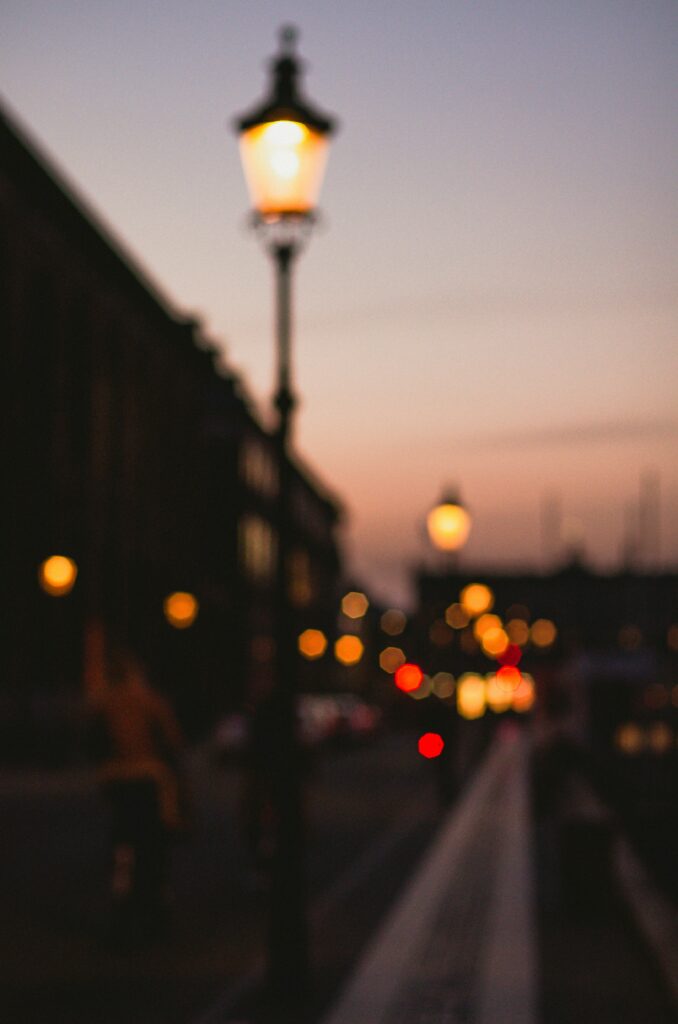
Photo Source: Mariia Yesionova
Nordic happiness
The Nordic countries, which encompass Sweden, Norway, Denmark, Finland, and Iceland consistently rank as some of the “happiest” countries in the world. There are some obvious reasons for this – they are prosperous countries with strong social safety nets. Quality of life is high, and there is a high degree of regional cooperation. Still, each country has its own language and culture though they share a common Nordic DNA. It is Denmark more than the others which embraces the concept of hygge, whether as a cultural reflex, or sometimes quite consciously. There is a relaxed and welcoming warmth in the vibe of Copenhagen which is distinctly Danish, and while Nordic culture often gets thought of as cold and impersonal, the Danes are best at doing hygge – it is in a certain manner of behaviour, in the aesthetic, in the interior decorations, and in the taste of the food.
The soft light for the right mood
For many of us, the light switch is just something we turn on or off depending on how dark it is outside. Many homes and offices are awash in the glare of a harsh white light, perfectly utilitarian and devoid of comfort. But hygge lighting is all about pockets of light placed around the room. The Danish generally do not light a single bright light illuminating everything, but little lamps or candles placed throughout the room. Photographers have long understood the importance of lighting in altering not just the visual aesthetic of a setting, but the whole mood, so hygge lighting is almost something sacred. Imagine sitting by the fireplace on a cold winter day with a cup of hot chocolate and surrounded by good friends, the flames flickering as you watch the play of light and shadow across the bookshelves. That warm, safe, cozy feeling is the feeling of hygge. Here in Bangladesh, of course, it is hot most of the year, and even the winters are brief and not too punishing so we generally have no need for fireplaces in our culture. But still, the candle industry is doing better than ever, and while the energy-saving light bulbs with their harsh white lights sell the most, many establishments like cafes and restaurants are paying attention to the importance of lighting. Again, prosperity is what makes all of this possible – it is hard to focus on the aesthetics of light if you are struggling to put food on the table, and Denmark is per capita one of the richest nations in the world. In gift shops around Denmark you will find “hygge lamps” – another ingenious piece of national branding, but it should come as no surprise that even the cheapest ones are quite expensive.
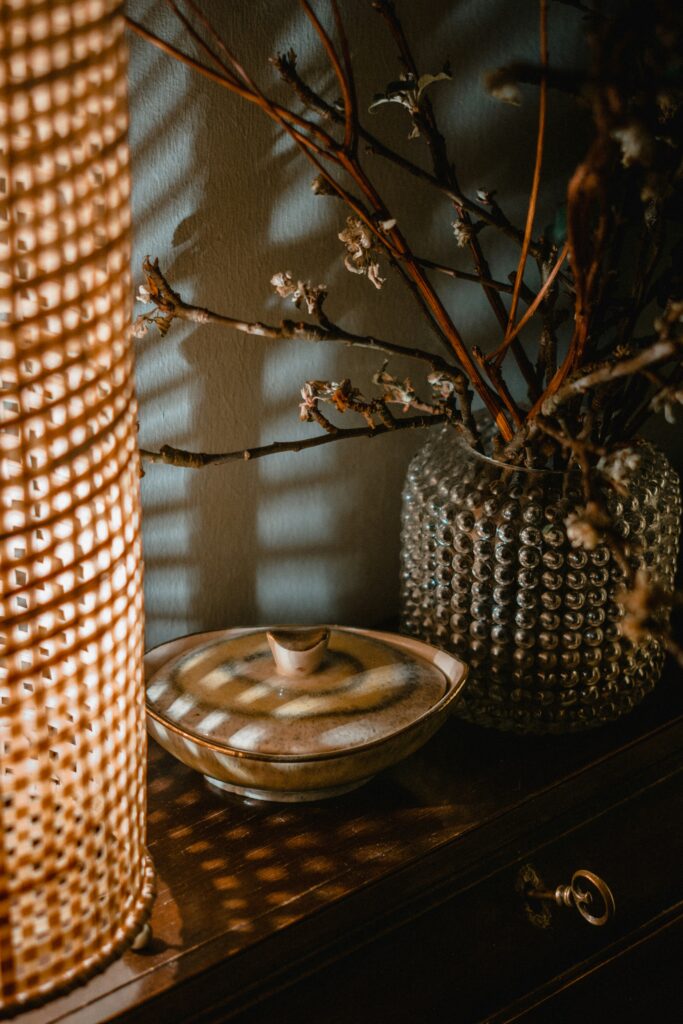
Photo Source: Florian Weichelt
That cozy feeling
Denmark’s prosperity allows it to focus on liveability, happiness, and a certain aesthetic around Copenhagen and the surrounding countryside. Meik Wiking writes: “In Copenhagen, almost all buildings stand only three or four storeys high. New houses made out of concrete, glass, and steel do not stand a chance against the hygge-factor in these old buildings.” There seems to be here, certainly, a spirit of caring for things that last, and a value placed on how beautiful or walkable your city is. Copenhagen is a city beloved by tourists and is jam-packed with Instagrammable spots. One wonders why so many old structures have not been torn down yet to make way for ugly modern highrises? Certainly they would have been, if relentless growth had been the only consideration of the government and city planners. But instead, we see a focus on public parks, accessible canals and waterways, walkable squares and spacious footpaths, and an abundance of hygge-lit bars, cafes, and restaurants. The city feels welcoming, like a warm hug – when you look out onto the iconic view of the houses at Nyhavn, you know you have the same view that Hans Christian Anderson did when he was writing his classics. This gives a snug feeling of community – beyond just your immediate friends, and across time. The world starts to feel like a safe space, and that’s hygge in the heart.
Abak Hussain is Contributing Editor at MW Bangladesh.