


135 years on, Bangladesh marks Lalon’s legacy
By MWB Desk
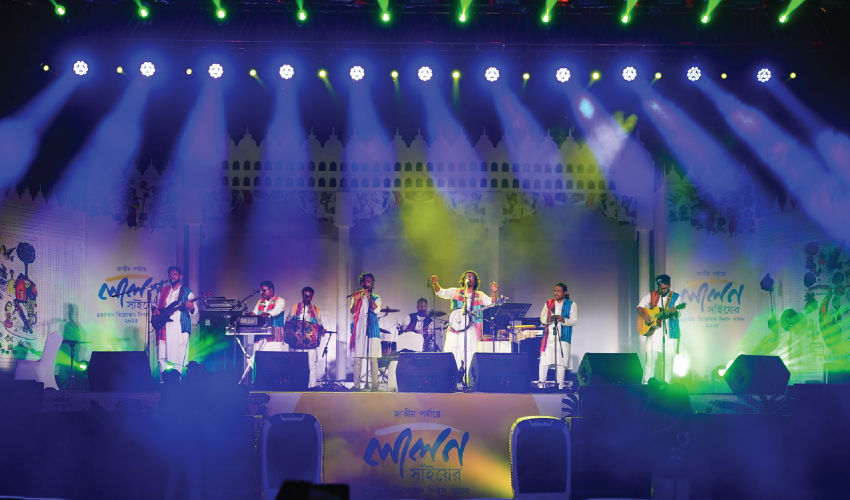
In October 2025, Bangladesh marked the 135th death anniversary of Fakir Lalon Shah—better known as Lalon—with a national‑level observance that widened the usual ritual into a statement of cultural identity. For the first time, the government declared the three‑day remembrance of Lalon’s passing “Category Ka”, elevating what has long been a regional festival into a nationwide occasion.
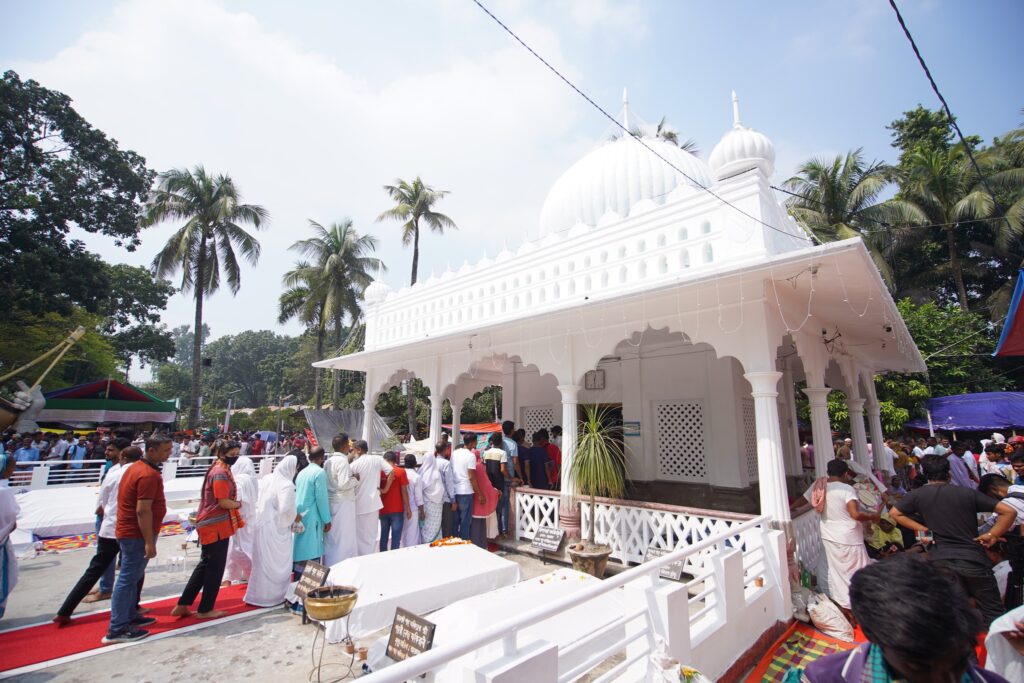
The setting was Cheuria, in Kumarkhali of Kushtia, at the holy grounds of Lalon Akhra. The Khulna and Cumilla districts, among others, held discussions and musical events simultaneously—a sign that Lalon’s message of humanity and spiritual freedom has become relevant across the map.
Lalon wasn’t just a folk singer. His songs, his philosophy, and his way of life challenged social boundaries: caste, religion, and ritualistic hierarchy. He demanded the human above the sectarian. In a brief video address at the opening, adviser for cultural affairs Mostofa Sarwar Farooki put it plainly: “If we see Lalon, we can see Bangladesh.”
The Gathering
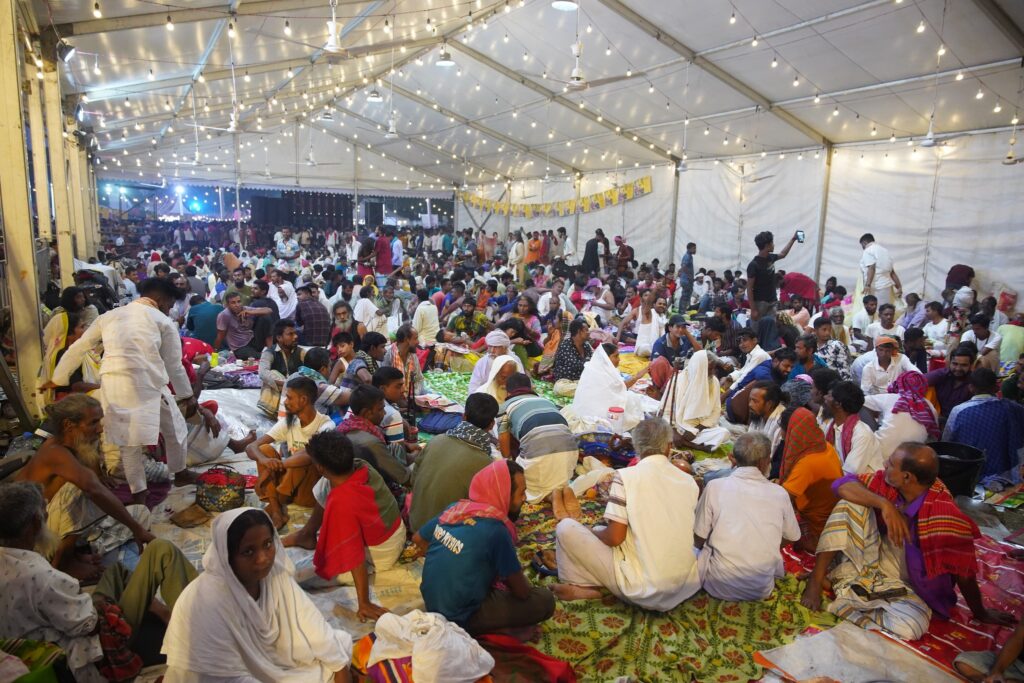
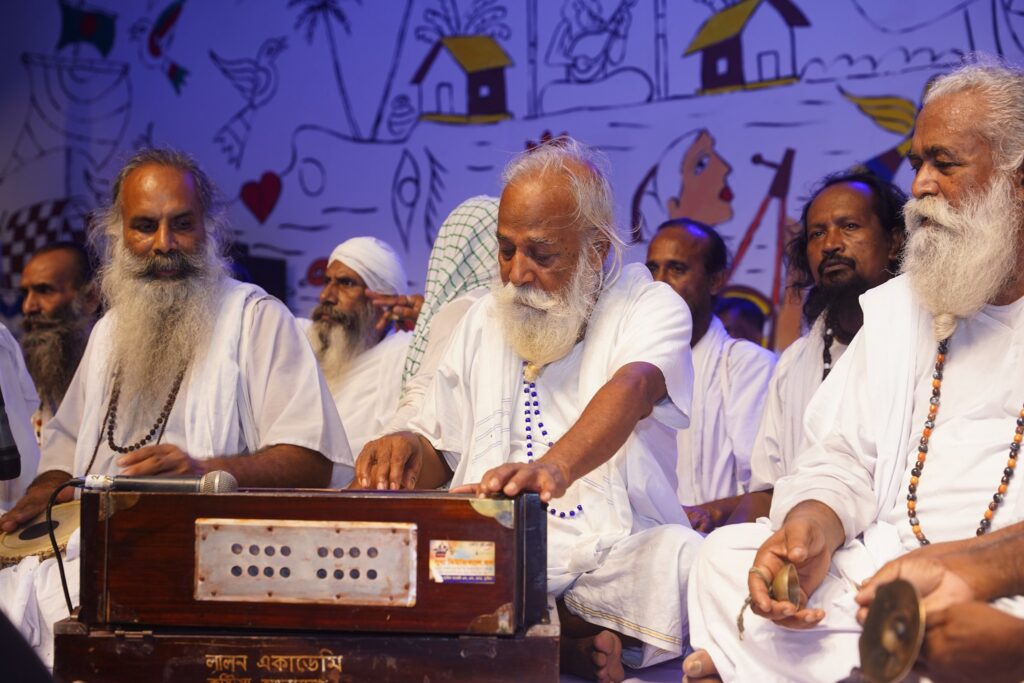
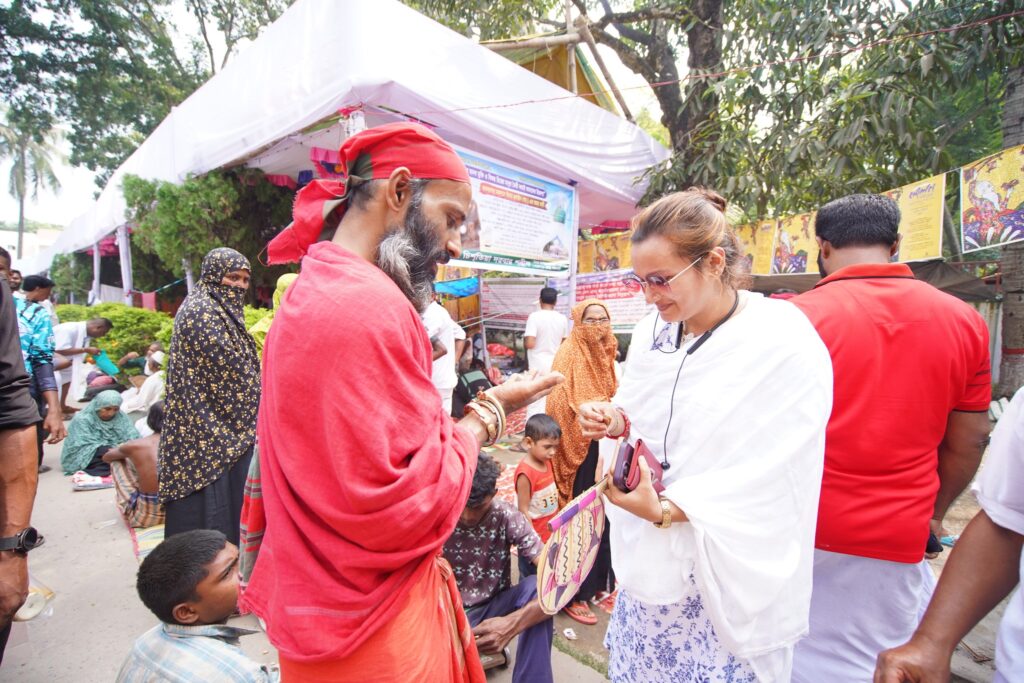
At the Akhra in Kushtia, thousands gathered—bauls, folk singers, scholars, students, visitors from the urban bustle and the rural deep. Makeshift stalls lined the riverbank of the Kali, shelters hosted overnight stays, and the sound of ektara and dotara re‑emerged through the night.
On one horizon, there was the academic perspective—sessions on Lalon’s philosophy, his interest in freedom, inclusion, identity. In Khulna, the District Shilpakala Academy hosted a discussion meeting where the deputy commissioner stressed that Lalon is “a global spiritual icon”, not restricted to folklore.
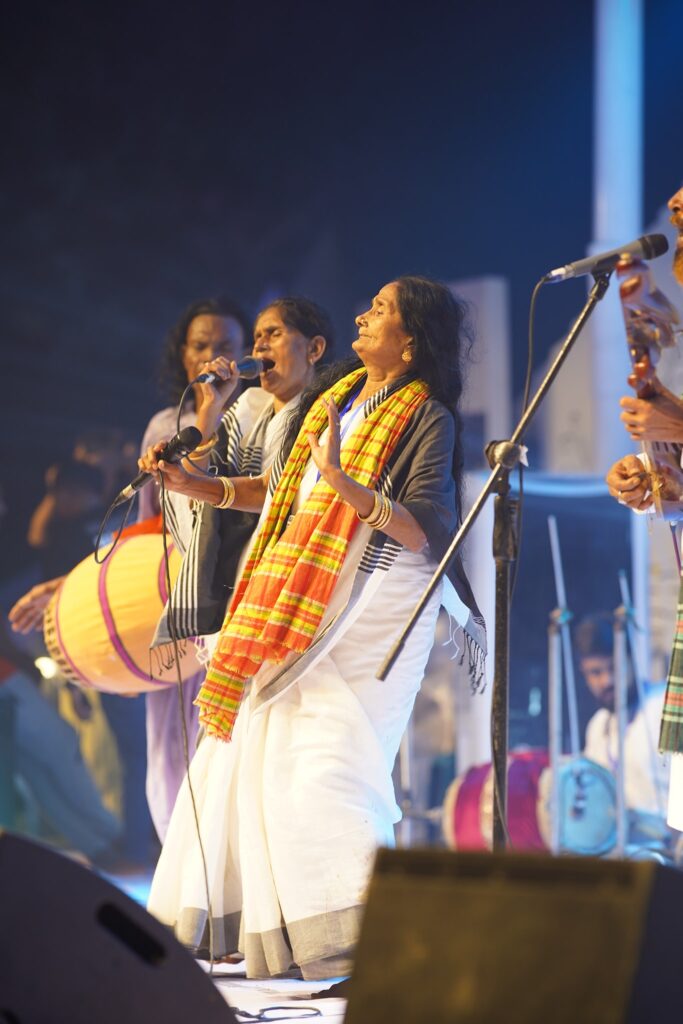
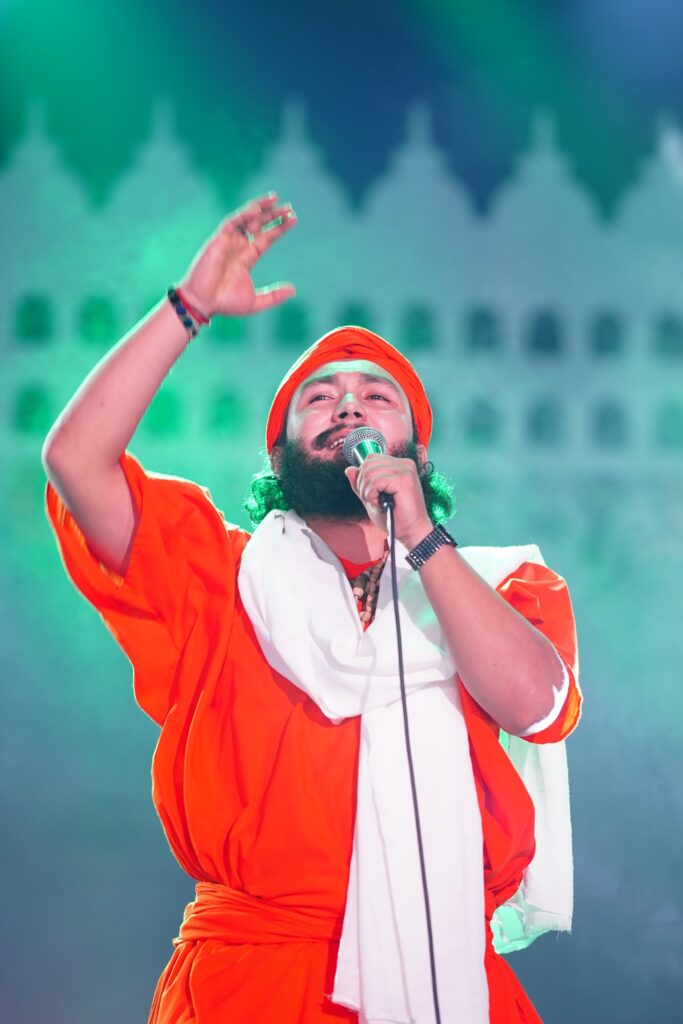
On the other horizon, there was the music—the living tradition of Baul songs retelling Lalon’s lines: “Manush bhajele sonar manush hobi” (“If you love humans you will become a golden human”). Performers from across Bangladesh took the stage, reviving their voices in modern architecture and tracing new lines of meaning.
The Significance
What makes this year’s commemoration distinct is not just the scale but the intent. Lalon’s death anniversary has existed for decades in Kushtia, yet 2025 saw the government shifting it into the national calendar. That shift carries symbolic weight: recognition of folk culture, acknowledgement of a non‑sectarian spiritual tradition, and the framing of Lalon as more than folk heritage—rather, as cultural heritage.
It also suggests something deeper: the merging of memory and present need. In an age of divisions, Lalon’s insistence on humanity‑first resonates. At the opening ceremony, a scholar noted that “Lalon’s philosophy continues to spread the light of humanity across the world today.”
What It Means Going Forward
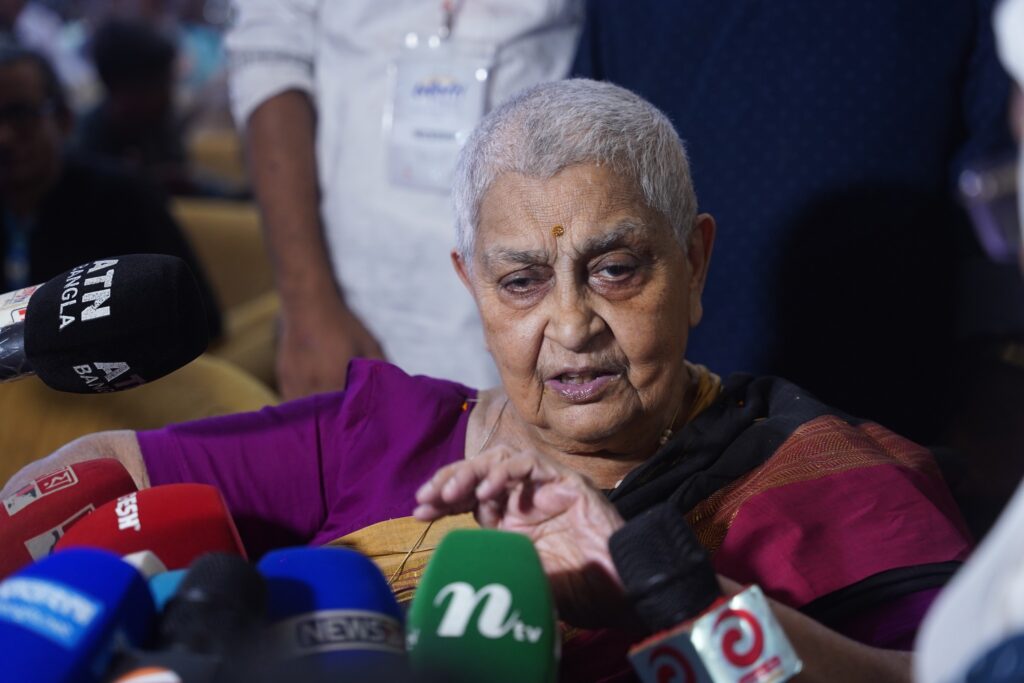
By declaring this festival nationally, there are expectations. Farouki said the national observance signals “a new chapter” and expects the scale of the celebration to grow. Plans have been voiced for a world‑class Lalon research centre at the Akhra site. These are signs that the commemoration is no longer just a ritual—it’s an institution in formation.
For the visitors, the message was practical: music and philosophy not simply to listen to, but to live by. The Baul song isn’t an art piece locked behind glass. These songs were performed outdoors, night after night, accessible to all. That accessibility echoes Lalon’s own outreach.
In the Everyday
And so, while the big festival is anchored in Kushtia, the ripple is nationwide. Schools in Dhaka, cultural centres in Cumilla, and even foreign missions in Dhaka took note. The Indian High Commission held a “Lalon Sandhya” musical evening—evidence that his reach crosses borders.
In homes and gatherings across the country, the observance invites a different kind of listening. It invites reflection rather than spectacle. It calls for noticing the lines that bind — not divide. It calls for remembering that a mystic from rural Bengal once talked of humans before labels.
The Quiet Continuation
It may be impossible to capture Lalon fully—his spirit cannot be contained in any ceremony. But this year, the scale, the tone, the intention all shifted. The 135th Tirodhan Dibosh wasn’t just a memorial—it was a reaffirmation: that culture, music, and ideas persist and evolve, and that even deep traditions can re‑emerge in fresh forms.
In the quiet dusk by the river in Kushtia, the chords of Baul songs rise and fall. They carry old lines, and new ears listen. A national day, an academic session, a riverbank gathering: all point to one thing. Lalon’s message is still here—if we choose to hear it.
Photo Source: Courtesy