


In conversation with Md Al Amin
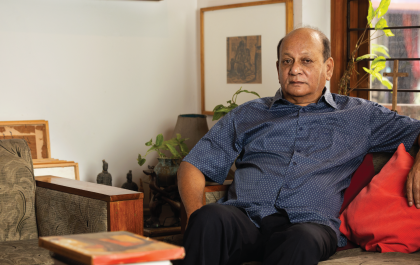
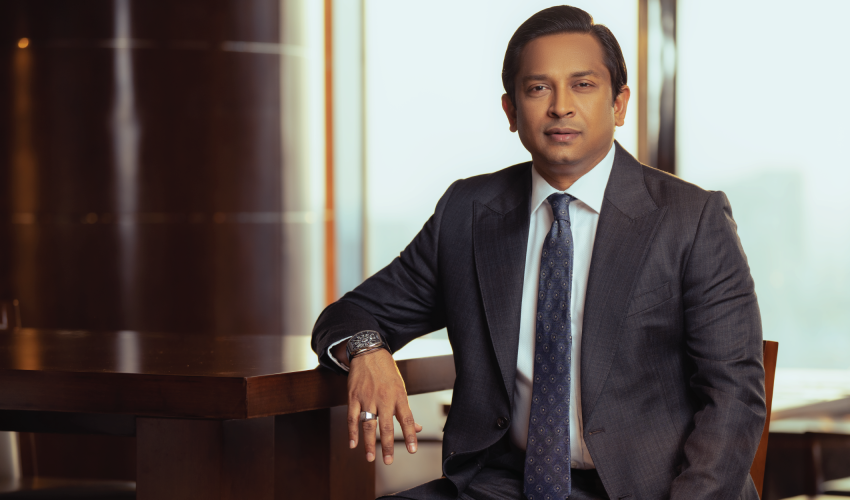
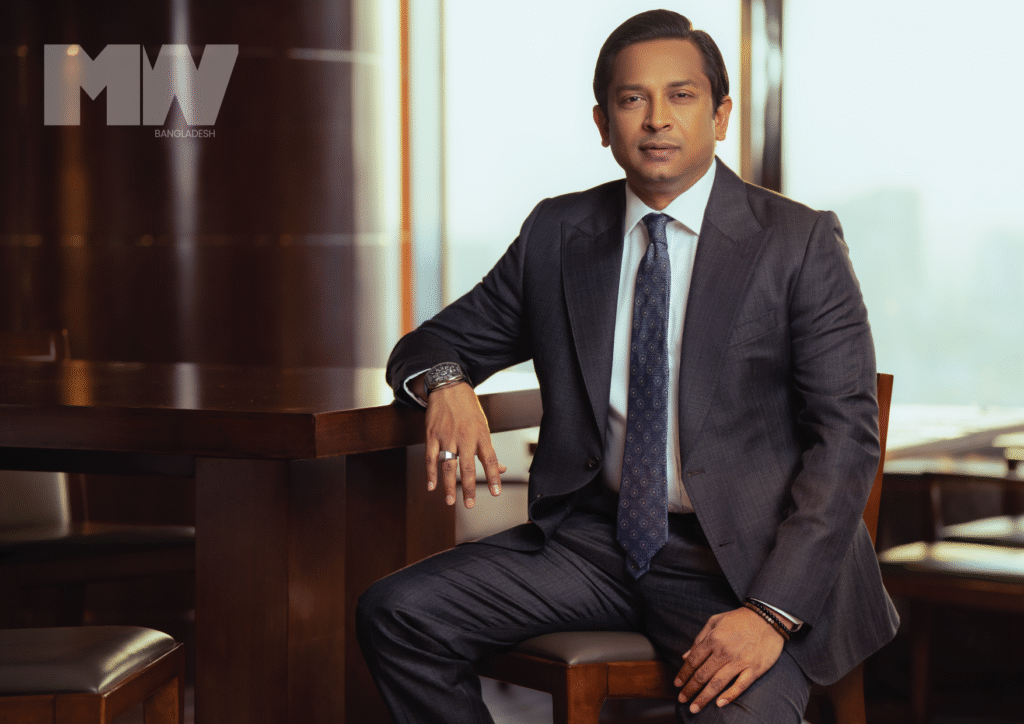
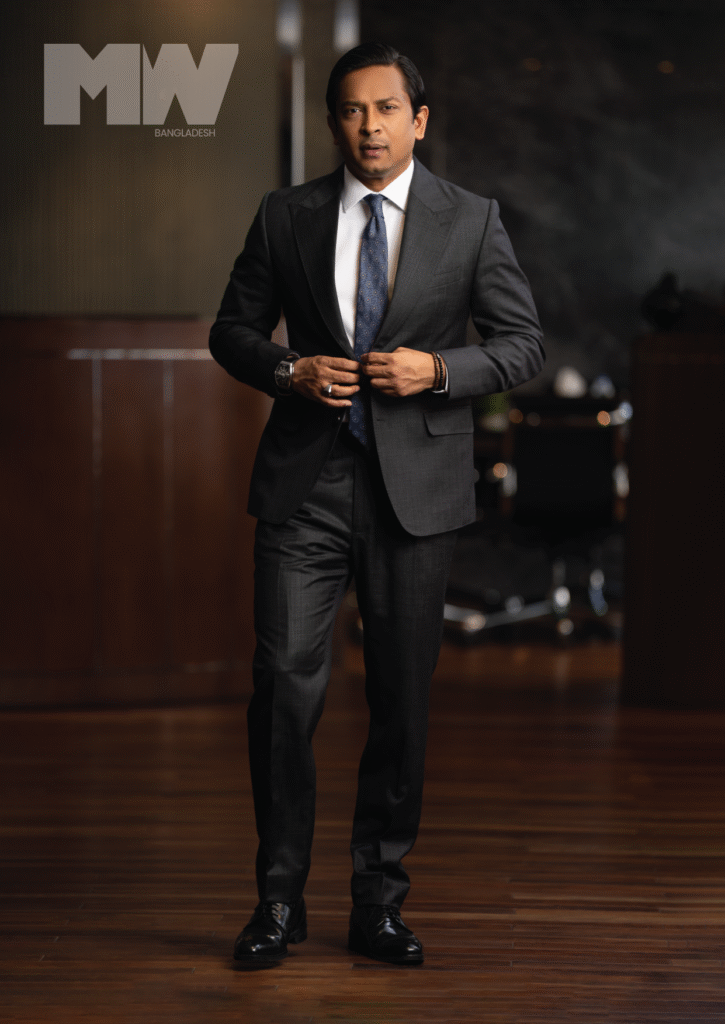
Al Amin is honored as the first Bangladeshi to lead a Marriott International property in South Asia, serving as the General Manager of Renaissance Dhaka Gulshan Hotel. With over 18 years of experience at renowned brands such as Pan Pacific, Westin, and Sheraton, he brings a rare balance of operational expertise and a people-centered approach. His remarkable journey stands as a significant milestone for Bangladesh’s hospitality industry, exemplifying how dedication, insight, and thoughtful leadership can inspire teams and elevate guest experiences.
As the first Bangladeshi to become General Manager of Marriott International in South Asia, your career spans multiple international hospitality brands. What challenges or experiences along the way shaped your growth as a leader?
I began my journey in hospitality back in 2008 with Pan Pacific and later had the opportunity to work with renowned brands such as Westin, which was part of Starwood before being acquired by Marriott in 2016. Over the years, I’ve worked across global brands including Westin, Sheraton, and Renaissance under the Marriott umbrella, and also gained experience with local boutique hotels like Six Seasons as General Manager. Being part of a pre-opening team, such as for Sheraton, was particularly formative. It allowed me to learn the intricacies of setting a hotel up for success from the ground up.
One of my first challenges was overcoming perceptions. In Bangladesh, international hotel GMs are typically expected to be foreign or very senior in age. I didn’t fit either category, so proving that a Bangladeshi could lead a global hotel brand was a significant hurdle. Similarly, managing a large team, sometimes nearly 900 people across multiple properties meant guiding individuals who were also adjusting to having a local leader in a role often held by foreigners.
Navigating these challenges required patience, resilience, and a consistent focus on doing the right work. I’ve always believed that if you maintain the right processes and a positive mindset, results will follow. I was fortunate to work with owners who valued performance over nationality and allowed me to grow through opportunities.
Finally, becoming General Manager was also a matter of timing and persistence. It took two years to align agreements with both ownership and brand, and while external circumstances delayed the process, I believe it happened in its own time as it was meant to. I hope my journey inspires other talented professionals in Bangladesh to pursue leadership roles in global hospitality—it’s never too late to make an impact.
In your leadership across flagship hotels, which strategies do you feel made the most lasting impact on your teams or the industry?
Every leader brings their own strengths, and I’m particularly proud of a few qualities that have shaped my journey. Positivity has always been central to my approach. In my two decades in hospitality, I’ve faced many challenges from joining Six Seasons Hotel during a critical stage of its development to navigating the uncertainties of COVID-19. During such moments, maintaining a positive mindset proved invaluable. Sports taught me an important lesson: “you may lose a game, but that doesn’t make you a loser.” Each day is a new opportunity, and positivity is contagious. It spreads through the team, fostering resilience, collaboration, and confidence.
Another key principle I follow is flexibility. There is no permanent strategy in business because dynamics are constantly changing. I’ve always believed in experimenting, learning, and adapting. Whether it’s refining a team’s workflow, adjusting investments, or trying new initiatives. While some experiments may not succeed, many create added value and reinforce a sense of achievement within the team. Celebrating successes, big or small is equally important, because success is never individual. As I often say, “You can have a billion-dollar strategy, but unless it’s executed properly, there’s no result. To execute it, alignment in your team is very important.”
Finally, I’ve always looked beyond our local environment. Observing global trends and competitors, and learning from both the successes and experiences of mentors and previous leaders, has been crucial. In Bangladesh, sometimes we tend to react a little later than elsewhere, but I try to embrace timely action, innovation, and being an early mover whenever possible. In essence, positivity, flexibility, teamwork, and learning from the best have been the strategies that shaped my leadership and created a lasting impact on my teams.
Over 18 years in hospitality, what key lessons have you learned, and how are you applying them now to elevate operations and guest experiences at Renaissance Dhaka Gulshan Hotel?
My career in hospitality began in business development and sales, where my focus was on bringing clients and generating revenue. Around 2018, I transitioned into operations, a move that gave me a new perspective on the business. In sales, the focus is on making promises to the guest; in operations, the focus is on fulfilling them. I quickly realized that sales and operations complement each other.
Through this transition, I learned that the customer is at the core of everything we do. Retaining loyal guests is just as important as attracting new ones. Understanding each guest’s expectations, background, preferences, and even their travel context allows us to tailor experiences that go beyond satisfaction and create lasting impressions. A guest might pay for a standard service, but by anticipating their needs and adding thoughtful touches, we aim to deliver value beyond what they expect, turning guests into advocates and ensuring long-term loyalty.
In operations, mistakes are inevitable, but how we respond makes all the difference. Timely and attentive service recovery often leaves a stronger impression than a flawless experience. At Renaissance Dhaka, we embed this philosophy in our culture training and mentoring associates to deliver excellence while separating personal emotions from their work.
We continually refine guest experiences, recognizing that the same guest may arrive with different moods or purposes. By observing trends, learning from competitors, and improving processes, we ensure every experience is thoughtful and memorable. Employees are the foundation of hospitality. Their development and engagement directly shape guest experiences. By combining operational excellence, understanding our guests, and investing in our people, Renaissance Dhaka consistently ranks among the top Marriott properties in Asia-Pacific—a standard we aim to uphold and build upon.
In an industry driven by both service excellence and commercial targets, how do you balance innovation with maintaining brand standards and guest expectations?
In any business, commercial targets are essential, but simply assigning targets isn’t enough. At Renaissance Dhaka, we provide our teams with all the tools they need training, uniforms, and logistics so they can succeed. Achieving results requires preparation and support, not just expectations.
Operations go beyond bringing in customers once; the real challenge is making them loyal. Guests should feel genuinely welcomed, and brand standards must be consistently maintained. Cleanliness, warmth, and attention to detail are non-negotiable, especially for guests exposed to luxury worldwide. They compare experiences across hotels, so it’s crucial that Renaissance Dhaka delivers the same quality they would expect in any other country.
Marriott provides clear brand standards, which we replicate through regular audits. From room features to signature experiences like Renaissance Evenings and the Navigator program, 90% of core elements remain consistent globally. This ensures guests enjoy a familiar and high-quality experience wherever they go.
Delivering premium service for a premium price is an exchange—we aim to provide real value for money. Over the past five years, this approach has helped us grow the business, maintain happy customers, and operate in the right direction.
Beyond professional accomplishments, what personal qualities or values do you believe have been most instrumental in your success as a leader?
In hospitality, it’s important not only to be professional but also to stand out as a character someone people look up to. Early in my career, coming from a sales and marketing background, I focused on making a strong impression through presentation and confidence. At times, I was quite arrogant, but that confidence helped me compete effectively and achieve my goals. Sales taught me to assert myself, pitch convincingly, and create a sense of achievement that fueled further success.
When I transitioned to operations, I realized leadership was less about individual achievement and more about managing and inspiring people. I had to tone down arrogance, develop empathy, and understand the perspectives of my team. Leadership, I learned, is about wearing their shoes, supporting their growth, and aligning them toward common goals. This phase of my career reinforced that people not just strategies drive business outcomes.
Communication emerged as another critical skill. It’s not just about fluency in English; it’s about ensuring your message is understood by everyone, across all levels. I also worked on public speaking, learning to address large audiences confidently even when I didn’t know everyone personally.
Throughout this journey, one principle has guided me: “The biggest problem in our country is that we do not know what we don’t know.” This insight underlines the importance of self-awareness and continuous learning. By recognizing gaps in knowledge, actively seeking new understanding, and adapting, we grow both as leaders and as professionals.
Ultimately, my approach combines fairness, empathy, communication, and continuous development—both for myself and my team. This philosophy has allowed me to build trust, inspire loyalty, and create a strong, collaborative culture wherever I’ve worked.
Looking ahead, what is your vision for Renaissance Dhaka Gulshan Hotel, and how do you hope to inspire and shape the next generation of hospitality leaders in Bangladesh?
Since its launch five years ago, Renaissance Dhaka has aimed to provide guests with a truly international experience while establishing a long-term presence in the city. As an international hotel, we cannot provide merely local service we aim to maintain global standards while focusing on sustainable growth. Our ownership shares this vision: they are not here for quick profits; they want to establish a lasting presence and offer both our people and our customers an elevated lifestyle experience.
While our brand is lifestyle-focused, our target audience is not limited to niche high-income groups. We aim to reach a broader audience, including the aspiring middle class, the young generation, Gen Z, and Gen Alpha future leaders and trendsetters. To engage them, we integrate lifestyle elements into every aspect of the hotel: music, fashion, sports, and culinary experiences. Music serves as a universal language, fashion and events create shared experiences, and sports bring people together. Every opportunity to enhance lifestyles is a way to connect with our guests and make their stay memorable.
As a hotelier, I also recognize gaps in the pipeline of Bangladeshi hospitality leadership and trained professionals. These gaps exist both in academic preparation and in practical readiness to perform in international-standard hotels. Addressing this gap is critical, and support from regulatory authorities, government initiatives, and private investment can make a big difference.
The hospitality industry offers unique advantages: it allows individuals to learn continuously, interact with diverse people, and develop transferable skills in service, leadership, and communication. It is also a safe and empowering environment for women, providing professional opportunities with structured support and a strong code of conduct. My advice to young professionals is to focus on learning and growth rather than just career advancement. Otherwise, they risk losing engagement and passion for the work.
Photographed by Sagor Himu