


The story of Shilaidaha Kuthibari
Bohemian Faisal
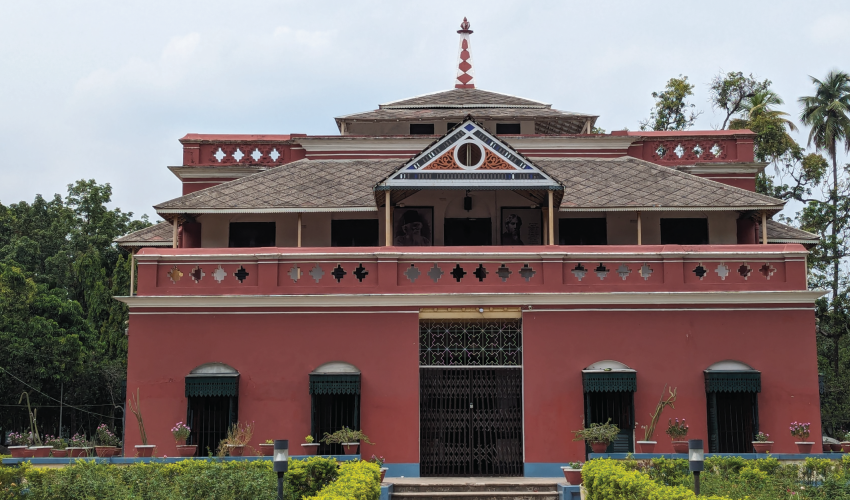
As you drive away from the bustling heart of Kushtia town, the urban cacophony slowly fades into a pastoral silence. The road to Shilaidaha winds through stretches of emerald-green paddy fields, sleepy village homes, and the gentle sway of coconut trees under the Bengal sky. Just 20 kilometers away from the town, in the serene village of Khorshedpur under Kumarkhali Upazila, stands Shilaidaha Kuthibari – a red-brick mansion steeped in poetic memory and timeless elegance.
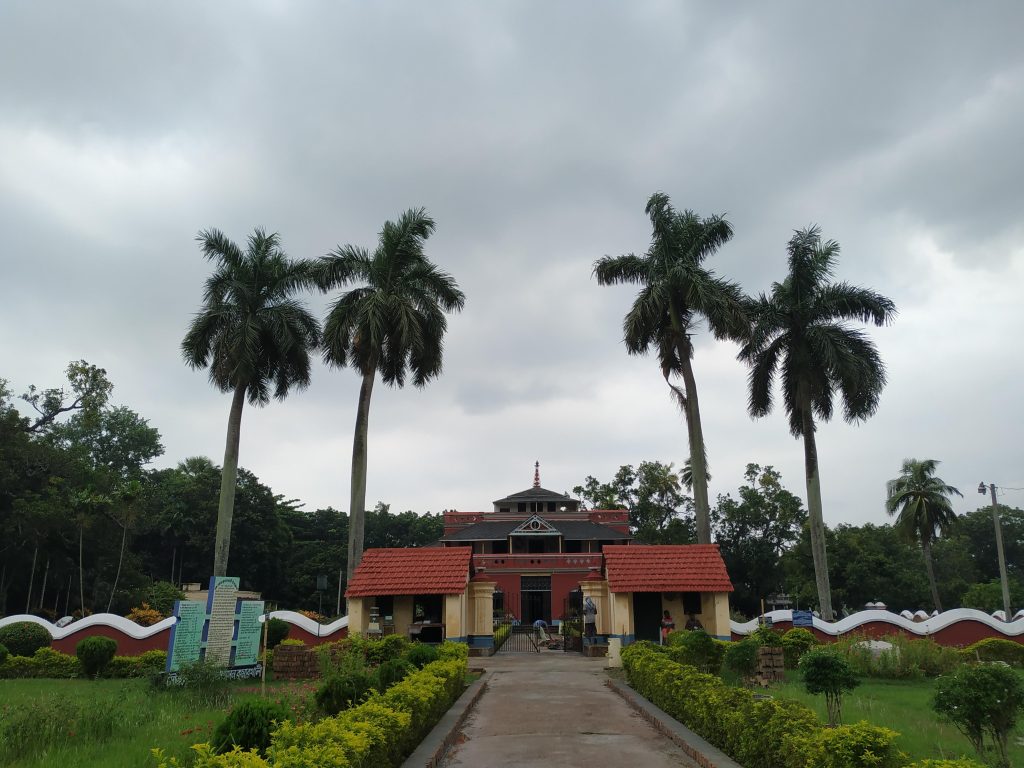
Tagore’s deep connection with Shilaidaha
For admirers of Rabindranath Tagore, this isn’t just a destination – it is a journey into the soul of a man who gave the world Gitanjali, Sonar Tori, and an enduring legacy of love, nature, and freedom.
The poet’s relationship with Shilaidaha dates back to 1807, when his grandfather, Prince Dwarkanath Tagore, acquired zamindari (landlord) rights in this region. In 1889, Rabindranath arrived to manage the estate – a responsibility he maintained until 1901. Yet, beyond the role of an estate manager, Tagore found in Shilaidaha a sanctuary of creative inspiration.
A cradle of literary brilliance
From the wide verandas of this countryside home, Tagore would gaze upon the Padma River’s golden shimmer. These serene surroundings inspired some of his most cherished literary works, including Sonar Tori (The Golden Boat), Chitra, and Chaitali.
Most significantly, it was in this quiet retreat that he began translating his poetry collection Gitanjali into English – a labor of love that would eventually win him the Nobel Prize in Literature in 1913, making him the first non-European laureate.
Preserving history: From residence to museum
The Shilaidaha Kuthibari has been preserved as a heritage site since 1958 by the Department of Archaeology. After Bangladesh’s independence in 1971, it was transformed into a museum in recognition of its cultural and historical value.
Today, it stands as a living museum, offering a glimpse into the multifaceted life of Tagore. Visitors walk through 16 rooms spread over the ground and first floors, each echoing the presence of the poet, the zamindar, the philosopher, and the friend of farmers.
A walk through time
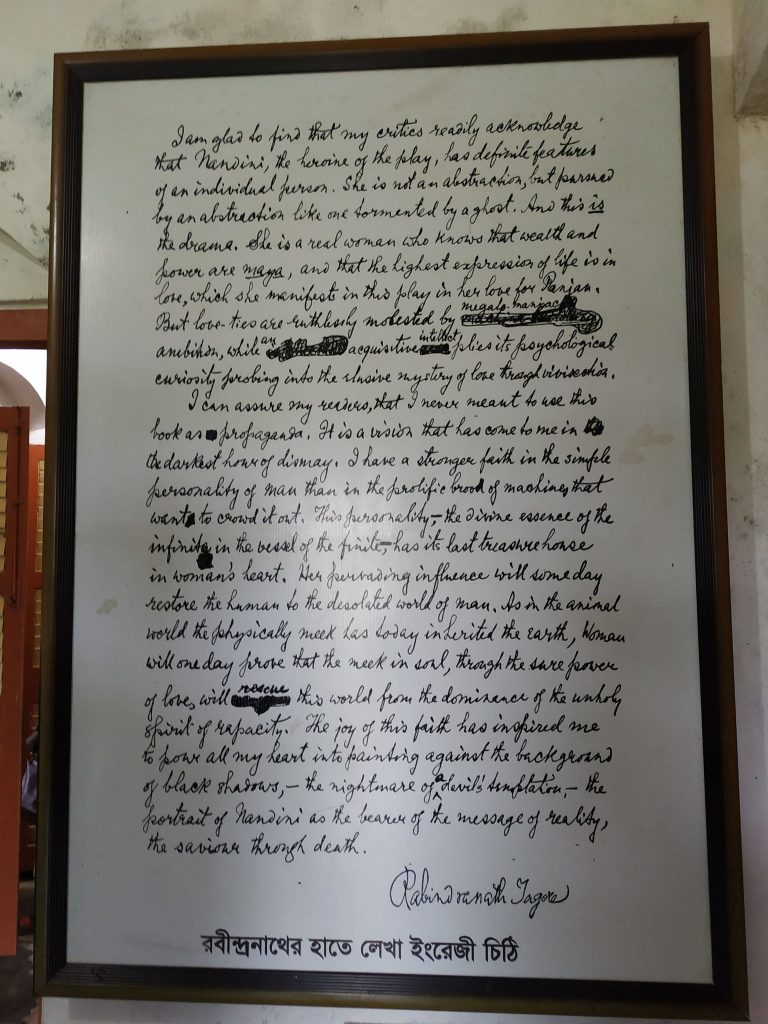
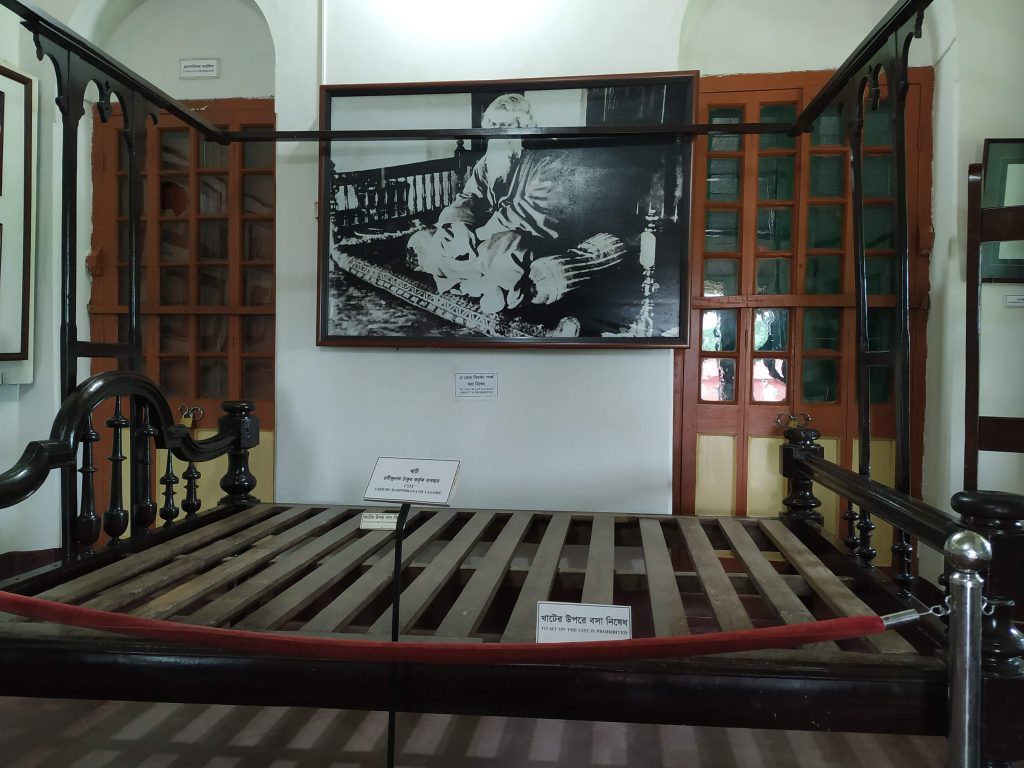
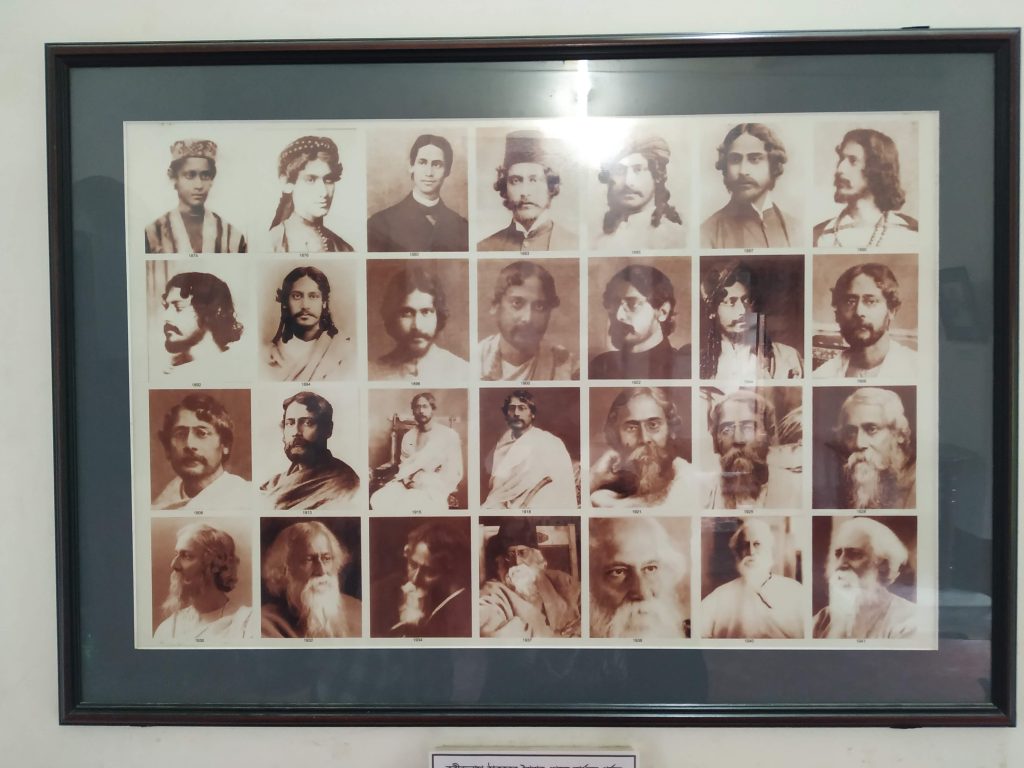
Each room is curated with deep reverence. Photographs capture Tagore across stages of life –from childhood to his final days. Carefully preserved artifacts paint an intimate picture of his daily life. Among the most treasured items are:
The poet’s bed and reclining chair
Wooden tea tables and an antique sofa set
An ornate eight-bearer palanquin
Two speedboats named Chanchala and Chapala
A pontoon used for river transport
These possessions help bring alive the essence of Tagore’s life in rural Bengal – a life deeply rooted in nature and human connection.
A place of reflection
Shilaidaha Kuthibari is not just a museum – it is a poetic space that breathes with history. Here, the past lingers in the rustle of trees, the creak of wooden floors, and the scent of old paper and polished wood. It is a place where Tagore’s thoughts still seem to float in the air, where every corner invites reflection and every object tells a story.
In a world that moves too fast and forgets too quickly, Shilaidaha Kuthibari stands as a sanctuary of slowness and soul. It is a reminder of the power of poetry, the depth of nature, and the timelessness of Rabindranath Tagore’s legacy.
For Tagore enthusiasts and curious travelers alike, a visit to Shilaidaha is not just a tour – it is a quiet, powerful journey into the heart of Bengali heritage.
Visitor information
Ticket Prices
- Adults: 15 BDT
- Students (up to secondary): 5 BDT
- Children under 5: Free
- SAARC nationals: 50 BDT
- Other foreign nationals: 100 BDT
Tickets are available at the counter next to the museum gate.
Opening hours
- Summer: 10:00 AM to 6:00 PM (Closed 1:00–1:30 PM)
- Winter: 9:00 AM to 5:00 PM (Closed 1:00–1:30 PM)
- Fridays: Closed 12:30–3:00 PM for Jummah prayers
- Sundays: Weekly holiday
- Mondays: Opens after 2:00 PM
- Government Holidays: Closed
Photographed by Bohemian Faisal