


The Work of Mahmud Hossain Opu
By Ayman Anika
Mahmud Hossain Opu doesn’t chase spectacle. He shows up when the alarms are still ringing, when the dust hasn’t settled. His first assignment as a photojournalist was the 2012 Tazreen factory fire—an introduction not to the glamour of the media, but to its grim necessity. Since then, Opu has been in the eye of Bangladesh’s most volatile storms: the collapse of Rana Plaza, the Holey Artisan café siege, Hefazat’s political flare-ups. If you remember these moments, chances are you’ve already seen them through his lens.
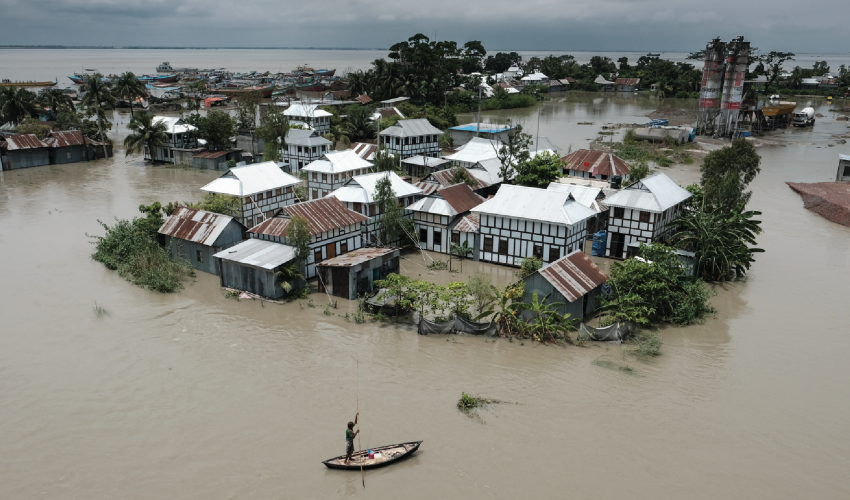
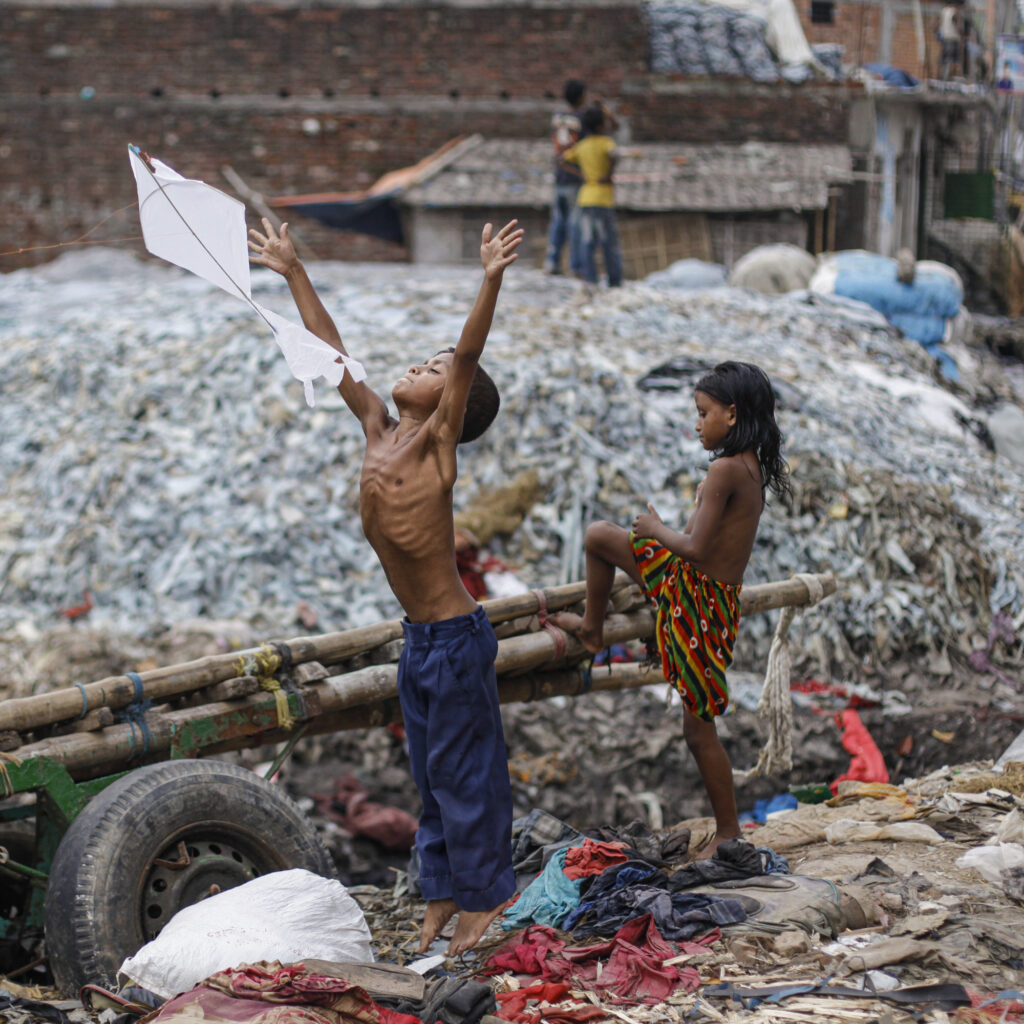
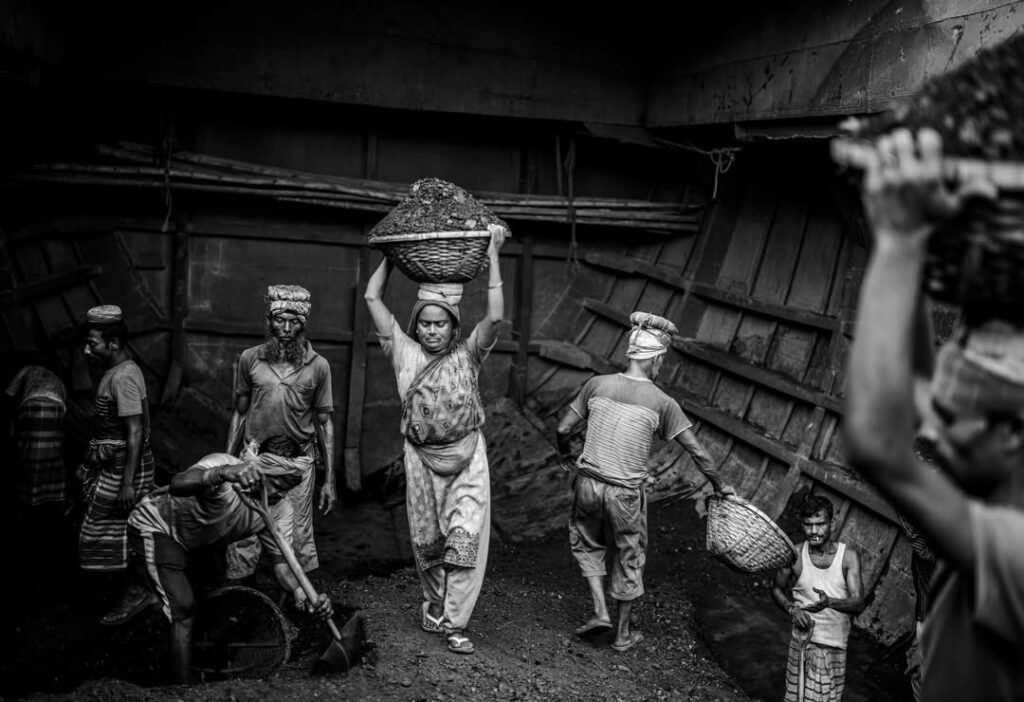
Working as a Contract Photographer for the Associated Press (AP), Opu has built a reputation for being exactly where he needs to be, exactly when it matters. His work is immediate, sharp, and unflinching—yet never devoid of empathy. In his frames, burning tires and grieving mothers coexist. Street protests are not just chaos—they’re context. Climate disasters aren’t statistics—they’re people trying to hold on.
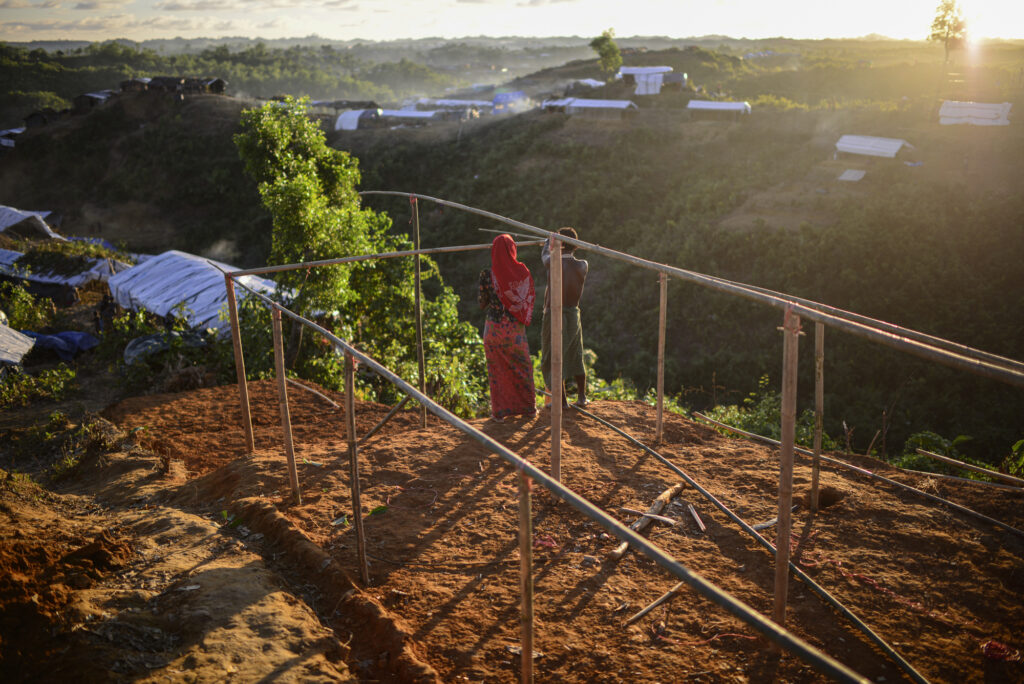
But Opu’s work doesn’t end when the sirens fade. His long-term projects dig into the slower, less visible emergencies: rising sea levels, land erosion, and displacement. He documents not just crisis, but consequence. Through collaborations with the Internal Displacement Monitoring Centre and Royal Holloway, University of London, his images have become part of international research on forced migration and climate vulnerability.
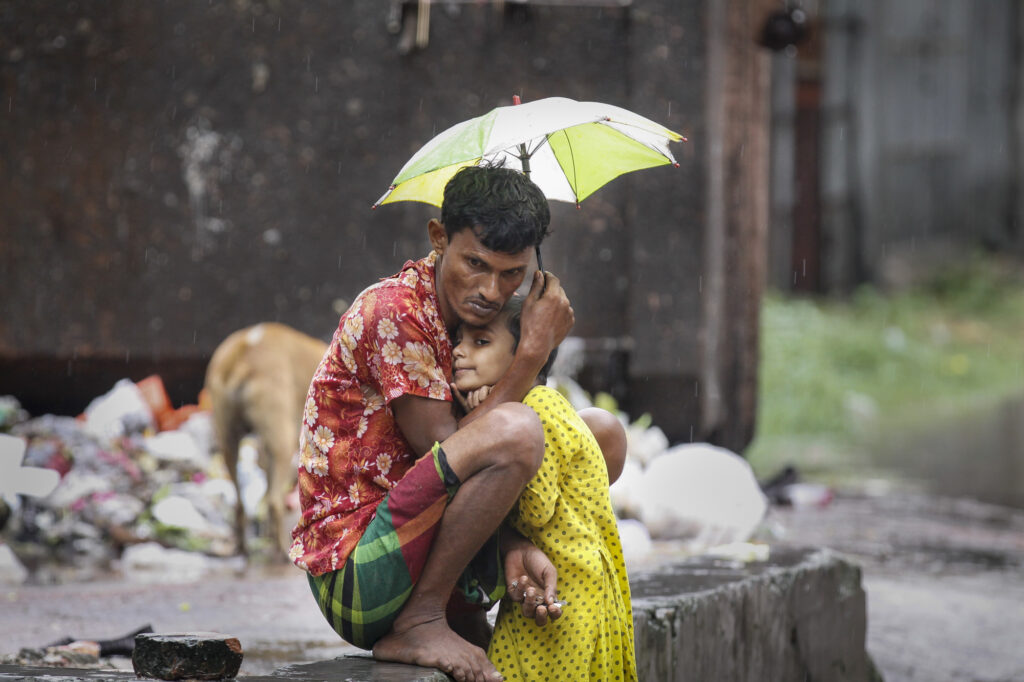
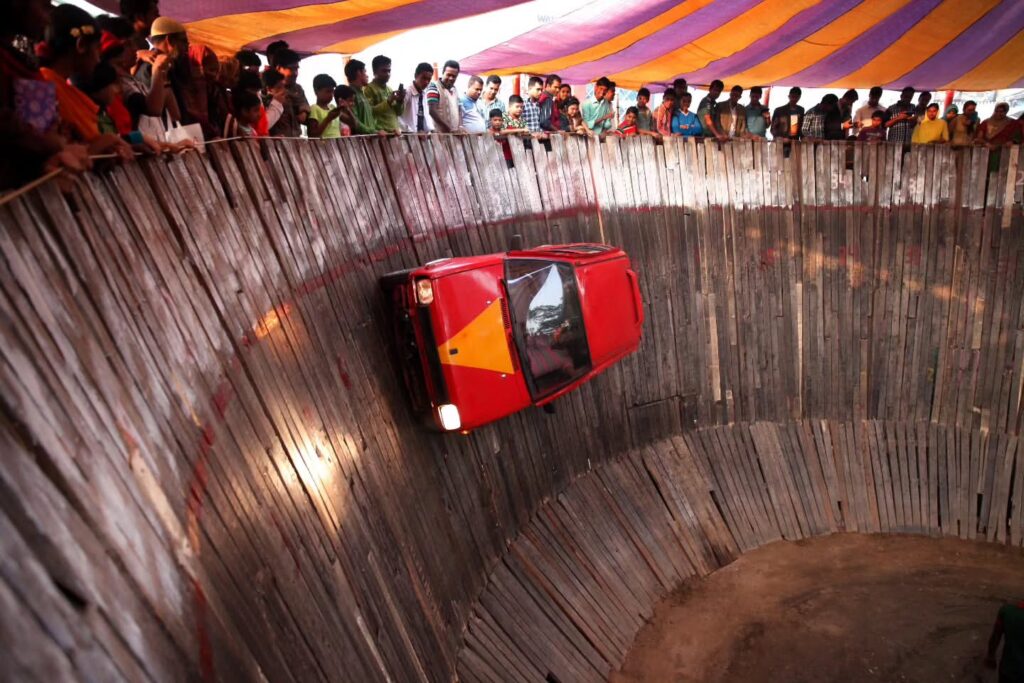
He doesn’t advertise this. He doesn’t have to.
You’ve seen his work in The New York Times, National Geographic, The Guardian, Al Jazeera, and The Economist. He’s received fellowships and awards, including one from the U.S. State Department and BRAC’s Migration Media Award. But Mahmud Hossain Opu doesn’t lead with accolades. He leads with presence.
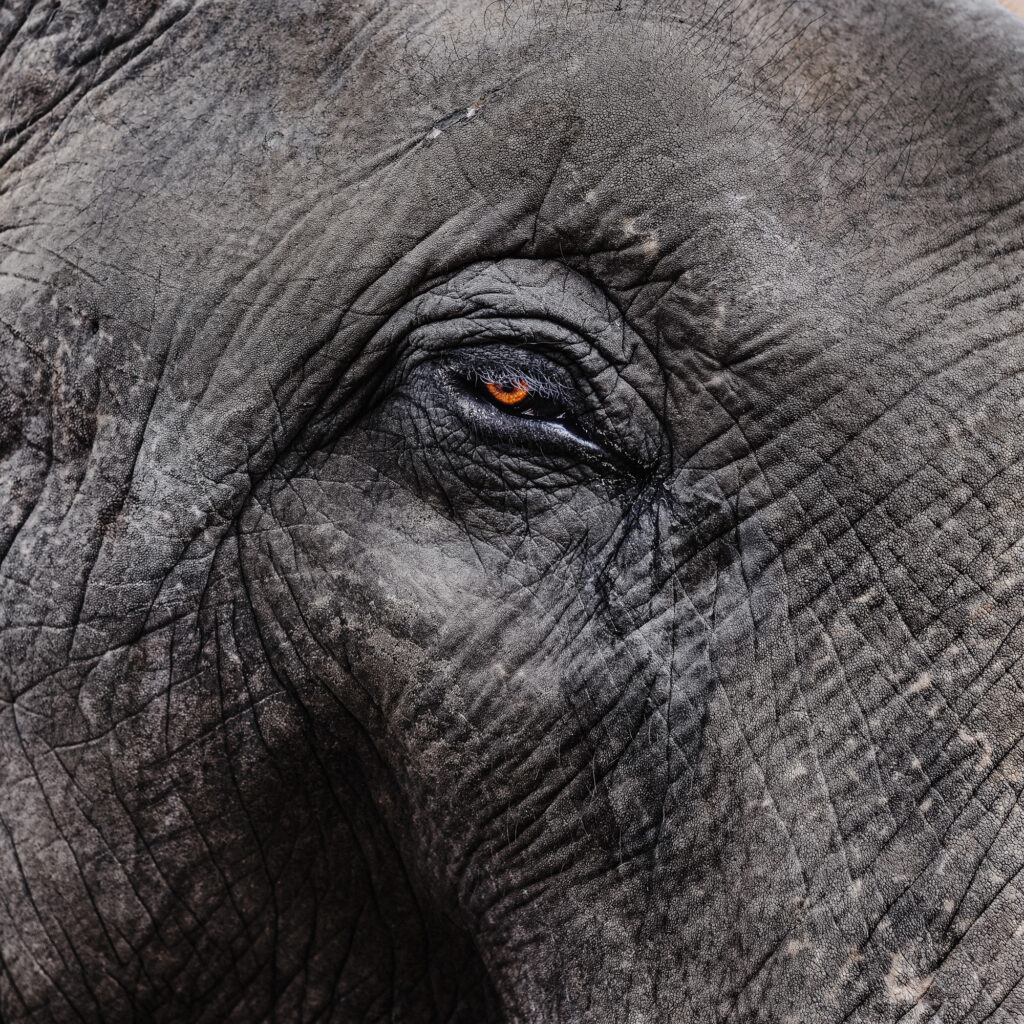
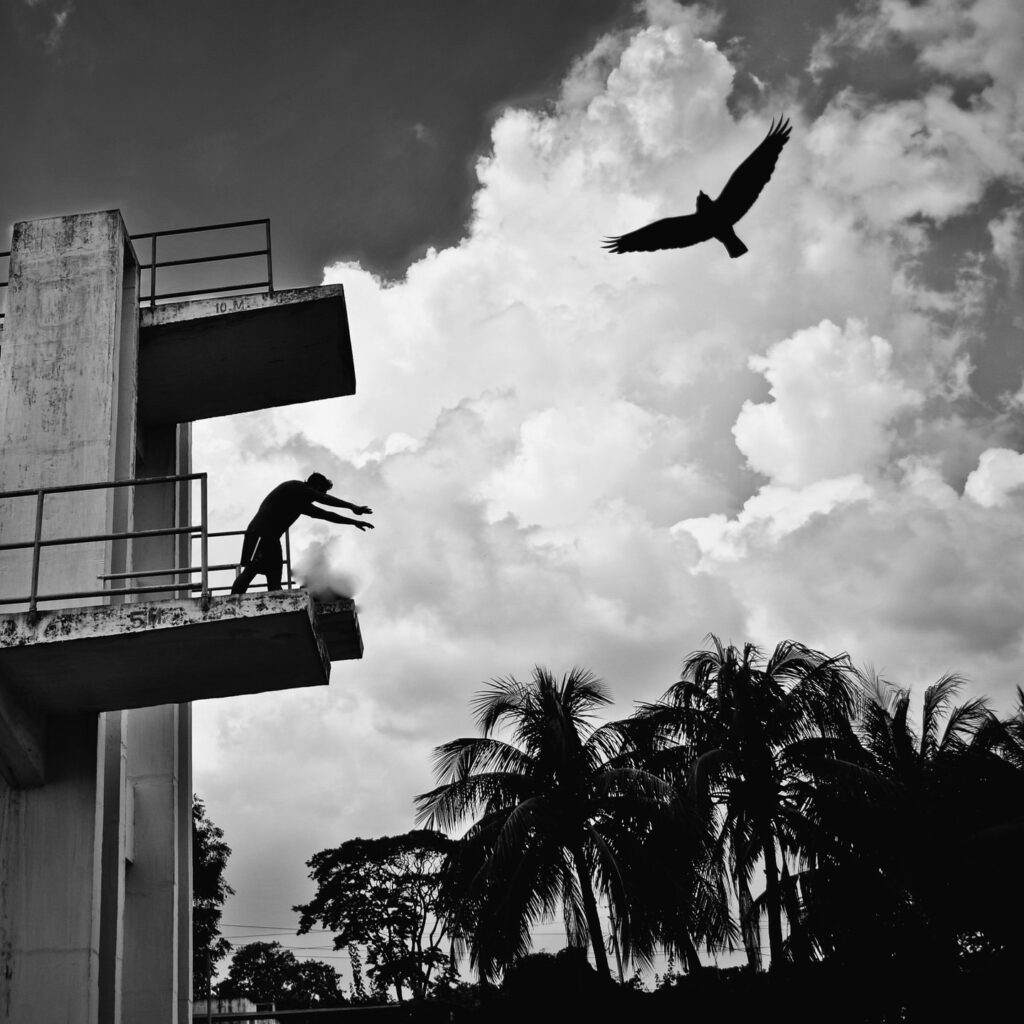
What sets him apart isn’t access—it’s attention. In an age of quick takes and content churn, Opu’s photographs still pause, still listen. They don’t shout. They don’t preach. They show.
And that’s what makes them linger.
Whether standing in flooded streets or amidst political clashes, Mahmud isn’t just documenting what’s happening. He’s asking, Why does this keep happening? His camera doesn’t flinch. And it doesn’t let us look away either.