


By MWB Desk
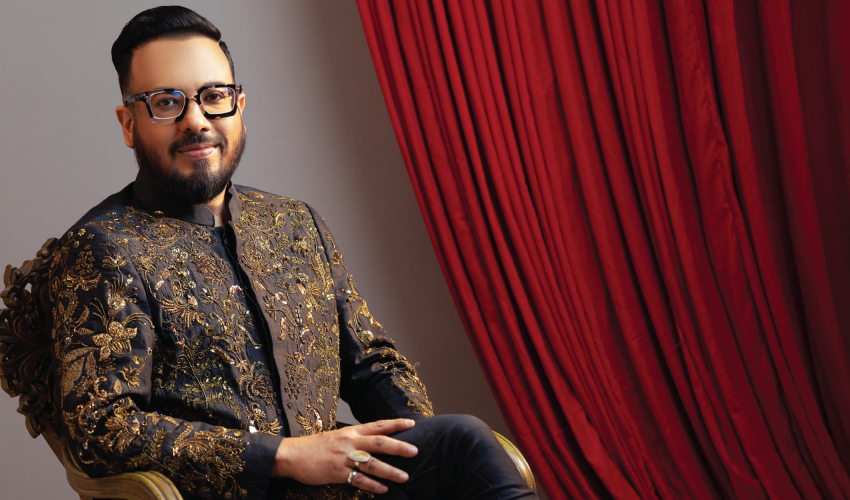
If fashion in Bangladesh had an underground circuit – a space where memory tangled with mischief, and tradition didn’t whisper but roared – Waliur Rasul Shamuel would be its ringmaster.
He isn’t here to follow the rulebook. He’s here to redesign it, tear out a few pages, and maybe light one on fire. His label – Impression by Waliur Rasul – isn’t a brand in the conventional sense. They’re visual essays, sometimes love letters, and always unapologetically stitched in his signature mix of heritage and edge.
Raised on the quiet hum of his mother’s sewing machine, Shamuel saw early on that a needle could do more than mend. It could shape. Transform. Speak. From that moment on, fabric wasn’t just material – it was language. And he’s been fluently bilingual in couture and subversion ever since.
His aesthetic? Think jamdani meets jawline. Nakshi kantha with sharp shoulders. A sari that doesn’t behave. He takes the gentle nostalgia of South Asian textiles and slices it against sharp, modern silhouettes. One jacket might carry the ghosts of a forgotten village motif; another might be a walking archive of rebellion dressed in velvet.
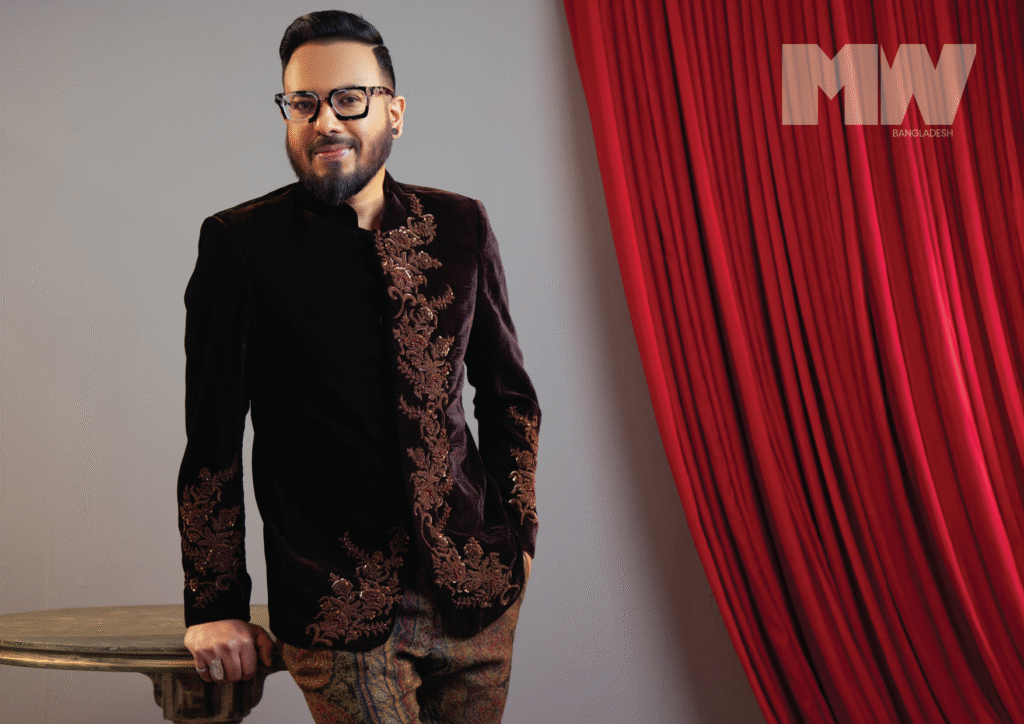
But don’t confuse poetry with softness. Shamuel’s design journey has been anything but cushioned. In a market obsessed with “wearability” and fast fashion, his couture pieces often sit like quiet acts of resistance – unrushed, deeply detailed, and wildly personal. He’s had to convince clients that a garment can carry grief. That craftsmanship costs more because it means more. That a jacket can speak louder than a press release.
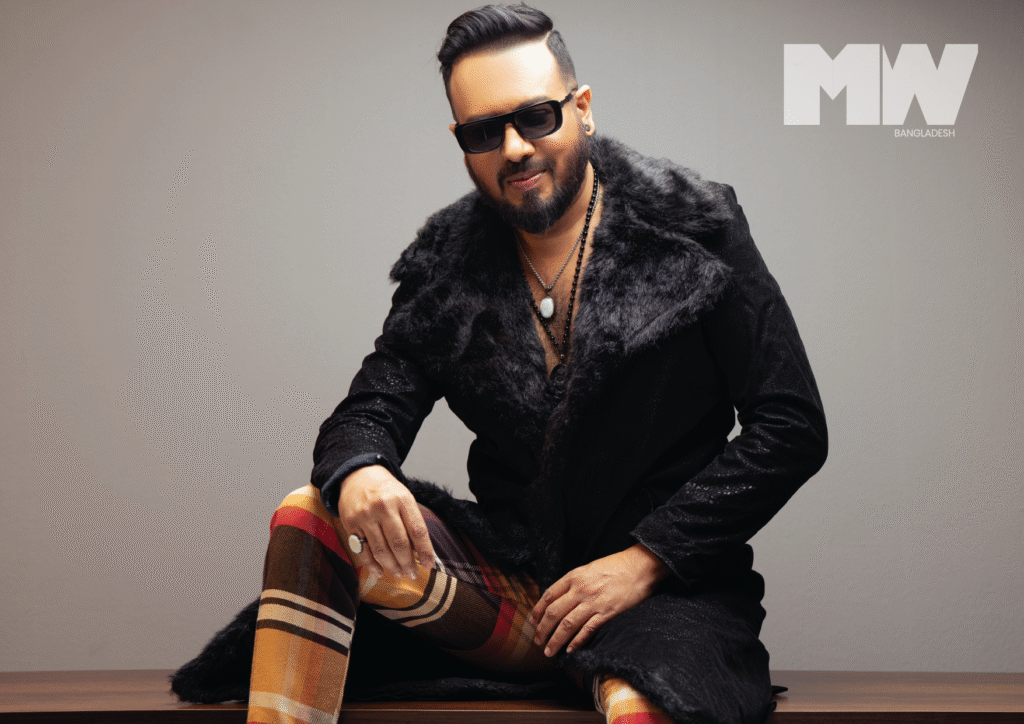
With Impression by Waliur Rasul, he pushes even further – graphic tees, conceptual drops, digital storytelling that bleeds into satire, symbolism, and street.
What drives him isn’t vanity or virality – it’s the belief that clothing can hold emotion, protest, ancestry, and joy. He wants to design for theatre stages. For people who feel too much. For the future, but with pockets deep in the past. Waliur Rasul Shamuel doesn’t design outfits. He crafts armor, tailored for those who want to walk into the world as both an archive and agent of change.
You don’t wear his pieces. They wear you back.
With MWB, the visionary designer opens up about the path that shaped him.
How did you first become interested in fashion and design? Was there a specific moment or influence that pushed you toward this path?
From a very young age, I was captivated by the transformative power of fashion. It wasn’t just about fabric – it was about identity, storytelling, and confidence. One pivotal moment was watching my mother stitch garments at home; the way she gave shape to cloth felt like magic. That early exposure became the seed of a lifelong passion that evolved into a full-fledged creative mission.
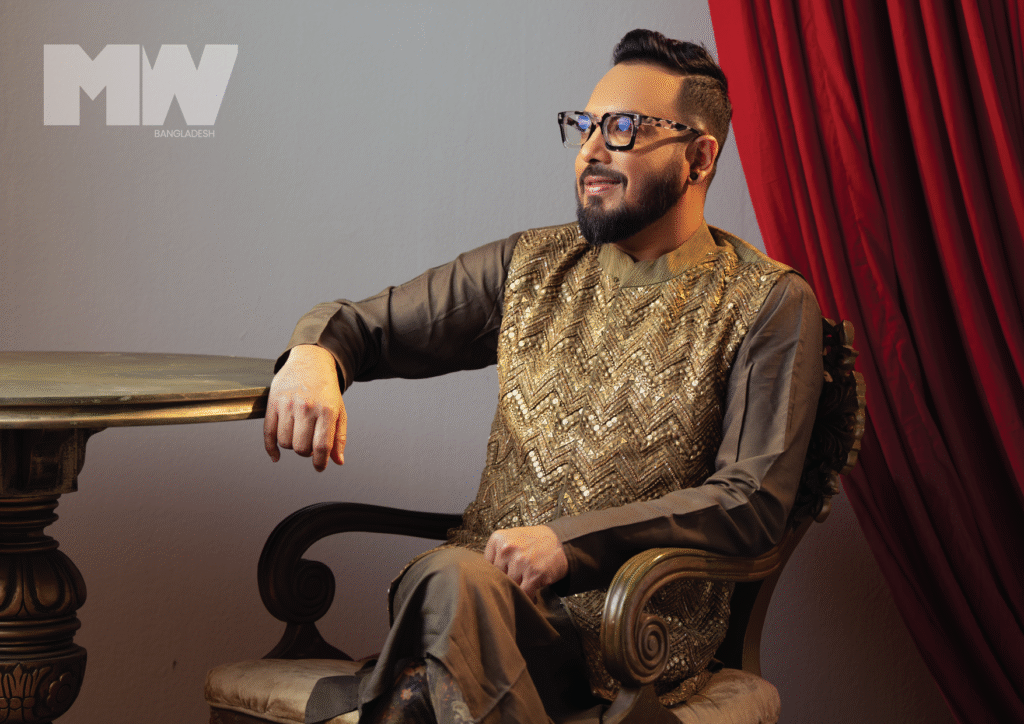
Who or what has been the biggest source of inspiration for your work, personally or professionally?
My greatest inspiration has been the rich cultural heritage of South Asia, particularly Bangladesh. The textures, motifs, and craftsmanship found in traditional garments like jamdani or nakshi kantha speak to me deeply. Internationally, designers like Alexander McQueen and Sabyasachi have also influenced me, with their fearless visions and emotional storytelling through couture.
Over the years, how has your cultural heritage (for instance, Bangladeshi textile traditions or local art) informed both your stylistic palette and your broader design philosophy?
My roots run deep in the soil of Bengal. I see each garment not just as clothing but as a canvas for our stories. I often draw from local patterns, earthy colors, and hand-embroidered detailing. I believe in merging tradition with modern silhouettes – so a classic motif might appear on a sharply tailored jacket or a flowing couture dress. My design philosophy is to make heritage wearable in today’s world.
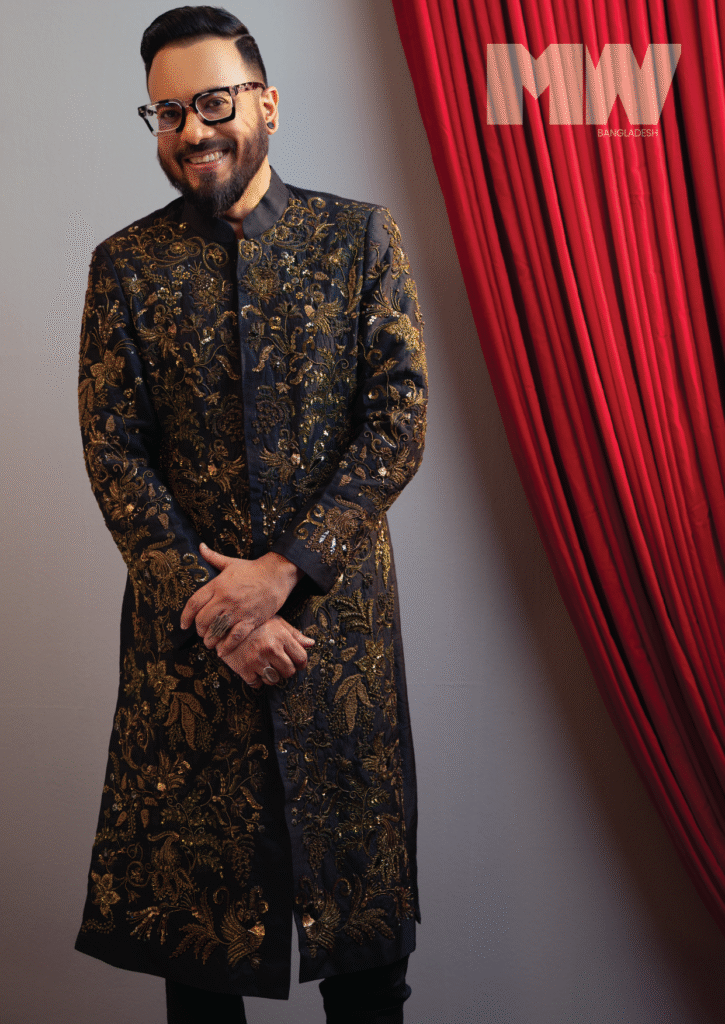
What have been some of the biggest challenges you’ve faced while building your brand, from design to production to perception?
The biggest challenge has been aligning creativity with commercial viability, especially in a market that often hesitates to invest in experimental or couture work. Educating the market to value craftsmanship over fast fashion has been a slow but worthwhile battle. Managing quality production while staying true to a bold, sometimes unconventional aesthetic has also tested my resilience as a designer and entrepreneur.
You’ve built a strong presence with “Impression by Waliur Rasul” and “Somalicious.” What achievement or project are you most proud of so far?
The launch of “Impression by Waliur Rasul” was more than just a brand debut – it was the manifestation of two decades of vision, mistakes, learning, and evolution. One of my proudest moments was seeing a client emotionally moved after wearing a custom piece that celebrated their heritage with a modern edge. That’s when I knew this brand had a soul.
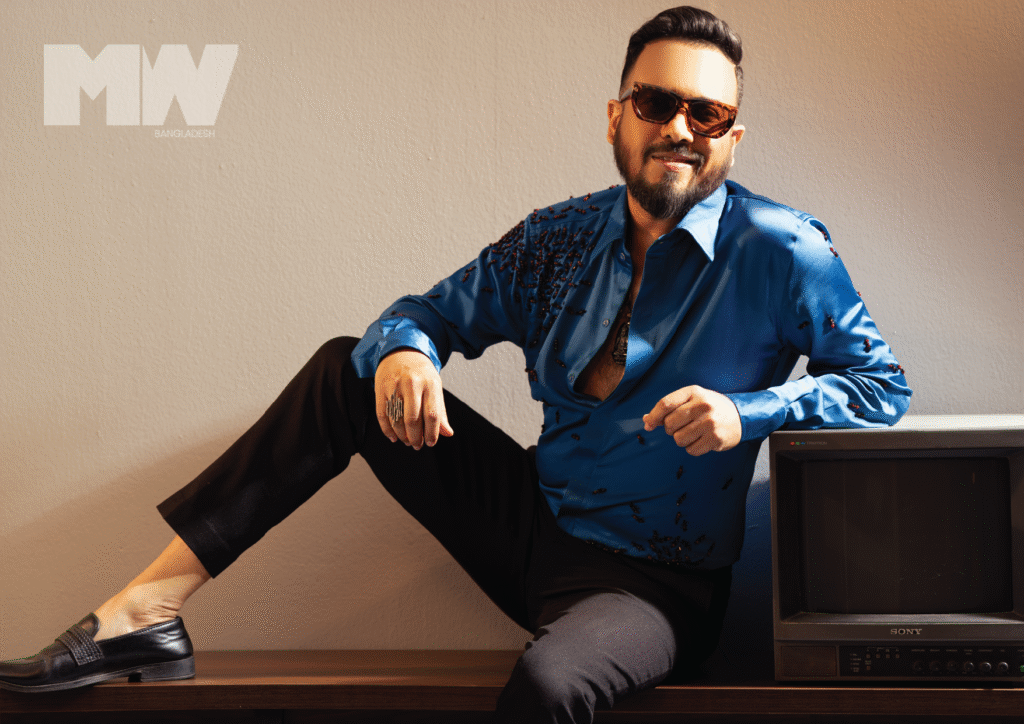
What does “good design” mean to you, not just in terms of aesthetics, but in how it functions or makes people feel?
Good design, to me, is a harmony of emotion, function, and silhouette. It must evoke a feeling – whether it’s confidence, nostalgia, or power. At the same time, it should respect the body and enhance its natural form. A truly great design doesn’t just dress the person; it speaks for them before they even say a word.
When navigating a saturated luxury or bespoke market, how do you stay true to your vision while managing commercial realities, like budgets, client demands, or production constraints?
Authenticity is my compass. While I adapt to client needs and market demands, I never dilute my design DNA. I find creative ways to balance ambition with practicality – perhaps using alternative materials, smarter production techniques, or offering tiered customization. But every piece still carries my fingerprint.
Do you see fashion as a personal statement, a cultural reflection, or something else entirely?
Fashion is all of it – it’s a statement, a mirror, a rebellion, a celebration. For me, it’s an ever-evolving language. One day it speaks of roots and resilience; another day, of boldness and individuality. It’s one of the most powerful tools of expression we have.
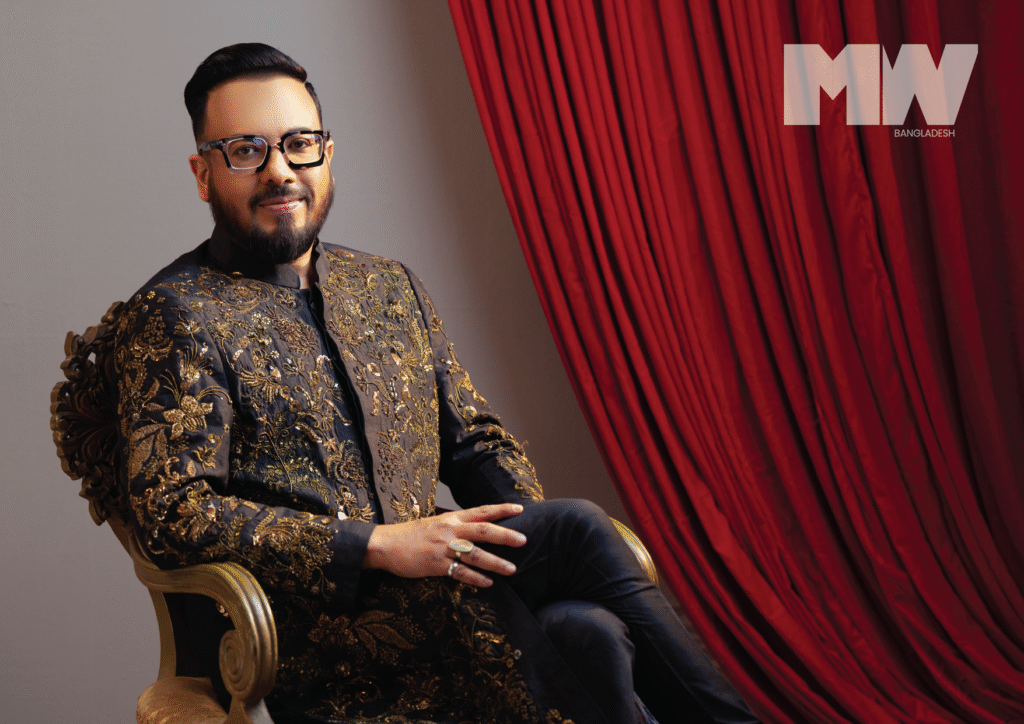
What’s one creative direction or concept you haven’t explored yet but would love to experiment with in the future?
I would love to dive into theatrical costume design or high-fashion performance wear that blends motion, stage lighting, and fantasy. There’s a certain freedom in creating without the constraint of wearability – just pure expression. I’m also curious about merging tech with fashion, like smart textiles or sensory-reactive garments.
As a designer and entrepreneur, where do you see your brand heading in the next few years, stylistically and commercially?
Stylistically, I want to go even bolder, deeper into cultural experimentation while elevating the silhouette language. Commercially, I aim to expand into international fashion weeks and establish flagship stores that become cultural hubs, not just retail spaces. I see “Impression by Waliur Rasul” becoming a voice from South Asia that resonates across global runways.
Fashion Direction & Styling: Mahmudul Hasan Mukul
Photographer: Sagor Himu
Make up & Hair: Al Amin