


By MW Desk
As per a report by Henley & Partners, India has 3,26,400 millionaires (more than $1 million), 1,044 centi-millionaires (more than $100 million) and 120 billionaires (more than $1 billion). Another report by Credit Suisse in 2022 predicted the number of millionaires in India to grow to a total of 1.6 million by 2026, more than double the number today. And the result is directly reflected in luxury car sales, with more premium models from foreign carmakers finding buyers outside of Indian royalty.
NEW MONEY
The trend is partly driven by younger consumers entering the luxury car market, motivated by a desire to experience luxury and high-quality craftsmanship. The YOLO effect, as referred to by MDs and CEOs of foreign carmakers, emphasises the value of personal satisfaction and the enjoyment of life’s finer aspects, encouraging consumers to make significant purchases that they might have previously postponed.
Luxury car brands like Mercedes-Benz, BMW, and Audi have benefited from this trend, seeing a surge in sales and a broader customer base, including first-time luxury car buyers. The brands have responded by offering a range of models that cater to diverse preferences, from performance- oriented vehicles to electric and hybrid models, aligning with the growing environmental consciousness among consumers Mercedes-Benz, for instance, had stated that the buyers for the top-of-the-line vehicles — the S-Class and GLS — which are priced above Rs 1.4 crore to 1.5 crore have come down to 38 years from 45 years about half a decade ago. Over the last five years, Audi India has also experienced a significant shift in its demographics, largely influenced by the growth in the SUV segment and the introduction of electric vehicles (EVs).
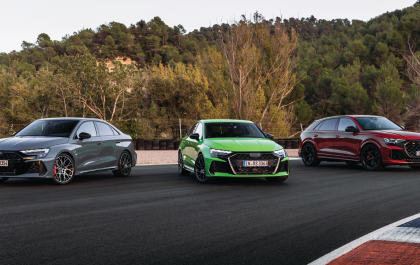
The launch of models like the Q3 and Q3 Sportback, in particular, has played a pivotal role in attracting a wider customer segment, including professionals, startup founders, Bollywood celebrities, corporates, and businessmen, especially from the younger population. This diversification has contributed to Audi growing its SUV sales by over 217 per cent in the first half of 2023, with SUVs now accounting for 60 per cent of Audi India’s overall sales.
Similarly, BMW Group India has observed a rising number of corporate professionals and entrepreneurs from various sectors, including IT and healthcare, contributing to their growth. Their 3 Series Gran Limousine, 2 Series Gran Coupe, and other models have become top sellers through corporate channels, accounting for 25per cent of their total sales, according to an Autocar Professional report.
This broadening base reflects India’s robust economic growth and the rise of new wealth creators across various industries. This shift towards a younger buyer base is reshaping the luxury car market, prompting brands to rethink their marketing strategies and product offerings to cater to the evolving preferences of this dynamic consumer segment. Luxury car brands such as Mercedes- Benz, BMW, and Audi are capitalising on this trend by offering a wide range of models that cater to different tastes and preferences, from performance-oriented sports cars to spacious and sophisticated SUVs, features such as digital interfaces, advanced connectivity, and sustainable driving options like electric vehicles. The diversity in buyer profiles is also leading to a more customised and personalised approach to sales and services, as luxury car brands strive to meet the specific needs and desires of a wider array of customers.
OPTIONS GALORE
Mercedes-Benz India is gearing up for an exciting 2024 with a diverse array of launches that span from traditional luxury sedans to innovative electric vehicles (EVs), aiming to cater to a wide spectrum of customer preferences in the luxury car segment. The lineup includes the launch of the sixth-generation E-Class, available exclusively in a long-wheelbase form.
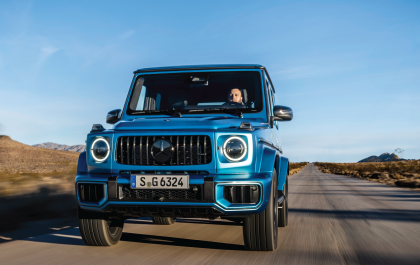
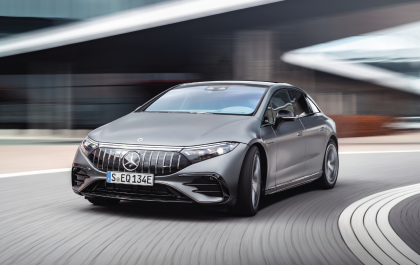
The new E-Class is expected to feature advanced technology and design elements, with options for a 2.0-litre turbo-petrol engine with mild-hybrid assist or a 2.0-litre diesel engine. The brand’s commitment to electrification is evident in its plan to double its EV portfolio by introducing four more models within the next 8-12 months, highlighting the growing demand for zero- emission vehicles in India. This expansion includes the ultra-luxurious Maybach EQS SUV and the all-electric EQG, which is a battery-powered variant of the iconic G Wagon. These additions aim to bolster Mercedes-Benz’s position in the luxury EV market, with the company projecting that EVs will constitute 25per cent of its total sales by 2027.
The upcoming launches, including the facelifts for the GLA and GLB, and the introduction of new models like the Mercedes-AMG GT and the CLE coupe, are designed to meet the evolving needs of luxury car buyers in India. By blending traditional luxury with cutting-edge technology and a strong push towards electrification, Mercedes-Benz is poised to continue its leadership in India’s luxury car market, offering a range of vehicles that cater to the diverse tastes and preferences of its clientele.Audi India, meanwhile, plans to introduce, the Q6 e-tron, marking a significant expansion of its electric vehicle (EV) portfolio. The Q6 e-tron is a brand-new addition, designed from the ground up to be an electric SUV. It is based on Audi’s advanced Premium Platform Electric (PPE), which is set to underpin future Audi EVs. It is anticipated to be smaller than the Q8 e-tron, positioning it as a more accessible option for those looking to enter the luxury EV market.
One of the key highlights of the Q6 e-tron is its interior, which is expected to feature Audi’s latest infotainment technology, including twin-curved screens that blend seamlessly into the dashboard. Mechanically, the Q6 e-tron will utilise an 800V architecture, promising a range of around 600km on a single charge, making it a compelling choice for long-distance travel without range anxiety. The Q6 e-tron will be competitive within the growing EV segment, offering a blend of performance, luxury, and sustainability that is becoming increasingly important to modern consumers. Besides the Q6 e-tron, Audi India plans to launch acelifts for the Audi Q8 and A6 which will feature cosmetic updates andcontinued engine specifications.
BMW India too is poised to make a significant impact in 2024 with the new-generation 5 Series, including its long-wheelbase (LWB) version and the all-electric i5, marking a strategic expansion of its luxury and electric vehicle lineup. The 5 Series LWB aims to cater to the chauffeur- driven segment, offering enhanced rear legroom and luxury features, positioning it as a strong competitor against the likes of the Mercedes-Benz E-Class LWB. This will be the first time BMW India introduces a LWB version of the 5 Series, emphasising the brand’s focus on providing premium comfort for rear-seat passengers The all-electric i5, derived from the new 5 Series, will be a compelling option for those looking to transition to electric luxury sedans without compromising on performance or range.
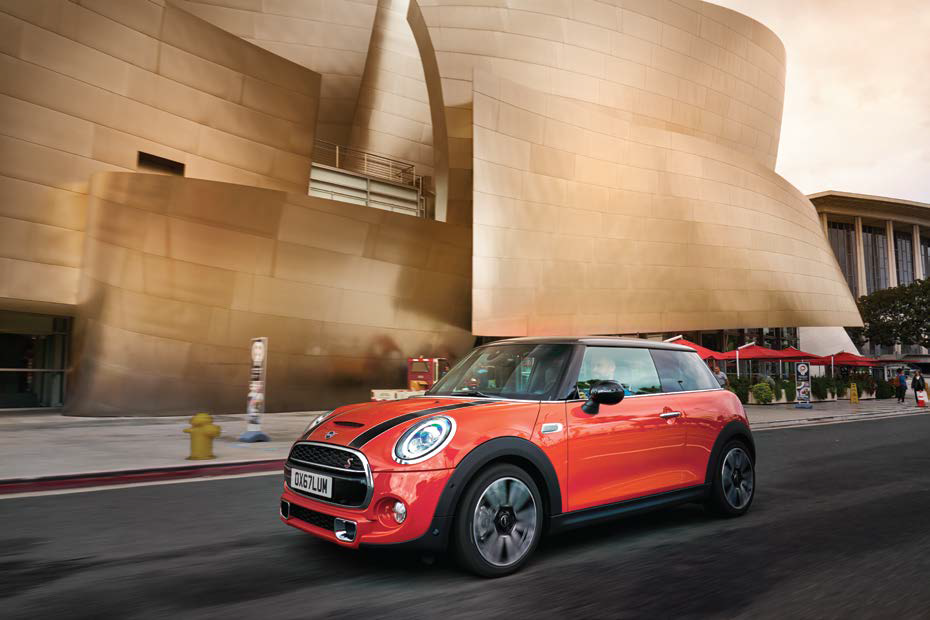
In addition to the 5 Series and i5, BMW’s sister brand Mini is also set to refresh its lineup with new-generation models of the Cooper SE and Countryman. The Cooper SE, an electric three-door hatchback, sits on a dedicated EV platform and promises a unique blend of Mini’s iconic design with electric performance. The new Countryman, expected in its third-gen avatar, will offer increased size and cabin space, with potential electric and turbo-petrol variants being considered for the Indian market.
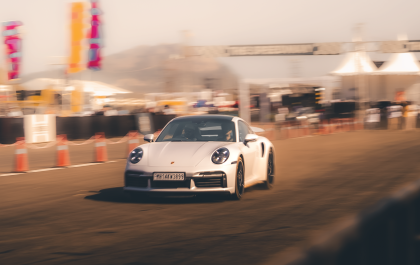
These launches reflect BMW Group’s holistic approach to updating its portfolio, catering to a wide range of customer preferences from traditional luxury sedans to innovative electric vehicles. Rolls-Royce also plans launch its first electric vehicle, the Spectre, in India in 2024, priced at Rs 7.5 crore. Lexus India aims to transition to an EV-only lineup by 2035, starting with next-gen electric vehicles in 2026. Volvo India will introduce the electric EX90 SUV, with a 600km range, as part of its commitment to one new EV each year. Porsche India plans to unveil four new models in 2024, including the electric Macan EV. Aston Martin will update the Vantage with a new interior and a Mercedes-AMG 4.0-litre V8 engine. And with McLaren’s 750S succeeding the 720S, there doesn’t seem to be any shortage of options for the near future.
Reproduced with permission from Mansworldindia.com