


In Bangladesh, sustainability is often marketed as an urban lifestyle choice, while the communities that have long practiced it out of necessity are excluded from both the narrative and the market
Ayman Anika
Walk through a Dhaka super shop and you’ll see it: bamboo toothbrushes, “biodegradable” sanitary pads, and reusable tote bags stamped with green slogans. From flashy corporate campaigns to boutique eco-products, sustainability has been rebranded as chic and aspirational. But behind the curated Instagram reels and CSR reports lies a question we seldom ask – who can afford to be eco-friendly in Bangladesh?
For many, the answer is not just about consumption – it’s about class.
Branding the ‘green elite’
“Eco-friendly living in Bangladesh has become synonymous with buying power,” says Rukhsar Sultana, Manager of the PLEASE Project at BRAC. “The way it’s framed in branding – organic produce, solar panels, plastic-free packaging – it’s mostly aimed at middle to upper-income families.”
Indeed, the trendiness of eco-consciousness often forgets its audience. The sustainability conversation in urban Bangladesh increasingly revolves around individual choices framed as ethical consumption. But for large swathes of the population, particularly low-income communities, these choices are simply not options.
“Biodegradable pads can cost Tk 160,” Rukhsar points out, “Who from a low-income area can afford that?”
Ironically, those who consume the least are branded as unsustainable, while the most resource-intensive lifestyles are validated with the purchase of green-labelled goods.
When greenwashing meets poverty
The truth is, many sustainable practices aren’t new to Bangladesh – they just weren’t branded that way. They were necessities. “My grandmother passed down sarees to my mother, who passed them to me. That’s thrifting, isn’t it?” Rukhsar laughs. “Quilt-making from old clothes, reusing Horlicks jars, walking to work – these are all eco-friendly behaviors. But they come from frugality, not from an Instagram trend.”
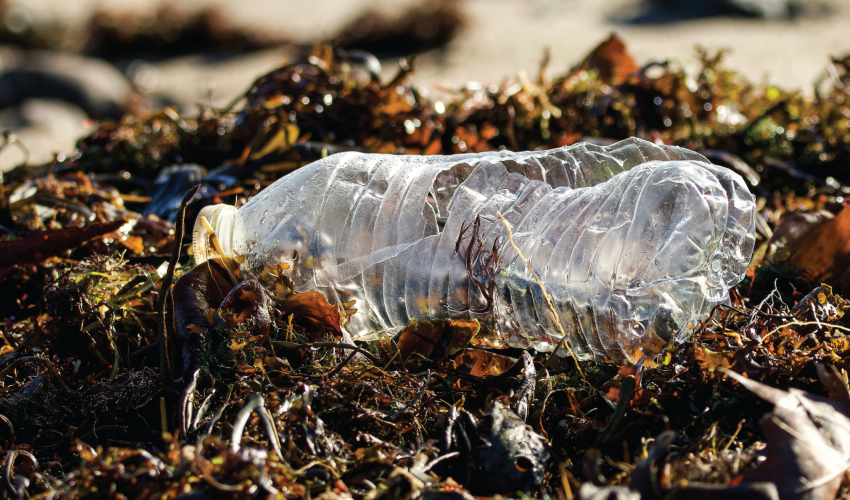
However, there’s a paradox at play. While some low-income practices are inherently sustainable, others are forced into unsustainable behaviors due to systemic inequality. Take the rampant use of single-use plastics. “Many families buy spices, oil, or shampoo in tiny packets because they can’t afford the bulk versions,” Rukhsar explains. These soft plastics are unrecyclable and flood the environment – but it’s not a matter of choice. “The concept of eco-living doesn’t apply to them – it excludes them entirely.”
“Mainstream environmentalism in Bangladesh looks for wooden cutlery, not the women who recycle Horlicks jars.”
– Rukhsar Sultana, Manager, PLEASE Project, BRAC
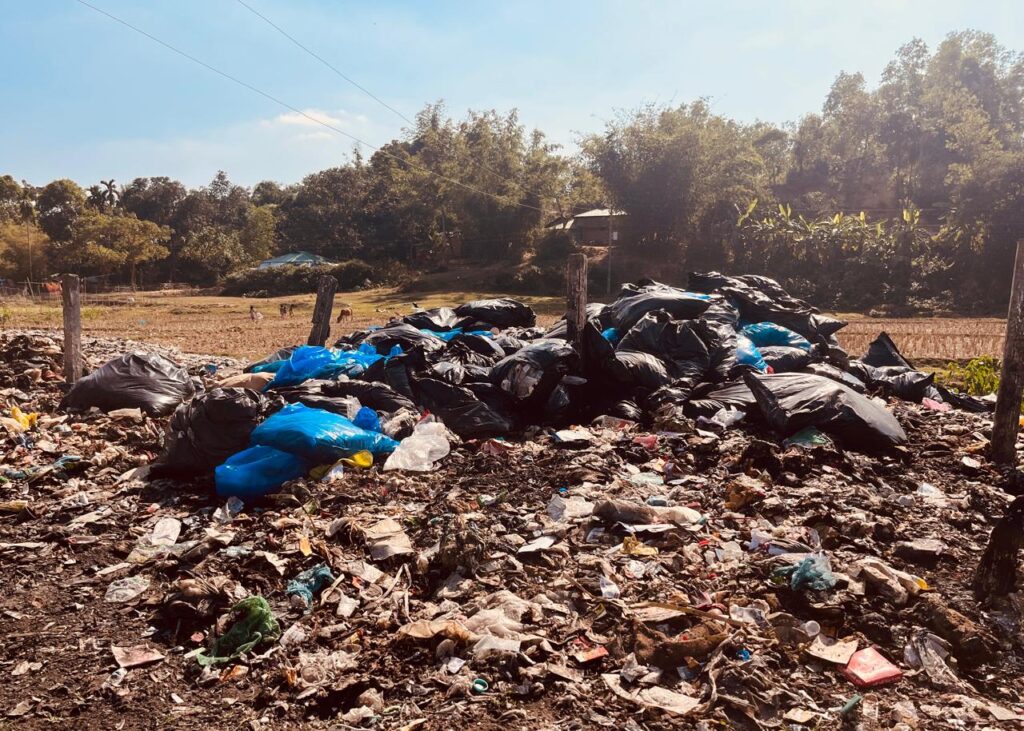
Dhaka’s waste management system is a microcosm of this inequality. Composting, reusable packaging, and zero-waste ambitions sound good – until you confront the logistics. “In theory, we talk about composting and segregation, but unless households separate waste properly and consistently, nothing works,” says Rukhsar. And who’s responsible for making that happen?
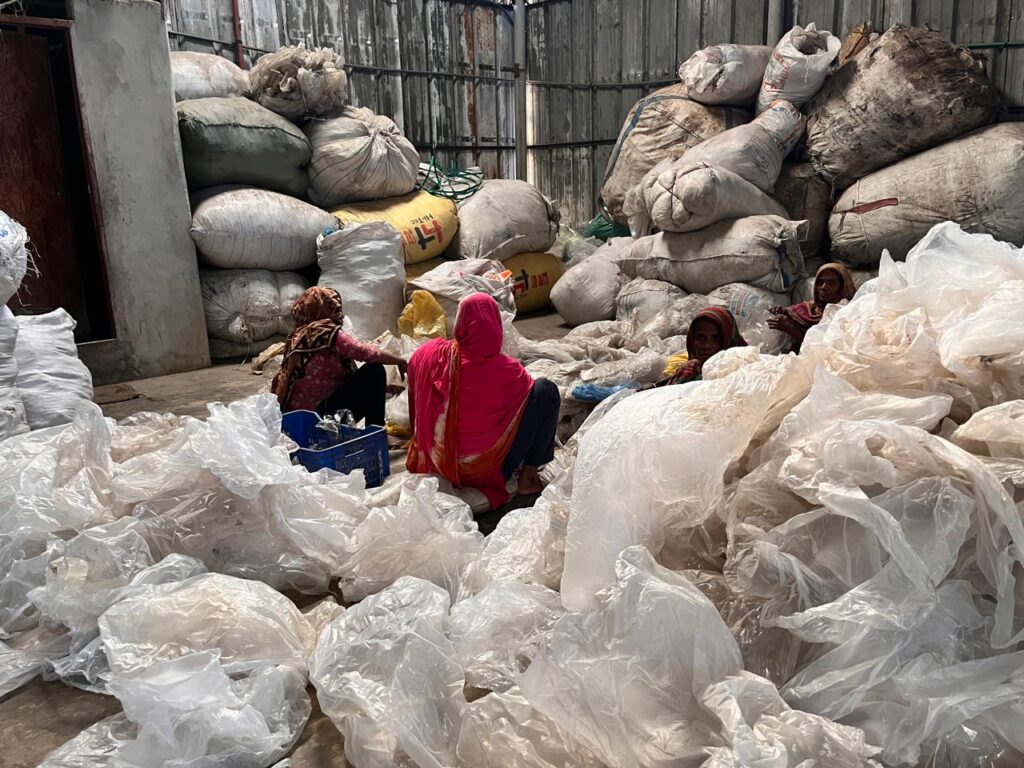
“We don’t have the infrastructure. In New York, they collect waste weekly (with separate schedule days for trash, recycling and compost) once a week, and everyone follows segregation rules. But, in Dhaka, it’s daily and chaotic.”
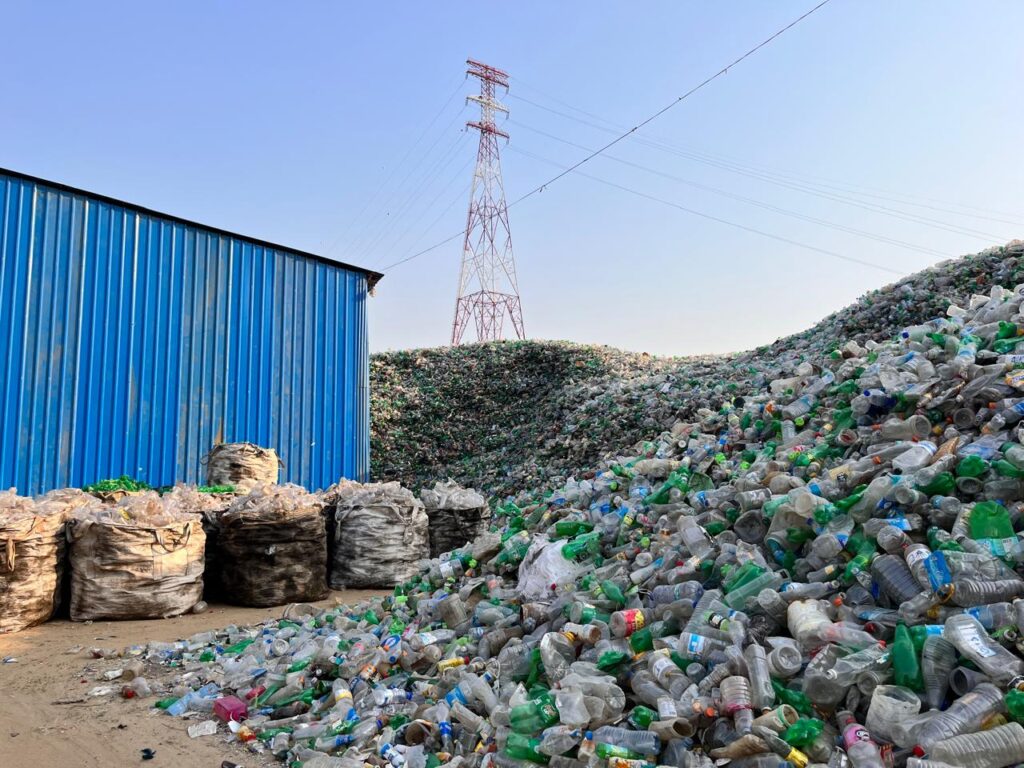
Moreover, the informal sector already carries much of the recycling load. “Scrap dealers are running million-taka businesses, but they only recycle clean or valuable plastics. The rest goes straight to landfills,” she adds. This raises another question: should the burden of waste management fall on citizens alone, or should corporations and the state be held accountable for system change?
The politics of (mis)recognition
Perhaps the most uncomfortable truth Rukhsar lays bare is how environmentalism in Bangladesh often erases the sustainable behaviors of low-income communities. “They walk instead of driving, they reuse more than they buy new. Their carbon footprint is far lower than ours,” she emphasizes. “But are they recognized for that? No. Instead, we push wooden cutlery or gift potted plants as symbols of being eco-conscious. It’s aesthetic. It’s branding.”
This is where the media and fashion industries must step up. “They have a responsibility to show that sustainability isn’t just for the elite,” she argues. “Bring in the stories of people from Korail Bosti, or women gardening in Sirajganj low-income informal settlements. These are the real green warriors.”
And when brands do invest in sustainability, it’s often for visibility rather than impact. “They want a high return on investment, not community-centred, people-first initiatives. That’s not environmental justice. That’s just another form of exploitation.”
“Plastic isn’t the problem. The real problem is inequality in how we use, dispose of, and recycle it”
– Rukhsar on managing plastic waste
Toward a new environmental story
If Bangladesh’s sustainability movement is to be meaningful, it needs to be decolonized, democratized, and localized. That means recognizing indigenous knowledge, supporting systemic interventions (not one-off campaigns), and most importantly, centering the people who are already doing the work, even if invisibly.
Sustainability isn’t a tote bag. It’s a structural issue. And as long as our green economy continues to cater only to the ones who can pay for it, we’ll keep asking the same question:
So, who gets to be eco-friendly and who pays the price?
In a city where low-income communities are walking the walk while others talk the green talk, maybe it’s time we thought about this question a little harder.

“Our real green warriors aren’t on billboards – they’re walking to work, reusing everything, and still being left out of the conversation”
– Rukhsar on the role of low-income communities
Disclaimer: The views and opinions expressed in this article are solely those of the interviewee and do not necessarily reflect the official policies, positions, or perspectives of any organization, program, or project referenced herein.
Photos: Rukhsar Sultana